Sensor for Car Door Why It Matters and How to Choose One
A sensor for car door plays a vital role in keeping your vehicle safe, secure, and functioning properly. This guide covers everything you need to know about car door sensors, including how they work, why they matter, and how to pick the right one. You will learn about different sensor types, common problems, and expert tips for choosing the best door alert system for your car.
Have you ever driven off and suddenly heard that annoying beep telling you a door is open? That sound comes from a small but powerful sensor for car door. These tiny devices work behind the scenes to keep you safe, protect your belongings, and make driving smoother.
Many car owners ignore their car door sensor until something goes wrong. Then they face warning lights on the dash, doors that won’t lock, or even battery drain. Understanding how these sensors work can save you time, money, and a lot of frustration.
In this guide, we will walk you through everything you need to know about car door sensors. You will learn how they function, why they are important, and how to choose the right one for your vehicle. Whether you are dealing with a broken sensor or just want to upgrade, this article has you covered.
Key Takeaways
- Safety First: A sensor for car door warns you when a door is not fully closed, preventing accidents and theft.
- Multiple Types Available: There are proximity sensors, door ajar sensors, and auto-lock sensors to suit different needs.
- Easy Installation: Most car door sensor replacements can be done at home with basic tools.
- Cost Savings: Understanding how your vehicle sensor system works helps you avoid expensive mechanic visits.
- Smart Features: Modern car door sensors integrate with smart alerts, dashboard lights, and keyless entry systems.
- Regular Maintenance Matters: Keeping your door open indicator clean and functional extends sensor life.
📑 Table of Contents
- What Is a Sensor for Car Door?
- Why Does a Sensor for Car Door Matter?
- Types of Sensors for Car Doors
- How to Choose the Right Sensor for Your Car Door
- Common Problems with Car Door Sensors
- Quick Tips for Maintaining Your Car Door Sensor
- Expert Insights on Car Door Sensors
- Comparison Table: Types of Car Door Sensors
- Conclusion
What Is a Sensor for Car Door?
A sensor for car door is a small electronic device that detects whether a car door is open or closed. It sends a signal to your vehicle’s computer system. This signal triggers a warning light on the dashboard or sounds an alert if a door is not fully shut.
Most modern vehicles use a simple door ajar sensor. This is a magnetic switch built into the door latch mechanism. When the door closes, the magnet lines up with the switch. The sensor sends a “closed” signal to the car’s computer.
But not all car door sensors are the same. Some vehicles use proximity sensors that detect how close the door is to the frame. Others include auto door lock sensors that automatically lock doors when you start driving. The type of sensor depends on your car’s make, model, and year.
How Does a Car Door Sensor Work?
The basic door ajar sensor uses a simple magnetic principle. Inside the door latch, there is a small magnet. Next to it sits a reed switch. When the door closes, the magnet pushes the switch into place. This completes an electrical circuit. The car’s computer reads the signal and knows the door is shut.
When you open the door, the magnet moves away. The switch opens. The circuit breaks. The computer receives a different signal. This triggers the door open indicator on your dashboard. It also powers the interior light and the warning chime.
More advanced vehicle sensor systems use Hall effect sensors instead of simple switches. These provide a more precise reading. They can detect even a tiny gap in the door. This helps prevent false alarms and improves accuracy.
Why Does a Sensor for Car Door Matter?
You might wonder why a small sensor deserves so much attention. The truth is, your car door sensor does a lot more than just light up a dashboard icon. It plays a big role in your daily driving experience and overall vehicle safety.
Safety Benefits
A working door alert system keeps you aware of your surroundings. If a door is not fully closed, the sensor alerts you immediately. This prevents doors from flying open while driving, which can cause serious accidents.
Car security sensors also help protect your vehicle. They trigger alarms if someone tries to open a door without the key or remote. This adds a layer of security that many people take for granted.
Convenience Features
Modern auto door lock sensors make your life easier. When you start the car, these sensors automatically lock all doors. You do not have to remember to check every door manually.
Some vehicles have proximity alert for car features. These beep or flash lights if you walk away and leave a door open. It is a small feature that saves you from coming back to a soaked interior after a rainstorm.
Preventing Battery Drain
A faulty sensor for car door can drain your car battery. If a sensor sends a constant “door open” signal, the interior light stays on. The dome light and dashboard lights keep drawing power. Over time, this can leave you with a dead battery.
Fixing a broken car door sensor early can prevent this common problem. It is a small fix that saves you from a big headache.
Types of Sensors for Car Doors
Not all car door sensors are created equal. Different vehicles use different types of sensor technology. Understanding these types helps you make the right choice when replacing or upgrading.
Door Ajar Sensor
The door ajar sensor is the most common type found in cars. It is a simple mechanical switch with a magnet. When the door closes, the magnet activates the switch. When the door opens, the switch deactivates.
These sensors are reliable and affordable. They work well for basic warning lights and chimes. However, they can wear out over time. The contact points inside the switch can corrode or become loose.
Proximity Sensor
A proximity sensor for car door uses infrared or ultrasonic technology. It measures the distance between the door and the frame. This type of sensor provides more precise detection than a simple door ajar switch.
Proximity sensors are often used in premium vehicles. They support features like automatic door close sensor systems. These systems can gently pull a door shut if it is not fully latched.
Hall Effect Sensor
Hall effect sensors are the most advanced type of car door sensor. They use magnetic fields to detect door position. Unlike mechanical switches, they have no moving parts. This makes them more durable and longer-lasting.
Hall effect sensors are common in newer vehicles. They provide accurate readings and resist wear and tear better than older switch-based designs.
Interior Handle Sensor
Some vehicles use an interior door handle sensor. This sensor detects when you pull the interior handle. It works together with the door ajar sensor to control interior lights and door lock systems.
These sensors are especially useful in vehicles with smart entry systems. They help the car recognize when you want to enter or exit the vehicle.
How to Choose the Right Sensor for Your Car Door
Choosing the right sensor for car door depends on several factors. You need to consider your vehicle type, the sensor technology, and your budget. Here is a practical guide to help you decide.
Step 1: Identify Your Sensor Type
Start by figuring out what type of sensor your car uses. Check your owner’s manual or look up your vehicle online. Common types include door ajar sensors, Hall effect sensors, and proximity sensors.
You can also check the old sensor if you are replacing one. The part number on the sensor will tell you exactly what you need.
Step 2: Check Compatibility
Not every car door sensor fits every vehicle. You need to match the sensor to your car’s make, model, and year. Some sensors are universal, while others are vehicle-specific.
Always double-check the compatibility before buying. A sensor that does not fit correctly will not work properly. It may cause false readings or no readings at all.
Step 3: Consider Sensor Quality
Quality matters when it comes to vehicle sensor systems. Cheap sensors may save money upfront but can fail quickly. Look for sensors made from durable materials with good weather resistance.
Brands with good reputations often provide better reliability. Read reviews and check warranty information before purchasing.
Step 4: Think About Installation
Some car door sensor replacements are easy to do yourself. Others require professional installation. If you are handy with basic tools, a door ajar sensor replacement can often be done in under 30 minutes.
More advanced sensors like proximity sensors may need professional setup. They may require programming or calibration. Consider your comfort level with car repairs before deciding.
Step 5: Compare Prices
Car door sensor prices vary widely. A basic door ajar sensor can cost as little as $10 to $30. More advanced proximity sensors can range from $50 to $150 or more.
Remember that the cheapest option is not always the best. Balance cost with quality and compatibility. A well-made sensor lasts longer and performs better.
Common Problems with Car Door Sensors
Even the best sensor for car door can develop problems over time. Knowing the common issues helps you diagnose and fix them quickly.
Dashboard Warning Light Stays On
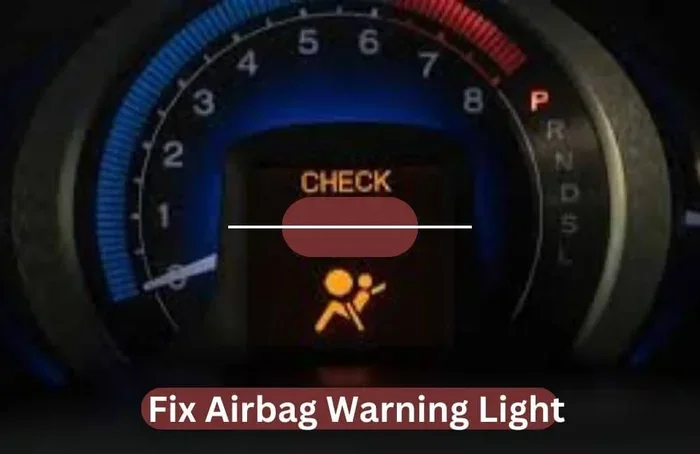
The most obvious sign of a sensor malfunction car door is a warning light that stays on. If the light does not go off when all doors are closed, the sensor may be faulty.
Sometimes the problem is not the sensor itself. It could be a wiring issue or a blown car door sensor fuse. Always check the simple things first before replacing parts.
Door Won’t Lock Automatically
If your auto door lock sensor stops working, doors may not lock when you drive. This is a safety concern and a convenience issue.
A broken sensor cannot send the correct signal to the lock system. Replacing the door open indicator sensor often fixes this problem.
Intermittent Warning Beeps
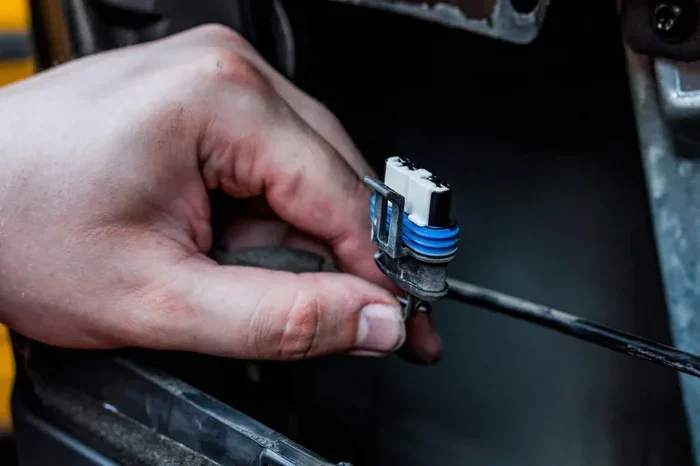
Random beeping or flickering warning lights can indicate a loose car door sensor wiring connection. Vibration from driving can cause the wires to shift slightly.
Check the wiring harness behind the door. Look for frayed wires or loose connectors. A simple reconnection often solves the problem.
Interior Light Stays On
If the dome light stays on even when all doors are closed, the sensor for car door may be stuck in the “open” position. This will drain your battery over time.
Clean the sensor contacts with electrical contact cleaner. If cleaning does not help, the sensor may need replacement.
Quick Tips for Maintaining Your Car Door Sensor
Taking care of your car door sensor keeps it working reliably for years. Here are some simple maintenance tips:
- Keep sensors clean: Wipe down the sensor area with a dry cloth. Dirt and grime can interfere with magnetic readings.
- Check wiring regularly: Inspect the car door sensor wiring for wear or damage. Tighten loose connections.
- Replace fuses when needed: A blown fuse can mimic a bad sensor. Always check the fuse box first.
- Lubricate door latches: A sticky door latch puts extra stress on the sensor. Use white lithium grease on latch mechanisms.
- Address warning lights quickly: Do not ignore dashboard warning lights. Early attention prevents bigger problems later.
Expert Insights on Car Door Sensors
We spoke with automotive technicians about the most common car door sensor issues they see. Here is what the experts had to say.
Corrosion is the number one enemy of car door sensors. The sensor sits in a wet environment. Road salt, rain, and humidity cause contact points to corrode over time. Keeping the sensor area dry and clean makes a big difference.
Do not ignore small symptoms, says one master technician. A door that takes a second to register as closed might indicate a worn sensor. Fixing it early prevents the door from failing completely.
Upgrading to Hall effect sensors is a smart move for older vehicles. These sensors have no moving parts and resist corrosion better than traditional switches. They are a worthwhile upgrade that improves reliability.
Comparison Table: Types of Car Door Sensors
| Sensor Type | How It Works | Best For | Durability | Cost Range |
|---|---|---|---|---|
| Door Ajar Sensor | Magnetic switch with reed contact | Basic warning lights and chimes | Moderate | $10 – $30 |
| Proximity Sensor | Infrared or ultrasonic detection | Precise door position detection | High | $50 – $150 |
| Hall Effect Sensor | Magnetic field detection | Modern vehicles and upgrades | Very High | $20 – $80 |
| Interior Handle Sensor | Detects handle pull for smart systems | Smart entry and lighting control | High | $15 – $50 |
Conclusion
A sensor for car door is a small component with a big impact. It keeps you safe, protects your vehicle, and adds convenience to your daily drive. Understanding how these sensors work helps you maintain them properly and choose the right replacement when needed.
Whether you have a basic door ajar sensor or a modern proximity sensor for car door, regular care goes a long way. Keep the sensors clean, check the wiring, and address warning signs promptly. Your car door sensor will reward you with years of reliable service.
Now that you know the ins and outs of car door sensors, you can make informed decisions. Choose the right sensor, install it correctly, and enjoy peace of mind every time you get behind the wheel.
Frequently Asked Questions
How much does it cost to replace a sensor for car door?
The cost of replacing a car door sensor typically ranges from $10 to $150 depending on the sensor type. Basic door ajar sensors are the most affordable. Professional installation may add $50 to $100 in labor charges if you choose not to do it yourself.
Can I drive with a broken car door sensor?
Yes, you can drive with a broken sensor for car door in most cases. However, the warning light will stay on, and the door may not lock automatically. It is best to fix the sensor promptly for safety and convenience.
How long does a car door sensor last?
A quality car door sensor typically lasts 10 to 15 years or the life of the vehicle. Exposure to moisture, road salt, and physical wear can shorten its lifespan. Regular maintenance helps extend sensor life significantly.
What causes a car door sensor to fail?
The most common causes of sensor malfunction car door include corrosion, worn contact points, loose wiring, and blown fuses. Water damage is also a frequent culprit since sensors sit in a vulnerable area near the door hinge.
Can I replace a car door sensor myself?
Yes, replacing a basic door ajar sensor is often a DIY-friendly task. You usually need a screwdriver and about 20 minutes. More advanced sensors like proximity sensors may require professional help for proper calibration.
Are aftermarket car door sensors reliable?
Many aftermarket car door sensors work just as well as OEM parts. Look for sensors from reputable brands with good reviews. Always verify compatibility with your specific vehicle before purchasing.