How Do You Clear an Airbag Sensor Without a Mechanic
Clearing an airbag sensor is easier than most drivers think. You can reset your SRS warning light and resolve airbag sensor issues at home with the right tools and basic know-how. This guide walks you through every step, from understanding how the system works to clearing trouble codes safely.
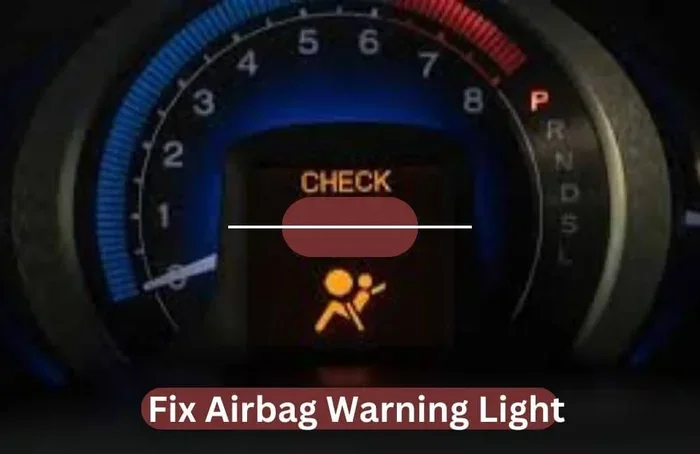
Have you ever glanced at your dashboard and spotted that little airbag light staring back at you? It is one of those warnings that instantly makes you worry. Your first thought might be, “How do you clear an airbag sensor?” The good news is that you do not always need a mechanic to handle this. Many drivers clear their airbag sensor codes right from home. With the right tools and a bit of patience, you can reset your SRS system and turn off that annoying warning light. This guide shows you exactly how to do it safely and effectively.
The airbag system in your car is called the SRS, which stands for Supplemental Restraint System. It works alongside your seat belts to protect you during a collision. When something goes wrong in this system, your car detects it and triggers the airbag warning light. Sometimes the issue is minor, like a loose connector. Other times, it is a sensor that needs replacing. Either way, knowing how to clear the sensor can save you time and money. Let us walk through everything you need to know.
Key Takeaways
- You can clear airbag sensors at home: No mechanic needed if you have an OBD2 scanner and basic tools.
- Understanding the SRS system helps: Knowing how your airbag control unit works makes troubleshooting much easier.
- Common triggers include seat belt sensors, crash sensors, and connectors: Fixing the root cause is key before resetting.
- Always check for DTCs first: Diagnostic trouble codes tell you exactly what the problem is.
- Safety comes first: Disconnect the battery before working on any airbag component.
- Some issues need a professional: Deployed airbags or damaged wiring should be handled by a certified tech.
📑 Table of Contents
- What Is an Airbag Sensor and How Does It Work?
- Common Reasons Your Airbag Sensor Triggers
- Tools You Need to Clear an Airbag Sensor
- Step-by-Step Guide to Clearing Your Airbag Sensor
- Common Mistakes to Avoid When Clearing Airbag Sensors
- When You Should Still See a Mechanic
- How to Prevent Airbag Sensor Issues in the Future
- Understanding Airbag Diagnostic Trouble Codes
- Can You Clear an Airbag Sensor With a Phone App?
- Expert Insights on Airbag Sensor Maintenance
- Key Takeaways
- Conclusion
What Is an Airbag Sensor and How Does It Work?
Before you jump into clearing a sensor, it helps to understand what one actually does. An airbag sensor is a small device that monitors your vehicle for sudden impacts. When it detects a crash, it sends a signal to deploy the airbags. These sensors are part of the larger SRS system, which includes the airbag control unit, crash sensors, seat belt pretensioners, and the dashboard warning light.
Your car has several airbag sensors in different locations. You will find them near the front bumper, under the seats, and in the steering column. Each sensor constantly sends data to the airbag control unit. If the control unit receives an error signal, it logs a diagnostic trouble code and lights up your dashboard.
Types of Airbag Sensors
Not all airbag sensors work the same way. Here are the main types you will encounter:
- Crash sensors: These detect sudden deceleration or impact. They are usually located in the front of the vehicle.
- Seat belt sensors: These detect whether the seat belt is fastened. They also measure the weight on the passenger seat.
- Occupant classification sensors: These determine if a passenger is an adult or a child. This helps decide whether to deploy the passenger airbag.
- Clockspring sensors: These are found in the steering wheel. They maintain the connection between the steering column and the airbag module.
Each sensor plays a role in keeping you safe. When one malfunctions, the entire SRS system can be affected. That is why it is important to address sensor issues quickly.
Common Reasons Your Airbag Sensor Triggers
Why does your airbag sensor throw a code in the first place? There are several common reasons. Understanding these can help you fix the problem faster.
Loose or Corroded Connectors
The most frequent cause of an airbag warning light is a loose connector. The sensors plug into your car’s wiring harness, and over time, vibrations can loosen them. Corrosion is another culprit, especially in older vehicles or those exposed to moisture. A corroded connector sends incorrect signals to the airbag control unit, triggering the warning light.
Faulty Seat Belt Sensors
Your seat belt sensors do more than just beep when you forget to buckle up. They are part of the SRS system. If a seat belt sensor is damaged or stuck, it can cause the airbag light to come on. Sometimes the issue is as simple as debris stuck in the buckle. Other times, the sensor itself needs replacement.
Previous Crash or Deployment
If your car has been in an accident, even a minor one, the crash sensors may have been activated. In some cases, the airbags did not deploy, but the sensors still logged a code. After any collision, you should have the SRS system checked and reset. Driving with a triggered airbag sensor after an accident is risky.
Low Battery Voltage
Believe it or not, a low car battery can trigger your airbag light. The SRS system needs a stable power supply to function correctly. If your battery is weak or the alternator is failing, the system may detect a voltage drop and flag it as an error.
Worn Out Clockspring
The clockspring is a spiral ribbon cable inside your steering column. It keeps the electrical connection active as you turn the steering wheel. Over time, the clockspring can wear out or break. When this happens, the driver airbag sensor loses its connection, and the warning light appears.
Tools You Need to Clear an Airbag Sensor
Clearing an airbag sensor does not require expensive professional equipment. A few basic tools will get the job done. Here is what you need before you start:
- OBD2 Scanner: This is the most important tool. A basic OBD2 scanner reads and clears diagnostic trouble codes. Some advanced models can also view live SRS data. Look for one that supports airbag system diagnostics.
- Socket Set and Wrenches: You will need these to disconnect the battery and access sensor connectors.
- Wire Brush or Electrical Cleaner: Use these to clean corroded connectors and terminals.
- Multimeter: A multimeter helps you test sensor voltage and continuity. It is useful for confirming whether a sensor is truly faulty.
- Safety Gloves and Glasses: Airbag components contain explosive charges. Always wear protective gear when working near them.
- Vehicle Service Manual: Your car’s manual shows the exact location of sensors and connectors. It also provides specific reset procedures.
Having these tools ready makes the entire process smoother. You will not have to stop mid-job because you are missing something.
Step-by-Step Guide to Clearing Your Airbag Sensor
Now that you understand the system and have your tools ready, let us get into the actual process. Follow these steps carefully to clear your airbag sensor safely.
Step 1: Turn Off the Engine and Disconnect the Battery
Safety comes first. Always turn off your engine and remove the key from the ignition. Then, disconnect the negative battery terminal. Use a wrench to loosen the terminal clamp and pull it off the battery post. Wait at least 15 minutes before proceeding. This allows the SRS system to fully discharge any residual power. Working on the airbag system with power connected is dangerous.
Step 2: Locate the Airbag Sensor
Check your vehicle service manual to find the exact location of the airbag sensor. In most cars, the front crash sensors are behind the front bumper or grille. Seat belt sensors are under the seats or in the door panels. The clockspring sensor sits behind the steering wheel. Knowing where to look saves you a lot of frustration.
Step 3: Inspect the Sensor and Connectors
Before you clear any codes, take a close look at the sensor and its connectors. Look for visible damage, loose wires, or corrosion. If you see corrosion on the connector pins, clean them with electrical cleaner and a wire brush. Sometimes simply reseating the connector solves the problem. Plug it back in firmly and make sure it clicks into place.
Step 4: Connect Your OBD2 Scanner
Reconnect the battery temporarily. Plug your OBD2 scanner into the diagnostic port, which is usually located under the dashboard on the driver’s side. Turn the ignition to the “on” position without starting the engine. The scanner should power on and connect to your car’s computer.
Step 5: Read the Diagnostic Trouble Codes
Use the scanner to read the codes stored in the SRS system. Write down every code you see. Each code corresponds to a specific issue. For example, a code starting with “B” typically relates to the body system, which includes airbags. A common code is B0013, which indicates a driver airbag circuit issue. Understanding these codes helps you determine whether the problem is a sensor fault or something else.
Step 6: Clear the Codes
Once you have recorded the codes, you can clear them using the scanner. Navigate to the “Clear Codes” or “Erase DTCs” function on your device. Confirm the action and wait for the scanner to complete the process. After clearing the codes, turn the ignition off, disconnect the battery again, and wait another 10 minutes. This ensures the SRS system fully resets.
Step 7: Reconnect the Battery and Test Drive
Reconnect the negative battery terminal and start the engine. Watch the dashboard. If the airbag light stays off, the reset was successful. If the light comes back on, there may be an underlying issue that needs further attention. Take your car for a short test drive and monitor the warning light.
Quick Tips for a Successful Reset
- Never skip the battery disconnect step. Working on airbag components while powered can cause accidental deployment.
- Always record your codes first. You need them for reference if the light comes back on.
- Check the battery voltage before resetting. A weak battery can cause recurring codes.
- Use a quality OBD2 scanner. Cheap scanners may not support full SRS diagnostics.
- Be patient. Some systems take multiple cycles to fully reset.
Common Mistakes to Avoid When Clearing Airbag Sensors
Clearing an airbag sensor seems straightforward, but mistakes can happen. Here are some common errors drivers make and how to avoid them.
Clearing Codes Without Fixing the Root Cause
This is the biggest mistake people make. Clearing the code simply erases the warning. If the underlying problem is still there, the light will come right back on. Always diagnose the issue first. Use the OBD2 scanner to identify the code, then inspect the sensor and wiring. Fix the actual problem before you reset the system.
Ignoring a Deployed Airbag
If your airbags deployed in a crash, clearing the sensor code does not replace them. Deployed airbags and seat belt pretensioners must be replaced by a professional. Clearing the code without replacing damaged components is dangerous and could leave you unprotected in another accident.
Working on the System While Powered
Airbag systems store electrical energy even when the engine is off. The explosive charges in the airbag module can deploy unexpectedly if you mishandle them. Always disconnect the battery and wait the recommended time before touching any airbag components. This is not a step you should skip.
Using the Wrong Scanner
Not all OBD2 scanners can read and clear SRS codes. Basic code readers may only access engine-related codes. Make sure your scanner explicitly supports airbag and SRS diagnostics before you attempt a reset.
Neglecting Corroded Connectors
Sometimes the sensor itself is fine, but the connector is corroded. If you clear the code without cleaning the connector, the problem will return. Always inspect and clean all connections before resetting the system.
When You Should Still See a Mechanic
While clearing an airbag sensor at home is possible for many issues, some situations require professional help. You should see a mechanic if:
- The airbag light returns immediately after you reset it.
- You find damaged wiring or a broken sensor that needs replacement.
- Your airbags deployed in a recent collision.
- The SRS system shows multiple unrelated codes.
- You are uncomfortable working with airbag components.
- Your vehicle has advanced SRS features, such as curtain airbags or knee airbags, that require specialized diagnostic tools.
A certified mechanic has the training and equipment to handle complex airbag issues safely. They can also perform a full SRS system diagnostic that goes beyond what a basic OBD2 scanner offers. If you are ever unsure, it is always better to seek professional help. Your safety is not worth the risk.
How to Prevent Airbag Sensor Issues in the Future
Once you have successfully cleared your airbag sensor, you want to keep it that way. Regular maintenance can prevent future problems. Here are some simple steps to keep your SRS system in good shape:
- Keep your battery healthy: A strong, fully charged battery ensures stable voltage to the SRS system. Replace your battery every 4 to 5 years.
- Check connectors periodically: Look under your seats and behind the dashboard for loose or corroded connectors. A quick cleaning can prevent warning lights.
- Buckle up every time: Wearing your seat belt reduces stress on the seat belt sensors and pretensioners.
- Avoid water damage: Moisture can cause corrosion in sensor connectors. If you flood your car, have the SRS system inspected.
- Address warning lights promptly: Do not ignore the airbag light. The longer you wait, the worse the underlying issue may become.
Taking these small steps goes a long way. A well-maintained airbag system keeps you and your passengers safe on every trip.
Understanding Airbag Diagnostic Trouble Codes
When you plug in your OBD2 scanner, you will see codes that look like random letters and numbers. These are diagnostic trouble codes, or DTCs. Understanding them gives you valuable insight into what is wrong with your SRS system.
DTCs for airbag systems usually start with the letter “B” for body systems. Here are a few common codes you might encounter:
- B0013: Driver airbag circuit resistance too high.
- B0014: Passenger airbag circuit resistance too high.
- B0017: Left front crash sensor malfunction.
- B0023: Right front crash sensor malfunction.
- B0034: Driver seat belt pretensioner circuit issue.
- B0090: Occupant classification sensor fault.
Each code points to a specific part of the system. Write them down, look them up in your vehicle manual or online, and use them to guide your repairs. This approach is much more effective than randomly replacing parts.
Can You Clear an Airbag Sensor With a Phone App?
Some drivers wonder if they can use a smartphone app instead of a dedicated OBD2 scanner. The answer is yes, but with limitations. Many OBD2 Bluetooth adapters pair with phone apps like Torque Pro or Car Scanner. These apps can read and clear SRS codes in some vehicles. However, not all apps support airbag diagnostics. Check the app’s compatibility list before you rely on it. Also, phone apps may not offer the same depth of data as a professional-grade scanner. For basic code clearing, they work fine. For detailed diagnostics, a dedicated OBD2 scanner is better.
Expert Insights on Airbag Sensor Maintenance
Experienced auto technicians emphasize one key point: the airbag light is not something to ignore. Even if your car drives fine, a lit airbag warning means your safety system is compromised. According to certified technicians, the most common overlooked causes of airbag sensor codes are worn seat belt buckles, faulty clocksprings, and loose connectors under the seats. A simple inspection of these areas often reveals the problem. Many mechanics also recommend resetting the SRS system after any battery replacement or jump start, as the power interruption can trigger a temporary fault code.
Another expert tip is to always perform a full system scan, not just the airbag module. Sometimes the root cause of an airbag sensor issue lies in the vehicle’s central computer or power supply. A comprehensive scan helps you catch these hidden problems before they become expensive repairs.
Key Takeaways
- Clearing an airbag sensor is doable at home: You need an OBD2 scanner, basic tools, and about 30 minutes of your time.
- Always disconnect the battery first: Safety is the top priority when working with airbag components.
- Read and record DTCs before clearing them: These codes guide you to the actual problem.
- Fix the root cause before resetting: Clearing codes without fixing the issue just brings the light back.
- Inspect connectors and wiring regularly: Corrosion and loose connections are the most common triggers.
- See a mechanic for complex issues: Deployed airbags, multiple codes, or recurring problems need professional attention.
- Prevent future issues with simple maintenance: A healthy battery and clean connectors keep your SRS system running smoothly.
Conclusion
So, how do you clear an airbag sensor without a mechanic? The answer is simpler than you might think. With the right tools, a basic understanding of your SRS system, and a careful approach, you can reset your airbag warning light at home. The key is to diagnose the real problem first, fix it, and then clear the codes using your OBD2 scanner. Always put safety first by disconnecting the battery and wearing protective gear. And remember, not every issue is a DIY fix. If you are unsure or the problem keeps coming back, do not hesitate to consult a professional mechanic.
Taking control of your car’s airbag system gives you confidence and saves you money. You do not need to be a mechanic to handle this common issue. Follow the steps in this guide, stay safe, and enjoy the peace of mind that comes with a properly functioning airbag system. Your car protects you every time you get behind the wheel. Make sure it is ready to do its job.
Frequently Asked Questions
Can I drive my car with the airbag light on?
Technically, yes, but it is not safe. The airbag system may not deploy in a crash if the light is on. The SRS warning indicates a malfunction in your safety system. Have the issue diagnosed and fixed as soon as possible. Driving with a disabled airbag puts you and your passengers at greater risk.
How much does it cost to clear an airbag sensor at a shop?
Most auto shops charge between $75 and $150 for an airbag sensor reset. The cost depends on your vehicle model and the underlying issue. If the sensor needs replacement, the price can range from $100 to $400 per sensor. Clearing the code yourself at home with an OBD2 scanner costs nothing beyond the price of the tool.
Will clearing the airbag code fix the underlying problem?
No, clearing the code only erases the warning. It does not repair any faulty component. You must identify and fix the root cause before resetting the system. Otherwise, the airbag light will return, often within a few driving cycles.
How long does it take to clear an airbag sensor?
The process typically takes 20 to 45 minutes. This includes reading the codes, inspecting the sensors and connectors, fixing any issues, and performing the reset. If you need to clean corroded connectors or reseat loose wires, it may take a bit longer. Having your vehicle manual on hand can speed things up.
Can a dead battery cause the airbag light to come on?
Yes, a weak or dead battery can trigger the airbag warning light. The SRS system needs a stable voltage supply to operate correctly. When battery voltage drops, the system may detect a fault and log a code. Replacing or recharging the battery often resolves the issue and clears the light.
Is it safe to reset the airbag system myself?
It is safe as long as you follow proper safety procedures. Always disconnect the battery and wait at least 15 minutes before touching any airbag components. Wear safety gloves and glasses. If you feel uncomfortable at any point, stop and consult a professional. The airbag system contains explosive charges that can cause injury if mishandled.