How Does Toyota Auto High Beam Work Explained Simply
Toyota auto high beam uses a sensor mounted on the steering column to detect oncoming traffic and vehicles ahead. The system automatically switches between high and low beams to keep you visible without blinding other drivers. It works on most Toyota models equipped with LED or halogen headlights and is part of Toyota’s broader safety technology suite.
Driving at night can be stressful. Dark roads, sharp turns, and oncoming headlights all make it harder to see. Toyota thought about this problem and built a clever solution into many of its vehicles. The Toyota auto high beam system takes the guesswork out of night driving. It uses smart technology to give you the best visibility while keeping other drivers safe.
If you have ever driven a Toyota with this feature, you may have noticed how seamlessly it works. One moment you are cruising on a dark highway, and the next, a car approaches from the opposite direction. Your high beams dim automatically. Then, when the road clears, they come right back on. It feels almost magical. But there is real science and engineering behind it.
In this article, we will break down exactly how Toyota auto high beam works. We will look at the sensors, the technology, and the benefits. We will also cover which Toyota models have it and how to use it properly. Whether you are a new Toyota owner or just curious about this feature, you will find everything you need right here.
Key Takeaways
- Smart Sensor Technology: A camera or sensor on the steering column detects light from other vehicles to toggle your beams automatically.
- Improved Night Driving: Auto high beam gives you better visibility without constantly switching between high and low beams manually.
- Wide Toyota Compatibility: The feature is available on many Toyota models, from the Camry to the RAV4 and beyond.
- Dashboard Indicator: A green icon on your dashboard tells you when auto high beam is active and working.
- Easy to Use: You simply flip the stalk to auto mode, and the system handles the rest.
- Safety First: The system prioritizes not blinding oncoming drivers, making roads safer for everyone.
📑 Table of Contents
What Is Toyota Auto High Beam?
Toyota auto high beam is a driver assistance feature. It automatically controls your vehicle’s high beams for you. Instead of you flipping a switch every time you meet another car, the system does it for you. This is part of Toyota’s commitment to making driving safer and more comfortable.
The system uses a small sensor or camera. This sensor sits near the rearview mirror or on the steering column. It watches the road ahead and behind. When it detects light from other vehicles, it dims your beams. When the road is clear, it switches back to high beam. All of this happens in a fraction of a second.
Many people confuse auto high beam with adaptive driving beam. They are related but not the same. Adaptive driving beam can shape the light pattern to avoid specific areas. Toyota auto high beam is simpler. It just turns the high beams on or off based on surrounding light. Both systems aim to improve your visibility at night.
The feature is part of Toyota’s larger safety ecosystem. It works alongside other systems like lane departure warning and pre-collision safety. Together, these features make Toyota vehicles some of the safest on the road. If you care about Toyota safety features, auto high beam is a great one to understand.
How Does the Auto High Beam System Work?
Now let us get into the technical details. Understanding how the system works helps you appreciate it more. The process is faster and more precise than most people realize.
The Sensor and Camera
At the heart of the system is a forward-facing sensor. This sensor is usually located near the top of the windshield, close to the rearview mirror. It looks like a small black dot or module. This sensor monitors the light conditions around your vehicle.
The sensor can detect headlights from other cars. It can also sense taillights and streetlights. When it picks up light from an oncoming vehicle, it sends a signal to the body control module. This module is the brain that controls your vehicle’s electrical systems.
The sensor works day and night. During the day, it may not trigger the high beam system as often. But at night, it becomes your best friend. It constantly scans the road and adjusts your beams accordingly. The response time is nearly instant, so you never have to worry about missing a moment of visibility.
The Switching Mechanism
When the system detects no other vehicles ahead or behind, it activates the high beams. Your headlights shine bright, giving you a longer viewing distance. This is especially helpful on empty highways or rural roads.
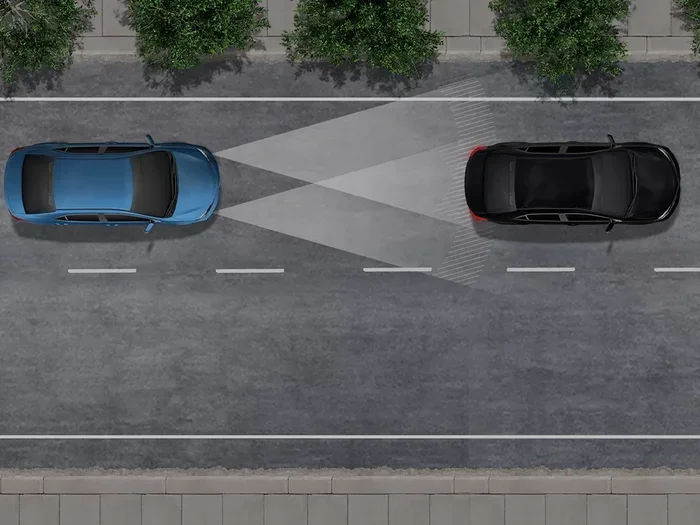
When the sensor detects an approaching vehicle, it dims the beams to low. This happens automatically. You do not need to do anything. The same thing happens when a vehicle is ahead of you and you are following closely. The system dims your high beams so you do not blind the driver in front.
Once the other vehicle has passed and the road is clear again, the high beams turn back on. This cycle repeats throughout your drive. The system is always working in the background, even when you are not thinking about it.
The Dashboard Indicator
Toyota provides a clear visual indicator for auto high beam. When the system is active, you will see a green icon on your dashboard. It looks like a headlight with the letter “A” inside. This tells you that auto high beam is on and functioning properly.
If the indicator is off, the system is not active. You may need to check if the feature is turned on. Sometimes the sensor may be blocked by dirt or snow, which can also disable the system. Keeping the sensor area clean helps the system work at its best.
Integration with Other Toyota Systems
Toyota auto high beam does not work alone. It integrates with other safety and lighting systems. For example, it works with the automatic headlight system. When it gets dark, your headlights turn on automatically. Auto high beam then takes over to manage the beam level.
Some Toyota models also pair this feature with the Toyota Safety Sense package. This package includes pre-collision warning, adaptive cruise control, and lane tracing assist. Together, these systems create a comprehensive safety net for the driver. They work together to make every trip safer and more comfortable.
Toyota Models That Support Auto High Beam
Not every Toyota vehicle comes with auto high beam. The feature is typically available on mid-range and higher trim levels. It is also more common on models that come with LED headlights. Let us look at some of the Toyota models that offer this feature.
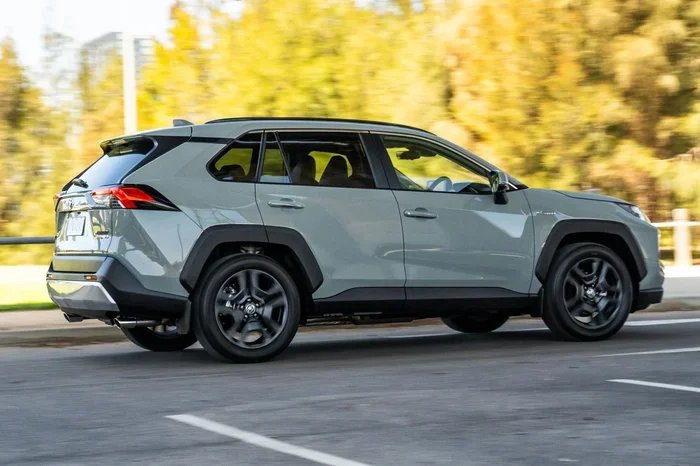
The Toyota Camry is one of the most popular sedans in America. Higher trim levels of the Camry, especially the XLE and XSE, often include auto high beam. The Toyota RAV4, a best-selling SUV, also offers this feature on many of its trims. The Toyota Avalon, Toyota Corolla, and Toyota Highlander are other models that may include auto high beam depending on the trim and package.
If you are shopping for a Toyota, check the trim specifications carefully. The feature is often bundled with other lighting upgrades like LED headlamps and automatic headlight activation. You can also ask the dealer about the lighting package. Sometimes auto high beam comes as part of a larger technology or safety bundle.
Keep in mind that the feature may have a different name depending on the model year and market. Some Toyota models call it “Automatic High Beam” while others refer to it as “Auto High Beam” or “Smart Beam.” The function is the same regardless of the name.
Benefits of Using Auto High Beam
There are many reasons to use Toyota auto high beam. The feature is not just a luxury. It provides real, practical benefits for everyday driving. Let us explore some of the key advantages.
Better Visibility at Night
The most obvious benefit is improved visibility. High beams illuminate the road much farther ahead than low beams. With auto high beam, you get this extra visibility without having to think about it. You can spot obstacles, animals, and road signs much earlier. This gives you more time to react and stay safe.
Reduced Driver Fatigue
Driving at night can be tiring. Constantly switching between high and low beams adds to that fatigue. You have to watch for oncoming traffic, remember to dim your lights, and then switch them back on. Auto high beam removes this mental burden. The system handles all the switching for you. This lets you focus more on the road and less on your controls.
Safer for Other Drivers
Auto high beam is not just about you. It also protects other drivers on the road. By automatically dimming when it detects oncoming traffic, it prevents glare. This helps other drivers maintain their night vision. It is a small courtesy that makes a big difference in road safety.
Convenience in All Conditions
Whether you are driving on a dark highway, a suburban road, or a country lane, auto high beam adapts. It works in all lighting conditions where high beam would normally be useful. You do not have to worry about forgetting to switch modes. The system is always watching and adjusting for you.
Better Performance in Bad Weather
Rain, fog, and snow can reduce visibility dramatically. Auto high beam helps you see through these conditions by providing maximum light output when no other vehicles are around. However, in heavy fog, low beams are often better because high beams can reflect off the moisture. The system is smart enough to follow the general rule, but you should always use your judgment too.
Common Issues and Troubleshooting
Like any electronic system, Toyota auto high beam can sometimes have issues. Most problems are minor and easy to fix. Here are some common issues and what you can do about them.
Sensor Dirt or Obstruction
The most common issue is a dirty sensor. The sensor near the rearview mirror can get covered in dust, mud, or snow. When this happens, the system may not detect other vehicles properly. This can cause the high beams to stay on or fail to switch. Simply cleaning the sensor area with a soft cloth usually fixes this problem.
If you have ever removed difficult things from your auto glass, you know how important it is to keep the sensor area clear. A clean sensor means a reliable auto high beam system.
System Not Activating
If the auto high beam does not turn on, check the stalk switch first. Make sure it is in the auto position. Also, check that your headlights are turned on. The auto high beam system only works when the headlights are active. If both are on and the system still does not work, the sensor may need recalibration.
Dashboard Warning Light
A warning light on the dashboard can indicate a problem with the system. If you see a yellow or red headlight icon, do not ignore it. This could mean the sensor is malfunctioning or there is an electrical issue. A trip to the Toyota dealer or a trusted mechanic can help diagnose the problem.
Flickering or Intermittent Operation
Sometimes the system may flicker or work inconsistently. This can happen if the sensor is partially blocked. It can also occur if there is an issue with the body control module. In most cases, a simple cleaning resolves the problem. If not, a professional inspection is recommended.
Tips for Maintaining Your Auto High Beam System
Keeping your auto high beam system in good shape is easy. A little regular maintenance goes a long way. Here are some practical tips to help you get the most out of the feature.
Keep the Sensor Clean
Make it a habit to clean the area near the rearview mirror. A quick wipe during your regular car wash is usually enough. Pay special attention after off-road driving or in winter conditions when road salt and mud are common.
Check Your Headlights Regularly
Auto high beam works best when your headlights are in good condition. If one headlight is dim or burned out, the system may not function properly. Check your headlights regularly and replace any bulbs that are not working. LED headlights tend to last longer and perform better with auto high beam systems.
Protect the Sensor in Winter
In winter, ice and snow can cover the sensor completely. Before driving, clear snow off the windshield near the rearview mirror. If you have been dealing with ice on your windshield, you know how important it is to remove ice from car glass properly without damaging the sensor area.
Avoid Aftermarket Modifications That Block the Sensor
Aftermarket accessories like roof racks, spoilers, or custom mirror covers can sometimes block the sensor. Before installing any accessories, check that they do not interfere with the auto high beam sensor. If you are considering window tinting, make sure it does not obstruct the sensor area either. You can save money on auto tint while still keeping the sensor area clear.
Keep Software Updated
Toyota occasionally releases software updates for its electronic systems. These updates can improve the performance of features like auto high beam. When you visit the dealer for regular maintenance, ask if any software updates are available for your vehicle.
Take Care of Your Electrical System
The auto high beam system relies on your vehicle’s electrical system. A healthy battery and alternator ensure the system works reliably. If you notice any electrical issues in your Toyota, get them checked promptly. A weak battery can cause all sorts of electronic glitches, including problems with the auto high beam.
Final Thoughts on Toyota Auto High Beam
Toyota auto high beam is a smart, practical feature that makes night driving safer and more comfortable. The system uses a sensor to detect other vehicles and automatically adjusts your headlights. It removes the hassle of manual switching and helps you stay focused on the road. Whether you are driving on a long highway trip or a short evening commute, auto high beam works quietly in the background to improve your visibility.
The feature is available on many Toyota models, especially those with LED headlights and higher trim levels. Keeping the sensor clean and your headlights in good condition ensures the system works reliably for years. If you ever notice issues, most troubleshooting steps are simple and can be done at home.
Understanding how your Toyota’s features work helps you get the most out of your vehicle. Auto high beam is one of those features that you may not think about until it is not there. Once you experience the convenience and safety it provides, you will wonder how you ever drove without it. Take care of the system, keep it clean, and enjoy the improved visibility on every night drive.
For more tips on maintaining your Toyota’s lighting and visibility features, explore our other articles on caring for your auto tint and other vehicle maintenance topics. A well-maintained Toyota is a safe Toyota.
Frequently Asked Questions
How do I turn on Toyota auto high beam?
Locate the headlight stalk on the left side of the steering column. Push the stalk toward the dashboard until you see the green auto high beam icon appear on your dashboard. Make sure your regular headlights are turned on first. The system will automatically manage your high beams from that point forward.
Which Toyota models have auto high beam?
Auto high beam is available on many Toyota models including the Camry, RAV4, Corolla, Avalon, Highlander, and Tacoma. It is typically found on mid-range and higher trims, especially those equipped with LED headlamps. Check your specific model’s trim specifications or ask your dealer for details.
Can auto high beam damage my headlights?
No, auto high beam does not damage your headlights. The system simply switches between high and low beam settings using the existing headlight circuitry. Modern Toyota headlights are designed to handle frequent switching without any wear or damage.
Why is my auto high beam not working?
The most common reason is a dirty sensor near the rearview mirror. Other causes include a blown fuse, a faulty body control module, or the system being turned off. Start by cleaning the sensor area and checking your headlight settings. If the problem persists, visit a Toyota service center.
Does auto high beam work in fog and rain?
Auto high beam will activate when no other vehicles are detected, even in fog or rain. However, high beams can reflect off moisture and reduce visibility in heavy fog. In such conditions, it is often better to manually switch to low beams for safer driving.
Is Toyota auto high beam the same as adaptive driving beam?
No, they are different. Auto high beam simply turns your high beams on or off based on surrounding light. Adaptive driving beam can shape the light pattern to avoid blinding specific drivers while still keeping parts of the road illuminated. Toyota offers adaptive driving beam on some newer models with advanced LED headlight systems.