How Does the Toyota Mirai Work Explained in Detail
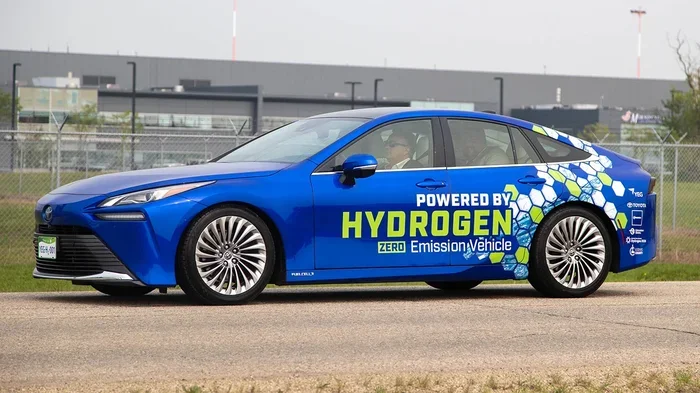
The Toyota Mirai is a hydrogen fuel cell vehicle that converts hydrogen gas into electricity to power an electric motor. It produces zero tailpipe emissions, offers a smooth and quiet ride, and delivers a driving range of around 400 miles on a single refuel. This guide breaks down every component of how the Mirai works, from the fuel cell stack to the electric motor and everything in between.
The Toyota Mirai is one of the most fascinating vehicles on the road today. It runs on hydrogen, the most abundant element in the universe. Yet very few people understand the magic happening under its hood. If you have ever wondered how the Toyota Mirai works, you are in the right place.
This guide will walk you through every major system. We will cover the fuel cell stack, the electric motor, the hydrogen storage tanks, and more. By the end, you will have a clear picture of why the Mirai is a game-changer in the world of zero emission vehicle technology.
## What Is the Toyota Mirai?
The Toyota Mirai is a hydrogen fuel cell vehicle (FCV). It was first introduced in 2014 and has gone through two generations. The name “Mirai” means “future” in Japanese. And that is exactly what this car represents.
Unlike battery electric vehicles (BEVs), the Mirai does not need to plug in. Instead, it generates its own electricity on board. It does this by combining hydrogen gas with oxygen from the air. The result is electricity, heat, and pure water vapor.
### Why Choose a Hydrogen Fuel Cell Vehicle?
There are several reasons drivers choose the Mirai over other options. First, it offers a long driving range. Second, refueling takes only about five minutes. Third, it produces no harmful emissions. The only thing coming out of the tailpipe is water.
For drivers who want the benefits of an electric vehicle without the long charging times, the Mirai is a compelling choice. It bridges the gap between traditional gasoline cars and modern EVs.
## How the Fuel Cell Stack Works
The heart of the Toyota Mirai is its fuel cell stack. This is where the magic happens. The stack contains hundreds of individual fuel cells stacked together. Each cell has a membrane coated with special catalysts.
### The Chemical Reaction Inside
Here is how the process works step by step.
- Hydrogen enters the fuel cell: Hydrogen gas from the storage tanks flows into the anode side of the fuel cell.
- Oxygen enters from the air: A fan draws in ambient air, and oxygen reaches the cathode side of the cell.
- The membrane splits hydrogen atoms: The catalyst breaks hydrogen molecules into protons and electrons.
- Protons pass through the membrane: The membrane allows only protons to pass through to the other side.
- Electrons create electricity: The electrons cannot pass through the membrane. They travel through an external circuit, creating an electrical current.
- Hydrogen and oxygen combine: On the other side, protons, electrons, and oxygen combine to form water.
This entire process happens silently and efficiently. The only byproduct is pure water vapor. That means the Toyota Mirai produces zero harmful tailpipe emissions.
### The Role of the Platinum Catalyst
The fuel cell stack uses platinum as a catalyst. Platinum helps speed up the chemical reaction without being consumed. Toyota has worked hard to reduce the amount of platinum needed over the years. This helps keep costs down and improves long-term durability.
## Hydrogen Storage and Refueling
The Mirai stores hydrogen in two carbon-fiber reinforced tanks. These tanks are designed to be extremely strong and lightweight. They can hold hydrogen at a pressure of 10,000 psi.
### Tank Capacity and Range
The Mirai holds approximately 5.6 kilograms of hydrogen. This provides a driving range of around 400 miles on a full tank. Of course, actual range can vary based on driving conditions, temperature, and driving style.
### How Long Does Refueling Take?
One of the biggest advantages of the Mirai is refueling speed. Filling up the hydrogen tanks takes about five minutes. Compare that to charging a battery electric vehicle, which can take anywhere from 30 minutes to several hours. For many drivers, this convenience makes the Mirai a practical daily driver.
### Where Can You Refuel?
Hydrogen refueling stations are still limited compared to gasoline stations. The Mirai is most practical in areas with good hydrogen infrastructure. California currently has the most hydrogen stations in the United States. Toyota and other automakers are working to expand the hydrogen station network over time.
## The Electric Powertrain
The Mirai uses an electric motor to drive the wheels. The motor receives electricity from the fuel cell stack. This setup gives the Mirai the smooth, quiet driving experience that electric vehicle fans love.
### Primary and Secondary Motors
The Mirai features both a primary and a secondary electric motor. The primary motor handles most of the driving. The secondary motor kicks in during acceleration and high-load situations. Together, these motors deliver a combined output of about 182 horsepower.
### Regenerative Braking
Like other electric vehicles, the Mirai uses regenerative braking. When you take your foot off the accelerator or press the brake pedal, the electric motor reverses. It acts as a generator, converting kinetic energy back into electricity. This electricity is stored in a small lithium-ion battery and used later.
Regenerative braking improves overall efficiency. It also reduces wear on the traditional brake components.
## The Battery System
The Mirai has a small lithium-ion battery pack. This battery serves several important purposes. It stores energy from regenerative braking. It also provides extra power during acceleration. And it helps stabilize the electrical system.
### Battery Size and Capacity
The Mirai’s battery is relatively small compared to full battery electric vehicles. It typically has a capacity of about 1.5 kWh. This is enough to support the fuel cell system and provide a small buffer of stored energy.
### Battery Longevity
Toyota designed the Mirai battery for long life. The battery is expected to last the lifetime of the vehicle under normal conditions. Toyota also offers a warranty on the battery, giving owners peace of mind.
## Driving Experience and Performance
So how does the Mirai actually feel on the road? The answer is simple. It drives like a typical electric vehicle. Smooth, quiet, and responsive.
### Acceleration and Handling
The Mirai accelerates smoothly from a standstill. The electric motor delivers instant torque, which means quick response when you press the gas pedal. The handling is composed and stable, thanks to a low center of gravity from the hydrogen tanks.
### Noise and Comfort
One of the most noticeable things about driving a Mirai is how quiet it is. There is no engine noise, no transmission whine, and no vibration. The cabin is calm and refined. This makes long drives comfortable and enjoyable.
### Cold Weather Performance
Hydrogen fuel cell vehicles can experience reduced range in very cold temperatures. The Mirai includes a built-in heater to warm the fuel cell stack. This helps maintain performance even in freezing conditions. However, drivers in cold climates should expect some reduction in range during winter months.
## Maintenance and Ownership Costs
Owning a Mirai is different from owning a gasoline car in some ways. The fuel cell system requires minimal maintenance. There are no oil changes, no transmission fluid, and no spark plugs. The regenerative braking system also reduces wear on brake pads and rotors.
### Insurance Considerations
Insurance costs for the Mirai can vary. Some providers may offer lower rates due to the vehicle’s safety features and low emissions. However, the Mirai’s higher purchase price can affect premiums. It is always a good idea to compare quotes from multiple providers. If you are concerned about coverage, check whether your policy includes mechanical problem coverage.
### Routine Maintenance
Routine maintenance for the Mirai includes checking the hydrogen system, inspecting the electric motor, and monitoring the battery. Toyota recommends following the scheduled maintenance intervals in the owner’s manual. Overall, maintenance costs are lower than a comparable gasoline vehicle.
## The Environmental Impact
The Toyota Mirai is one of the cleanest vehicles you can drive. It produces no tailpipe emissions. The only output is water vapor. This makes it an excellent choice for environmentally conscious drivers.
### The Full Picture: Hydrogen Production
While the Mirai itself is zero-emission, the environmental impact depends on how the hydrogen is produced. Most hydrogen today is produced from natural gas through a process called steam methane reforming. This process does produce some carbon emissions.
However, “green hydrogen” produced from renewable energy sources is becoming more available. As the hydrogen economy grows, the Mirai will become even more environmentally friendly.
### Comparing Emissions
Compared to a gasoline sedan, the Mirai has a dramatically lower carbon footprint over its lifetime. Even when accounting for hydrogen production, studies show that fuel cell vehicles produce significantly fewer greenhouse gases.
## Common Myths About the Toyota Mirai
There are several myths surrounding hydrogen fuel cell vehicles. Let us address a few of the most common ones.
### Myth 1: Hydrogen Is Dangerous
Hydrogen is flammable, but so is gasoline. The Mirai’s hydrogen tanks are made from carbon fiber and undergo rigorous crash testing. They are designed to withstand extreme conditions. In fact, the tanks have a safety release valve that prevents overpressure.
### Myth 2: The Mirai Is Just a Converted Electric Vehicle
The Mirai is not a converted BEV. It is purpose-built as a fuel cell vehicle. Every major system, from the tanks to the fuel cell stack, is designed specifically for hydrogen operation.
### Myth 3: There Is No Infrastructure for Hydrogen
While hydrogen stations are limited, they are growing. California, Japan, Germany, and South Korea have invested heavily in hydrogen infrastructure. More stations are planned in the coming years.
## Quick Tips for Mirai Owners
If you own or are considering a Toyota Mirai, here are some helpful tips.
- Plan your refueling stops: Use hydrogen station maps to plan longer trips in advance.
- Keep your tank full: Running low on hydrogen can reduce the efficiency of the fuel cell system.
- Monitor tire pressure: Proper tire pressure improves range and safety.
- Use regenerative braking mode: Maximize energy recapture by driving in regenerative mode when possible.
- Stay updated: Keep your vehicle’s software up to date for the best performance.
## The Future of Hydrogen Vehicles
Toyota believes hydrogen fuel cells are a key part of the future of transportation. The Mirai is just the beginning. Toyota is exploring hydrogen technology for trucks, buses, and even industrial equipment.
### Toyota’s Hydrogen Vision
Toyota has invested billions in hydrogen research and development. The company sees fuel cells as a complement to battery electric vehicles. Together, they can cover a wide range of use cases, from daily commuting to long-haul trucking.
### Competing With Battery EVs
Battery electric vehicles have made huge strides in recent years. However, fuel cell vehicles offer advantages in refueling speed and range. For drivers who frequently travel long distances, hydrogen may be the better choice.
## Final Thoughts on the Toyota Mirai
The Toyota Mirai is a remarkable vehicle that showcases the potential of hydrogen fuel cell technology. It offers a compelling combination of zero emissions, long range, and quick refueling. The technology under the hood is sophisticated but elegantly simple.
Whether you are drawn to the Mirai for environmental reasons or for the driving experience, it represents a genuine alternative to both gasoline and battery electric vehicles. As hydrogen infrastructure continues to expand, the Mirai will become an even more practical choice for a wider range of drivers.
If you are considering the Mirai, take a test drive. Experience the quiet power and smooth ride for yourself. The future of driving is here, and it runs on hydrogen.
Key Takeaways
- Hydrogen Fuel Cell Technology: The Mirai uses a fuel cell stack to convert hydrogen and oxygen into electricity, with water vapor as the only tailpipe emission.
- Dual Motor Setup: The Mirai combines a primary electric motor with a secondary motor for improved performance and efficiency during driving.
- Impressive Range: With a tank capacity of about 5.6 kg of hydrogen, the Mirai delivers roughly 400 miles of range per refuel.
- Quick Refueling: Filling up the Mirai takes about 5 minutes, similar to a conventional gasoline car.
- Regenerative Braking: Like other electric vehicles, the Mirai recaptures energy during braking to boost efficiency.
- Toyota Warranty and Support: The Mirai comes with a comprehensive warranty, and buyers should check Carfax warranty details when buying used.
Frequently Asked Questions
How far can the Toyota Mirai travel on a full tank of hydrogen?
The Toyota Mirai has an EPA-estimated range of approximately 400 miles on a full tank. Actual range may vary depending on driving conditions, temperature, and driving style. This makes the Mirai competitive with many gasoline-powered sedans.
How long does it take to refuel a Toyota Mirai?
Refueling the Mirai takes about five minutes, which is comparable to filling up a gasoline car. This is one of the biggest advantages over battery electric vehicles, which can take much longer to charge.
Is the Toyota Mirai safe?
Yes, the Mirai is designed with multiple safety features. The hydrogen tanks are made from carbon fiber and undergo extensive crash testing. They include pressure relief valves and leak detection systems. Toyota has engineered the Mirai to meet or exceed all safety standards.
What is the warranty on the Toyota Mirai?
Toyota offers a comprehensive warranty on the Mirai, including coverage for the fuel cell system. The exact terms may vary by region. If you are buying a used Mirai, checking Carfax warranty history can help you understand what is still covered.
Can you drive the Toyota Mirai in cold weather?
Yes, the Mirai is designed to operate in cold weather conditions. The fuel cell stack has a built-in heater to maintain performance in freezing temperatures. However, drivers may notice a slight reduction in range during very cold weather.
How does the Toyota Mirai compare to battery electric vehicles?
The Mirai offers faster refueling and longer range compared to most battery electric vehicles. However, BEVs have a more extensive charging infrastructure. Both technologies have their strengths, and the best choice depends on your driving habits and local infrastructure.