How Long Can a Toyota Corolla Go Without an Oil Change
Most Toyota Corolla models can go between 5,000 and 10,000 miles without an oil change, depending on the year, engine type, and oil used. Newer Corollas with synthetic oil and an oil life monitor can extend intervals up to 10,000 miles, while older models using conventional oil may need service every 5,000 miles. Ignoring oil changes can lead to serious engine damage, reduced fuel economy, and voided warranties.
Your Toyota Corolla is one of the most reliable cars on the road. But even the best engines need proper care to keep running smoothly. One of the simplest yet most important things you can do is change your oil on time. So, how long can a Toyota Corolla go without an oil change? The answer depends on several factors, including your model year, the type of oil you use, and how you drive. In this guide, we will walk you through everything you need to know about Toyota Corolla oil change intervals. You will learn the recommended schedules, the signs that your car needs service, and how to get the most out of your engine.
Many Corolla owners wonder whether they can push their next oil change a few thousand miles further. Maybe you have been busy, or maybe you are trying to save money. Whatever the reason, skipping or delaying an oil change is never a good idea. Fresh oil keeps your engine lubricated, cool, and clean. Old oil breaks down and loses its ability to protect vital engine parts. Let us dive deep into the world of Corolla engine maintenance so you can keep your car healthy for years to come.
Key Takeaways
- Oil Change Interval: Most Toyota Corollas need an oil change every 5,000 to 10,000 miles, depending on the model year and oil type.
- Synthetic Oil Helps: Using synthetic oil can extend your oil change interval and protect your engine better than conventional oil.
- Oil Life Monitor: Modern Corollas come with an oil life monitoring system that tells you exactly when to change your oil based on driving habits.
- Driving Conditions Matter: Severe driving conditions like towing, extreme heat, or short trips can shorten the time between oil changes.
- Check Your Owner Manual: Always refer to your Toyota owner manual for the exact oil change schedule recommended for your specific Corolla model.
- Warning Signs: Dark or dirty oil, engine noise, and the check engine light are clear signs your Corolla needs an oil change soon.
- Reset After Service: After an oil change, remember to reset your oil life monitor to keep tracking accurately.
📑 Table of Contents
- Understanding Oil Change Intervals for the Toyota Corolla
- Types of Oil Used in Toyota Corolla Models
- How the Oil Life Monitor Works in Your Corolla
- Signs Your Toyota Corolla Needs an Oil Change
- Can You Go Too Long Without an Oil Change?
- How to Check Your Oil Level and Condition
- How Often Should You Get Your Oil Changed Based on Driving Style?
- How Much Does an Oil Change for a Toyota Corolla Cost?
- Expert Tips to Maximize Time Between Oil Changes
- Common Mistakes People Make With Corolla Oil Changes
- Final Thoughts on Toyota Corolla Oil Change Intervals
Understanding Oil Change Intervals for the Toyota Corolla
The oil change interval is the distance or time between each oil service. Toyota has specific recommendations for every Corolla model. These guidelines are not just suggestions. They are based on extensive testing and engineering. Following them helps your engine perform at its best and last longer.
Toyota’s Recommended Oil Change Schedule
For most Toyota Corolla models, the factory-recommended oil change interval falls between 5,000 and 10,000 miles. Here is a simple breakdown based on the type of oil used:
- Conventional Oil: Change every 5,000 miles or 6 months, whichever comes first.
- Synthetic Blend Oil: Change every 5,000 to 7,500 miles or 6 months.
- Full Synthetic Oil: Change every 7,500 to 10,000 miles or 6 months.
These numbers apply to most Corolla models from recent years. However, older models from before 2010 may still follow the traditional 3,000-mile rule. Always check your Toyota owner manual for the exact recommendation for your vehicle. The manual is your best resource for all engine maintenance schedules.
Why Oil Change Intervals Vary
Not all driving is the same. Toyota understands this, which is why they provide general guidelines that can be adjusted based on your situation. Several factors influence how quickly your oil degrades:
- Driving Habits: Frequent short trips cause oil to break down faster because the engine never fully reaches operating temperature.
- Climate: Extreme heat or cold accelerates oil oxidation and contamination.
- Road Conditions: Dusty, gravel, or stop-and-go driving puts more stress on your oil.
- Towing or Hauling: Extra weight increases engine load and heat, which degrades oil faster.
If any of these sound like your daily driving, you may fall into what Toyota calls severe driving conditions. In that case, it is smart to shorten your oil change interval. Most experts recommend changing your oil every 5,000 miles if you drive in severe conditions.
Types of Oil Used in Toyota Corolla Models
The type of oil you put in your Corolla directly affects how long it can go between changes. Not all oils are created equal. Let us look at the three main types and how they impact your oil change interval.
Conventional Oil
Conventional oil is the most basic and affordable option. It works well for older Corolla models and drivers with normal commuting habits. However, conventional oil breaks down faster than synthetic options. You will likely need to change it every 5,000 miles. If you drive a 2008 or older Corolla, conventional oil is probably what your engine uses.
Synthetic Blend Oil
Synthetic blend oil combines conventional and full synthetic oils. It offers better protection than conventional oil at a moderate price. Many newer Corolla models can use synthetic blend oil and go up to 7,500 miles between changes. This is a good middle ground for drivers who want better protection without the full synthetic price tag.
Full Synthetic Oil
Full synthetic oil provides the best protection and the longest oil change interval. It resists thermal breakdown, keeps engines cleaner, and performs well in extreme temperatures. Many 2018 and newer Toyota Corolla models are designed to run on full synthetic oil and can go up to 10,000 miles between changes. If you want to maximize the time between oil services, full synthetic is the way to go.
You might also wonder, can I use 5W-30 oil in a Toyota Corolla? The answer is yes for many models, but always confirm the correct viscosity with your owner manual. Using the wrong oil weight can affect engine performance and void your warranty.
How the Oil Life Monitor Works in Your Corolla
Modern Toyota Corolla models come equipped with an oil life monitor. This smart system tracks your driving patterns and tells you when it is time for an oil change. It is not just a mileage counter. The monitor considers several factors to give you a personalized service reminder.
What the Oil Life Monitor Tracks
The oil life monitor in your Corolla evaluates multiple inputs to determine oil health:
- Engine Temperature: It tracks how hot your engine runs during each drive.
- Driving Duration: It measures the length of your trips and how often the engine cycles on and off.
- RPM and Load: It monitors engine speed and the amount of stress placed on the motor.
- Ambient Temperature: It accounts for outside temperatures that affect oil performance.
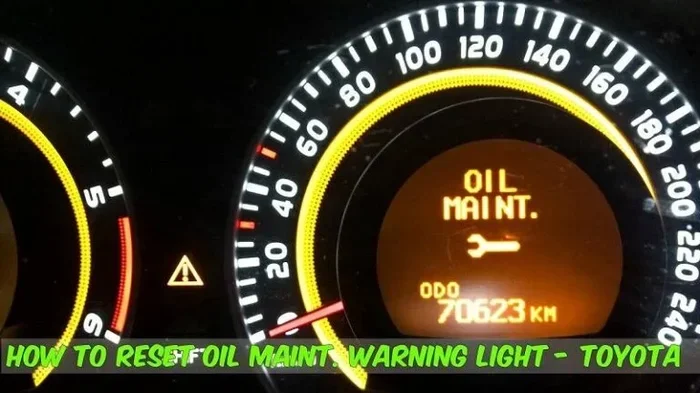
When the system determines that your oil has degraded to a point where it needs replacement, it will trigger a dashboard warning. This is much more accurate than following a simple mileage rule. Many drivers ask, how can I reset my oil life after completing service. The process is simple and usually involves holding a button on the steering wheel or dashboard for a few seconds. Check your owner manual for the exact steps for your model year.
When to Reset the Oil Life Monitor
After you get your oil changed, you should always reset the oil life monitor. If you do not reset it, the system will continue counting down from where it left off. This can cause confusion and may lead you to miss your next scheduled service. Resetting the monitor ensures accurate tracking for your next oil change interval. If you are unsure how to do this, a quick visit to your dealer or a YouTube tutorial for your specific Corolla model will walk you through it step by step.
Signs Your Toyota Corolla Needs an Oil Change
Even with an oil life monitor, it is good to know the physical signs that your Corolla needs fresh oil. Your car will tell you when something is wrong. You just need to pay attention.
Dark or Dirty Oil
Fresh oil is amber or golden in color. As it ages, it darkens and collects contaminants. You can check your oil level using the dipstick. If the oil on the dipstick looks very dark brown or black, it is time for a change. Clean oil should feel smooth, while old oil may feel gritty or gritty between your fingers.
Engine Noise and Knocking
Oil lubricates all the moving parts inside your engine. When oil gets old, it loses its ability to reduce friction. You may notice increased engine noise, knocking sounds, or a ticking noise when you start the car. These are clear signs that your oil is no longer protecting your engine properly.
Oil Pressure Warning Light
If the oil pressure warning light comes on your dashboard, do not ignore it. This light indicates that your oil level is too low or the oil pressure is insufficient. Driving with low oil pressure can cause catastrophic engine failure. Pull over safely and check your oil level immediately.
Reduced Fuel Economy
Old, dirty oil creates more friction inside the engine. This means your engine has to work harder, which burns more fuel. If you notice your Corolla gas mileage dropping without any other explanation, it could be time for an oil change. Fresh oil helps your engine run efficiently and can improve your fuel economy.
Burnt Oil Smell
If you smell a burnt or acrid odor coming from under the hood, your oil may be overheating. This can happen when oil has broken down and can no longer absorb heat properly. A burnt oil smell is a serious warning sign. Stop driving and check your oil level and condition right away.
Can You Go Too Long Without an Oil Change?
Some Corolla owners push their luck and skip oil changes for thousands of extra miles. While modern engines and oils are more durable than ever, going too long without an oil change is risky. Here is what can happen when you exceed the recommended oil change interval.
Engine Wear and Tear
Old oil loses its lubricating properties. Metal parts inside the engine start rubbing against each other without proper protection. Over time, this causes increased wear on bearings, cylinder walls, and other critical components. The damage is gradual but cumulative, and it can significantly shorten your engine’s lifespan.
Sludge Buildup
As oil breaks down, it forms sludge. This thick, dark substance clogs oil passages and prevents oil from reaching all parts of the engine. Sludge buildup is one of the leading causes of engine failure in neglected vehicles. It is especially common in engines that frequently experience short trips or stop-and-go driving.
Voided Warranty
If your Toyota Corolla is still under warranty, skipping oil changes or failing to follow the recommended maintenance schedule can void your coverage. Toyota requires owners to follow the maintenance schedule outlined in the owner manual. If an engine failure occurs and you cannot prove regular oil changes, Toyota may deny your warranty claim. This can cost you thousands of dollars in repairs.
Increased Repair Costs
A simple oil change costs between 30 and 75 dollars depending on the oil type and where you go. Engine repairs caused by neglected oil changes can cost hundreds or even thousands of dollars. The math is simple. Regular oil changes save you money in the long run by preventing expensive repairs.
How to Check Your Oil Level and Condition
Checking your oil is one of the easiest things you can do to maintain your Corolla. It only takes a few minutes and can prevent serious engine problems. Here is how to do it right.
Step-by-Step Oil Check Process
- Park on Level Ground: Make sure your car is parked on a flat surface and the engine is cool or has been off for at least 5 minutes.
- Locate the Dipstick: Open the hood and find the oil dipstick. It usually has a brightly colored handle.
- Pull and Wipe: Pull the dipstick out, wipe it clean with a paper towel or rag, and reinsert it fully.
- Check the Level: Pull the dipstick out again and look at the oil level. It should fall between the minimum and maximum marks.
- Inspect the Color: Look at the color of the oil on the dipstick. Amber means fresh oil. Dark brown or black means it is time for a change.
If you are unsure about the process, you can also refer to guides on how to check the oil level in my oil tank for additional tips and visual aids. Regular oil checks help you catch problems early and keep your engine running smoothly.
How Often Should You Get Your Oil Changed Based on Driving Style?
Your driving style plays a big role in determining your oil change frequency. Toyota categorizes driving into two types: normal and severe. Understanding which category you fall into helps you set the right oil change schedule for your Corolla.
Normal Driving Conditions
Normal driving means mostly highway or suburban driving at moderate speeds. If your daily commute is 20 to 40 miles on paved roads in moderate temperatures, you are likely in the normal driving category. For normal conditions, you can follow the standard oil change intervals recommended by Toyota.
Severe Driving Conditions
Severe driving includes any of the following:
- Frequent short trips of less than 5 miles in cold weather
- Stop-and-go traffic for extended periods
- Driving in extremely hot or cold climates
- Towing a trailer or carrying heavy loads
- Driving on dusty or unpaved roads
- Idling for long periods
If any of these apply to you, you should change your oil more frequently. Many experts recommend halving the standard interval for severe driving conditions. For example, if your Corolla normally goes 7,500 miles between changes, you should change it every 3,750 miles under severe conditions.
How Much Does an Oil Change for a Toyota Corolla Cost?
The cost of an oil change varies depending on the type of oil, your location, and where you get the service done. On average, a Toyota Corolla oil change costs between 40 and 100 dollars. Here is a quick comparison:
- Conventional Oil Change: $35 to $50
- Synthetic Blend Oil Change: $50 to $70
- Full Synthetic Oil Change: $65 to $100
Dealerships typically charge more than independent shops, but they use genuine Toyota parts and have trained technicians. If your Corolla is still under warranty, getting oil changes at the dealership ensures your service records are properly documented. For older models, an independent shop or a DIY oil change can save you significant money over time.
Expert Tips to Maximize Time Between Oil Changes
Want to get the most out of every oil change interval without compromising your engine health? Follow these expert tips:
- Use Quality Oil: Always use oil that meets Toyota’s specifications. Look for the Toyota Genuine Oil or oils that meet API SN or SP standards.
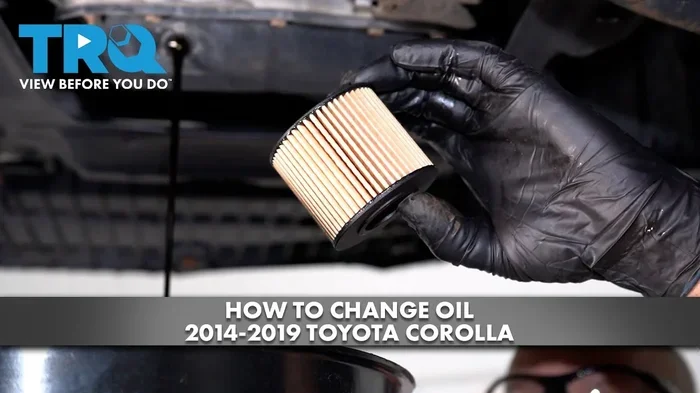
- Change Your Oil Filter: Replace the oil filter every time you change your oil. A clogged filter reduces oil flow and compromises engine protection.
- Monitor Your Oil Level: Check your oil level at least once a month. Top off if needed and watch for leaks.
- Keep Records: Maintain a log of every oil change with the date, mileage, and type of oil used. This helps you stay on track and proves maintenance for warranty claims.
- Address Leaks Promptly: If you notice oil spots under your car or a dropping oil level, get it checked immediately. Low oil levels cause engine damage fast.
- Follow the Oil Life Monitor: Trust your Corolla’s oil life monitor system. It is designed to give you accurate, personalized service reminders based on your actual driving conditions.
Common Mistakes People Make With Corolla Oil Changes
Even well-meaning Corolla owners make mistakes when it comes to oil changes. Here are the most common ones to avoid:
- Using the Wrong Oil: Not all oils are the same. Using the wrong viscosity or type can reduce engine performance and protection.
- Ignoring the Oil Life Monitor: Some drivers ignore the warning light and keep driving for thousands of extra miles. This is a risky habit that can damage your engine.
- Skipping Oil Filter Changes: The oil filter traps contaminants. If you do not replace it, the dirty oil circulates through your engine and negates the benefits of fresh oil.
- Overfilling the Oil: Too much oil can cause foaming and reduced lubrication. Always add oil in small increments and check the level frequently.
- Neglecting Oil Checks Between Changes: Just because it is not time for a full oil change does not mean you should ignore your oil level. Regular checks catch problems early.
Final Thoughts on Toyota Corolla Oil Change Intervals
So, how long can a Toyota Corolla go without an oil change? The short answer is between 5,000 and 10,000 miles for most models, depending on the oil type and driving conditions. But the real answer is that you should never push it too far. Regular oil changes are the single most important thing you can do to protect your engine and extend the life of your Corolla. Whether you drive a brand-new 2024 model or a trusty older Corolla, staying on top of your oil change schedule pays off in reliability, performance, and long-term savings.
Make it a habit to check your oil regularly, follow your oil life monitor, and never skip a scheduled service. Your Corolla will reward you with years of dependable driving. And remember, if you are ever unsure about the right oil type or interval for your specific model, your Toyota owner manual and a trusted mechanic are always your best resources. Take care of your engine, and it will take care of you for miles and miles down the road.
Frequently Asked Questions
How often should I change the oil in my Toyota Corolla?
Most Toyota Corolla models need an oil change every 5,000 to 10,000 miles, depending on the type of oil used and your driving conditions. Always refer to your owner manual for the exact interval recommended for your specific model year.
Can I use synthetic oil in my Toyota Corolla?
Yes, synthetic oil is compatible with most Toyota Corolla models, especially newer ones. Full synthetic oil can extend your oil change interval up to 10,000 miles and provides excellent engine protection in both hot and cold conditions.
What happens if I go too long without an oil change?
Going too long without an oil change causes the oil to break down and lose its lubricating properties. This leads to increased engine wear, sludge buildup, and potentially costly engine repairs. In worst cases, it can cause complete engine failure.
How do I reset the oil life monitor on my Toyota Corolla?
The reset process varies by model year but usually involves turning the ignition to the on position and pressing and holding a button on the steering wheel or dashboard until the indicator resets. Check your owner manual for the exact steps for your Corolla.
Is it okay to drive a Corolla with low oil?
No, driving with low oil is very dangerous for your engine. Oil lubricates moving parts and prevents metal-on-metal contact. Even a short drive with critically low oil can cause permanent engine damage.
Does the Toyota Corolla Hybrid need different oil changes than the gas model?
The Corolla Hybrid generally follows the same oil change intervals as the gas model. However, because the hybrid engine has unique characteristics, it is always best to confirm the oil type and interval in your owner manual or with a Toyota dealer.