How Long Does It Take to Replace Your Prius Battery
Replacing a Prius battery typically takes 2 to 4 hours for a standard swap at a dealership or shop. The actual time depends on your Prius model year, battery type, and whether you are replacing the high-voltage hybrid battery or the smaller 12V auxiliary battery. Labor costs, parts availability, and warranty coverage can all influence the timeline and overall expense.
Replacing a Prius battery is one of those jobs that car owners either dread or simply need to tackle. Whether your Toyota Prius is showing warning lights, failing to hold a charge, or simply not starting, the battery replacement process can feel overwhelming. But here is the good news: it is usually faster and more straightforward than most people expect.
In this guide, we will walk you through everything you need to know about how long it takes to replace a Prius battery. We will cover the different battery types, what affects the timeline, average costs, and whether you should do it yourself or visit a professional. By the end, you will have a clear picture of what to expect and how to plan accordingly.
The hybrid battery replacement time varies based on several factors. These include your Prius model year, the type of battery, the shop or dealership you visit, and whether any additional repairs are needed. Let us break it all down so you know exactly what you are getting into.
Key Takeaways
- Standard replacement time: Most Prius battery swaps take 2 to 4 hours at a qualified shop.
- Model matters: Older Gen 1 and Gen 2 models may take longer due to parts availability and design differences.
- Two battery types: The high-voltage hybrid battery and the 12V auxiliary battery have very different replacement procedures.
- Cost range: Expect to pay between $2,000 and $4,500 for a new hybrid battery, depending on the model.
- Warranty coverage: Many Toyota Prius batteries come with an 8-year or 100,000-mile warranty.
- DIY possible: Experienced DIYers can handle the 12V battery replacement, but the hybrid battery swap is best left to professionals.
📑 Table of Contents
- Understanding the Two Types of Prius Batteries
- How Long Does It Take to Replace Each Battery Type?
- Factors That Affect Replacement Time
- How Much Does It Cost to Replace a Prius Battery?
- Should You Replace the Battery Yourself or Go to a Professional?
- How to Extend Your Prius Battery Life
- Common Signs Your Prius Battery Needs Replacement
- What Happens After Battery Replacement?
- Final Thoughts on Prius Battery Replacement
Understanding the Two Types of Prius Batteries
Before we talk about replacement time, it helps to understand that a Prius has two separate batteries. This is a key detail many car owners overlook. Each battery serves a different purpose and has a very different replacement process.
The High-Voltage Hybrid Battery
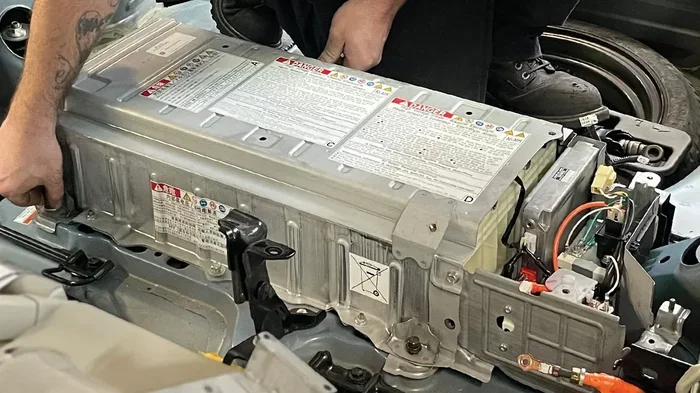
The high-voltage hybrid battery is the big one. It powers the electric motor that assists your gasoline engine. This battery pack sits in the rear of the vehicle and contains multiple modules. When people talk about replacing a Prius battery, they are usually referring to this one. It is a complex component that requires specialized tools and training to handle safely.
High-voltage batteries in Prius models typically last between 8 and 15 years, depending on driving habits and climate. Hot climates tend to degrade battery health faster. If you live in a region with extreme temperatures, you may notice battery degradation earlier than expected.
The 12V Auxiliary Battery
The 12V auxiliary battery is much smaller and simpler. It powers the car’s electronics, lights, and computer systems. Think of it like the battery in any conventional car. Replacing the 12V battery is a quick job that most people can do at home with basic tools.
The 12V battery usually lasts about 3 to 5 years. If your Prius has electrical issues, a dead 12V battery is often the culprit before you ever suspect the high-voltage pack. This is an important distinction to keep in mind when troubleshooting.
How Long Does It Take to Replace Each Battery Type?
This is the core question most Prius owners ask, and the answer depends entirely on which battery we are talking about. Let us look at both scenarios in detail.
High-Voltage Hybrid Battery Replacement Time
Replacing the high-voltage hybrid battery in a Prius typically takes 2 to 4 hours at a qualified shop or dealership. Here is a general breakdown of what that timeline looks like:
- Diagnosis and testing: 30 minutes to 1 hour. A technician will use diagnostic tools to confirm the battery is the problem and identify which modules are failing.
- Removing the old battery: 1 to 2 hours. This involves disconnecting the high-voltage service plug, removing the battery hold-downs, and carefully extracting the old pack.
- Installing the new battery: 1 to 2 hours. The new pack goes in, connections are secured, and the system is calibrated.
- Testing and registration: 30 minutes. The technician will run a full system check to make sure everything is working correctly.
For older Prius models like the Gen 1 and Gen 2, the process can sometimes take longer. Parts may be harder to find, and the battery compartment layout differs slightly from newer models. If you visit a Toyota dealership, they will have the latest parts and software updates, which can speed things up.
12V Auxiliary Battery Replacement Time
Replacing the 12V auxiliary battery is a much quicker job. In most cases, it takes 15 to 30 minutes. The battery is usually located under the hood or in the trunk, depending on your model year. You simply disconnect the terminals, remove the hold-down, swap in the new battery, and reconnect.
Many Prius owners handle this as a DIY project. You do not need specialized tools or high-voltage safety training. Just make sure you purchase the correct battery size and type for your specific Prius model.
Factors That Affect Replacement Time
While the average timelines give you a good baseline, several factors can push the replacement time longer or shorter. Understanding these variables helps you set realistic expectations and plan your schedule accordingly.
Your Prius Model Year
Newer Prius models, especially Gen 3, Gen 4, and the Prime variants, have more accessible battery compartments and updated electrical systems. This can shave time off the replacement process. Older models may require more disassembly to reach the battery pack, adding extra hours to the job.
Parts Availability
If you need a brand-new OEM battery from Toyota, the part may need to be ordered first. This can add days to the overall timeline, even though the actual labor time remains the same. Some shops stock refurbished or remanufactured batteries that can be installed immediately, cutting your wait time significantly.
Additional Repairs Needed
Sometimes, a dead or failing battery is a symptom of a larger issue. The battery management system, cooling fan, or voltage sensor may also need attention. If the technician discovers additional problems during the replacement, the job will naturally take longer.
Shop or Dealership Choice
A Toyota dealership will typically have factory-trained technicians and the latest diagnostic equipment. Independent shops that specialize in hybrids can also do excellent work, often at a lower cost. Your choice of service provider can influence both the quality of the work and the time it takes.
How Much Does It Cost to Replace a Prius Battery?
Cost is always a major factor when replacing a battery. The price varies widely depending on the battery type, model year, and where you go for service.
High-Voltage Hybrid Battery Cost
A new OEM high-voltage hybrid battery for a Prius typically costs between $2,000 and $4,500 for the parts alone. Labor adds another $500 to $1,500 depending on the shop. So the total cost usually falls in the range of $2,500 to $6,000.
Refurbished or remanufactured batteries are a more affordable option, often costing $1,200 to $2,500 for parts. These batteries have been tested, repaired, and come with their own warranty. They are a popular choice for budget-conscious Prius owners.
12V Auxiliary Battery Cost
The 12V auxiliary battery is much cheaper to replace. A new 12V battery costs between $100 and $250, and labor is minimal or free if you do it yourself. This is one of the easiest and most affordable maintenance tasks for any Prius owner.
| Battery Type | Parts Cost | Labor Cost | Total Cost | Replacement Time |
|---|---|---|---|---|
| High-Voltage Hybrid Battery | $2,000 – $4,500 | $500 – $1,500 | $2,500 – $6,000 | 2 – 4 hours |
| 12V Auxiliary Battery | $100 – $250 | $0 – $50 | $100 – $300 | 15 – 30 minutes |
Should You Replace the Battery Yourself or Go to a Professional?
This is a question every Prius owner faces at some point. The answer depends on which battery you are replacing and your comfort level with automotive work.
DIY: 12V Battery Replacement
Replacing the 12V auxiliary battery is a great DIY project. It requires no special tools, no high-voltage safety training, and very little mechanical knowledge. You can find replacement batteries at any auto parts store or online. The process is simple enough that most people complete it in under half an hour.
Just make sure you disconnect the negative terminal first and reconnect it last. This prevents short circuits and protects your car’s electrical system. If you are unsure, a quick YouTube tutorial specific to your Prius model year will walk you through every step.
Professional Service: High-Voltage Battery Replacement
The high-voltage hybrid battery replacement is a different story entirely. The high-voltage system in a Prius operates at several hundred volts, which can be extremely dangerous if handled improperly. Only trained professionals with the right equipment should work on this component.
Additionally, the replacement process requires proper calibration and system registration. A professional technician will have the software tools needed to complete these steps correctly. Attempting a DIY high-voltage battery swap can void your warranty and create serious safety risks.
If you are wondering whether to go to a dealership or an independent shop, both options have merit. Dealerships offer OEM parts and factory-trained technicians, while independent hybrid specialists often charge less and provide quality work. You can also check if your Toyota dealership offers loaner vehicles or shuttle service while your car is in the shop.
How to Extend Your Prius Battery Life
Nobody wants to replace their Prius battery sooner than necessary. The good news is that there are several things you can do to prolong battery life and keep your hybrid system running strong for years.
- Avoid extreme temperatures when possible. Park in shaded areas during hot weather and use a garage in winter. Extreme heat accelerates battery degradation.
- Drive regularly. A Prius that sits unused for long periods can experience battery drain and module imbalance. If you own a hybrid that sits without being driven for extended periods, consider using a battery maintainer.
- Monitor your battery health. Use a diagnostic tool or have your dealer check the battery state of health during routine service appointments.
- Follow the maintenance schedule. Regular service helps catch small issues before they become big problems. Creating a maintenance schedule for your Prius ensures you stay on top of all recommended services.
- Avoid deep discharges. Try not to let the battery level drop to zero regularly. This puts unnecessary stress on the battery modules.
Common Signs Your Prius Battery Needs Replacement
Catching battery problems early can save you time and money. Watch for these warning signs that your Prius battery may be failing:
- The check engine light or hybrid warning light illuminates on the dashboard.
- The battery gauge shows a low charge even after driving.
- The car struggles to start or loses power when idling.
- You notice a significant drop in fuel economy.
- The battery emits a sulfurous or rotten egg smell.
- You see visible swelling or damage to the battery pack.
If you notice any of these symptoms, have your vehicle inspected as soon as possible. Ignoring warning signs can lead to more extensive damage and higher repair costs. Some issues, like a failing voltage sensor, can mimic battery problems and are much cheaper to fix.
What Happens After Battery Replacement?
Once the new battery is installed, there are a few things to keep in mind. The hybrid system will need to relearn your driving patterns, which can take a few days of normal driving. During this period, you might notice slight changes in how the car feels or responds.
It is also important to have the new battery registered in the vehicle’s computer system. This step ensures the battery management system operates correctly and that your warranty remains valid. A professional technician will handle this during the installation process.
If you replaced the 12V battery, the car should start and function normally immediately. You may need to reset some radio presets or clock settings, but that is about it. The 12V battery is a simple swap with no system recalibration needed.
For those wondering whether a dead hybrid battery means the car is completely unusable, the answer is not always. In some cases, you can still drive a Prius with a bad hybrid battery on gasoline power alone, though performance will be significantly reduced. However, continuing to drive on a failing battery can cause further damage to the electrical system, so prompt replacement is always the better choice.
Final Thoughts on Prius Battery Replacement
Replacing a Prius battery does not have to be a daunting experience. Whether you are dealing with the high-voltage hybrid pack or the simple 12V auxiliary battery, understanding the process helps you make informed decisions. The high-voltage battery swap typically takes 2 to 4 hours, while the 12V replacement is a quick 15 to 30 minute job.
Cost is the bigger consideration for most owners. A new hybrid battery can set you back several thousand dollars, but refurbished options and warranty coverage can ease the financial burden. Always check your warranty status before paying for a replacement, as many Toyota Prius batteries are covered for 8 years or 100,000 miles.
The most important takeaway is to act quickly when you notice battery problems. Delaying a replacement can lead to more serious damage and higher repair bills. Whether you choose a dealership or an independent shop, prioritize quality service and genuine or certified parts for the best long-term results.
Frequently Asked Questions
Can I still drive my Prius with a dead hybrid battery?
In some situations, yes. A Prius can run on gasoline power alone if the hybrid battery fails, but performance will be significantly reduced. However, driving on a dead battery can cause further damage to the electrical system. It is best to replace the battery as soon as possible.
How long does a Prius hybrid battery last before needing replacement?
Most Toyota Prius hybrid batteries last between 8 and 15 years, depending on driving habits, climate, and maintenance. Regular driving and avoiding extreme temperatures can help extend battery life well beyond the average range.
Is it cheaper to replace a Prius battery at a dealership or an independent shop?
Independent shops that specialize in hybrids often charge less for labor and may offer refurbished battery options. Dealerships provide OEM parts and factory-trained technicians. Both can be good choices, so it is worth getting quotes from both before deciding.
Can I replace the 12V battery in my Prius myself?
Absolutely. The 12V auxiliary battery is easy to access and replace with basic tools. No special training or equipment is needed. Just make sure you purchase the correct battery size and follow proper disconnect/reconnect procedures.
Does Toyota cover Prius battery replacement under warranty?
Yes, Toyota typically covers the high-voltage hybrid battery with an 8-year or 100,000-mile warranty, whichever comes first. The 12V auxiliary battery is usually not covered under this warranty. Check your specific warranty terms for full details.
What should I do if my Prius battery has been sitting unused for a long time?
If your hybrid has been sitting without being driven for an extended period, the battery may be deeply discharged. In this case, you should have a professional assess the battery health before attempting to drive the vehicle. A deeply discharged battery may need charging or replacement depending on the extent of the damage.