How Do You Turn Off the Parking Brake on a Toyota Corolla
Turning off the parking brake on a Toyota Corolla is a simple process that every owner should know. Whether you have a traditional lever-style hand brake or an electronic push-button system, this guide walks you through each method with clear, easy-to-follow steps. We also cover common problems, maintenance tips, and when to seek professional help for your Toyota Corolla parking brake.
Every Toyota Corolla owner needs to know how to properly release the parking brake. It sounds simple, right? But there is more to it than just pulling a lever or pressing a button. Whether you are dealing with a stubborn brake, a warning light on your dash, or you are simply trying to learn your vehicle better, this guide has you covered. Let us walk through everything you need to know about your Toyota Corolla parking brake system.
The parking brake, also called the emergency brake or hand brake, is one of the most important safety features on your car. It keeps your vehicle stationary when parked, especially on hills or uneven surfaces. Understanding how it works and how to release it properly will keep you safe and prevent unnecessary wear on your braking system. In this article, we break down every method, every common problem, and every maintenance tip you need.
Key Takeaways
- Know Your System: Toyota Corolla models use either a lever-style hand brake or an electronic push-button parking brake, and the release method differs for each.
- Step-by-Step Release: Releasing the parking brake involves a simple pull, push, or press depending on your model year and brake type.
- Common Problems Exist: Stuck parking brakes, warning lights, and cable wear are frequent issues that Corolla owners may face over time.
- Regular Maintenance Matters: Keeping your Toyota Corolla parking brake properly adjusted and lubricated extends its lifespan and ensures safety.
- Safety First: Always release the parking brake before driving and apply it fully when parked, especially on inclines.
- DIY Fixes Work: Many parking brake issues can be resolved at home with basic tools and a little patience.
📑 Table of Contents
- Understanding the Parking Brake on a Toyota Corolla
- Step-by-Step Guide to Releasing the Parking Brake
- Common Parking Brake Problems and How to Fix Them
- When to Seek Professional Help for Your Parking Brake
- Maintaining Your Toyota Corolla Parking Brake System
- Quick Tips for Everyday Parking Brake Use
- Common Mistakes to Avoid
- Expert Insights on Toyota Corolla Parking Brake Care
- Key Takeaways
- Conclusion
Understanding the Parking Brake on a Toyota Corolla
Before you learn how to release the parking brake, it helps to understand what it is and how it works. The Toyota Corolla has evolved over the years, and so has its parking brake system. Older models use a traditional lever between the front seats, while newer models often feature an electronic push-button system. Both serve the same purpose, but the operation is different.
How the Parking Brake Works
The parking brake is a mechanical system that applies the rear brakes directly. When you pull the lever or press the button, a cable engages the rear brake pads or shoes. This holds the car in place without relying on the hydraulic brake system. It is a simple, reliable design that has been used in cars for over a century.
On older Toyota Corolla models, the system uses a cable connected to a lever inside the cabin. When you pull the lever up, the cable tightens and presses the brake shoes or pads against the rear rotors or drums. On newer models, an electronic motor actuates the same process when you press the button. Either way, the goal is the same: keep your car from rolling away.
Types of Parking Brakes in Toyota Corolla Models
There are two main types of parking brakes you will find in a Toyota Corolla. Knowing which one you have is the first step to releasing it correctly.
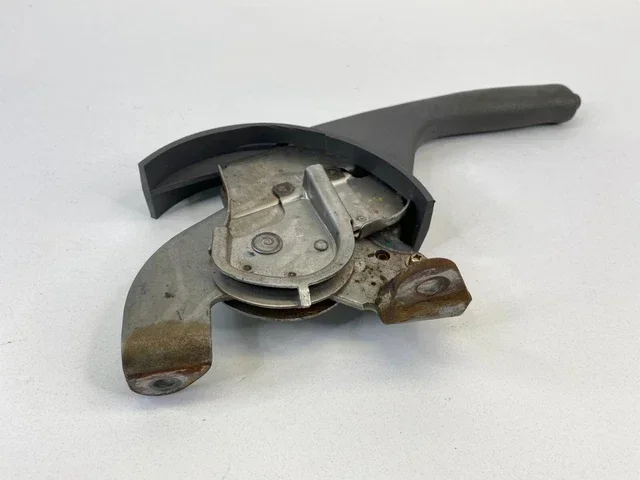
- Lever-Style Hand Brake: This is the traditional lever found between the driver and passenger seats. You pull it up to engage and push the release button to disengage. This type is common in older Corolla models and some newer base trims.
- Electronic Push-Button Parking Brake: This is found in newer Toyota Corolla models, especially those with higher trim levels. You simply press the button to engage or release the brake. Some models also feature a hold function that keeps the brake engaged at stoplights.
Both systems are effective, but they require different release techniques. Knowing which type your car has will save you time and frustration every time you get behind the wheel.
Step-by-Step Guide to Releasing the Parking Brake
Now let us get into the practical part. Here is exactly how to release the parking brake on your Toyota Corolla, whether you have the lever or the electronic version.
Releasing the Lever-Style Parking Brake
If your Toyota Corolla has a traditional lever between the seats, follow these steps:
- Sit in the driver seat and make sure the car is in park (or in first gear if you drive a manual transmission).
- Locate the parking brake lever between the driver and passenger seats. It is usually a small metal lever with a button on the top.
- Press the release button on top of the lever with your thumb.
- Lower the lever down with your hand until it clicks into the fully released position.
- Check the dashboard warning light. The parking brake indicator should turn off once the brake is fully released.
That is it. It takes just a few seconds. If the lever feels stiff or does not move easily, do not force it. There may be an underlying issue we will cover later in this guide.
Releasing the Electronic Push-Button Parking Brake
If your Toyota Corolla has the electronic parking brake, the process is even simpler:
- Start the engine or make sure the car is in accessory mode.
- Press the parking brake button located near the center console or steering column area.
- Watch for the indicator light on the dashboard to turn off.
- Confirm the brake is released by gently trying to move the car forward.
Some newer Toyota Corolla models also have an auto-release feature. This means the parking brake automatically releases when you press the gas pedal and the car is in drive. This is a convenient feature, but it is still good to know how to manually release the brake if needed.
For comparison, some drivers also wonder about other Toyota features like turning off steering assist in a Toyota. While that is a different system, the concept is similar, you are managing a driver-assist feature that can be toggled on or off.
Common Parking Brake Problems and How to Fix Them
Even the best Toyota Corolla parking brake systems can develop problems over time. Here are the most common issues you might encounter and what you can do about them.
Stuck or Seized Parking Brake
A stuck parking brake is one of the most frustrating problems a car owner can face. You press the release button or push the lever down, but the brake will not let go. This usually happens because the cable has rusted, corroded, or become stuck due to lack of use.
Here is what you can try at home:
- Try pulling the lever up slightly while pressing the release button. Sometimes a little extra movement helps free the cable.
- Tap the brake pedal a few times while attempting to release the parking brake. This can help loosen the rear brake pads.
- Apply a cable lubricant to the parking brake cable. This is a simple fix that prevents future sticking.
- Drive the car slowly back and forth a few feet. The movement can sometimes free a slightly stuck cable.
If none of these steps work, it is time to visit a mechanic. A seized parking brake cable may need to be replaced entirely.
Parking Brake Warning Light Stays On
If the parking brake warning light on your dashboard stays on even after you have released the brake, there could be a few reasons:
- The brake is not fully released. Double-check that the lever is all the way down or the button is fully depressed.
- Low brake fluid level. The warning light can also indicate low brake fluid. Check your fluid reservoir under the hood.
- A sensor issue. The sensor that detects the parking brake position may be faulty and need replacement.
If you check the fluid and the light still stays on, have a professional inspect the sensor and the entire Toyota Corolla brake system.
Squealing or Grinding When Releasing the Brake
Strange noises when releasing the parking brake are never a good sign. A squealing sound usually means the brake pads are worn and need replacement. A grinding noise suggests the pads are completely worn down and metal is grinding against metal. Both situations require immediate attention to prevent further damage to your rear brakes.
When to Seek Professional Help for Your Parking Brake
While many parking brake issues can be resolved at home, some problems require professional attention. You should see a mechanic if:
- The parking brake cable is visibly frayed or damaged. A damaged cable is a safety hazard and must be replaced immediately.
- The brake does not hold the car on an incline. If your Toyota Corolla rolls when the parking brake is engaged, the cable may need adjustment or the rear brakes may need servicing.
- You notice a burning smell after driving. This could mean the parking brake is dragging and not fully releasing, which can damage the rear brakes quickly.
- The dashboard warning light flashes or behaves erratically. Electrical issues with the electronic parking brake system need professional diagnosis.
Regular maintenance checks at a trusted Toyota dealership can prevent most of these problems from becoming serious. If you are wondering whether you can take your vehicle to any Toyota dealership for service, the answer is generally yes, as any Toyota dealership can service your vehicle under warranty or for routine maintenance.
Maintaining Your Toyota Corolla Parking Brake System
Prevention is always better than repair. Keeping your Toyota Corolla parking brake in good shape will extend its life and keep you safe on the road. Here are the best maintenance practices every Corolla owner should follow.
Regular Inspection and Adjustment
Have your parking brake inspected during every oil change or tire rotation. A mechanic can check the cable tension, the brake pad wear, and the overall condition of the system. A simple adjustment can prevent the cable from stretching too far and losing its holding power.
Keep the Cables Lubricated
The parking brake cable is exposed to road grime, salt, and moisture. Over time, this can cause rust and stiffness. Apply a cable lubricant every 12 months or whenever you notice the lever feeling stiff. This one simple step can prevent a seized cable and costly repairs.
Use the Parking Brake Every Time
It might seem obvious, but many drivers skip using the parking brake, especially on flat ground. Using the parking brake every time you park helps keep the cable tensioned and the system functioning properly. It also takes the stress off the transmission, which is especially important for automatic vehicles.
Follow the Recommended Maintenance Schedule
Creating a consistent maintenance schedule for your Toyota Corolla ensures that all systems, including the parking brake, receive proper attention at the right intervals. You can learn how to build a personalized schedule in our guide on how to create a maintenance schedule that fits your driving habits and vehicle needs.
Check the Brake Fluid
The parking brake system relies on the same brake fluid as the main hydraulic brakes. Low brake fluid can affect the parking brake performance. Make it a habit to check your brake fluid level monthly, especially if you notice any changes in how the parking brake feels when you engage or release it.
For more tips on keeping your Toyota Corolla running smoothly, check out our article on whether you can use 5W 30 oil in a Toyota Corolla, which covers another important aspect of regular vehicle maintenance.
Quick Tips for Everyday Parking Brake Use
Here are some quick, practical tips to keep in mind every time you use the parking brake on your Toyota Corolla:
- Always release the parking brake before driving. Driving with the parking brake engaged can damage the brake pads, rotors, and even the engine over time.
- On steep hills, turn your wheels toward the curb. This adds an extra layer of safety in case the parking brake fails.
- Do not use the parking brake as a substitute for the foot brake. The parking brake is designed for parking, not for emergency stopping while driving.
- In winter, be gentle when releasing the brake. Ice and cold can freeze the cable, making it harder to release. Let the car warm up slightly before attempting to release a frozen parking brake.
- Test the parking brake regularly. Once a month, engage the brake and try to push the car forward. If it moves easily, the cable may need adjustment.
Common Mistakes to Avoid
Even experienced drivers make mistakes with their parking brakes. Here are the most common ones to avoid:
- Forgetting to release the parking brake before driving. This is the most common mistake and can cause serious damage to the rear brakes and tires.
- Relying only on the parking brake on steep hills. Always use wheel wedges or turn your wheels in addition to engaging the parking brake on steep inclines.
- Ignoring warning signs. A squealing noise, a sticking lever, or a dashboard warning light should never be ignored. Address these issues promptly to avoid costly repairs.
- Using the parking brake in extreme cold without warming up. Frozen cables can break if you force them. Always let your car warm up in cold weather.
Expert Insights on Toyota Corolla Parking Brake Care
Automotive experts agree that the parking brake is one of the most overlooked maintenance items on any vehicle. According to certified Toyota technicians, the parking brake cable on a Toyota Corolla should be inspected and adjusted every 15,000 to 20,000 miles. This simple check can prevent the cable from stretching beyond its adjustment range and losing holding power.
Experts also recommend replacing the parking brake cables every 50,000 miles or whenever you notice signs of wear, such as a loose lever, slow engagement, or a cable that does not retract fully. The cost of a cable replacement is far less than the cost of repairing damaged rear brakes caused by a dragging parking brake.
Another expert tip is to avoid driving with the parking brake partially engaged. Even a slight engagement creates friction that wears down the rear brake pads unevenly. Over time, this can lead to premature brake replacement and reduced braking performance on all four wheels.
Key Takeaways
- Know Your System: Toyota Corolla models use either a lever-style hand brake or an electronic push-button parking brake, and the release method differs for each.
- Step-by-Step Release: Releasing the parking brake involves a simple pull, push, or press depending on your model year and brake type.
- Common Problems Exist: Stuck parking brakes, warning lights, and cable wear are frequent issues that Corolla owners may face over time.
- Regular Maintenance Matters: Keeping your Toyota Corolla parking brake properly adjusted and lubricated extends its lifespan and ensures safety.
- Safety First: Always release the parking brake before driving and apply it fully when parked, especially on inclines.
- DIY Fixes Work: Many parking brake issues can be resolved at home with basic tools and a little patience.
- Professional Help Is Available: When DIY fixes do not work, a trusted mechanic or Toyota dealership can diagnose and repair the issue quickly.
Conclusion
Knowing how to turn off and release the parking brake on a Toyota Corolla is essential knowledge for every owner. Whether your car has a traditional lever or an electronic push-button system, the process is quick and straightforward once you know what to do. Regular maintenance, proper use, and prompt attention to warning signs will keep your parking brake working reliably for years to come.
Do not wait until a problem arises to learn about your vehicle. Take a few minutes today to familiarize yourself with your Toyota Corolla parking brake system. Check the cable, test the release mechanism, and make sure the dashboard indicator is working correctly. These small habits make a big difference in safety and vehicle longevity.
If you ever feel unsure about a parking brake issue, do not hesitate to consult a professional. A qualified mechanic can quickly diagnose and fix any problem, giving you peace of mind every time you hit the road. Your Toyota Corolla is a reliable car, and with proper care, it will continue to serve you well for many miles ahead.
Frequently Asked Questions
How do I know if my Toyota Corolla has a lever or electronic parking brake?
Check the area between the driver and passenger seats. If you see a small metal lever with a button on top, you have a lever-style parking brake. If you see a push button near the center console or steering column, you have an electronic parking brake. You can also check your owner’s manual for confirmation.
Can I drive my Toyota Corolla with the parking brake partially engaged?
No, you should never drive with the parking brake partially engaged. Even slight engagement creates friction that wears down the rear brake pads and can cause overheating. Always make sure the parking brake is fully released before driving.
Why does my Toyota Corolla parking brake warning light stay on after I release it?
This can happen if the brake is not fully released, if the brake fluid is low, or if a sensor is malfunctioning. Check that the lever is all the way down or the button is fully pressed first. If the light persists, have a mechanic inspect the system.
How often should I have my Toyota Corolla parking brake inspected?
Most Toyota technicians recommend inspecting the parking brake every 15,000 to 20,000 miles. Regular inspection ensures the cable is properly tensioned and the brake pads are wearing evenly. This simple check can prevent costly repairs down the road.
What should I do if the parking brake cable on my Toyota Corolla freezes in winter?
Do not force the lever or button. Instead, let your car warm up for a few minutes and gently try releasing the brake again. You can also apply a cable lubricant designed for cold weather to prevent future freezing. If the cable is damaged, have it replaced by a professional.
Is it normal for the parking brake to make a clicking sound when I release it?
Yes, a light clicking sound is completely normal and is simply the sound of the mechanism disengaging. However, if you hear grinding, squealing, or loud clunking noises, it could indicate worn brake components or a loose cable that needs attention.