How Long Does a Toyota Camry Alternator Last Really
A Toyota Camry alternator typically lasts between 80,000 and 150,000 miles, or about 7 to 10 years under normal driving conditions. However, your driving habits, climate, and maintenance routine can push that number higher or lower. This guide breaks down everything you need to know about Toyota Camry alternator lifespan, warning signs, replacement costs, and simple tips to keep your charging system running strong for years to come.
Key Takeaways
- Average Lifespan: Most Toyota Camry alternators last 80,000 to 150,000 miles, depending on driving conditions and maintenance.
- Warning Signs Matter: Dim headlights, dashboard warnings, and unusual noises are early clues that your alternator may be failing.
- Maintenance Helps: Regular maintenance schedule checks can catch alternator issues before they leave you stranded.
- Replacement Cost: Expect to pay between $300 and $700 for parts and labor, varying by model year and location.
- Driving Habits Count: Short trips, extreme temperatures, and electrical accessories all affect how long your alternator lasts.
📑 Table of Contents
- How Long Does a Toyota Camry Alternator Last Really?
- What Does a Toyota Camry Alternator Do?
- Average Lifespan of a Toyota Camry Alternator
- Warning Signs Your Toyota Camry Alternator Is Failing
- What Affects Toyota Camry Alternator Lifespan?
- Toyota Camry Alternator Replacement Cost and Process
- How to Extend Your Toyota Camry Alternator Life
- Common Mistakes That Shorten Alternator Life
- Expert Insights on Toyota Camry Alternator Longevity
- Final Thoughts on Toyota Camry Alternator Lifespan
How Long Does a Toyota Camry Alternator Last Really?
If you own a Toyota Camry, you already know this car has a reputation for reliability. But even the best vehicles have parts that wear out over time. One of those parts is the alternator. It works quietly behind the scenes, keeping your battery charged and your electrical system running. So how long does a Toyota Camry alternator last really? The short answer is somewhere between 80,000 and 150,000 miles. But the full answer is a lot more interesting.
Your alternator is a small but mighty component. It converts mechanical energy into electrical energy every time your engine runs. Think of it as the power station for your car’s electrical system. Without a working alternator, your battery alone cannot keep up. Lights dim, electronics glitch, and eventually your car stalls. Understanding how long this part lasts and what affects its lifespan can save you time, money, and a lot of headaches on the road.
In this guide, we will walk through everything you need to know. From average lifespan numbers to warning signs, replacement costs, and simple maintenance tips. Whether you drive a 2010 Camry or a 2023 model, this article has useful information for you. Let us dive in and learn how to keep your Toyota Camry charging system in top shape.
What Does a Toyota Camry Alternator Do?
Before we talk about lifespan, it helps to understand the job your alternator does. When your engine is running, the alternator generates electricity. It sends that electricity to recharge your battery and power all the electrical accessories in your car. This includes your headlights, radio, power windows, air conditioning, and even your fuel injection system.
The Charging System Basics
Your car’s charging system has three main parts: the battery, the alternator, and the voltage regulator. The battery gives your car the initial jolt of power to start. Once the engine is running, the alternator takes over. The voltage regulator controls the flow of electricity so nothing gets overloaded. Together, these parts keep your car running smoothly every single day.
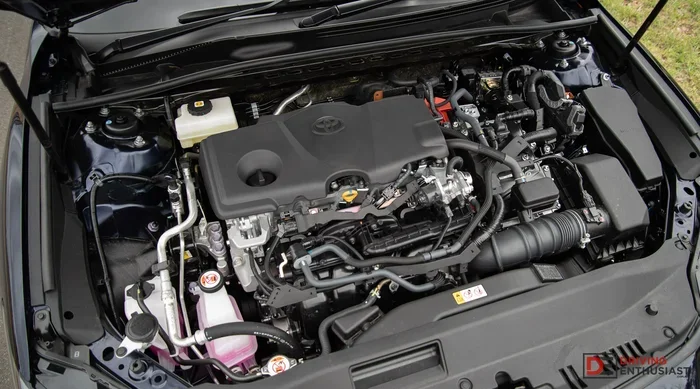
The alternator is driven by a serpentine belt connected to the engine crankshaft. As the engine spins, the belt turns the alternator rotor. This spinning motion creates alternating current, which then gets converted to direct current your car can use. It is a simple but brilliant design that has powered Toyota vehicles for decades.
Average Lifespan of a Toyota Camry Alternator
Now let us get to the heart of the question. How long does a Toyota Camry alternator last? Most alternators are designed to last between 80,000 and 150,000 miles. On average, you can expect about 7 to 10 years of service from a single alternator. However, these numbers are not set in stone. Your real-world experience may vary quite a bit depending on several factors.
Mileage vs. Age
Mileage matters more than age in most cases. A Camry that sits in a garage and gets driven only on weekends might have an alternator that lasts 12 years or more. But a daily commuter that racks up 15,000 miles per year could wear out an alternator in just 5 or 6 years. The key is how much work the alternator does, not simply how much time passes.
For comparison, think about other long-lasting car components. Many people ask how many miles a Chevy Tahoe lasts, and the answer depends on similar factors: maintenance, driving style, and conditions. The same logic applies to your Toyota Camry alternator. Treat it well, and it will serve you a long time.
Model Year Differences
Different Toyota Camry model years may have slightly different alternator specifications. Newer models from 2018 onward often come with more electrical demands. Features like infotainment systems, backup cameras, and advanced driver assistance systems all draw power. This means the alternator works harder than it did in older models. That extra workload can sometimes shorten the alternator’s effective lifespan.
On the other hand, Toyota has improved alternator design over the years. Newer units are often more efficient and durable. They handle electrical loads better and generate less heat during operation. So while modern Camrys have more electrical demands, they also have better-built alternators to meet those demands.
Warning Signs Your Toyota Camry Alternator Is Failing
Catching alternator problems early can save you from a frustrating breakdown. Your car usually gives you plenty of warning signs before an alternator completely fails. Learning to recognize these signals is one of the best things you can do as a car owner.
Dashboard Warning Lights
The first sign many drivers notice is the battery warning light on the dashboard. This light looks like a small battery icon and usually illuminates when the charging system detects a problem. Do not ignore this light. It means your alternator is not charging your battery properly, and you are running on battery power alone.
Dim or Flickering Lights
Notice your headlights dimming when you slow down or your dashboard lights flickering? This is a classic sign of a failing alternator. When the alternator cannot produce enough electricity, your car prioritizes essential systems. The lights are among the first things to suffer because they are not critical for engine operation.
Unusual Sounds
A healthy alternator runs quietly. If you hear a grinding or whining noise coming from the engine area, pay attention. These sounds often mean the alternator bearings are wearing out. Sometimes the serpentine belt slipping over a worn alternator pulley causes a squealing noise, especially when you first start the car or turn on the air conditioning.
Electrical Accessories Acting Up
Power windows slowing down, the radio cutting out, or your phone charger not working properly can all point to alternator trouble. These symptoms happen because the alternator cannot supply enough power to run everything at once. If you notice multiple electrical issues happening at the same time, get your charging system checked soon.
Battery Problems
Here is a tricky part. A failing alternator often mimics battery problems. Your battery dies frequently, and you replace it, only to have the new one die too. This happens because the alternator is not recharging the battery between trips. If you find yourself replacing batteries more often than normal, the alternator might be the real culprit.
What Affects Toyota Camry Alternator Lifespan?
Not all alternators wear out at the same rate. Several factors determine how long your specific alternator will last. Understanding these factors can help you take steps to protect your charging system.
Driving Habits
How you drive has a big impact on alternator health. Short trips are especially hard on alternators. On a short drive, the alternator barely has time to fully recharge the battery. The battery starts each trip slightly lower than it should be, and the alternator works overtime to catch up. Over time, this constant partial charging cycle wears out the alternator faster than normal.
On the flip side, long highway drives allow the alternator to work at a steady, efficient pace. The battery gets fully recharged, and the electrical system operates smoothly. If you mostly drive short distances around town, consider taking a longer drive once a week to give your charging system a chance to fully recharge.
Climate and Temperature
Extreme heat and extreme cold both take a toll on your alternator. High temperatures under the hood accelerate wear on internal components. The diodes and bearings inside the alternator degrade faster when exposed to excessive heat for long periods. Cold weather makes the battery work harder, which means the alternator has to produce more electricity to keep up.
Living in a hot climate? Your alternator might need closer attention. Regularly checking the cooling system and keeping the engine bay clean can help reduce heat buildup around the alternator and other components.
Electrical Accessories and Load
Every electrical accessory you use adds load to the alternator. Aftermarket LED lights, upgraded audio systems, roof racks with lights, and dash cameras all draw extra power. If you have added accessories to your Camry, your alternator is working harder than it was designed to. This extra demand can shorten its lifespan over time.
Factory accessories like heated seats, dual-zone climate control, and infotainment systems also add to the load. But Toyota engineers account for these in the alternator design. Aftermarket additions are where things get tricky. If you have added several accessories, consider having your charging system tested regularly.
Belt and Pulley Condition
The serpentine belt that drives your alternator plays a surprisingly important role. A worn or loose belt causes the alternator to spin inconsistently. This inconsistent spinning leads to uneven electrical output and extra stress on the alternator internals. Replacing the serpentine belt at recommended intervals is an easy and inexpensive way to protect your alternator.
Overall Vehicle Maintenance
Regular maintenance keeps your entire vehicle running better, including the alternator. Clean battery terminals, proper belt tension, and a healthy electrical system all contribute to alternator longevity. When you create a maintenance schedule for your Camry, include charging system checks as part of the routine. A simple voltage test at each oil change can catch small problems before they become big expenses.
Toyota Camry Alternator Replacement Cost and Process
If your alternator has failed or is showing serious signs of wear, you will likely need to replace it. Knowing what to expect for cost and process helps you plan and avoid surprises.
Parts and Labor Costs
The cost to replace a Toyota Camry alternator typically ranges from $300 to $700. The parts alone usually cost between $150 and $350, depending on whether you choose a new or remanufactured unit. Labor costs range from $150 to $350, varying by mechanic and location. Some independent shops offer lower rates than dealerships, but dealerships often provide warranties on both parts and labor.
For older Camry models, parts are generally cheaper and more widely available. Newer models may have slightly higher costs due to more advanced alternator designs and the need for specialized tools during installation.
DIY vs. Professional Replacement
If you are handy with tools, replacing a Camry alternator is a manageable DIY project. The process involves removing the serpentine belt, disconnecting the electrical connections, unbolting the alternator, and installing the new unit. Most people can complete the job in one to two hours with basic hand tools.
However, if you are not comfortable working under the hood, it is perfectly fine to leave this job to a professional. A qualified mechanic will diagnose the problem correctly, install the right part, and test the entire charging system before you drive away. The peace of mind is worth the extra cost for many owners.
OEM vs. Aftermarket Parts
When replacing your alternator, you have two main options: OEM (original equipment manufacturer) parts or aftermarket parts. OEM parts are made by the same supplier Toyota uses. They match the exact specifications of your original alternator. Aftermarket parts are made by third-party manufacturers and are often more affordable.
For the best long-term reliability, OEM or high-quality aftermarket parts are recommended. A cheap alternator might save you money upfront but could fail again in a year or two. Think of it as an investment in your vehicle’s reliability.
How to Extend Your Toyota Camry Alternator Life
The good news is that you can take practical steps to help your alternator last longer. Small habits and regular checks make a big difference over the life of your vehicle.
Keep Your Battery Healthy
A weak battery puts extra strain on the alternator. When the battery cannot hold a proper charge, the alternator has to work harder to compensate. Regularly check your battery terminals for corrosion, and clean them with a baking soda and water solution if needed. Most Toyota batteries last 4 to 5 years, so plan for replacement before they fail completely.
Check the Serpentine Belt Regularly
Inspect your serpentine belt for cracks, fraying, or glazing. A belt in good condition ensures the alternator spins smoothly and efficiently. Most manufacturers recommend replacing the serpentine belt every 60,000 to 100,000 miles, but inspect it at every oil change for early signs of wear.
Avoid Overloading the Electrical System
Be mindful of how many electrical accessories you run at once. If you have aftermarket devices installed, make sure they are properly wired and fused. Avoid running high-draw accessories like heated seats, powerful audio systems, and additional lighting all at the same time for extended periods.
Listen to Your Car
Your car talks to you if you listen. Unusual sounds, dimming lights, or slow cranking are all messages from your vehicle. Address these symptoms promptly rather than ignoring them. Catching a weak alternator early can prevent a complete failure and the inconvenience of being stranded.
If you are also curious about how long other vehicle components last, many owners ask whether replacing a transmission extends the life of a car. The answer is similar to alternator care: regular maintenance and timely replacements keep your vehicle running longer and stronger.
Common Mistakes That Shorten Alternator Life
Avoiding these common mistakes can significantly extend the life of your Toyota Camry alternator.
- Ignoring dashboard warning lights: That battery light means something is wrong. Driving with it on risks complete alternator failure.
- Neglecting belt maintenance: A worn serpentine belt causes the alternator to work inefficiently and can damage the unit over time.
- Jump-starting incorrectly: Always follow proper jump-start procedures. Incorrect cable connections can send voltage spikes that damage the alternator.
- Using cheap replacement parts: Low-quality alternators may fail quickly and even damage other electrical components in the process.
- Skipping regular inspections: A simple charging system test during routine maintenance can catch problems weeks before they become emergencies.
Expert Insights on Toyota Camry Alternator Longevity
Automotive experts agree that the Toyota Camry is one of the most reliable sedans on the road. The alternator is no exception. With proper care and attention, most Camry owners can expect their alternator to last well beyond the 100,000-mile mark. Toyota engineers designed the Camry with durability in mind, and that philosophy extends to every component, including the charging system.
Mechanics who specialize in Toyota vehicles often report seeing Camry alternators last 150,000 miles or more in well-maintained examples. The key is consistent care and addressing small issues before they escalate. Your alternator works hard every time you turn the key, and it deserves the same attention you give to oil changes and tire rotations.
One thing many owners overlook is the connection between the alternator and the overall electrical health of the vehicle. A single weak component can create a chain reaction of problems. For instance, a failing voltage regulator can damage the alternator, and a weak alternator can destroy a new battery. Keeping the entire electrical system in balance is the best strategy for long-term reliability.
Final Thoughts on Toyota Camry Alternator Lifespan
So how long does a Toyota Camry alternator last really? With proper care and normal driving conditions, you can expect 80,000 to 150,000 miles or about 7 to 10 years. But remember, your driving habits, climate, and maintenance routine all play a role in determining your real-world experience.
The best approach is proactive rather than reactive. Pay attention to warning signs, keep up with regular maintenance, and address electrical issues promptly. Your Toyota Camry is built to last, and with a healthy alternator, it will continue to serve you reliably for many miles to come. Take care of your charging system, and it will take care of you.
Whether you are a first-time Camry owner or have driven this trusted sedan for years, understanding your alternator helps you stay ahead of potential problems. Keep this guide handy, share it with fellow Camry enthusiasts, and drive with confidence knowing you have the knowledge to keep your car running strong.
Frequently Asked Questions
How do I know if my Toyota Camry alternator is going bad?
Common signs include a battery warning light on the dashboard, dim or flickering headlights, unusual grinding or whining noises from the engine area, and electrical accessories acting erratically. If you notice any of these symptoms, have your charging system tested right away to avoid getting stranded.
Can I drive my Toyota Camry with a bad alternator?
You can drive a short distance on battery power alone, but it is not recommended. Once the battery drains, your car will stall and you will not be able to restart it. Replace a failing alternator as soon as possible to avoid being left on the side of the road.
How much does it cost to replace a Toyota Camry alternator?
Most owners pay between $300 and $700 for alternator replacement, including parts and labor. The exact cost depends on your model year, whether you choose OEM or aftermarket parts, and where you have the work done. Independent shops often charge less than dealerships.
How often should I have my alternator checked?
Having your charging system tested at every oil change is a good practice. This simple check takes only a few minutes and can catch early signs of alternator wear. If you notice any warning signs between services, do not wait, get it checked immediately.
Does a Toyota Camry alternator last longer than other brands?
Toyota Camry alternators are known for their durability and often outlast alternators in many competing vehicles. With proper maintenance, a Camry alternator can easily reach 150,000 miles or more. Toyota’s reputation for reliability extends to the charging system components.
What is the difference between a new and remanufactured alternator?
A new alternator is freshly manufactured with all new parts, while a remanufactured unit is rebuilt using a combination of new and recycled components. New alternators typically come with a longer warranty and more predictable performance. Remanufactured units are more affordable but may have a shorter lifespan.