How Do I Create a Maintenance Schedule for Beginners
Creating a maintenance schedule is one of the simplest ways to protect your investment and avoid costly repairs. This guide walks you through everything from setting oil change intervals to tracking seasonal checks. You will learn how to build a personalized plan that fits your driving habits and budget.
Keeping your car in good shape does not need to feel overwhelming. A maintenance schedule gives you a clear roadmap of what to do and when to do it. Without one, it is easy to forget important tasks until something goes wrong.
Whether you drive a brand-new sedan or a used truck, a solid plan keeps your vehicle safe and reliable. This guide breaks everything down into simple steps you can follow right away. By the end, you will know exactly how to build a schedule that works for you.
Key Takeaways
- Start with your owner’s manual: It contains the manufacturer-recommended service intervals for every major system.
- Track mileage and dates: Both matter when scheduling oil changes, tire rotations, and inspections.
- Use digital tools or a simple spreadsheet: They make it easy to stay on top of upcoming tasks.
- Factor in your driving conditions: Stop-and-go city driving demands more frequent maintenance than highway driving.
- Don’t skip seasonal checks: Tires, fluids, and wipers need attention before extreme weather hits.
- Consistency saves money: A regular schedule prevents small problems from becoming expensive repairs.
📑 Table of Contents
- Why a Maintenance Schedule Matters
- Gather Your Starting Information
- Build Your Maintenance Schedule Step by Step
- Handle Dashboard Warning Lights Like a Pro
- Tackle DIY Maintenance Tasks
- Create a Seasonal Maintenance Routine
- Common Mistakes to Avoid When Scheduling Maintenance
- Keep Your Schedule Fresh and Flexible
Why a Maintenance Schedule Matters
Think of a maintenance schedule like a calendar for your car. It reminds you when to check things before they become big problems. Skipping regular care often leads to breakdowns that cost hundreds or even thousands of dollars to fix.
Regular upkeep also keeps your car running smoothly on the road. You get better fuel economy, fewer surprises, and a vehicle that lasts longer. Studies show that cars with consistent maintenance schedules need fewer major repairs over their lifetime.
Beyond savings, there is a safety factor too. Worn brakes, low fluid levels, and tired tires can all lead to accidents. A good schedule helps you catch these issues early. You protect yourself, your passengers, and everyone else on the road.
The Cost of Ignoring Maintenance
Let us talk numbers for a moment. A routine oil change might cost around $50. But ignore that oil change and you could face a seized engine. Repairing or replacing an engine can cost anywhere from $4,000 to $8,000 or more.
Tire rotations are another great example. Rotating your tires every 5,000 to 7,500 miles is free or very cheap at most shops. Skip this, and you might end up replacing all four tires far sooner than needed. That is an easy $400 to $800 you could have avoided.
Small tasks add up to big savings over time. The key is staying consistent and not letting things slide. A simple schedule keeps you accountable and on track.
Gather Your Starting Information
Before you build a schedule, you need a few key pieces of information. These basics make the whole process much easier. You do not need any special tools or mechanical skills to get started.
Check Your Owner’s Manual
Your vehicle’s owner manual is the single best resource you have. It contains the factory maintenance schedule recommended by the manufacturer. This schedule lists every service interval for your specific make and model.
Look for sections titled “Maintenance” or “Scheduled Service.” You will find details about oil changes, fluid flushes, belt replacements, and more. Write down the key intervals so you can reference them later.
If you do not have a physical copy, most manufacturers offer free digital versions on their websites. You can also search for your year, make, and model online to find the manual. It is worth keeping a copy in your glove box for quick reference.
Know Your Driving Habits
Not all driving is the same. How you use your car affects how often you need service. Someone who commutes 30 miles each day on the highway has different needs than someone who makes short trips around town.
Ask yourself a few questions:
- Do you drive mostly city streets or highway roads?
- How many miles do you cover each week?
- Do you tow a trailer or carry heavy loads?
- Do you drive in extreme heat or cold?
- Is your car stored outside or in a garage?
Your answers help you adjust the factory schedule to fit your real-world conditions. For example, many manufacturers define “severe driving” conditions that call for more frequent service. If your daily commute involves lots of stop-and-go traffic, you may fall into this category.
Build Your Maintenance Schedule Step by Step
Now comes the fun part. You are going to create a plan that keeps your car in top shape. Follow these steps to build a schedule you can actually stick with.
Step 1: List Your Routine Services
Start by listing every service your car needs regularly. These are the tasks that appear in your owner manual’s maintenance schedule. Common items include:
- Oil and filter changes every 5,000 to 7,500 miles (or per manufacturer guidelines)
- Tire rotations every 5,000 to 7,500 miles
- Brake inspections every 15,000 miles
- Transmission fluid change every 30,000 to 60,000 miles
- Coolant flush every 30,000 miles
- Air filter replacement every 15,000 to 30,000 miles
- Cabin air filter replacement every 15,000 to 30,000 miles
- Spark plug replacement every 30,000 to 100,000 miles
- Battery check every 6 months
Not every car needs all of these at the same frequency. Use your owner manual to determine what applies to your vehicle. Write each task down with its recommended interval.
Step 2: Set Mileage and Time-Based Triggers
Most maintenance tasks are triggered by mileage. But some also depend on time. For instance, your brake fluid often needs replacing every two years, even if you have not hit the mileage mark yet.
Create two columns in your tracking system. One column tracks mileage. The other tracks dates. This way, you will catch tasks that are due by either measure. It is a simple system that works incredibly well.
Here is a quick example of how this looks in practice:
- Oil change: every 5,000 miles or every 6 months, whichever comes first
- Tire rotation: every 7,500 miles
- Battery test: every 6 months
- Coolant flush: every 30,000 miles or every 2 years
The “whichever comes first” rule is important. It prevents you from pushing a time-based service too far past its deadline.
Step 3: Choose Your Tracking Method
You need a way to track your schedule. There are several great options, and you can pick what works best for your lifestyle.
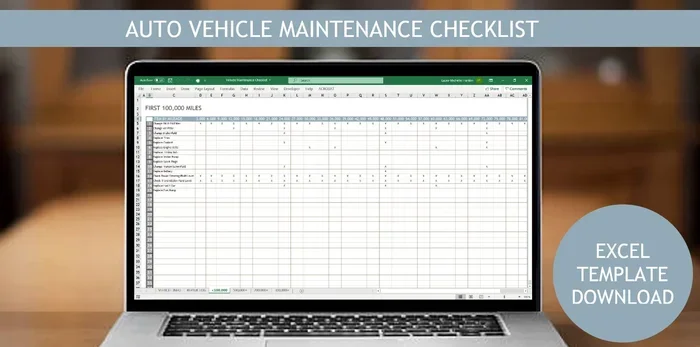
Option 1: A simple spreadsheet. Google Sheets or Excel works perfectly. Create columns for the service, mileage, due date, and completion status. You can set reminders to alert you when a task is coming up.
Option 2: A maintenance app. Apps like CarMinder, AutoCare, or even your car’s built-in system can track everything for you. Many apps send push notifications when a service is due. Some even let you log receipts and service history.
Option 3: A physical notebook. If you prefer pen and paper, keep a small log in your glove box. Write down each service with the date and mileage. It is old-fashioned but effective.
Option 4: Your dealer or shop’s reminders. Many service centers will send you text or email reminders. This is convenient, but do not rely on it alone. Keep your own backup record too.
Pick one method and commit to it. The best system is the one you will actually use consistently.
Handle Dashboard Warning Lights Like a Pro
Dashboard lights can be confusing, especially when multiple symbols appear at once. Understanding what each one means helps you respond quickly and appropriately. Some lights signal routine maintenance, while others demand immediate attention.
Maintenance Required Light vs Check Engine Light
These two lights often get mixed up, but they mean very different things. The maintenance required light is a simple reminder that your car is due for scheduled service, such as an oil change. It typically resets after the service is complete. You can also learn more about how it differs from the check engine light in our detailed guide on the difference between a check engine light and maintenance required light.
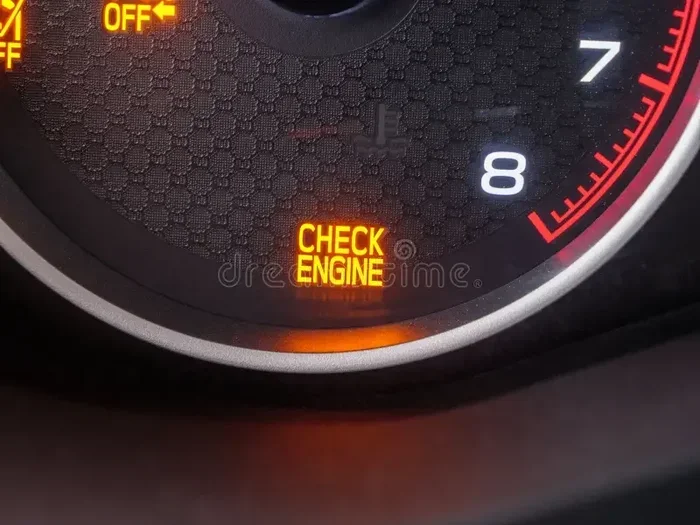
The check engine light, on the other hand, signals a problem detected by your car’s computer system. It could be something minor like a loose gas cap or something serious like a misfiring engine. When this light comes on, do not ignore it. Get your car checked as soon as possible.
Other Warning Lights to Know
Beyond these two, there are a few other lights you should recognize:
- Oil pressure warning: Stop immediately and check your oil level. Driving with low oil can destroy your engine.
- Battery light: This suggests a charging system issue. Get it tested before your car refuses to start.
- Tire pressure monitoring: Low tire pressure affects safety and fuel economy. Check your tires right away.
- Brake warning: This could mean low brake fluid or worn brake pads. Do not delay inspection.
Knowing what each light means helps you prioritize your response. It also prevents unnecessary panic when a yellow symbol pops up on your dash.
Tackle DIY Maintenance Tasks
You do not need to be a mechanic to handle basic maintenance. Many tasks are simple enough for any car owner. Doing them yourself saves money and builds your confidence.
Easy Tasks Anyone Can Do
Start with these beginner-friendly tasks. They require minimal tools and no special training:
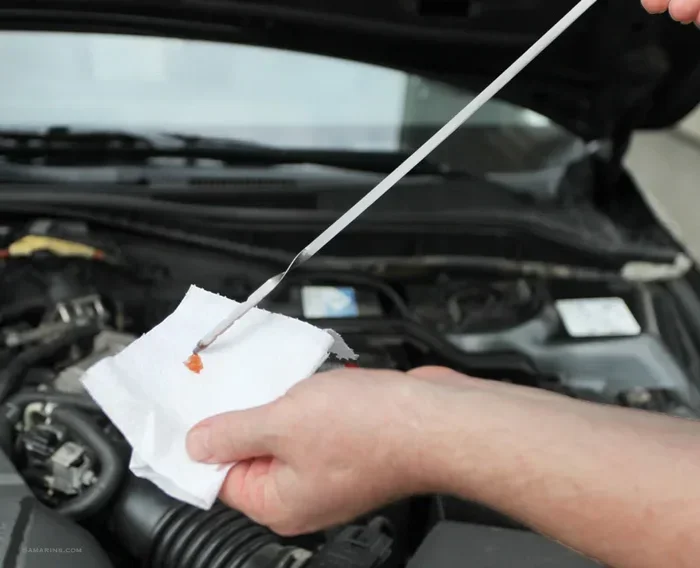
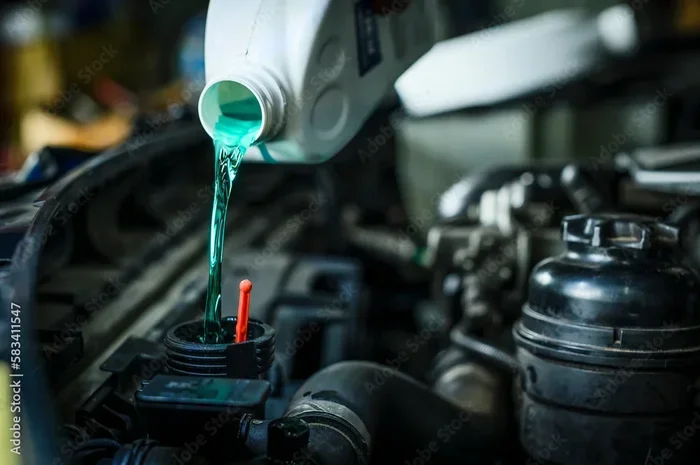
- Checking and topping off fluids: Engine oil, coolant, brake fluid, and windshield washer fluid. All you need is the correct fluid type and a clean funnel.
- Replacing windshield wiper blades: You do not need any special tools for this. Just pull the old blade off and slide the new one on. Our guide on whether you need a tool to change windshield wipers shows you how simple it really is.
- Checking tire pressure: A $15 pressure gauge is all you need. Compare the reading to the number on your driver’s side door jamb.
- Replacing cabin air filters: Most cars have an easily accessible filter behind the glove box. A quick swap takes about five minutes.
- Testing your battery: A digital multimeter lets you check voltage in seconds. A healthy battery reads around 12.6 volts when the engine is off.
When to Call a Professional
While DIY tasks save money, some jobs are best left to trained technicians. Anything involving safety-critical systems like brakes, steering, and airbags should be handled by a professional. Complex electrical diagnostics and engine work also warrant expert attention.
That said, you can still be an informed customer. When you take your car in, ask questions. Ask what work is needed and why. Ask for a written estimate before any work begins. Knowledge is your best defense against being overcharged.
Create a Seasonal Maintenance Routine
Seasons bring different challenges for your vehicle. Adjusting your maintenance schedule with the weather keeps you safe and prepared. A quick seasonal checklist ensures nothing slips through the cracks.
Spring and Summer Checks
As the weather warms up, focus on these areas:
- Check your air conditioning system to make sure it blows cold air before the heat arrives
- Inspect your tires for uneven wear and proper pressure
- Top off all fluids, especially coolant for hot weather driving
- Check your windshield wipers after winter wear
- Inspect belts and hoses for cracks or wear
Fall and Winter Checks
Cold weather demands different preparations:
- Test your battery before freezing temperatures arrive
- Switch to winter tires if you live in a snowy area
- Check your heating system to ensure it works properly
- Use a winter-grade windshield washer fluid
- Verify your defroster and lights are working well
These seasonal checks take just a few hours each year. They make a huge difference in safety and comfort. Plus, they help you spot small issues before they become big problems.
Common Mistakes to Avoid When Scheduling Maintenance
Even the best intentions can lead to errors when planning car care. Watch out for these common pitfalls that trip up many car owners.
Following Generic Advice Instead of Your Manual
Internet forums and friends will give you all kinds of advice. But your owner manual is tailored to your specific vehicle. It knows your engine, transmission, and systems better than anyone else. Always start with the manufacturer’s recommendations and adjust from there based on your driving conditions.
Ignoring Time-Based Intervals
Mileage is not the only factor. Time matters too. If you drive only 3,000 miles a year, you still need to change your oil at least once a year. Fluids degrade over time regardless of mileage. Set calendar reminders for time-based services so you do not forget them.
Skipping Records
Every service you perform deserves a record. Write down the date, mileage, what was done, and who did it. This log is valuable for warranty claims, resale value, and diagnosing future problems. A messy record-keeping habit comes back to haunt you when you need it most.
Waiting Until Something Breaks
Reactive maintenance is expensive maintenance. By the time a part fails, other components may already be damaged. A proactive schedule catches worn parts before they cause chain-reaction failures. It is always cheaper and safer to stay ahead of problems.
Keep Your Schedule Fresh and Flexible
A maintenance schedule is not set in stone. As your car ages or your driving habits change, your needs will evolve. Review your schedule every few months and adjust as needed. Add new tasks that become relevant and remove ones that no longer apply.
Stay curious about your vehicle. Read up on common issues for your make and model. Join online communities where owners share tips and experiences. The more you know, the better you can care for your car.
Remember, a well-maintained car is a safer, more reliable, and more valuable car. Every hour you spend on your schedule pays you back many times over. Start small, stay consistent, and enjoy the peace of mind that comes with being a prepared car owner.
Frequently Asked Questions
How often should I change my oil?
Most modern cars need an oil change every 5,000 to 7,500 miles or every six months, whichever comes first. However, always check your owner manual because some vehicles with synthetic oil can go longer between changes. The best practice is to follow your manufacturer’s specific recommendation.
Can I create a maintenance schedule for a used car?
Absolutely. Used cars often need a more aggressive maintenance plan, especially if the previous service history is unknown. Start with a full inspection and baseline service, then follow the factory schedule from that point forward. A good schedule keeps any vehicle running its best.
What is the easiest way to track my maintenance schedule?
A simple spreadsheet or a free maintenance app works great for most people. You just log each service with the date and mileage, and set reminders for upcoming tasks. The easiest method is whichever one you will actually use on a regular basis.
Do I really need to follow the factory maintenance schedule?
Yes, the factory schedule is designed specifically for your vehicle’s engine and systems. Following it helps maintain your warranty and keeps your car running reliably. You can always adjust intervals based on your driving conditions, but do not skip recommended services entirely.
What happens if I miss a scheduled oil change?
Missing one oil change occasionally is not a disaster, but repeated missed changes can lead to engine wear and sludge buildup. Oil breaks down over time and loses its ability to lubricate properly. If you miss a service, schedule it as soon as possible rather than waiting for the next due date.
Should I do my own maintenance or visit a shop?
It depends on the task and your comfort level. Simple jobs like checking fluids, changing wipers, and replacing cabin filters are easy DIY tasks. More complex work like brake repairs or diagnostics is best handled by a professional. A good approach is to do what you can yourself and rely on a trusted shop for the rest.
=== CONCLUSION ===
Creating a maintenance schedule does not have to be complicated. Start with your owner manual, list your routine services, and pick a tracking method that suits your lifestyle. Stay consistent with both mileage and time-based triggers, and do not ignore dashboard warning lights.
Small, regular efforts protect your car and your wallet. Whether you handle tasks yourself or visit a shop, the key is to stay proactive. A well-planned schedule gives you confidence every time you turn the key.
Take a few minutes today to write down your first schedule. Your future self and your vehicle will thank you for it. Stay on top of your maintenance, and your car will reward you with years of reliable service.