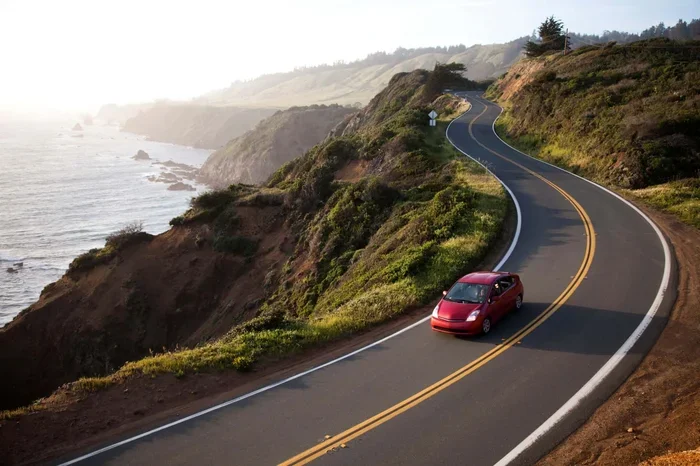
A Car Is Travelling Along the Road at 8ms Explained
A car travelling along the road at 8ms is moving at roughly 29 km/h or 18 mph. This speed is common in residential areas, school zones, and urban roads where safety matters most. Understanding this velocity helps drivers grasp stopping distances, reaction times, and real-world driving dynamics.
Key Takeaways
- 8 m/s equals about 29 km/h or 18 mph: a moderate, safe urban driving speed.
- Reaction time and braking distance change at this speed: knowing these numbers keeps you safer.
- Speed conversions are simple: multiply m/s by 3.6 to get km/h.
- 8 m/s is typical in residential and school zones: it matches posted speed limits in many areas.
- Factors like road conditions and vehicle weight affect how a car moves at 8ms: stay aware.
- Practical tips help you gauge speed without a dashboard: use landmarks and time markers.
- Understanding vehicle speed at 8m/s builds better driving habits: knowledge is your best tool.
📑 Table of Contents
- What Does It Mean When a Car Is Travelling Along the Road at 8ms?
- How Fast Is 8ms in Everyday Terms?
- Distance and Time: How Far Does a Car Travel at 8ms?
- Safety Considerations at 8 Meters Per Second
- Factors That Affect How a Car Moves at 8ms
- Practical Tips for Gauging Speed Without a Dashboard
- Why Understanding 8ms Matters for Everyday Driving
- Conclusion
What Does It Mean When a Car Is Travelling Along the Road at 8ms?
You have probably seen a car cruising down a quiet street and wondered how fast it was actually going. When we say a car is travelling along the road at 8ms, we are talking about a specific speed measurement. The “8ms” stands for 8 meters per second. It is a unit of speed used in physics and everyday driving discussions.
But what does 8 meters per second really feel like behind the wheel? It is not dangerously fast. It is not painfully slow either. Think of it as the speed you might drive through a neighborhood or past a school during drop-off hours. It is that sweet spot where you have enough time to react to surprises but still make good progress on your trip.
A car travelling along the road at 8ms covers about 8 meters every single second. To put that in perspective, a standard parking space is about 4.5 meters long. So in one second, the car passes almost two parking spaces. In one minute, it travels nearly 480 meters. That is about five football fields.
Understanding this speed matters for more than just curiosity. It helps you judge distances, estimate arrival times, and stay safe on the road. Whether you are a new driver or someone who just wants to understand speed better, this guide covers everything you need to know.
Why Speed Units Matter
Different countries use different speed units. The United States uses miles per hour. Most other countries use kilometers per hour. Scientists and physicists prefer meters per second. When you see 8ms, it is a metric measurement that tells you exactly how much ground the car covers each second.
The beauty of meters per second is its simplicity. It breaks speed down into very small, easy-to-understand chunks. Instead of thinking about how far you go in an hour, you think about how far you go in one second. This makes mental math much easier when you are trying to estimate distance or time on the road.
How Fast Is 8ms in Everyday Terms?
Numbers like “8 meters per second” can feel abstract. Most drivers think in kilometers per hour or miles per hour. So let us convert a car travelling along the road at 8ms into units you use every day.
Here is the quick math. To convert meters per second to kilometers per hour, you multiply by 3.6. So 8 times 3.6 equals 28.8. That rounds to about 29 km/h. In miles per hour, 8 m/s is approximately 17.9 mph, or about 18 mph.
8ms in km/h is 28.8 km/h. 8ms in mph is about 18 mph. These are very manageable speeds. They are well within the limits of most residential streets and quiet urban roads.
Comparing 8ms to Common Speed Limits
To give you a clearer picture, here is how 8 meters per second stacks up against typical speed limits you encounter every day:
- Residential streets: Often limited to 25-30 mph (40-50 km/h). 8ms at 18 mph is well under this limit.
- School zones: Usually 15-25 mph (25-40 km/h). 8ms fits perfectly within most school zone limits.
- Urban city roads: Typically 30-50 km/h. 29 km/h sits right in the lower range.
- Highways: Usually 100-120 km/h or 60-75 mph. 8ms is much slower than highway speeds.
So when a car is moving at 8ms, it is driving at a pace that prioritizes safety and control. It is the kind of speed you would use when navigating tight corners, dealing with pedestrians, or driving in poor weather conditions.
Distance and Time: How Far Does a Car Travel at 8ms?
One of the most useful things about understanding speed is being able to predict distance and time. When a car is travelling along the road at 8ms, the math is straightforward and practical.
Calculating Distance at 8 Meters Per Second
Distance equals speed multiplied by time. This is one of the most basic formulas in motion physics. At 8 m/s, a car covers 8 meters every second. Here are some practical examples:
- In 1 second: The car travels 8 meters. That is about the length of a small car.
- In 5 seconds: The car covers 40 meters. About the length of a basketball court.
- In 10 seconds: The car moves 80 meters. Roughly the length of a soccer field.
- In 1 minute: The car travels 480 meters or nearly half a kilometer.
- In 1 hour: The car would cover 28.8 kilometers or about 18 miles.
These numbers are not just academic exercises. They have real-world value. If you are approaching a crosswalk and see a pedestrian 40 meters away, you know you have about 5 seconds to react if you are going 8 m/s. That is a meaningful window, but it is not a lot of room for error.
Time Estimates for Common Trips
Let us say you need to drive 1 kilometer at a steady 8ms. How long will it take? Since 8 meters per second means 480 meters per minute, you would cover 1 kilometer in roughly 2 minutes and 5 seconds. A 5-kilometer trip would take about 10 minutes. These estimates help you plan your daily commute and understand why speed choices matter.
Safety Considerations at 8 Meters Per Second
Safety is the most important reason to understand your speed. When a car is travelling along the road at 8ms, there are specific safety factors you should keep in mind. Even moderate speeds can cause serious accidents if you are not paying attention.
Reaction Time and Braking Distance
The average human reaction time is about 1.5 seconds. At 8 m/s, during that 1.5-second reaction window, the car travels 12 meters before you even touch the brake pedal. Then the braking distance kicks in. On a dry road, a typical car traveling at 29 km/h needs about 8 to 10 meters to come to a complete stop.
That means your total stopping distance at 8ms is roughly 20 to 22 meters. That is about the length of two cars parked end to end. It sounds short, but at 18 mph, that is all the space you have to avoid a collision.
Now imagine wet roads or icy conditions. Braking distance can double or even triple. A car moving at 8 meters per second on a wet road might need 30 meters or more to stop. This is why speed awareness is so important, even at what seems like a slow pace.
Pedestrian Safety at 8ms
Research shows that pedestrians hit by a car traveling at 29 km/h (about 8ms) have a much higher chance of survival than those hit at 50 km/h. The risk is still real, though. A car at 8ms can cause serious injury, especially to children or elderly pedestrians. This is exactly why school zones and residential areas enforce lower speed limits.
- Always scan for pedestrians when driving through neighborhoods.
- Reduce speed further in bad weather or low visibility.
- Keep a safe following distance even at moderate speeds like 8 m/s.
Factors That Affect How a Car Moves at 8ms
Speed is not the only factor that determines how a car behaves on the road. Several elements influence the experience of a car travelling along the road at 8ms. Understanding these factors makes you a smarter, safer driver.
Road Conditions
The surface of the road plays a huge role. A smooth, dry asphalt road gives tires the best grip. A wet road reduces traction significantly. Gravel, ice, or painted road markings can make stopping even harder. When driving at 8 meters per second, you should always adjust your speed based on road conditions.
Even at a modest speed like 8 m/s, hydroplaning is possible on waterlogged roads. Your tires can lose contact with the pavement, and steering becomes unresponsive. This is why experienced drivers slow down before puddles and reduce speed on unfamiliar road surfaces.
Vehicle Weight and Type
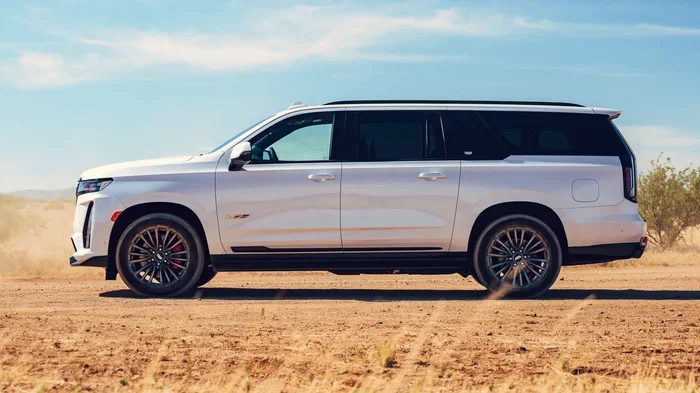
A heavy SUV takes longer to stop than a lightweight sedan, even at the same speed. The physics are simple: more mass means more kinetic energy, which requires more force to stop. When a car is travelling along the road at 8ms, a loaded truck or a full-size SUV will need a greater braking distance than a small compact car.
This does not mean you should avoid larger vehicles. It simply means you should be aware of the differences and adjust your following distance accordingly. Give heavy vehicles more room, especially when braking.
Tire Condition and Quality
Worn tires lose grip faster than new ones. Tire tread depth directly affects how well a car can brake and corner. At 8ms, good tires make a noticeable difference in stopping distance. All-season tires perform well in most conditions, but summer tires offer better grip on dry roads, and winter tires excel on snow and ice.
Quick Tip: Check your tire tread depth regularly. A simple coin test can tell you if your tires are still safe. Replace tires when the tread wears down to 2 millimeters or less.
Driver Awareness and Focus
No matter how slow you are going, distraction is dangerous. A car at 8 meters per second can cover 12 meters in the time it takes to glance at a phone. That is enough distance to hit a pedestrian, a cyclist, or another vehicle. Stay focused. Keep your eyes on the road and your hands on the wheel.
Practical Tips for Gauging Speed Without a Dashboard
Not everyone has a perfectly calibrated speedometer. Sometimes you need to estimate your speed using landmarks, time, and observation. These practical tips help you understand when you are close to 8ms without relying entirely on your dashboard.
Use Landmarks and Time Markers
Pick a fixed object on the roadside, like a telephone pole or a tree. Count how many seconds it takes to pass between two objects that are a known distance apart. If you pass two poles that are 80 meters apart in 10 seconds, you are traveling at 8 m/s. This is a simple and effective way to estimate your speed.
Count Your Steps
An average person walks at about 1.4 meters per second. A car at 8 m/s is moving roughly 5.7 times faster than a walking person. If you stand on the sidewalk and watch a car pass, you can get a rough sense of its speed by comparing it to your own walking pace.
Use the Feel of the Road
Experienced drivers develop a sense of speed through vibration, engine sound, and road feel. At 8 m/s, the engine hum is gentle. The vibration from the road is mild. The car feels relaxed and controlled. If the ride starts to feel more intense, you may be going faster than you think.
Why Understanding 8ms Matters for Everyday Driving
A car is travelling along the road at 8ms more often than you might realize. This speed appears in school zones, residential neighborhoods, construction areas, and parking lots. It is the speed limit in many quiet streets and village roads around the world.
Understanding this speed helps you in several ways:
- Better time management: You can estimate arrival times more accurately.
- Improved safety awareness: You understand stopping distances and reaction windows.
- Smoother driving: You maintain a consistent, controlled pace.
- Fuel efficiency: Moderate speeds like 8 m/s often improve fuel economy compared to stop-and-go driving.
- Reduced wear on your vehicle: Steady moderate speeds are gentler on brakes, tires, and engine components.
When you truly grasp what 8 meters per second means, you become a more confident and aware driver. You stop guessing and start knowing. That knowledge translates directly into safer roads for everyone.
Conclusion
A car travelling along the road at 8ms is moving at a manageable, safe, and practical speed. At roughly 29 km/h or 18 mph, this velocity is common in residential areas, school zones, and urban environments. Understanding what 8 meters per second means in terms of distance, time, and safety empowers you as a driver.
From reaction times and braking distances to road conditions and vehicle factors, many elements influence how a car behaves at this speed. The key takeaway is simple: even moderate speeds demand attention, awareness, and respect for the road. Use the tips and insights in this guide to sharpen your driving skills and stay safe every time you get behind the wheel.
Next time you see a car cruising past at what feels like a leisurely pace, remember: that driver might be going exactly 8 meters per second. And now, so do you.
Frequently Asked Questions
What is 8ms in km/h?
8 meters per second equals 28.8 kilometers per hour. To convert, simply multiply the m/s value by 3.6. So when a car is travelling at 8ms, it is moving at just under 29 km/h.
Is 8ms a fast speed for a car?
Not at all. 8ms is about 18 mph or 29 km/h, which is a moderate speed. It is typical for residential streets, school zones, and urban roads where safety and control are priorities.
How far does a car travel in 10 seconds at 8ms?
A car moving at 8 meters per second covers 80 meters in 10 seconds. That is roughly the length of a soccer field or about 260 feet. This distance grows quickly, which is why maintaining awareness is so important.
What is the braking distance at 8ms?
On a dry road, a typical car traveling at 8ms needs about 8 to 10 meters to stop after the brakes are applied. Including reaction time, the total stopping distance is around 20 to 22 meters. On wet roads, this distance increases significantly.
Can a car at 8ms cause a serious accident?
Yes. Even at 8 meters per second, a car carries enough kinetic energy to cause injury or damage. Pedestrians, cyclists, and other vehicles are all at risk. This is why speed limits in residential and school zones exist, even at relatively low speeds.
How can I estimate my speed without a speedometer?
Use fixed landmarks and a timer. Measure a known distance, like 80 meters between two poles, and count seconds. If it takes 10 seconds, you are traveling at 8ms. You can also compare your speed to a walking pace, since 8ms is about 5.7 times faster than the average walking speed.