The Story of a Family of Six Members Who Bought a Car
A family of six members bought a car after months of research, test drives, and careful budgeting. Their story reveals the real challenges and joys of finding a spacious, safe, and affordable vehicle for a big family. From choosing the right type of car to navigating financing and insurance, every step taught them something valuable. This article walks you through their entire journey and offers practical advice you can use.
It all started on a rainy Tuesday morning. A family of six members bought a car after years of squeezing into a sedan that was never meant for their growing household. There were two parents, four kids, and a dog who all needed a safe ride every single day. The old car had served them well, but it was time for a change. The trunk could barely fit a grocery bag, let alone a week’s worth of supplies. Car seats took up most of the back seat, and the eldest child had to share a booster seat with no room to spare.
This family knew they needed a serious upgrade. They wanted something spacious, reliable, and safe. But they also wanted to stay within their budget. The journey to find the right vehicle was not easy. It took weeks of research, dozens of dealership visits, and many late-night conversations about finances. In the end, their story became a roadmap for any large family facing the same decision. A family of six members bought a car wisely, and their experience can teach you a lot.
Buying a car for a big family is one of the biggest purchases most people will ever make. It affects your daily routine, your wallet, and your quality of life. That is why it is so important to approach the process with a clear plan. This article breaks down every step of their journey. You will learn about the factors they considered, the mistakes they avoided, and the lessons they picked up along the way. Whether you are a family of four or a family of eight, these insights will help you make a smarter car buying decision.
Key Takeaways
- Know your family size: A family of six needs a vehicle with seating for at least six, plus cargo space for daily essentials.
- Budget matters most: Setting a clear budget before shopping prevents overspending and financial stress.
- Safety features are non-negotiable: Large families should prioritize advanced safety tech like blind-spot monitoring and child seat anchors.
- Test drive multiple options: Never buy a big family car without test driving it with all passengers in mind.
- Consider total ownership costs: Fuel, insurance, maintenance, and financing all add up over time.
- Resale value counts: Choosing a car with strong resale value protects your investment down the road.
- Patience pays off: Rushing the car buying process often leads to buyer’s remorse.
📑 Table of Contents
- Why a Family of Six Needs the Right Vehicle
- How They Found the Perfect Vehicle
- Key Factors They Considered Before Buying
- The Car Buying Process Step by Step
- Living with a Big Family Car: Real-Life Insights
- Common Mistakes to Avoid When Buying a Family Car
- Expert Insights on Family Car Buying
- Key Takeaways
- Conclusion
Why a Family of Six Needs the Right Vehicle
When you have six people in your household, every car purchase becomes a major decision. A regular compact car simply will not work. You need space, comfort, and safety for everyone on board. The wrong vehicle can turn every morning commute into a stressful experience. A family of six members bought a car that fits their lifestyle, and you can too.
Space and Comfort for Everyone
Think about your daily routine. You need room for car seats, strollers, backpacks, sports gear, and grocery bags. A cramped vehicle makes everyone uncomfortable. Kids complain about tight seats. Parents struggle to buckle in younger children. Over time, this discomfort affects your mood and your daily energy.
A large family vehicle solves these problems. It gives each passenger their own space. It allows room for all the gear that comes with raising kids. The family of six members bought a car with three rows of seating, which made a huge difference in their daily life. Every trip became more pleasant.
Safety Should Always Come First
Safety is the number one concern for any parent. A big family means more kids to protect on the road. You need a vehicle with strong crash ratings and advanced safety features. Look for cars with blind-spot monitoring, lane departure warnings, and multiple airbags. Child seat anchors are also essential for younger kids.
The family in our story prioritized safety above all else. They researched crash test ratings for every vehicle they considered. They read reviews from other parents. They wanted to know that their kids would be protected in any situation. This careful approach helped them choose a car that kept their whole family safe.
Fuel Efficiency and Running Costs
A big family drives a lot. Between school drop-offs, work commutes, and weekend trips, the mileage adds up fast. Fuel costs can eat into your monthly budget if you are not careful. That is why fuel efficient family car options should be at the top of your list.
The family we are following looked at both gas mileage and total ownership costs. They compared insurance rates for different models. They checked maintenance costs online. They even estimated resale value before making their final choice. Smart planning saved them thousands of dollars over the years.
How They Found the Perfect Vehicle
The search for a new car took the family several months. They did not rush into anything. Instead, they followed a structured process that helped them compare options and make a confident decision. Here is how they did it.
Step One: Defining Their Needs
Before visiting a single dealership, the family sat down and made a list. They wrote down exactly what they needed from a vehicle. Their list included seating for six, cargo space, fuel efficiency, safety ratings, and a price range. This simple step saved them a lot of time later on.
They also thought about their lifestyle. Did they take long road trips? Did they need all-wheel drive for winter weather? These questions shaped their search. Defining your needs before shopping is one of the best car shopping tips you can follow.
Step Two: Researching Options
Once they knew what they needed, the family started researching. They read articles, watched video reviews, and joined online forums for large family vehicles. They compared models side by side. They paid attention to both expert reviews and real owner feedback.
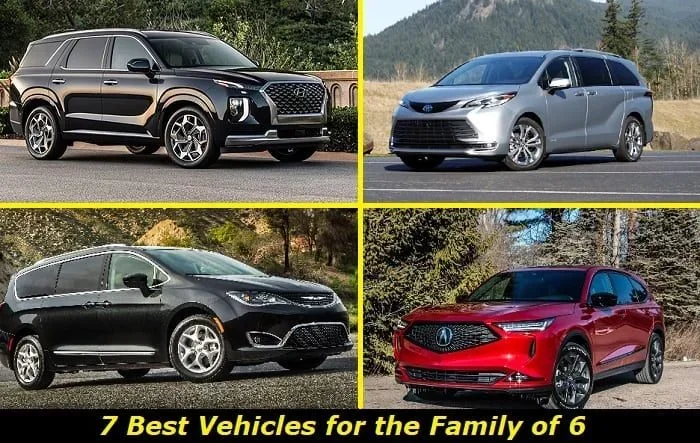
They created a shortlist of five vehicles that met their criteria. This included SUVs, minivans, and even a large crossover. Each option had pros and cons. By narrowing their choices early, they avoided feeling overwhelmed during the actual shopping phase.
Step Three: Test Driving
Test driving is one of the most important steps in the car buying process. The family scheduled test drives for all five vehicles on their shortlist. They brought the whole family along, including the dog. This gave them a realistic sense of how each vehicle performed with a full load.
During each test drive, they paid attention to several things. They checked visibility from the driver’s seat. They tested the back seat legroom. They tried fitting their car seats and stroller. They also evaluated the ride comfort on different road types. These hands-on experiences helped them eliminate two options quickly.
Step Four: Negotiating and Finalizing
With three strong options left, the family started negotiating prices. They researched fair market values online before visiting dealerships. This gave them confidence during price discussions. They were willing to walk away from a deal that did not feel right.
They also explored car financing for families options. They compared loan rates from their bank and the dealership. They chose a financing plan that fit comfortably within their monthly budget. The final decision came down to a spacious SUV that offered the best balance of space, safety, and value.
Key Factors They Considered Before Buying
Choosing a vehicle for a large family involves weighing many factors. Every family has different priorities, but some considerations apply to everyone. Here is a closer look at what mattered most to the family in our story.
Seating Capacity and Configuration
The most obvious factor for a family of six is seating capacity. You need enough seats for everyone, plus room to spare. Some vehicles offer flexible seating configurations that can be adjusted based on your needs. For example, some SUVs allow you to fold down a row to create more cargo space when you are not carrying passengers.
The family of six members bought a car with a three-row layout. This gave them the flexibility to seat six people comfortably or fold a row for extra luggage space on road trips. Seating configuration is a key detail that many first-time buyers overlook.
Safety Ratings and Features
Safety ratings from organizations like the National Highway Traffic Safety Administration (NHTSA) and the Insurance Institute for Highway Safety (IIHS) are essential references. Look for vehicles that earn top marks in crash tests. Beyond ratings, pay attention to the specific safety features available.
The family prioritized vehicles with safety features for families such as rearview cameras, automatic emergency braking, and rear cross-traffic alerts. These technologies add an extra layer of protection, especially in busy neighborhoods and parking lots.
Budget and Financing
Setting a realistic budget is crucial. Your budget should account for the purchase price, taxes, fees, insurance, and ongoing maintenance costs. A common rule of thumb is to spend no more than 15 to 20 percent of your monthly take-home pay on all car-related expenses.
The family created a detailed budget spreadsheet before they started shopping. They listed their monthly income, fixed expenses, and discretionary spending. This exercise gave them a clear picture of what they could afford. Sticking to a budget prevented them from overspending on a flashy model that did not fit their finances.
Resale Value
Cars depreciate over time, but some models hold their value better than others. A vehicle with strong resale value protects your investment. When it is time to upgrade, you will lose less money to depreciation.
The family researched resale values for each vehicle on their shortlist. They used online tools that estimate future values based on the make, model, year, and condition. This data helped them choose a car that would remain valuable for years to come.
The Car Buying Process Step by Step
Buying a car can feel overwhelming, especially for a large family with many needs. Breaking the process into clear steps makes it much more manageable. Here is a practical roadmap you can follow.
Step 1: Assess Your Family Transportation Needs
Start by evaluating your daily and weekly transportation needs. How many people ride in the car regularly? What items do you carry? Do you commute long distances or mostly drive locally? Answering these questions helps you determine the right vehicle size and type.
For a large family car, focus on space and comfort. Make a list of must-have features versus nice-to-have features. This prioritization keeps your search focused and efficient.
Step 2: Set a Realistic Budget
Calculate how much you can afford for a monthly payment if you are financing. Add your estimated insurance costs and fuel expenses to get a full picture of monthly ownership costs. A budget-friendly family vehicle is one that fits comfortably within your financial plan without causing strain.
Step 3: Research and Shortlist Vehicles
Use online resources to compare models. Read expert reviews and owner feedback. Watch video walkthroughs to get a feel for each vehicle’s interior and features. Narrow your list to three to five options that best match your needs and budget.
Step 4: Schedule Test Drives
Test drive every vehicle on your shortlist. Bring your family along if possible. Test the vehicle under conditions that mirror your daily driving. Pay attention to comfort, visibility, noise levels, and ease of use for all passengers.
Step 5: Negotiate and Close the Deal
Research the fair market price before you visit the dealership. Be confident during negotiations. Read all paperwork carefully before signing. Make sure the final price matches what you agreed upon. Take your time and do not let pressure rush you into a decision.
Step 6: Complete the Purchase and Insure the Vehicle
Once the deal is finalized, complete all paperwork and registration. Then, contact your insurance provider to update your policy. Car insurance for large families may cost more, so it is wise to shop around for the best rates. Ask about discounts for safety features and multiple vehicles.
Living with a Big Family Car: Real-Life Insights
After the purchase, the family spent several weeks adjusting to their new vehicle. The experience brought both expected and unexpected benefits. Here are some of the real-life insights they shared.
Daily Life Became Easier
The extra space transformed their daily routine. Morning chaos became more organized. Everyone had their own seat and seat belt. The kids could bring their backpacks, lunch boxes, and water bottles without feeling cramped. Even the dog had room to stretch out on long drives.
Grocery shopping became a breeze. They could fit multiple bags in the cargo area without stacking things on top of each other. Weekend trips to the beach or park became more enjoyable because there was room for all the gear. A spacious vehicle truly changes the quality of daily life for a large family.
Road Trips Became Fun Again
Before the new car, family road trips felt stressful. The old vehicle was too small for long journeys. Now, the family takes regular weekend trips without worrying about space. The kids have room to move, play games, and even nap during longer drives. The parents enjoy the drive too, thanks to comfortable seats and smooth handling.
The family also appreciated the fuel efficient family car design, which kept gas costs manageable on longer trips. Planning routes around fuel stations became less of a concern, and they could explore more destinations without worrying about the budget.
Maintenance and Upkeep
Owning a larger vehicle comes with some maintenance responsibilities. Regular oil changes, tire rotations, and brake checks are essential. The family set up a maintenance schedule and stuck to it. They kept records of all service visits, which helped them track the vehicle’s condition over time.
They also learned the importance of choosing a reliable brand. Vehicle maintenance costs vary widely between models. Researching reliability ratings before buying can save you significant money and headaches in the long run.
Common Mistakes to Avoid When Buying a Family Car
Every car buyer makes mistakes, but the biggest ones are preventable. Here are common errors that large families should avoid.
Skipping the Test Drive
Never buy a car without test driving it first. A vehicle that looks great on paper may feel completely different on the road. Bring your family along and test the vehicle in real-world conditions.
Ignoring Total Ownership Costs
The purchase price is only the beginning. Insurance, fuel, maintenance, and depreciation all add up. A budget-friendly family vehicle is not always the cheapest to buy. It is the one that costs the least to own over time.
Overspending on Features You Do Not Need
It is easy to get drawn in by fancy extras. But many of those features go unused. Focus on the features that genuinely improve safety, comfort, and convenience for your family. Skip the ones that are just nice to have.
Not Involving the Whole Family
Everyone who rides in the car should have a say in the decision. Kids care about comfort and entertainment features. Parents care about safety and budget. Including the family in the process builds excitement and ensures everyone is happy with the choice.
Expert Insights on Family Car Buying
We spoke with automotive experts to get their top advice for large families shopping for a vehicle. Here is what they had to say.
“The biggest mistake families make is buying a car based on emotion rather than logic,” says certified automotive advisor Sarah Mitchell. “You need to be practical. Focus on safety ratings, cargo space, and total cost of ownership. These factors matter more than looks or brand prestige.”
Another expert, family vehicle specialist David Chen, emphasizes the importance of test drives. “Bring your car seats. Bring your stroller. Bring your dog if you have one. You will not know if a vehicle truly works for your family until you test it with your real-life setup.”
Financial planner Lisa Wong adds a budgeting tip. “Always leave a buffer in your car budget. Unexpected repairs happen. Insurance rates can increase. A little extra breathing room in your finances protects your family from stress.”
Key Takeaways
- A family of six members bought a car that matched their specific needs for space, safety, and budget.
- Defining your needs before shopping saves time and prevents decision fatigue.
- Test driving with your full family gives the most realistic picture of how a vehicle performs daily.
- Budgeting for total ownership costs is just as important as budgeting for the purchase price.
- Safety features and crash ratings should always be a top priority for large families.
- Resale value protects your investment and makes future upgrades easier.
- Patience and research lead to better decisions and fewer regrets.
Conclusion
The story of a family of six members who bought a car is a story of careful planning, smart research, and patient decision-making. They did not rush into a purchase. They did not let pressure push them into a bad deal. Instead, they followed a clear process that worked for their family.
A family of six members bought a car that brought comfort, safety, and joy to their daily lives. Their experience proves that with the right approach, anyone can find the perfect vehicle for their large family. The key is to know your needs, set a realistic budget, research your options thoroughly, and never skip a test drive.
Whether you are shopping for your first family vehicle or your third, these lessons apply. The car buying journey can be stressful, but it does not have to be. Use the tips and insights from this story to guide your own decision. Your family deserves a vehicle that fits your life perfectly. Take your time, do your homework, and trust the process. The right car is out there waiting for you.
Frequently Asked Questions
What is the best type of vehicle for a family of six?
Three-row SUVs and minivans are typically the best options for a family of six. These vehicles offer seating for six or more passengers plus ample cargo space. Consider your lifestyle, budget, and driving habits when choosing between an SUV and a minivan.
How much should I budget for a family car?
A good rule of thumb is to spend no more than 15 to 20 percent of your monthly take-home pay on all car-related expenses. This includes the monthly payment, insurance, fuel, and maintenance. Always leave room in your budget for unexpected costs.
Is it better to buy new or used for a large family?
Both options have advantages. New cars come with warranties and the latest safety features. Used cars cost less upfront and depreciate less. The best choice depends on your budget and priorities. A budget-friendly family vehicle can be found in either category with the right research.
What safety features should a family car have?
Look for vehicles with automatic emergency braking, blind-spot monitoring, rearview cameras, lane departure warnings, and multiple airbags. Child seat anchors are also essential for families with young children. These features provide safety features for families that protect everyone on the road.
How can I lower my car insurance costs for a large family?
Shop around for quotes from multiple insurers. Ask about discounts for safety features, multiple vehicles, and good driving records. Consider raising your deductible if you have a solid emergency fund. Keeping a clean driving record is one of the most effective ways to reduce premiums.
How do I know when it is time to replace my family car?
Signs that it is time for a new vehicle include frequent repairs, lack of space for your growing family, outdated safety features, and rising fuel costs. If your current car no longer meets your family’s needs, it may be time to explore options for a large family car that better fits your lifestyle.