Potential Drawbacks of Using Auto Tint on a Vehicle
Auto tint on a vehicle can cause reduced driver visibility, legal troubles, and expensive maintenance problems. While many drivers love the look and feel of tinted windows, the drawbacks of auto tint are real and worth considering. From heat buildup to bubbling and peeling, these issues can affect your daily driving experience. Understanding the risks helps you make a smarter choice for your car. This guide covers every major drawback so you know exactly what to expect.
Auto tint has become one of the most popular vehicle upgrades. Millions of drivers tint their windows every year for privacy, style, and UV protection. But here is the thing most people do not talk about. Auto tint on a vehicle comes with real drawbacks that can affect your driving experience, your wallet, and even your legal standing.
You might have seen the glossy, dark-coated cars on the road and thought, “That looks amazing.” And it does. But behind that sleek look lies a list of potential problems. From reduced visibility at night to costly repairs, the drawbacks of auto tint are more common than you might think.
This article breaks down every major issue so you can make an informed decision. Whether you are considering tinting your first vehicle or already have tint and are experiencing problems, this guide has you covered. We will walk through each drawback step by step with practical advice and real-world examples.
Key Takeaways
- Safety Risk: Dark auto tint can reduce driver visibility, especially at night or in poor weather.
- Legal Trouble: Many states and countries have strict tint laws, and violations can lead to fines.
- Heat and Glare Problems: Some tint types actually increase heat inside the car or cause glare reflections.
- Installation Issues: Poor installation leads to bubbling, peeling, and uneven tint application.
- Hidden Costs: Tint repair, removal, and replacement can add up over time.
- Warranty Gaps: Not all tint products come with solid warranty coverage, leaving you unprotected.
- Resale Impact: Certain tint choices can lower your vehicle’s resale value.
📑 Table of Contents
- What Is Auto Tint and Why Do People Use It
- Reduced Visibility and Safety Concerns
- Heat and Glare Issues That Auto Tint Can Cause
- Legal and Regulatory Problems with Dark Tint
- Installation and Maintenance Challenges
- Long-Term Risks and Hidden Costs
- Comparing Common Auto Tint Types and Their Drawbacks
- Final Thoughts on the Drawbacks of Auto Tint
What Is Auto Tint and Why Do People Use It
Before we dive into the downsides, let us quickly cover what auto tint is. Auto tint is a thin film applied to vehicle windows. It comes in different shades, materials, and tint percentages. The tint percentage tells you how much light passes through the glass.
Most drivers choose window tint film for a few common reasons:
- UV Protection: Tint blocks harmful ultraviolet rays that can damage your skin and fade your car’s interior.
- Heat Rejection: Quality tint reduces the amount of heat entering your vehicle.
- Privacy: Darker tint makes it harder for people outside to see inside your car.
- Glare Reduction: Tint cuts down on blinding sunlight and headlight glare from other vehicles.
- Style: A tinted vehicle simply looks more polished and sleek.
These benefits sound great. And for many drivers, they are. But every benefit has a trade-off. The next sections explore those trade-offs in detail.
Reduced Visibility and Safety Concerns
The Night Driving Problem
The biggest safety concern with auto tint is reduced visibility. When you tint your windows darker, less light enters the vehicle. During the day, this might not be a big deal. But at night or in fog, rain, or snow, it becomes a serious problem.
Think about driving home on a dark, rainy road. Your headlights and streetlights are your main source of visibility. Now imagine that light passing through a dark window tint film before reaching your eyes. The result is a dimmer, harder-to-see road. This is not just uncomfortable. It is dangerous.
Many drivers report struggling to see pedestrians, cyclists, and road signs after dark with heavily tinted windows. Even a dark tint that looks fine during the day can become a hazard at night.
Mirror Glare and Reflection Issues
Here is something most people do not expect. Auto tint can actually increase glare in certain situations. The tint film reflects light, and when that reflection hits your mirrors or other windows, it creates a double-glare effect.
For example, when you are driving behind a bright vehicle at night, the reflection off your tinted side window can bounce light directly into your eyes. This is worse than driving without any tint at all. It creates an annoying and potentially blinding glare that distracts you from the road.
Quick Tips for Safer Tinted Driving
- Choose a lighter tint percentage for your front side windows if you drive frequently at night.
- Keep your mirrors clean to reduce reflection problems from tinted windows.
- Consider ceramic tint, which offers good heat rejection without the darkest shade.
- Clean your tinted windows with non-ammonia cleaners to maintain clarity.
- Never tint your windshield. It blocks your view of the road ahead.
Heat and Glare Issues That Auto Tint Can Cause
Not All Tint Rejects Heat Equally
You might assume that all auto tint keeps your car cool. That is not true. The type of tint you choose matters a lot. Some metallic tint products actually trap heat inside the vehicle instead of rejecting it.
Metallic tints work by reflecting sunlight. But they also block heat from escaping. So during winter, your car stays colder. And on hot days, the trapped heat can make your car feel like an oven even after you turn on the air conditioning.
Ceramic tint is a better option for heat rejection. It blocks infrared heat without using metal particles. But ceramic tint costs more, and some drivers choose cheaper options that do not perform well.
The Glare Paradox
While tint reduces direct sunlight glare, it can create new glare problems. The film surface can reflect light back at you, your passengers, or even other drivers. This is especially true with lower-quality window tint film.
Imagine sitting at a red light on a sunny afternoon. The sun hits your tinted side window and bounces a bright glare into your eyes from the inside of the car. You squint, you adjust, you take your eyes off the road for a second. That second is all it takes for an accident to happen.
Common Mistakes with Tint and Heat
- Choosing the darkest available tint without considering heat rejection quality.
- Skipping ceramic or carbon-based tint in favor of cheap metallic options.
- Tinting all windows equally without thinking about which windows need more light.
- Ignoring the visible light transmission (VLT) rating when selecting tint.
Legal and Regulatory Problems with Dark Tint
Tint Laws Vary by Location
One of the most frustrating drawbacks of auto tint is the legal complexity. Every state, province, and country has different tint laws. What is legal in one place might be illegal in another. And the rules often differ for front windows, side windows, and rear windows.
For example, many states require a minimum visible light transmission of 70% on front side windows. That means you can only tint them to a very light shade. Some states allow darker tint on rear windows, but you still need dual side mirrors if your rear window is tinted.
If you tint your windows too dark, you risk getting pulled over. The fines vary, but they can be expensive. In some cases, you may even be required to remove the tint entirely. That means wasted money and wasted time.
Medical Exemptions and Special Permits
Some people with medical conditions can get exemptions for darker tint. These exemptions allow more UV protection for sensitive skin or eyes. But the process is not always simple.
You need a doctor’s note, and you still must follow specific rules. The exemption might only cover certain windows or require special stickers on your vehicle. If you move to a new state, you may need to reapply for the exemption. The paperwork and hassle are not worth it for most drivers.
Expert Insight: Navigating Tint Laws
According to automotive tint professionals, the best approach is to research your local legal tint limits before booking any installation. Call your local DMV or department of motor vehicles to confirm current regulations. Do not rely on what your tint shop tells you, as laws change frequently and shops may not always stay updated.
Installation and Maintenance Challenges
Bubbling, Peeling, and Blurring
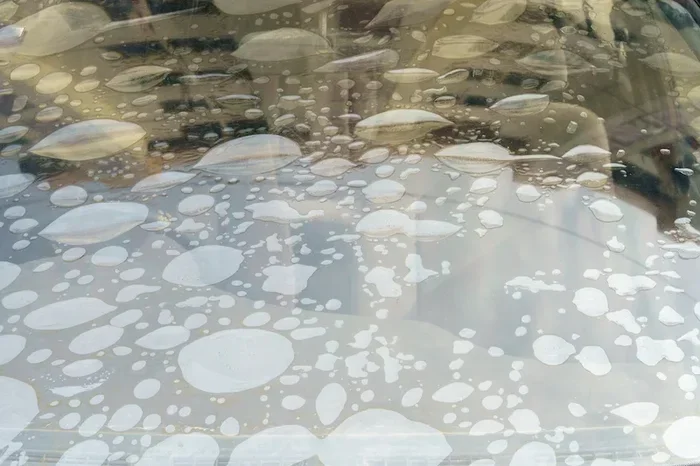
No matter how good your auto tint looks on day one, it will not last forever without proper care. One of the most common problems is bubbling. Air pockets form between the tint film and the glass. These bubbles look terrible and can block your view.
Peeling is another major issue. The edges of the tint film start to lift, especially on hot days when the adhesive softens. Once peeling begins, it spreads quickly. You are left with ugly, frayed edges on your windows.
Blurring or haziness can also develop over time. This happens when the tint film degrades or when moisture gets trapped underneath. Even a high-quality window tint film can develop these problems if installed incorrectly.
DIY vs. Professional Installation
Some drivers try to save money by tinting their own windows. This is a mistake more often than not. DIY tint kits are cheap, but they rarely look good. You end up with uneven application, dust bubbles, and misaligned edges.
Professional installation costs more upfront, but it saves you from headaches later. A skilled installer knows how to handle the film, prep the glass, and apply the tint smoothly. The difference in quality is obvious the moment you compare DIY results to professional work.
| Factor | DIY Installation | Professional Installation |
|---|---|---|
| Cost | Lower upfront cost | Higher upfront cost |
| Bubble Risk | High | Low |
| Evenness | Poor | Excellent |
| Warranty | Usually none | Often included |
| Longevity | 2-3 years | 5-10+ years |
| Appearance | Uneven, messy | Clean, smooth |
Maintenance Tips for Longer-Lasting Tint
Proper maintenance extends the life of your auto tint significantly. Follow these simple steps to keep your tint looking great:
- Wait at least 48 hours before rolling down your windows after installation.
- Clean tinted windows with a soft cloth and ammonia-free cleaner.
- Avoid using abrasive sponges or rough towels on tinted glass.
- Park in shaded areas when possible to reduce heat stress on the film.
- Inspect your tint edges every few months for early signs of peeling.
Common Maintenance Mistakes
- Using ammonia-based glass cleaners that break down the tint adhesive.
- Rolling windows down too soon after installation, before the film has fully cured.
- Ignoring small bubbles that grow into larger ones over time.
- Skipping regular cleaning, which allows dirt buildup to degrade the film surface.
Long-Term Risks and Hidden Costs
Warranty Coverage Gaps
Not all auto tint products come with reliable warranty coverage. Some manufacturers offer lifetime warranties that sound great on paper. But in reality, these warranties often have fine print that excludes common problems like bubbling, fading, or peeling.
Before you buy tint, read the warranty carefully. Ask the installer what is covered and what is not. A good warranty should cover bubbling, peeling, fading, and adhesive failure. If the warranty does not cover these issues, you are paying full price for a product that may not last.
The Cost of Tint Removal and Replacement
When tint goes wrong, the fix is not cheap. Tint removal costs money, and so does reapplication. If your tint bubbles, peels, or turns purple, you will need professional help to get it off cleanly.
Add that to the original installation cost, and you are looking at double or even triple the initial expense. Many drivers do not budget for this. They assume the tint will last forever. It does not.
Here is a rough breakdown of potential costs:
- Basic tint replacement: $100-$300 per window
- Premium ceramic tint replacement: $300-$600 per window
- Full vehicle removal and reapplication: $500-$1,500+
- Legal fines for illegal tint: $50-$500+ depending on your location
Impact on Vehicle Resale Value
Here is a drawback that many people overlook. Auto tint can affect your vehicle’s resale value. Some buyers love tinted windows. Others see dark tint as a red flag.
If your tint is peeling, bubbling, or too dark for local laws, it can scare off potential buyers. They will either ask you to remove it or negotiate a lower price. On the other hand, a well-maintained, legal tint can actually boost resale value for some buyers who appreciate the UV protection and privacy benefits.
Expert Insight: Tint and Resale
Automotive appraisers suggest that if you plan to sell your vehicle within 3-5 years, choose a lighter, more neutral tint shade. Avoid extremely dark or colored tints. Keep the tint in good condition, and make sure it complies with local laws. These steps protect your resale value while still giving you the benefits of auto tint.
Comparing Common Auto Tint Types and Their Drawbacks
Not all window tint film is the same. Different materials have different drawbacks. Here is a quick comparison to help you understand the trade-offs:
| Tint Type | Best For | Main Drawback |
|---|---|---|
| Dyed Tint | Budget privacy | Fades quickly, bubbles easily, poor heat rejection |
| Metallic Tint | Heat rejection | Can interfere with phone and GPS signals |
| Carbon Tint | Fade resistance | Moderate cost, limited heat rejection vs. ceramic |
| Ceramic Tint | Best overall performance | High cost, not always necessary for basic needs |
| Crystalline Tint | Heat rejection without dark shade | Limited privacy, higher price point |
As you can see, every tint type has trade-offs. There is no perfect option. The key is choosing the right tint for your specific needs, budget, and driving conditions.
How to Choose the Right Tint for Your Vehicle
- Assess your primary goal: privacy, heat rejection, or UV protection.
- Check your local legal tint limits before selecting a shade.
- Set a realistic budget that includes installation and potential future replacement.
- Choose a reputable installer with positive reviews and proven experience.
- Ask about warranty coverage before you commit to a product.
- Consider your driving habits. If you drive mostly at night, go lighter.
Final Thoughts on the Drawbacks of Auto Tint
Auto tint on a vehicle is not all bad. It offers real benefits that many drivers value. But the drawbacks are significant enough that you should go in with your eyes open. Reduced visibility, legal risks, maintenance challenges, and hidden costs are all part of the picture.
The best way to avoid problems is to research thoroughly before you tint. Understand your local laws. Choose the right tint type for your needs. Invest in professional installation. And commit to proper maintenance.
If you already have tint and are experiencing issues, do not ignore them. Small problems like bubbling or peeling can grow into bigger, more expensive ones. Address them early, and consider whether removal and reapplication might be the smarter long-term choice.
The goal is to enjoy the benefits of auto tint without falling victim to its downsides. With the right knowledge and preparation, you can make the best decision for your vehicle and your driving experience.
Frequently Asked Questions
Can auto tint cause your car to overheat?
Yes, certain types of auto tint can trap heat inside your vehicle. Metallic tints, in particular, reflect heat inward during hot weather. This can make your car’s interior significantly hotter and strain your air conditioning system. Choosing the right tint material helps prevent this problem.
Is it illegal to tint your windshield?
In most places, tinting the windshield is illegal or heavily restricted. The visible light transmission on your windshield must usually stay above a certain percentage. Always check your local tint laws before applying any film to your windshield.
How long does auto tint last before it needs replacement?
Quality window tint film can last 5 to 10 years with proper care. Cheaper dyed tints may only last 2 to 3 years. The lifespan depends on the tint type, installation quality, and how well you maintain it. Regular cleaning and avoiding early window rolling help extend the life of your tint.
Does auto tint interfere with electronic devices?
Metallic tint can interfere with GPS signals, phone reception, and toll transponder readings. This happens because the metal particles in the film block electromagnetic signals. If you rely heavily on electronic devices in your car, consider ceramic or carbon tint instead.
Can you remove auto tint yourself?
Yes, but DIY removal is risky. Improper removal can scratch your glass, leave adhesive residue, or damage the window defroster lines. Professional removal is safer and cleaner, especially for older tint that has bonded strongly to the glass.
Will tinting my windows void my vehicle warranty?
Tinting your windows does not automatically void your vehicle warranty. However, if the tint causes damage to your windows or electrical systems, the manufacturer may deny related claims. Always check with your vehicle manufacturer and choose a reputable auto tint installer to avoid warranty issues.
=== CONCLUSION ===
The drawbacks of auto tint on a vehicle are real, but they are manageable. With the right knowledge, you can avoid the most common pitfalls. Choose a legal tint shade, invest in quality materials, and hire a professional installer. Maintain your tint properly, and you will enjoy the benefits for years to come.
Remember, the goal is not just to look good. It is to drive safely, stay legal, and protect your investment. Auto tint can be a great upgrade when you approach it with care and understanding. Use the tips and insights from this guide to make the best choice for your vehicle and your lifestyle.