Can I Add Transmission Fluid While the Engine Is Running
Adding transmission fluid with the engine running is a common question among car owners. The short answer is yes, but with important caveats. You must let the engine warm up first and check the fluid level using the transmission dipstick. Always follow your owner’s manual and use the correct fluid type to avoid costly transmission damage.
Have you ever popped the hood of your car and noticed the transmission fluid level is low? It happens to the best of us. Maybe you heard a strange noise, or your car is shifting a bit rough lately. The immediate question that pops into most people’s minds is, can I add transmission fluid while the engine is running?
The answer is not as simple as a yes or no. There are steps you need to follow. There are safety precautions you must take. And there are wrong ways to do this that could cost you a lot of money in transmission repair. This guide walks you through everything you need to know about adding transmission fluid the right way.
Whether you are a DIY car person or just trying to learn more about your vehicle, this article covers it all. We will talk about when to add fluid, what type to use, common mistakes to avoid, and how to keep your transmission healthy for years to come. Let us get into it.
Key Takeaways
- Yes, you can add transmission fluid while the engine is running, but the engine must be warmed up first for an accurate reading.
- Always check the transmission fluid level using the dipstick with the engine in park and on a level surface.
- Using the wrong type of transmission fluid can cause serious damage to your vehicle’s transmission system.
- Low transmission fluid levels can lead to slipping gears, overheating, and expensive repairs if ignored.
- Never overfill the transmission, as excess fluid can cause foaming, leaks, and pressure buildup.
- Regular transmission fluid checks are a simple part of routine vehicle maintenance that can save you thousands of dollars.
- Consult your owner’s manual for the exact procedure, fluid type, and capacity specific to your vehicle.
📑 Table of Contents
- Can I Add Transmission Fluid While the Engine Is Running?
- How to Safely Add Transmission Fluid
- What Type of Transmission Fluid Should You Use?
- Common Mistakes When Adding Transmission Fluid
- How Often Should You Check Transmission Fluid?
- When to See a Professional Mechanic
- Benefits of Regular Transmission Maintenance
- Final Thoughts
Can I Add Transmission Fluid While the Engine Is Running?
The short answer is yes, you can add transmission fluid while the engine is running. But here is the catch. You cannot just pour fluid in while the engine is cold and cold. There is a specific process you need to follow to get an accurate reading and to do it safely.
When the engine is off and cold, the transmission fluid settles in the pan. This gives you a low reading on the dipstick. If you check it this way, you might think you need more fluid than you actually do. That is why most car manufacturers recommend checking and adding transmission fluid with the engine warm and running.
Here is the basic idea. You warm up the engine, let it idle, shift through the gears, and then check the fluid level on the transmission dipstick. If it is low, you add the right fluid slowly. It sounds simple, but there are details that matter a lot.
Why the Engine Needs to Be Warm
Transmission fluid expands when it gets hot. Cold fluid is thicker and does not fill the transmission channels the same way. When the engine is warm, the fluid reaches its normal operating temperature. This means the level reading on the dipstick will be accurate.
Most experts recommend letting the engine idle for about 5 to 10 minutes before checking the fluid. This gives the transmission fluid time to circulate and reach the right temperature. Some vehicles have a specific procedure for this, so always check your owner’s manual first.
When You Should Add Transmission Fluid
You should add transmission fluid when the dipstick shows the level is below the minimum mark. Here are some signs that your transmission fluid is low:
- Delayed shifting when you move from park to drive or reverse
- Slipping gears while driving
- A burning smell coming from under the hood
- Strange noises like grinding or whining
- Leaking fluid underneath your vehicle
- Dashboard warning lights related to the transmission
If you notice any of these signs, do not ignore them. Low transmission fluid can lead to serious damage over time. The transmission works hard, and it relies on proper fluid levels to lubricate all the moving parts inside.
How to Safely Add Transmission Fluid
Now that you know the answer to can I add transmission fluid while the engine is running is yes, let us walk through the actual steps. This is a fairly simple process, but doing it right matters a lot for your vehicle’s health.
Step 1: Park on a Level Surface
First things first. Park your car on a flat, level surface. If the ground is uneven, the fluid reading will not be accurate. Turn on the parking brake and make sure the car is not rolling anywhere. This is a basic safety step that some people skip, but it really does matter.
Step 2: Warm Up the Engine
Start the engine and let it idle for several minutes. You want the transmission fluid to reach its normal operating temperature. While the engine is warming up, shift through all the gears slowly. Go from park to reverse, then to drive, and back to park. This helps the fluid circulate through the entire transmission system.
Be careful not to rev the engine too high during this step. Just let it idle at a normal pace. You do not want to stress the transmission while you are trying to maintain it.
Step 3: Locate the Transmission Dipstick
Open the hood and find the transmission dipstick. It is usually located near the back of the engine bay, and it often has a brightly colored handle. On some vehicles, the transmission dipstick is harder to find, so refer to your owner’s manual if you are unsure.
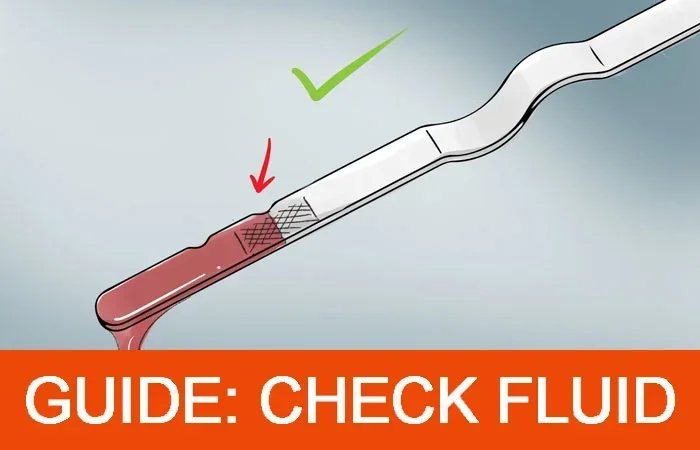
Pull the dipstick out and wipe it clean with a rag or paper towel. Then push it back all the way in and pull it out again. Look at the fluid level. There are usually markings on the dipstick that show the minimum and maximum levels.
Step 4: Add the Fluid Slowly
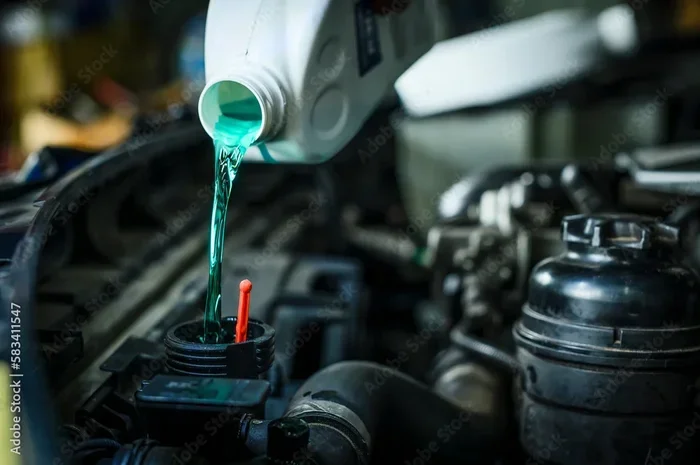
If the level is below the minimum mark, it is time to add fluid. Use a funnel and pour the transmission fluid in slowly through the dipstick tube. Add a small amount at a time. Overfilling is just as bad as underfilling.
After adding a little fluid, wait a few seconds and check the level again. Repeat this process until the fluid is between the minimum and maximum marks. Do not go over the maximum line.
Step 5: Recheck and Clean Up
Once the fluid level is correct, reinsert the dipstick and wipe up any spills. Start the engine and let it idle for a minute. Then shift through the gears again and recheck the level one more time. The fluid level may change slightly after the transmission cycles through all the gears.
What Type of Transmission Fluid Should You Use?
Not all transmission fluid is the same. This is one of the most important things to understand. Using the wrong fluid can cause serious problems. It can lead to poor shifting, overheating, and even total transmission failure.
There are several types of transmission fluid on the market:
- Dexron VI is one of the most common fluids for automatic transmissions in modern vehicles.
- Mercon LV is another popular type used in Ford vehicles.
- HCF-2 is used in some older Chrysler vehicles.
- Synthetic transmission fluid is a high-performance option that works well in extreme temperatures.
- CVT fluid is specifically designed for continuously variable transmissions, which are different from standard automatics.
The best way to know which fluid to use is to check your owner’s manual. The manual will tell you the exact specification and capacity for your vehicle. If you are unsure, ask a mechanic or check with your local auto parts store. They can usually look up the right fluid for your make and model.
Can You Mix Different Types of Transmission Fluid?
Ideally, no. Mixing different types of transmission fluid can cause chemical reactions that degrade the fluid’s performance. If you need to top off and are not sure what is already in the system, try to use the same type. If you absolutely must mix them, do it only as a temporary measure and plan to do a full transmission fluid change soon.
Common Mistakes When Adding Transmission Fluid
A lot of people make mistakes when adding transmission fluid. Some of these mistakes are minor, but others can lead to expensive repairs. Here are the most common ones to watch out for.
Adding Fluid with the Engine Off
This is the biggest mistake. If you add transmission fluid with the engine off and cold, the reading will be inaccurate. The fluid has not reached its operating temperature, so it has not expanded into the full transmission system. You will likely add too much fluid, which can cause foaming and pressure buildup.
Overfilling the Transmission
It might seem like more fluid is better, but that is not true. Overfilling the transmission causes the fluid to foam. Foamed fluid does not lubricate properly. It can also cause the transmission to push fluid out through vents and seals, leading to leaks and messes under your car.
Using the Wrong Fluid Type
This cannot be stressed enough. Using the wrong transmission fluid is one of the fastest ways to damage your transmission. Different transmissions need different formulations. Always use the fluid specified by your vehicle manufacturer.
Ignoring Leaks
If your transmission fluid is low, there might be a leak. Simply adding fluid without finding and fixing the leak is a temporary fix at best. Check under your car for any red or brown puddles. Look around the transmission pan, seals, and lines for signs of dripping fluid.
How Often Should You Check Transmission Fluid?
Regular maintenance is the key to a long-lasting transmission. Most experts recommend checking your transmission fluid at least once a month. You should also check it before any long road trips.
A full transmission fluid change is usually recommended every 30,000 to 60,000 miles, depending on your vehicle and driving conditions. If you tow heavy loads or drive in stop-and-go traffic, you may need to change the fluid more often. Harsh driving conditions break down transmission fluid faster.
During your check, pay attention to more than just the level. Look at the color and smell of the fluid. Healthy transmission fluid is typically reddish and translucent. If it looks dark brown or black, or if it smells burnt, it is time for a fluid change. Dark fluid means it has been overheated or has collected too many contaminants.
When to See a Professional Mechanic
Adding transmission fluid is a task most car owners can handle at home. But there are times when you should leave it to the professionals. If you notice any of the following, it is time to visit a mechanic:
- Your transmission fluid is consistently low even after refilling
- You see metal particles or debris in the fluid
- The transmission is making loud grinding or clunking noises
- Your vehicle will not shift gears at all
- You smell burning fluid and the transmission is overheating
- You have a transmission fluid leak that keeps coming back
These symptoms could indicate deeper problems inside the transmission. A trained mechanic can diagnose the issue properly and recommend the right repair. Sometimes a simple fluid change is all you need. Other times, there may be internal damage that requires more extensive work.
Benefits of Regular Transmission Maintenance
Taking care of your transmission fluid pays off in a big way. Here are some of the benefits you get from staying on top of maintenance:
- Smoother shifting – Your car will shift gears more smoothly and respond better when you accelerate.
- Longer transmission life – Fresh fluid keeps all the internal parts lubricated and reduces wear and tear.
- Better fuel economy – A well-maintained transmission helps your engine run more efficiently.
- Fewer expensive repairs – Preventive maintenance costs a fraction of what a transmission rebuild or replacement costs.
- Higher resale value – A well-maintained vehicle with documented service history sells for more.
Think of transmission fluid as the lifeblood of your vehicle’s transmission system. Just like your engine needs clean oil, your transmission needs clean fluid to work properly. A few minutes of checking and adding fluid can save you from a very expensive repair bill down the road.
Final Thoughts
So, can I add transmission fluid while the engine is running? Yes, you absolutely can, and in most cases, you should. Just make sure the engine is warmed up first, use the right type of fluid, and follow the steps carefully. Check your dipstick, add fluid slowly, and never overfill.
Transmission maintenance is one of the simplest things you can do for your vehicle. It takes just a few minutes and a bottle of the right fluid. But the payoff is huge. A well-maintained transmission can last the entire life of your vehicle, saving you thousands of dollars in repairs and keeping your car running smoothly for years to come.
Do not wait until something goes wrong. Make transmission fluid checks a regular part of your car care routine. Your future self will thank you when your transmission keeps shifting smoothly mile after mile.
Frequently Asked Questions
Can I add transmission fluid with the engine off?
You can, but the reading will not be accurate. Transmission fluid needs to be warm and circulating to give you the correct level. If you add fluid with the engine off and cold, you will likely overfill it. Always warm up the engine first for the best results.
What happens if I overfill my transmission fluid?
Overfilling causes the fluid to foam, which reduces its ability to lubricate properly. Foamed fluid can also build up pressure inside the transmission and push out through seals and vents. This leads to leaks, messy undercarriage, and potential transmission damage over time.
How do I know what type of transmission fluid my car needs?
The best source is your vehicle’s owner’s manual. It will list the exact fluid specification and capacity. You can also check with your dealership or a trusted mechanic. Auto parts stores can usually look up the right fluid based on your car’s year, make, and model.
Can low transmission fluid cause transmission damage?
Yes, absolutely. Low fluid means the internal parts of the transmission are not getting proper lubrication. This causes increased friction, overheating, and wear. Over time, running on low fluid can lead to gear slipping, rough shifting, and eventually total transmission failure.
How long does transmission fluid last before needing a change?
Most manufacturers recommend changing transmission fluid every 30,000 to 60,000 miles. However, this varies based on driving conditions. If you tow heavy loads, drive in stop-and-go traffic, or live in extreme temperatures, you may need to change it more frequently.
Is adding transmission fluid easy to do at home?
Yes, adding transmission fluid is one of the easiest DIY maintenance tasks. You just need the right fluid, a funnel, and a clean rag. The process takes about 10 to 15 minutes. Just make sure you follow the correct procedure and use the right fluid type for your vehicle.
=== CONCLUSION ===
Adding transmission fluid while the engine is running is not only possible but recommended for an accurate reading. The key is to follow the right steps, use the correct fluid, and never rush the process. Warm up your engine, check the dipstick, add fluid slowly, and always double-check the level afterward.
Transmission maintenance is one of the simplest yet most important things you can do for your vehicle. A few minutes of attention now can prevent thousands of dollars in repairs later. Keep your fluid levels right, use the correct type, and your transmission will keep your car running smoothly for many miles to come.