Can I Just Sign a Car Title Over to Someone Right Now
Can I just sign a car title over to someone? The short answer is yes, but there are important legal steps you must follow. Signing over a car title is not as simple as just scribbling your name on the back. You need to understand the title transfer process, avoid common pitfalls like title jumping, and make sure both the buyer and seller complete all paperwork correctly. This guide walks you through everything you need to know to transfer vehicle ownership safely and legally.
Have you ever wondered, can I just sign a car title over to someone? Maybe a friend wants to buy your car, or a family member needs a vehicle. The idea of simply signing your name on the back of the title and handing it over feels easy. But is it really that simple?
The truth is, signing over a car title involves more than just a signature. There are legal steps, paperwork requirements, and potential risks you need to understand. Whether you are selling a car, gifting one to a relative, or transferring ownership for any reason, doing it the right way protects everyone involved.
This guide breaks down the entire car title transfer process in plain language. You will learn what the law requires, how to avoid costly mistakes, and what to do at every step. Let us walk through it together.
Key Takeaways
- You can sign over a car title, but it must be done correctly: Simply writing your name is not enough. Both parties need to follow specific steps.
- The DMV plays a key role: You must submit the signed title and other documents to your local DMV to complete the transfer.
- Watch out for title jumping: Skipping the registration step can lead to legal trouble and fines.
- A bill of sale protects both sides: Always create a written agreement that includes the sale price, date, and vehicle details.
- Check for liens first: If there is a lien holder on the title, you cannot transfer ownership until it is released.
- Keep copies of everything: Both the buyer and seller should retain copies of all signed documents for their records.
📑 Table of Contents
Can I Just Sign a Car Title Over to Someone?
Understanding the Basics of a Vehicle Title
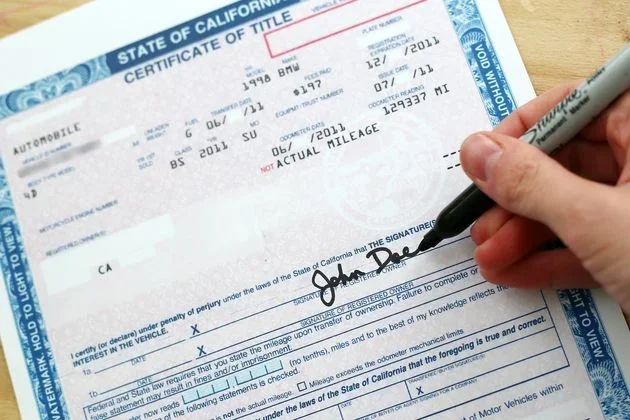
A vehicle title is a legal document that proves vehicle ownership. It shows who the registered owner is and contains important details about the car. These details include the vehicle identification number (VIN), the make and model, and the year of the vehicle.
When you transfer ownership of a car, you are passing your legal rights to another person. The signed title serves as proof that the transfer happened. Without a proper transfer, the law may still see you as the owner, even if you handed the keys to someone else.
Think of the title like a deed for a house. Just as you cannot give away a house without signing the deed, you cannot give away a car without signing the title. The title transfer process makes sure the change of ownership is recorded officially.
Why People Need to Transfer Titles Quickly
There are many reasons someone might want to sign over a title fast. Maybe a friend is buying a car from you and needs it by tomorrow. Perhaps a family member inherited a vehicle and needs to update the title. Or maybe you are selling a car online and the buyer wants to drive it away the same day.
No matter the reason, speed should never come at the cost of doing things correctly. Rushing through a car title transfer can lead to problems down the road. Both the buyer and seller need to take the time to do this right.
Is It Legal to Transfer a Car Title This Way?
The Legal Requirements for Title Transfers
Yes, it is legal to transfer ownership of a car by signing the title. But there are rules you must follow. Every state has its own DMV title transfer requirements. These rules ensure that the transfer is fair, safe, and properly recorded.
In most states, the process includes these basic steps:
- Both the buyer and seller sign the back of the title.
- The seller provides a bill of sale with the sale price and date.
- The seller fills out an odometer disclosure statement.
- The buyer takes the signed documents to the DMV.
- The buyer pays the transfer fee and registers the car in their name.
Skipping any of these steps can cause problems. The new owner may not be able to register the car or get insurance. And the old owner may still be liable for tickets or accidents involving the vehicle.
When It Is Legal vs. When It Is Not
Transferring a title is legal when both parties follow the rules. It becomes illegal when someone tries to cheat the system. For example, title jumping happens when someone buys a car and immediately sells it without registering it in their own name first. This is against the law in every state.
Another illegal practice is selling a car with a lien still on it. A lien holder is a lender that has a claim on the vehicle until the loan is paid off. You cannot sign over a title that has an active lien unless the lender releases it first.
Here is a quick comparison of legal vs. illegal title transfers:
| Legal Transfer | Illegal Transfer |
|---|---|
| Both parties sign the title in front of a notary | One party signs and hands it over without following state rules |
| A bill of sale is created with accurate details | No bill of sale is made, or false information is written |
| The buyer registers the car at the DMV within the required time | The buyer drives the car without ever registering it |
| The lien is released before the title is signed over | The title is signed over while a lien is still active |
| Odometer disclosure is completed truthfully | The odometer reading is falsified to hide high mileage |
Quick Tip: Always check your state’s DMV website before you start the transfer process. Rules can vary widely from state to state, and what works in one state may not be accepted in another.
The Step-by-Step Process to Transfer a Car Title
What You Need Before You Start
Before you sign over a title, make sure you have everything ready. Gathering your documents ahead of time saves trips to the DMV and prevents delays. Here is a checklist of what you typically need:
- The original vehicle title with all fields filled out
- A completed bill of sale that includes the sale price, date, and names of both parties
- A valid form of identification for both the buyer and seller
- An odometer disclosure statement (required in most states)
- Payment for the transfer fee and any applicable taxes
- A release of liability form, if your state requires it
Some states also require a notarized signature on the title. This means you must sign the title in front of a notary public who verifies your identity. Check with your local DMV to find out if this applies to you.
Filling Out the Title Correctly
Filling out the title correctly is one of the most important steps. Mistakes can delay the process or even invalidate the transfer. Here are some key things to keep in mind:
- Use black or blue ink only. Pencil or other colors may not be accepted.
- Write clearly and legibly. If the DMV cannot read it, they will reject it.
- Do not leave any blank fields empty. Draw a line through unused spaces to prevent fraud.
- Sign exactly as your name appears on the front of the title.
- Include the date of the sale on the title.
The buyer and seller should both be present when filling out the title. This ensures that all information is accurate and that both parties agree to the terms of the sale.
Submitting Documents to the DMV
Once the title is signed and all documents are complete, the buyer needs to take them to the DMV. Some states allow you to mail the documents, but visiting in person is usually faster. At the DMV, the buyer will:
- Submit the signed title and bill of sale
- Provide proof of identity and residency
- Pay the transfer fee and any sales tax
- Complete a new car registration
- Receive new license plates (if applicable)
The buyer should also get a release of liability from the seller. This form tells the DMV that the seller is no longer responsible for the vehicle. Without it, the seller could still be held liable for parking tickets or accidents after the sale.
Expert Insight: Working with a Lien Holder
If there is a lien holder on your title, you have an extra step to complete before you can transfer ownership. A lien means that a lender still has a financial interest in the vehicle. You must pay off the loan in full and get a lien release document before you can sign the title over.
Some lenders will send the lien release directly to the DMV. Others will mail it to you. Either way, make sure you have the release before you try to sell or transfer the vehicle. Selling a car with an active lien can lead to serious legal and financial problems for both parties.
Risks and Dangers of Improper Title Transfers
Title Jumping and Fraud
Title jumping is one of the most common and dangerous mistakes in car sales. It happens when someone buys a car and immediately sells it to another person without registering it in their own name. This is illegal in all 50 states.
Title jumping can cause big problems. The original owner may still be listed as the registered owner on paper. This means they could be held responsible for accidents, tickets, or even criminal activity involving the vehicle. It also makes it harder for the final buyer to get insurance or registration.
Liability Issues After Transfer
If you do not properly sign over a title, you could face serious liability issues. Let us say you sell your car to a friend and just hand them the keys and a signed title. A few weeks later, that friend gets into an accident. If the title was never officially transferred at the DMV, you may still be considered the legal owner.
This means you could be sued or held financially responsible. Properly completing the title transfer process protects you from these risks. It also protects the new owner, who needs a clean title to get insurance and registration.
Common Mistakes: What Can Go Wrong
Here are some of the most common mistakes people make when transferring a car title:
- Leaving the sale price blank: This can raise red flags at the DMV and trigger audits. Always write the actual sale price.
- Using the wrong date: The date on the title should match the actual date of the sale. A wrong date can cause confusion with registration deadlines.
- Forgetting the odometer reading: Federal law requires an accurate odometer disclosure. Failing to include it can result in fines.
- Not getting a bill of sale: A bill of sale serves as your personal record of the transaction. Without it, you have no proof of the sale.
- Signing the title before the sale: Never sign the title until the deal is final. A pre-signed title can be used fraudulently.
Common Mistakes People Make When Signing Over Titles
Missing Signatures and Errors
One of the biggest reasons title transfers get rejected is missing signatures. Both the buyer and the seller must sign the title. If even one signature is missing, the DMV will not process the transfer.
Errors are another common problem. Misspelled names, wrong VIN numbers, or incorrect dates can all cause delays. If you make a mistake on the title, do not try to erase or white-out it. Simply start over with a new title or follow the correction process your state requires.
Forgetting the Bill of Sale
A bill of sale is not always required by the DMV, but it is always a good idea. This document protects both the buyer and the seller. It proves that a sale took place, shows the agreed-upon price, and records the condition of the vehicle at the time of sale.
Without a bill of sale, disputes can arise later. The buyer might claim the car had problems at the time of sale, or the seller might claim they never received payment. A simple bill of sale prevents these headaches.
Ignoring Odometer Disclosure Requirements
The odometer disclosure is a federal requirement for vehicles under 10 years old. It shows the mileage on the vehicle at the time of sale. Falsifying this information is a federal crime and can result in heavy fines or even jail time.
Even if the vehicle is over 10 years old, it is good practice to record the mileage. This protects the buyer from unknowingly purchasing a vehicle with a rolled-back odometer.
Tips for a Smooth and Legal Title Transfer
Creating a Solid Bill of Sale
A good bill of sale includes the following information:
- Full names and addresses of both the buyer and seller
- The sale price in both words and numbers
- The date of the sale
- The vehicle make, model, year, and VIN
- The current odometer reading
- Any known defects or issues with the vehicle
- Signatures from both parties
You can find free bill of sale templates online or at your local DMV. Using a template ensures you do not forget any important details.
Keeping Copies of Everything
After the title transfer is complete, make sure you keep copies of every document. Both the buyer and the seller should retain copies of the signed title, bill of sale, and any other paperwork. These records can be invaluable if any disputes arise in the future.
Store your copies in a safe place. A digital scan or photo of each document is also a smart backup. If the original documents are ever lost or damaged, you will have a record to fall back on.
Key Takeaways: Final Reminders
- Always follow your state’s specific DMV title transfer rules.
- Never sign a title before the sale is final.
- Double-check all information for accuracy before submitting documents.
- Get a release of liability as soon as the transfer is complete.
- When in doubt, contact your local DMV or consult a legal professional.
Conclusion
Can I just sign a car title over to someone? Yes, you can, but doing it the right way matters. A proper car title transfer protects both the buyer and the seller from legal trouble, financial loss, and headaches down the road.
Remember that signing over a car title is not just about putting ink on paper. It is about following the law, completing all required forms, and submitting everything to the DMV. Whether you are selling a car to a friend or transferring ownership to a family member, taking the time to do things correctly is always worth it.
Use the steps and tips in this guide to make your next title transfer process smooth and stress-free. Keep your documents organized, communicate openly with the other party, and never skip the DMV step. A little extra effort now saves you from serious problems later.
Your vehicle ownership matters, and so does your peace of mind. Take the time to do this right, and you will have nothing to worry about.
Frequently Asked Questions
What happens if I just sign the back of the title and hand it to someone?
Simply signing the back of the title does not legally complete the transfer. The new owner must take the signed title to the DMV, pay the transfer fee, and register the vehicle in their name. Without this step, you may still be legally responsible for the car.
Can I sign a car title over to a family member for free?
Yes, you can transfer a title to a family member. However, you still need to follow the same legal process. The DMV may still require a bill of sale, even if no money changed hands. Some states also have specific rules for gift transfers, so check with your local DMV.
Do both the buyer and seller need to be present at the DMV?
This depends on your state. Some states require both parties to appear in person. Others allow the buyer to handle the transfer alone with all the necessary documents. Check your state’s DMV website or call ahead to confirm the requirements.
How long does a car title transfer take?
The actual signing of the title takes only a few minutes. However, the full transfer process, including DMV processing, can take anywhere from a few days to a few weeks. Some states offer online or expedited services that can speed things up.
What if there is a mistake on the title after it is signed?
If you notice a mistake after signing, do not try to erase or correct it with white-out. Contact your DMV to find out the proper correction process. In many states, you will need to request a corrected or duplicate title before you can proceed with the transfer.
Is a notarized signature required to sign over a car title?
Some states require a notarized signature on the title, while others do not. Even if your state does not require it, getting a notarized signature adds an extra layer of protection and authenticity to the transaction. It is always a good practice to have signatures notarized when possible.