Can I Switch Drive Modes While Driving Without Risks
Yes, you can switch drive modes while driving in most modern vehicles, but there are important safety considerations to keep in mind. Understanding how your drive mode selector works helps you adjust traction control, throttle response, and suspension settings on the fly. This guide breaks down everything you need to know about switching drive modes while driving without putting yourself or others at risk.
You are cruising down the highway. The sun is out. Traffic is flowing. Then you hit a patch of wet road. Your first thought? “I wish I could switch to a safer driving mode right now.”
Good news. In most modern vehicles, you can. The drive mode selector is one of the most useful features in today’s cars, trucks, and SUVs. But the real question is: can you switch drive modes while driving without risks?
The short answer is yes. The longer answer depends on your vehicle, the road conditions, and how you make the switch. This guide walks you through everything you need to know. We will cover how drive modes work, when to switch, what to avoid, and expert tips to stay safe.
Whether you drive a sleek sedan or a heavy-duty truck, understanding your drivetrain settings can make a huge difference. Let us dive in.
Key Takeaways
- Most vehicles allow drive mode changes while driving: Modern cars, trucks, and SUVs are designed to let you switch modes safely at speed.
- Each mode changes key vehicle settings: Throttle response, steering feel, traction control, and suspension adjust based on your selected mode.
- Switching is generally safe but timing matters: Avoid sudden switches during sharp turns or emergency maneuvers.
- Different modes serve different purposes: Eco mode saves fuel, sport mode boosts performance, and snow mode improves grip on slippery roads.
- Older vehicles may not support this feature: Drive mode selectors are mostly found in cars made after 2010.
- Read your owner’s manual: Every vehicle handles drive mode switching differently, so know your specific model’s rules.
📑 Table of Contents
- What Are Drive Modes and How Do They Work?
- Can You Switch Drive Modes While Driving?
- Why Drivers Switch Modes on the Road
- Risks and Safety Concerns of Switching While Driving
- Expert Tips for Switching Drive Modes Safely
- Comparison: Drive Modes and Their Best Uses
- Common Mistakes Drivers Make with Drive Modes
- How Drive Mode Technology Has Evolved
- Key Takeaways
- Frequently Asked Questions
- Final Thoughts
What Are Drive Modes and How Do They Work?
Drive modes are pre-set configurations that change how your vehicle responds to your inputs. When you select a mode, the electronic control unit adjusts several systems at once. These include throttle response, steering weight, traction control, and in some cases, suspension stiffness.
Think of it like switching channels on a TV. Each channel shows different content. Each drive mode changes how your car behaves on the road.
Common Drive Modes Found in Vehicles
Most vehicles offer between three and five drive modes. Here are the most common ones:
- Eco Mode: This mode prioritizes fuel efficiency. The throttle response becomes softer. The engine stays in lower gears longer. You save gas but sacrifice some acceleration.
- Normal Mode: This is the default setting. It balances fuel economy with everyday performance. Most drivers leave their car in this mode for regular driving.
- Sport Mode: This mode sharpens everything. The engine revs higher. Steering feels heavier. The transmission shifting holds gears longer for more power.
- Snow Mode: Designed for slippery conditions. The system reduces wheel spin by limiting torque. It helps you maintain vehicle stability on ice and packed snow.
- Off-Road Mode: Found mostly in trucks and SUVs. It adjusts torque distribution and engages four-wheel drive or all-wheel drive settings for rough terrain.
How the Electronic Control Unit Manages Drive Modes
Under the hood, the electronic control unit (ECU) acts as the brain. When you flip the drive mode switch, the ECU sends new parameters to various systems. It tells the engine control module to alter fuel injection timing. It tells the traction control module to adjust braking force. It even tells the suspension system to stiffen or soften.
All of this happens in milliseconds. You do not need to stop the car. The system is built to handle changes while you are moving.
Can You Switch Drive Modes While Driving?
The answer is yes for the vast majority of modern vehicles. Car manufacturers design drive mode selectors to be used during normal driving. You do not need to pull over or come to a complete stop.
However, “can you” does not always mean “you should.” There are right ways and wrong ways to switch modes. Let us break this down.
When It Is Safe to Switch
Switching drive modes is perfectly safe during these situations:
- Driving on a straight, open highway
- Cruising at a steady speed on a dry road
- Approaching a known slippery section, like a bridge or shaded road
- Entering a construction zone with changed road surfaces
- Transitioning from city streets to rural roads
In all these cases, the road conditions are predictable. Your vehicle is stable. Switching modes here causes no disruption to your control.
When You Should Avoid Switching
There are moments when changing drive modes can add risk:
- During sharp turns or cornering at high speed
- While braking hard in an emergency
- On loose gravel or uneven surfaces where traction is already limited
- In heavy traffic with constant stop-and-go movements
- During heavy rain or when hydroplaning
In these situations, your vehicle is already managing a lot. Adding a drive mode change can temporarily confuse the systems. The traction control and stability systems may need a brief moment to recalibrate. That moment of adjustment is all it takes in a dangerous situation.
Do You Need to Stop First?
For most vehicles, no. The system is designed for on-the-fly changes. But some older models or specific manufacturers recommend a brief pause. Always check your owner’s manual to be sure.
Why Drivers Switch Modes on the Road
Understanding the reasons people switch modes helps you make better decisions. Here are the most common scenarios:
Changing Weather Conditions
Weather is the number one reason drivers switch modes. A clear morning can turn rainy by noon. A sunny highway can become icy as you climb a mountain pass. Switching to snow mode or eco mode when conditions change is a smart move.
The key is anticipation. Do not wait until your car starts sliding. Switch before you reach the tricky section.
Road Surface Changes
Road surfaces change constantly. You might go from smooth asphalt to a dirt shoulder. You might hit a patch of sand or wet leaves. Switching to a mode with better traction control helps you maintain grip.
Traffic and Driving Style
Heavy city traffic calls for a different mindset than a clear open road. Many drivers switch to eco mode in stop-and-go traffic to save fuel. Others switch to normal mode when they need quicker response in dense traffic.
Towing and Hauling
If you tow a trailer or carry a heavy load, your vehicle needs different settings. Some trucks offer a tow/haul mode that changes transmission shifting patterns and torque distribution. Switching to this mode while driving helps the engine and transmission handle the extra weight more efficiently.
Risks and Safety Concerns of Switching While Driving
Let us be honest. There are some risks involved, even if they are small. Understanding them helps you stay safe.
Temporary System Recalibration
When you switch modes, the electronic control unit needs a brief moment to update its settings. During that moment, the vehicle’s behavior changes. The steering might feel different. The throttle might respond differently. If you are not expecting it, that surprise can cause a brief loss of confidence.
Overconfidence in Sport Mode
Sport mode makes your car feel more responsive and powerful. This can tempt drivers to push harder. The result? Speeding, aggressive cornering, or tailgating. Switching to sport mode does not give you more grip on a wet road. It just gives you more power. Use it wisely.
Confusion with Multiple Modes
Some vehicles have many modes. Eco, normal, sport, snow, off-road, mud, sand. Switching between too many modes while driving can be distracting. Keep it simple. Stick to the modes you actually need for current conditions.
Impact on Transmission and Drivetrain
Frequent, rapid switching between modes puts extra stress on the automatic transmission and drivetrain components. Over time, this can lead to increased wear. It is best to switch modes deliberately, not constantly fidgeting with the selector.
What Happens in Older Vehicles?
If your car was made before 2010, it likely does not have a drive mode selector. Some older vehicles have manual settings for four-wheel drive or all-wheel drive. Switching those while driving is usually fine too, but the process is different. Refer to your vehicle’s manual for guidance.
Expert Tips for Switching Drive Modes Safely
We asked automotive experts for their best advice on switching drive modes while driving. Here is what they recommend.
Prepare Before You Drive
Check the weather forecast before you leave. If rain or snow is expected, start in a safer mode. Do not wait until conditions worsen. Prevention is always better than reaction.
Make Gradual Changes
Do not yank the mode selector. Make smooth, deliberate changes. Give the electronic control unit time to adjust. Your vehicle will thank you for it.
Keep Both Hands on the Wheel
It sounds obvious, but when switching modes, resist the urge to fiddle with the dial while turning. Keep both hands on the steering wheel at all times. Flick the switch with a finger while maintaining a firm grip.
Know Your Vehicle Inside and Out
Every vehicle handles drive mode switching differently. Spend time in a safe, empty parking lot. Test each mode. Feel how the steering changes. Notice the throttle response. This practice builds confidence for real-world driving.
Use the Auto Mode When in Doubt
Many modern vehicles offer an “auto” drive mode. The electronic control unit automatically adjusts settings based on road conditions. This is a great option if you are unsure which manual mode to choose.
Regular Maintenance Matters
A well-maintained vehicle responds better to drive mode changes. Keep your traction control sensors clean. Ensure your tires have proper tread depth. A healthy vehicle makes smooth transitions between modes.
Comparison: Drive Modes and Their Best Uses
Here is a quick look at how different modes compare and when to use them:
- Eco Mode: Best for highway cruising, daily commutes, and fuel savings. Avoid it when you need quick acceleration.
- Normal Mode: Best for everyday driving in good conditions. It is the safest all-around choice.
- Sport Mode: Best for open roads, dry conditions, and when you want spirited driving. Avoid it in rain, snow, or heavy traffic.
- Snow Mode: Best for ice, packed snow, and slippery surfaces. Use it whenever temperatures drop near freezing.
- Off-Road Mode: Best for dirt trails, gravel roads, and uneven terrain. Do not use it on paved highways.
Common Mistakes Drivers Make with Drive Modes
Even experienced drivers make mistakes. Here are the most common ones to avoid:
- Leaving the car in sport mode all the time: This kills fuel economy and wears out components faster.
- Switching modes during emergency maneuvers: Your priority should always be steering and braking. Do not change modes during a crisis.
- Ignoring the manual: Your owner’s manual has specific instructions for your vehicle. Read it.
- Assuming all modes work the same way: A sport mode in one brand may behave differently from another. Know your specific vehicle.
- Over-relying on drive modes: Drive modes help, but they do not replace safe driving habits. Slow down, stay alert, and keep your distance.
How Drive Mode Technology Has Evolved
Drive mode selectors were once a luxury feature found only on high-end vehicles. Today, even affordable sedans and compact SUVs offer them. The technology has come a long way.
Early systems only changed throttle mapping. Modern systems adjust everything from engine output to active suspension settings. Some vehicles even change the color of the instrument cluster to match your selected mode. Green for eco, red for sport.
The electronic control unit has become smarter too. It can predict what mode you need based on sensor data. Some cars switch modes automatically when they detect wet roads or steep inclines.
This evolution makes driving safer and more convenient. But it also means drivers need to understand the technology. Knowing how and when to switch modes is just as important as having the feature in the first place.
Key Takeaways
- Most modern vehicles allow drive mode changes while driving: You do not need to stop or pull over.
- Each mode changes key vehicle settings: Throttle response, steering feel, traction control, and suspension adjust based on your selected mode.
- Switching is generally safe but timing matters: Avoid sudden switches during sharp turns or emergency maneuvers.
- Different modes serve different purposes: Eco mode saves fuel, sport mode boosts performance, and snow mode improves grip on slippery roads.
- Older vehicles may not support this feature: Drive mode selectors are mostly found in cars made after 2010.
- Read your owner’s manual: Every vehicle handles drive mode switching differently, so know your specific model’s rules.
Frequently Asked Questions
Can switching drive modes while driving damage my vehicle?
In most cases, no. Modern vehicles are engineered to handle mode changes at speed. However, constantly switching modes rapidly can put extra stress on the transmission and drivetrain over time. Be deliberate and avoid fidgeting with the selector.
Do I need to brake before switching drive modes?
Generally, no. Most vehicles allow you to switch modes at any speed. But some manufacturers recommend a brief pause or light braking as a precaution. Check your owner’s manual for your specific model’s guidance.
What is the safest drive mode for everyday driving?
Normal mode is the safest and most balanced option for everyday driving. It provides a good mix of fuel efficiency, comfort, and responsiveness. Switch to other modes only when conditions call for it.
Can I switch drive modes in an automatic car while moving?
Yes, automatic transmission vehicles with a drive mode selector are designed to allow changes while moving. The electronic control unit manages the transition smoothly. Just make sure you are in a safe driving situation before making the switch.
Does switching to sport mode use more fuel?
Yes, sport mode typically increases fuel consumption. The engine runs at higher RPMs and the transmission holds gears longer. If fuel economy is your priority, stick with eco mode or normal mode.
Are drive mode selectors available in all vehicles?
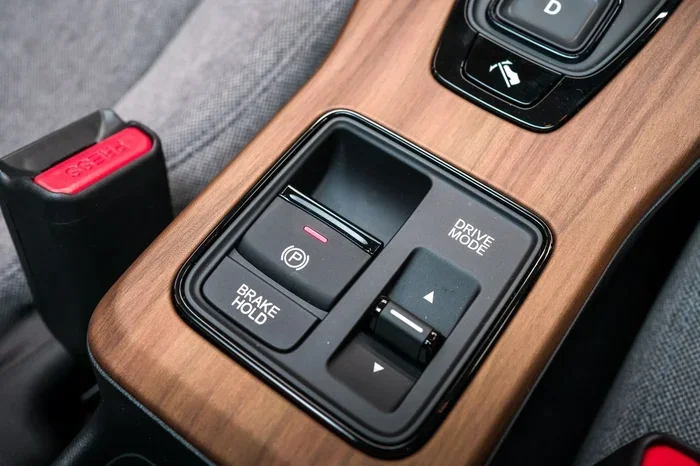
No, they are not universal. Most vehicles from 2012 onward offer some form of drive mode selection. Older vehicles and very budget models may not have this feature. Check your dashboard or center console for mode buttons or a rotary dial.
Final Thoughts
Switching drive modes while driving is a feature that adds real value to your daily commute and long road trips alike. It gives you the flexibility to adapt your vehicle’s behavior to changing conditions in real time. The key is doing it safely and thoughtfully.
Remember to plan ahead. Check the weather. Anticipate road surface changes. Make your switches during stable driving moments. Keep both hands on the wheel. And when in doubt, stick with normal or auto mode.
Your vehicle is a sophisticated machine. The drive mode selector is one of the tools that makes it so capable. Use it wisely, and you will enjoy a safer, more efficient, and more enjoyable driving experience every time you hit the road.
Drive smart. Switch modes with confidence. And always prioritize safety over convenience.