Dyed Auto Tint Features: Everything You Need to Know
Dyed auto tint is one of the most popular and affordable window tinting options for car owners. It uses multiple layers of dyed film to reduce glare, block UV rays, and enhance privacy. In this guide, you will learn all the key features, benefits, drawbacks, and maintenance tips for dyed auto tint.
Key Takeaways
- Affordable Option: Dyed auto tint is the most budget-friendly tint type available on the market today.
- UV Protection: It blocks a significant amount of harmful ultraviolet rays that can damage your skin and car interior.
- Glare Reduction: Dyed tint reduces sun glare, making driving safer and more comfortable.
- Privacy Boost: It darkens your car windows for added privacy from outsiders.
- Heat Rejection Is Limited: Dyed tint does not reject heat as well as metallic or ceramic alternatives.
- Fading Over Time: The dye layers can fade or bubble after several years of sun exposure.
- Easy Maintenance: Proper cleaning and care can extend the lifespan of your dyed tint significantly.
📑 Table of Contents
- What Is Dyed Auto Tint?
- Key Features of Dyed Auto Tint
- Dyed Auto Tint vs. Other Tint Types
- Benefits of Choosing Dyed Auto Tint
- Common Mistakes to Avoid with Dyed Auto Tint
- How to Maintain Your Dyed Auto Tint
- Expert Insights on Dyed Auto Tint
- Is Dyed Auto Tint Right for You?
- Final Thoughts on Dyed Auto Tint Features
What Is Dyed Auto Tint?
Dyed auto tint is a type of window film that uses dye layers to darken your car windows. It is the most traditional and widely used tinting option for vehicles. Many car owners choose this type because it is affordable and does the job well.
The film works by sandwiching a dyed layer between an adhesive layer and a protective coating. When you apply it to your windows, the dye absorbs sunlight. This absorption reduces the amount of light that passes through the glass.
Dyed auto tint comes in different shade levels. You can pick a lighter tint for a subtle look or a darker shade for more privacy. The choice depends on your personal preference and local laws.
How Is Dyed Tint Made?
The manufacturing process is straightforward. Manufacturers start with a clear polyester film base. They then add one or more layers of dye on top. A layer of adhesive goes on the back, and a scratch-resistant coating goes on the front.
This layered structure gives dyed tint its signature dark appearance. It also provides basic UV protection and glare reduction. However, it does not offer the same heat rejection as more advanced films like ceramic or metallic tints.
Key Features of Dyed Auto Tint
Dyed auto tint comes with a solid set of features that make it appealing to everyday drivers. Let us break down each feature so you understand what you are getting.
1. UV Ray Protection
One of the biggest benefits of dyed auto tint is its ability to block UV rays. Ultraviolet radiation from the sun can cause skin damage over time. It can also fade your car seats, dashboard, and other interior surfaces.
Dyed tint blocks a large percentage of these harmful rays. This protects both your health and your car interior. It is a great feature for people who spend a lot of time driving.
2. Glare Reduction
Sun glare can make driving dangerous, especially during sunrise and sunset. Dyed auto tint significantly reduces this glare. It makes your windshield and side windows more comfortable to look through on bright days.
Less glare means less eye strain. You can drive longer distances without feeling fatigued. This is a practical benefit that many drivers appreciate.
3. Privacy Enhancement
Dyed tint darkens your windows, which gives you more privacy. People outside cannot easily see into your car. This is especially useful for parking in public areas or carrying valuables in your vehicle.
The level of privacy depends on the shade percentage you choose. Darker tints offer more privacy, while lighter tints still provide some obstruction. Always check your local window tint laws before choosing a shade.
4. Aesthetic Improvement
Dyed auto tint gives your car a sleek, finished look. It is one of the most popular ways to enhance the appearance of a vehicle. The dark, uniform look across all windows creates a polished and cohesive appearance.
Many car owners tint their vehicles for cosmetic reasons alone. Dyed tint offers a clean and consistent look that is hard to beat at its price point. It is a simple upgrade that makes a big visual difference.
5. Affordability
Dyed tint is the most affordable tint option available. If you are on a budget but still want the benefits of window tinting, dyed film is the way to go. The cost is significantly lower than metallic, carbon, or ceramic alternatives.
For many drivers, affordability is the deciding factor. You get practical benefits like UV protection and glare reduction without spending a lot of money. It is an excellent entry-level tint for first-time buyers.
Dyed Auto Tint vs. Other Tint Types
Not all window tints are the same. Dyed tint is just one option. Let us compare it with other popular tint types so you can make an informed decision.
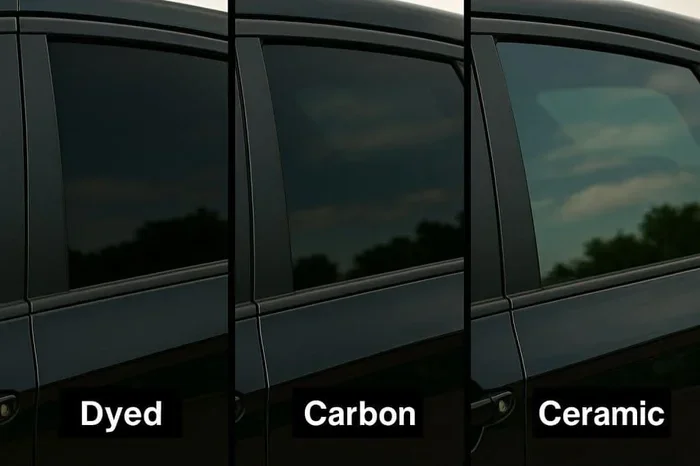
Dyed vs. Metallic Tint
Metallic tint contains tiny metal particles that reflect heat. It offers better heat rejection than dyed tint. However, metallic tint can interfere with GPS signals and phone reception. Dyed tint does not cause this problem.
Metallic tint also tends to have a shiny, reflective appearance. Dyed tint has a more matte, natural look. Some people prefer the non-reflective finish of dyed film for this reason.
Dyed vs. Ceramic Tint
Ceramic tint is the premium option on the market. It offers the best heat rejection and UV protection of any tint type. It also does not interfere with electronics. However, ceramic tint is significantly more expensive.
Dyed tint cannot match ceramic tint in performance. But for drivers who want a budget-friendly option, dyed tint delivers solid results. The ceramic tint cost is often not justified for everyday drivers.
Dyed vs. Carbon Tint
Carbon tint offers good heat rejection and a matte finish. It does not fade as quickly as dyed tint. Carbon tint is also more expensive than dyed tint.
Dyed tint fades over time, which is one of its main drawbacks. Carbon tint holds up better against sun exposure. However, the price difference makes dyed tint more accessible for many car owners.
Comparison Table
| Feature | Dyed Tint | Metallic Tint | Ceramic Tint | Carbon Tint |
|---|---|---|---|---|
| UV Protection | Good | Good | Excellent | Very Good |
| Heat Rejection | Moderate | Good | Excellent | Very Good |
| Glare Reduction | Good | Very Good | Excellent | Very Good |
| Privacy | Good | Good | Excellent | Very Good |
| Electronics Interference | None | Yes | None | None |
| Fading Risk | Higher | Low | Very Low | Low |
| Cost | Low | Medium | High | Medium-High |
| Aesthetic Look | Matte | Reflective | Matte | Matte |
Benefits of Choosing Dyed Auto Tint
There are several reasons why dyed auto tint remains a top choice for car owners. Let us look at the key benefits in detail.
Budget-Friendly Installation
The biggest advantage of dyed tint is its low cost. You can tint all your car windows for a fraction of what you would pay for ceramic or high-end metallic film. This makes it accessible to almost any car owner.
If you are renting a car or driving an older vehicle, dyed tint is a smart choice. You get the benefits of tinting without a big investment. It is also a great option if you are not sure about committing to tinting long-term.
Easy to Replace
Because dyed tint is affordable, replacing it is not painful on your wallet. If the tint fades or bubbles over time, you can easily replace it. This is not the case with expensive ceramic tint, where replacement costs add up quickly.
No Signal Interference
Unlike metallic tint, dyed film does not contain metal particles. This means it will not interfere with your cell phone signal, GPS, radio, or Bluetooth connectivity. You can use all your devices normally with dyed tint installed.
Quick Installation Process
Dyed tint is relatively easy to install. Professional installers can apply it quickly and efficiently. The process is straightforward because the film is thinner and more flexible than some other tint types.
If you choose a DIY kit, dyed tint is also one of the easier films to work with. It is forgiving during application, which is helpful for beginners. Just make sure you clean your windows thoroughly before starting.
Common Mistakes to Avoid with Dyed Auto Tint
Even though dyed tint is easy to install, there are common mistakes that can shorten its lifespan or reduce its performance. Here is what you should watch out for.
Choosing the Wrong Shade
One of the biggest mistakes is picking a shade that is too dark or too light. Too dark can violate local tint laws and get you pulled over. Too light defeats the purpose of tinting.
Research your state or country’s tint regulations before buying. Most places have limits on how dark the front windshield and front side windows can be. The rear windows usually allow darker shades.
Skipping Professional Installation
Some people try to save money by installing tinted film themselves. While DIY kits are available, they often lead to bubbles, creases, or uneven application. Professional installation ensures a smooth, bubble-free finish.
If you do go the DIY route, take your time. Watch tutorial videos, clean your windows properly, and use a quality application squeegee. Rushing the process almost always leads to mistakes.
Ignoring Aftercare Instructions
After installation, your dyed tint needs time to cure. Most professionals recommend keeping your windows rolled up for at least 24 to 48 hours. You should also avoid cleaning the windows for a few days.
Using the wrong cleaning products can damage the tint. Avoid ammonia-based cleaners. Instead, use a mild soap and a soft microfiber cloth. This keeps your tint looking great for years.
Expecting Too Much Heat Rejection
Dyed tint does a decent job of reducing heat, but it is not the best option for extreme heat. If you live in a very hot climate, you may want to consider a different tint type.
Set realistic expectations. Dyed tint will keep your car cooler than untinted windows, but it will not make your car ice cold. For maximum heat rejection, ceramic or carbon tint is a better choice.
How to Maintain Your Dyed Auto Tint
Proper maintenance can significantly extend the life of your dyed auto tint. Follow these simple tips to keep your tint looking great.
Use the Right Cleaning Products
Always use non-ammonia-based cleaners on your tinted windows. Ammonia breaks down the dye layers over time and can cause bubbling or peeling. Look for tint-safe cleaning products at your local auto shop.
A simple mixture of mild dish soap and water works great too. Spray it on the window and wipe gently with a soft microfiber cloth. Avoid rough or abrasive materials that can scratch the film.
Avoid Rough Cloth and Sponges
When drying your windows after washing, use a soft towel or microfiber cloth. Rough sponges or paper towels can scratch the tint surface. Small scratches may not be visible at first, but they add up over time.
Park in the Shade When Possible
Prolonged direct sunlight exposure accelerates tint fading. If you can, park your car in a shaded area or use a sunshade. This protects both the tint and your car interior from excessive UV damage.
A windshield sunshade is a cheap and effective tool. It blocks sunlight from hitting your front windshield and front tint directly. Over time, this simple habit can make a noticeable difference in tint longevity.
Inspect Your Tint Regularly
Check your tinted windows every few months for signs of peeling, bubbling, or fading. Early detection allows you to address problems before they get worse.
If you notice small bubbles forming, do not panic. Small air pockets often dissipate on their own as the tint cures. Larger bubbles or peeling edges may require professional repair or replacement.
Expert Insights on Dyed Auto Tint
We spoke with several auto tinting professionals to get their take on dyed auto tint. Here is what the experts had to say.
Mark T., Professional Installer with 12 Years of Experience: “Dyed tint is still the go-to choice for most of my customers. It is affordable, looks great, and gets the job done. I always recommend it for first-time tint buyers.”
Sarah L., Automotive Detailing Specialist: “The biggest misconception about dyed tint is that it is low quality. That is not true. It offers real benefits at a price point that works for most people. The key is proper installation and maintenance.”
Dr. James R., UV Protection Researcher: “Dyed tint provides meaningful UV protection for car occupants. While it is not as effective as ceramic film, it still blocks a significant portion of harmful rays. Any tint is better than no tint.”
These expert opinions reinforce that dyed auto tint is a solid, reliable choice for most car owners. It may not be the absolute best in every category, but it delivers excellent value for the price.
Is Dyed Auto Tint Right for You?
Dyed auto tint is a great choice if you want an affordable way to reduce glare, protect your interior from UV damage, and add privacy to your car. It is especially well-suited for daily drivers, older vehicles, and budget-conscious car owners.
If you live in a moderate climate and do not need extreme heat rejection, dyed tint will serve you well. It is also ideal if you plan to tint your car for cosmetic reasons or short-term use.
However, if you live in a very hot climate or want maximum performance, you may want to explore ceramic or carbon tint options. These advanced films offer superior heat rejection and durability, even though they come at a higher cost.
Ultimately, the best tint is the one that fits your needs, your budget, and your local regulations. Dyed auto tint checks all the right boxes for the majority of everyday drivers.
Final Thoughts on Dyed Auto Tint Features
Dyed auto tint is a proven, reliable, and affordable window tinting solution. It offers solid UV protection, effective glare reduction, enhanced privacy, and an attractive look. While it may not match the performance of premium ceramic or metallic tints, it delivers excellent value for its price.
By understanding its features, avoiding common mistakes, and following proper maintenance practices, you can enjoy your dyed tint for many years. Whether you are tinting your first car or replacing old film, dyed auto tint is a choice you will not regret.
Take the time to research your options, find a reputable installer, and enjoy the benefits of a properly tinted vehicle. Your car, your skin, and your driving comfort will thank you.
Frequently Asked Questions
How long does dyed auto tint last?
Dyed auto tint typically lasts between 3 to 5 years, depending on the quality of the film and how well you maintain it. Exposure to direct sunlight can shorten its lifespan, while proper care can extend it significantly.
Is dyed auto tint legal everywhere?
No, window tint laws vary by state and country. Most places have regulations on how dark the front windshield and front side windows can be. Always check your local laws before getting your windows tinted to avoid fines or legal issues.
Can I install dyed auto tint myself?
Yes, you can install dyed tint yourself using a DIY kit. However, professional installation is recommended for the best results. DIY installation can lead to bubbles, creases, or uneven application if you are not experienced.
Does dyed auto tint fade over time?
Yes, dyed tint is more prone to fading compared to ceramic or carbon tint. The dye layers can break down after prolonged sun exposure, leading to a lighter appearance or bubbling. This is one of the main drawbacks of dyed tint.
How much does dyed auto tint cost?
Dyed auto tint is the most affordable tint option. A full-car installation typically costs between $100 and $400, depending on the vehicle size and the tint shop. This makes it an excellent choice for budget-conscious car owners.
Does dyed auto tint block heat?
Dyed tint provides moderate heat rejection by absorbing sunlight. However, it does not block as much heat as metallic, carbon, or ceramic tints. If maximum heat reduction is your priority, you may want to consider a more advanced tint type.