Can You Put A Tow Bar On A Hybrid And Still Save Money
Yes, you can put a tow bar on a hybrid vehicle, but it requires careful planning and the right setup. Understanding your hybrid’s towing capacity, choosing the correct tow bar type, and factoring in installation costs all play a role in whether you actually save money. This guide breaks down everything you need to know about hybrid towing so you can make a smart, informed decision.
More and more drivers are asking one simple question: can you put a tow bar on a hybrid and still keep your wallet happy? The short answer is yes. But the full answer involves a few important details you need to know before you buy anything. Hybrid vehicles are built differently from traditional cars, and that changes how towing works. If you own a hybrid and need to tow a trailer, a caravan, or even another vehicle, this guide is for you. We will walk through every step of the process so you can make the best choice for your budget and your vehicle.
The idea of hybrid towing might feel confusing at first. You hear mixed messages online. Some people say hybrids cannot tow at all. Others say it works fine. The truth sits right in the middle. It depends on your specific hybrid model, the type of tow bar you choose, and how you set everything up. This article will clear up the confusion and give you practical advice you can use today.
Key Takeaways
- Hybrid vehicles can accept tow bars: Many hybrids support aftermarket tow bar kits, but always check your specific model first.
- Towing capacity varies widely: Your hybrid’s weight rating depends on the engine, transmission, and manufacturer guidelines.
- Cost savings are possible: Choosing the right tow bar and doing some work yourself can keep expenses low.
- Safety comes first: Proper wiring, weight distribution, and hybrid battery awareness are essential for safe towing.
- Detachable tow bars offer flexibility: They let you remove the bar when not towing, preserving your hybrid’s aerodynamics and fuel economy.
- Professional installation is recommended: While DIY is an option, a certified installer ensures everything meets safety standards.
- Hybrid towing can still save you money: Even with a tow bar, the fuel efficiency of a hybrid often beats traditional towing vehicles.
📑 Table of Contents
Why Hybrid Owners Consider Tow Bars
Hybrid owners have good reasons to think about adding a tow bar. Maybe you want to haul a small trailer for camping trips. Perhaps you need to tow a dinghy behind an RV. Or maybe you just want the flexibility to move large items without renting a truck. Whatever the reason, a tow bar kit opens up a world of possibilities.
But here is the thing. Hybrids are not like regular trucks or SUVs. They combine a gasoline engine with an electric motor. That unique setup affects how much weight they can safely pull. Before you invest in any towing equipment, you need to understand what your hybrid can actually handle.
The Appeal of Hybrid Towing
Hybrids already impress people with their fuel efficiency. Adding towing capability makes them even more useful. Imagine pulling a small boat or a utility trailer while still getting better mileage than a full-size truck. That is the dream for many hybrid owners. A hybrid vehicle towing setup lets you enjoy the best of both worlds. You get the eco-friendly benefits of a hybrid and the practical benefits of towing.
Another big draw is cost. Hybrids tend to hold their value well. Adding a tow bar to a hybrid can make the vehicle even more versatile without buying a second car for towing duties. This kind of smart thinking is exactly why so many people search for can you put a tow bar on a hybrid online every day.
How Hybrids Differ from Traditional Vehicles
Traditional vehicles rely on a single gasoline engine. Hybrids use two power sources. The electric motor adds torque, which can actually help with towing. But the battery pack adds weight, and that changes how the vehicle handles under load. Manufacturers build hybrids with specific weight limits in mind. Exceeding those limits can damage the drivetrain, the battery, or the brakes.
Also, hybrid braking systems work differently. They use regenerative braking to recover energy. When you add a heavy trailer, the standard brakes do more of the work. This means your stopping distance can change. You need to account for this when planning any towing setup.
Understanding Towing Capacity in Hybrids
Every vehicle has a towing capacity. This is the maximum weight it can safely pull. For hybrids, this number depends on several factors. Your owner’s manual is the best place to start. Look for the gross vehicle weight rating, or GVWR. This number tells you the total weight your hybrid can carry, including passengers, cargo, and the trailer itself.
Do not guess at this number. Guessing can lead to serious safety problems. Overloading a hybrid can strain the motor, overheat the battery, and wear out the brakes faster. Always stick to the manufacturer’s recommended limits.
Checking Your Hybrid’s Weight Rating
To find your hybrid’s towing capacity, check the door jamb sticker or the owner’s manual. Some manufacturers list towing capacity right on the spec sheet. Others require you to look up a separate towing guide. For example, the Toyota Prius has a very limited towing capacity because it is a compact hybrid. The Toyota RAV4 Hybrid, on the other hand, can tow more because it is a larger SUV.
Here are a few quick tips for finding your weight rating:
- Check the owner’s manual first. It always has the official towing numbers.
- Look for the gross trailer weight rating on the vehicle label.
- Contact your dealer if you cannot find the information online.
- Never rely on forum posts or anecdotal advice for towing limits.
Engine vs. Electric Motor Towing Power
Hybrids get their towing power from both the gasoline engine and the electric motor. The electric motor delivers instant torque, which helps with initial acceleration when pulling a load. The gasoline engine takes over for sustained highway towing. Together, they can provide a smooth and responsive towing experience.
But there is a catch. The electric motor relies on the battery pack. Towing a heavy load drains the battery faster because the motor works harder. In some hybrids, this means the battery depletes quickly on long hills. The gasoline engine compensates, but fuel economy drops during towing. Keep this in mind when planning long trips with a trailer.
Tow Bar Types and Compatibility
Not all tow bars are the same. When you search for tow bar installation options, you will find many choices. The right type depends on your hybrid model, your towing needs, and your budget. Let us break down the most common options.
Fixed vs. Detachable Tow Bars
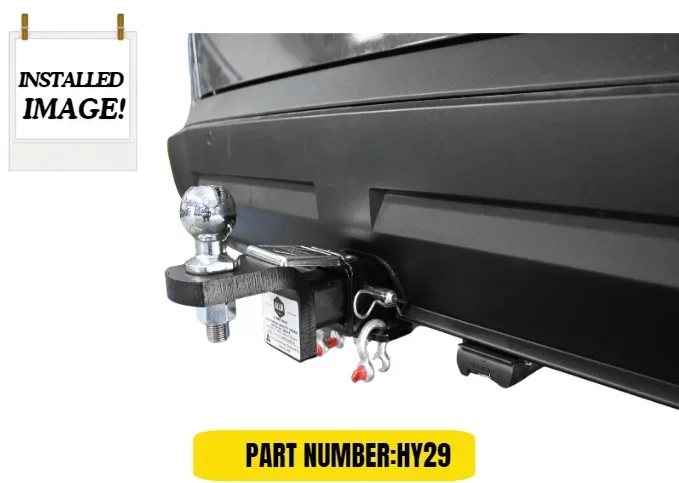
Fixed tow bars bolt directly to the vehicle frame. They stay attached at all times. This makes them sturdy and reliable. But they also add weight and reduce your hybrid’s aerodynamic efficiency. That means slightly lower fuel economy when you are not towing.
Detachable tow bars are a better choice for most hybrid owners. You can remove the bar when you are not towing. This preserves your hybrid’s fuel efficiency and keeps the vehicle looking clean. Detachable bars also make it easier to park in tight spaces. The trade-off is a slightly higher price tag.
Universal vs. Vehicle-Specific Kits
Universal tow bar kits fit many vehicles. They are cheaper and easier to find. But they may not align perfectly with your hybrid’s frame. Vehicle-specific kits are designed for one model or a small group of models. They bolt on more easily and tend to be safer.
For hybrid owners, we strongly recommend a vehicle-specific kit. Hybrids have unique frame designs, and the battery placement can affect where a tow bar mounts. A tow bar mounting bracket designed for your specific hybrid will save you headaches down the road.
| Feature | Fixed Tow Bar | Detachable Tow Bar |
|---|---|---|
| Stability | High | High |
| Fuel Economy Impact | Moderate | Low (when removed) |
| Installation Difficulty | Moderate | Moderate |
| Cost | Lower | Higher |
| Parking Convenience | Poor | Excellent |
| Best For | Frequent towing | Occasional towing |
Installation Process and Costs
Installing a tow bar on a hybrid follows a similar process to installing one on a regular car. But there are a few hybrid-specific steps you should know about. The good news is that many kits come with detailed instructions. And some handy owners handle the job themselves.
DIY vs. Professional Installation
If you enjoy working on cars, a DIY installation can save you hundreds of dollars. Most tow bar kits include all the hardware you need. You will need basic tools like a socket set, a torque wrench, and a jack. The process usually involves mounting a base plate to the frame, attaching the tow bar head, and wiring in the electrical connector.
However, hybrid vehicles have high-voltage battery systems. Working near the battery or the hybrid powertrain requires extra caution. If you are not comfortable with automotive electrical systems, hire a professional. A certified tow bar installation expert will ensure everything is grounded correctly and safely.
Hidden Costs to Watch For
The tow bar kit itself is only part of the cost. You also need wiring for the trailer lights. Some hybrids require a specific wiring harness to avoid damaging the electrical system. You may need a weight distribution hitch if you are towing a heavy load. And do not forget about the cost of a safety chain, a breakaway switch, and proper mirrors for seeing your trailer.
Here is a rough cost breakdown for a typical hybrid towing hitch setup:
- Tow bar kit: $200 to $600
- Base plate (vehicle-specific): $100 to $300
- Wiring harness: $30 to $80
- Weight distribution hitch (if needed): $150 to $400
- Trailer lights connector: $20 to $50
- Professional installation (if chosen): $200 to $500
Add these up, and a full tow bar setup can range from $700 to $1,900. That sounds like a lot. But compare it to buying a dedicated towing vehicle, and a hybrid with a tow bar still saves you serious money.
Safety Considerations and Wiring
Safety must come first when towing with any vehicle. Hybrids add a layer of complexity because of their electrical systems. You need to pay attention to the wiring and the battery pack during towing.
Lighting and Electrical Connections
Your trailer needs working brake lights and turn signals. The tow bar wiring harness connects your hybrid’s electrical system to the trailer lights. Most kits include a plug-and-play wiring adapter. You simply connect it to your hybrid’s tail light assembly, and the trailer lights will work through the tow bar.
Make sure the wiring is weatherproof and securely fastened. A loose connection can cause your brake lights to fail, which is dangerous and illegal in most states. Test all lights before every trip.
Hybrid Battery Safety During Towing
This is where hybrids differ most from traditional vehicles. The high-voltage battery pack sits low in the vehicle, often under the floor. When you tow a hybrid, the battery should remain connected and functional. Some manufacturers recommend specific towing modes or gear positions to protect the battery.
Never tow a hybrid with all four wheels on the ground unless the owner’s manual explicitly allows it. Some hybrids cannot be flat towed because the electric motor generates voltage when the wheels turn, which can damage the system. Always check your manual before flat towing.
Quick Tip: Before every towing trip, inspect your tow bar bolts, safety chains, and wiring connections. A quick five-minute check can prevent a dangerous breakdown on the road.
Can You Still Save Money With a Hybrid Tow Bar?
This is the real question, isn’t it? You want to know if adding a tow bar to your hybrid actually saves money compared to other options. The answer is yes, but with some important caveats.
Fuel Savings vs. Towing Costs
Hybrids are famous for their fuel economy. Even when towing, a hybrid typically uses less fuel than a comparable gasoline SUV or truck. Over the course of a year, those fuel savings can offset the cost of the tow bar and installation. If you tow regularly, the savings add up fast.
For example, imagine you tow a 1,500-pound trailer twice a month. A hybrid might average 35 miles per gallon while towing. A traditional V6 SUV might average 22 miles per gallon. Over 12 months, the hybrid saves you hundreds of dollars at the pump. That is real money back in your pocket.
Long-Term Value of Hybrid Towing
Beyond fuel savings, consider the resale value. Hybrids are in high demand on the used market. A hybrid that has been properly equipped with a tow bar becomes even more attractive to buyers. You are not just saving money on fuel. You are also protecting and potentially increasing your vehicle’s value.
Another money-saving angle is versatility. Instead of buying a second vehicle for towing, you use your hybrid for both daily driving and towing. That means one insurance payment, one registration fee, and one payment plan. Over several years, this adds up to significant savings.
The key is to plan carefully. Choose the right tow bar cost option for your needs. Do not overspend on features you will never use. And always prioritize safety over saving a few dollars. A poorly installed tow bar can lead to accidents, repairs, and expensive insurance claims.
Expert Insights on Hybrid Towing
Automotive experts agree that hybrid towing is a smart move for the right driver. According to several industry sources, the torque delivery from electric motors makes hybrids surprisingly capable tow vehicles for their size. The key is staying within the manufacturer’s towing limits and using the right equipment.
Experts also emphasize the importance of regular maintenance. When you tow with a hybrid, your brakes, tires, and battery system work harder. Schedule maintenance checks more frequently than you would for a non-towing vehicle. This simple habit can extend the life of your hybrid and keep it running safely for years.
Key Takeaways for Hybrid Tow Bar Owners
Let us recap the most important points from this guide. If you take nothing else away from this article, remember these essentials:
- Always check your hybrid’s towing capacity before buying a tow bar. Exceeding the limit can cause serious damage.
- Choose a vehicle-specific tow bar kit for the best fit and safety. Universal kits are cheaper but less reliable.
- Invest in proper wiring and lighting to ensure your trailer is visible to other drivers on the road.
- Consider a detachable tow bar if you only tow occasionally. It preserves your hybrid’s fuel efficiency.
- Budget for hidden costs like wiring harnesses, safety chains, and professional installation if needed.
- Hybrid towing can save you money over time through fuel savings and the versatility of using one vehicle for multiple purposes.
- Safety is non-negotiable. Follow all manufacturer guidelines for towing with a hybrid, and never exceed weight limits.
Adding a tow bar to your hybrid is absolutely possible. With the right planning, the right equipment, and a focus on safety, you can enjoy all the benefits of towing without sacrificing the fuel efficiency that made you choose a hybrid in the first place. The question is not really whether you can you put a tow bar on a hybrid. The question is whether you are willing to do it the right way. And now you have all the information you need to make that decision with confidence.
So go ahead. Explore your options. Talk to your dealer. Research the best tow bar kit for your specific hybrid model. And start enjoying the freedom and versatility that hybrid towing can offer. Your wallet and your adventures will thank you.
Frequently Asked Questions
Can all hybrid vehicles be fitted with a tow bar?
Not all hybrids can accept a tow bar. Each model has its own towing limits set by the manufacturer. Compact hybrids like the Toyota Prius have very limited towing capacity, while larger hybrids like the Toyota RAV4 Hybrid can tow more. Always check your owner’s manual or contact your dealer before purchasing a tow bar kit.
Does installing a tow bar void my hybrid warranty?
In most cases, a professionally installed tow bar does not void your warranty. However, if the installation causes damage to the frame or electrical system, the manufacturer may deny the claim. To stay safe, have the tow bar installed by a certified technician and keep all receipts and documentation.
How much does it cost to install a tow bar on a hybrid?
The total cost ranges from about $700 to $1,900 depending on the kit, the vehicle model, and whether you choose DIY or professional installation. Vehicle-specific kits cost more but provide a better fit and safer towing experience.
Can I flat tow a hybrid with all four wheels on the ground?
Some hybrids can be flat towed, but many cannot. Flat towing with the wheels on the ground can damage the electric motor and battery system in certain hybrids. Always consult your owner’s manual for the correct towing method before attempting to flat tow.
Will a tow bar reduce my hybrid’s fuel efficiency?
Yes, towing adds aerodynamic drag and engine load, which reduces fuel efficiency. However, hybrids still typically use less fuel while towing than comparable gasoline vehicles. The impact on mileage depends on the weight of your trailer and the distance you travel.
What is the safest way to tow with a hybrid vehicle?
The safest approach is to use a vehicle-specific tow bar kit, install it correctly, wire in proper trailer lighting, and never exceed the manufacturer’s towing capacity. Regular maintenance checks on brakes, tires, and the battery system are also essential for safe hybrid towing.
=== CONCLUSION ===
Can you put a tow bar on a hybrid and still save money? Absolutely. With the right tow bar kit, proper installation, and a clear understanding of your hybrid’s towing capacity, you can enjoy the versatility of towing without breaking the bank. Hybrids offer a unique combination of fuel efficiency and towing capability that makes them excellent choices for budget-conscious drivers who need to pull trailers or equipment.
Remember to always prioritize safety. Check your weight ratings, use the right equipment, and maintain your hybrid regularly. The upfront investment in a tow bar pays off over time through fuel savings and the convenience of having one vehicle that does it all. Start your research today, and you will be on the road with confidence in no time.