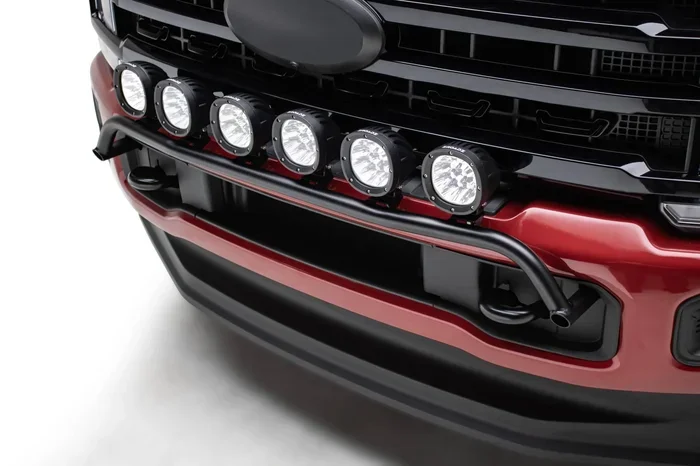
Car Front Bumper Lights That Will Transform Your Ride
Car front bumper lights are one of the easiest and most effective ways to upgrade your vehicle’s look and safety. From LED bumper light bars to fog lights and custom accent options, front bumper lights boost both style and driving visibility. In this guide, you’ll learn everything about choosing, installing, and maintaining the perfect car bumper lights.
Key Takeaways
- Enhanced Safety: Front bumper lights improve visibility during fog, rain, and nighttime driving, keeping you safer on the road.
- Multiple Types Available: LED, fog, driving, and accent bumper lights each serve different purposes for your vehicle.
- Easy Installation: Most car front bumper lights can be installed at home with basic tools in under an hour.
- Weatherproof Matters: Always choose weatherproof and waterproof options for long-lasting performance in all conditions.
- Legal Compliance: Know your local laws regarding aftermarket vehicle lighting to avoid fines or inspection issues.
- Regular Maintenance: Simple cleaning and bulb checks keep your front end lighting looking and working great for years.
📑 Table of Contents
- Car Front Bumper Lights That Will Transform Your Ride
- Why Car Front Bumper Lights Are a Game-Changer
- Types of Front Bumper Lights You Can Choose From
- How to Choose the Best Front Bumper Lights for Your Car
- Step-by-Step Guide to Installing Front Bumper Lights
- Common Mistakes to Avoid When Buying Bumper Lights
- Maintenance Tips to Keep Your Bumper Lights Shining Bright
- Expert Insights on Maximizing Your Front End Lighting
- Conclusion
Car Front Bumper Lights That Will Transform Your Ride
Your car’s front end is the first thing people notice. And nothing makes a stronger first impression than car front bumper lights that instantly upgrade your vehicle’s style and function. Whether you drive a daily commuter or a rugged off-road beast, the right bumper lights can completely change how your car looks and performs on the road.
Front bumper lights do more than just add a cool glow. They improve your driving visibility, make you more noticeable to other drivers, and give your vehicle a custom look that stands out in any parking lot. From LED bumper light bars to sleek fog light setups, the options today are better than ever. This guide covers everything you need to know about automotive lighting for your front bumper.
We’ll walk you through the different types of car bumper lights, how to pick the right ones, how to install them yourself, and how to keep them shining bright for years. Whether you’re into car customization or just want better driving visibility, this article has you covered. Let’s dive in and explore the world of front end lighting.
Why Car Front Bumper Lights Are a Game-Changer
Adding front bumper lights to your vehicle is one of those upgrades that pays off in more ways than one. It’s not just about looks. These lights serve real, practical purposes that make every drive better. Let’s break down why this upgrade is worth your time and money.
Better Visibility and Safety
One of the biggest reasons drivers upgrade their vehicle lighting is safety. Fog, heavy rain, and snow can all reduce your visibility dramatically. Front bumper lights cut through bad weather conditions and help you see the road more clearly. They also make your car easier for other drivers to spot, which reduces the risk of accidents.
Daytime running lights installed on your bumper are proven to lower crash rates. Studies show that vehicles with enhanced front end lighting are more visible during daylight hours. That alone is a strong reason to consider this upgrade.
Instant Style Upgrade
Let’s be honest. There’s something deeply satisfying about a car that looks sharp. Custom bumper lights give your front end a modern, aggressive look. Whether you prefer a subtle glow or a bold light bar, the right setup makes your car look like it rolled off a showroom floor. Car enthusiasts love how a simple lighting change can redefine the entire front profile of their vehicle.
Increased Resale Value
Here’s a detail many people overlook. Well-maintained aftermarket car accessories like quality bumper lights can actually boost your car’s resale value. Buyers notice upgraded lighting. It signals that the previous owner took good care of the vehicle. A set of clean, functioning LED bumper lights is an easy selling point.
Types of Front Bumper Lights You Can Choose From
Not all front bumper lights are the same. Different types serve different needs. Understanding what’s available helps you make the right choice for your car and your driving style. Here’s a breakdown of the most popular options.
LED Bumper Light Bars
LED bumper light bars are the most popular upgrade on the market right now. They’re bright, energy-efficient, and come in a wide range of sizes. You can mount them horizontally across the bumper or vertically for a unique look. Most LED light bars are weatherproof and built to handle rough conditions. They’re a top choice for both daily drivers and off-road vehicles.
Fog Lights
Fog lights are designed specifically for low-visibility conditions. They sit low on the front bumper and cast a wide, flat beam that cuts through fog, mist, and dust. Unlike standard headlights, fog lights reduce glare and reflection. If you live in a region with frequent fog or heavy rain, fog lights are a must-have form of automotive lighting.
Driving Lights
Driving lights are similar to fog lights but are designed for longer-range illumination. They’re popular among off-road driving enthusiasts who need extra light on dark trails and unpaved roads. Driving lights pair well with your existing headlights and extend your visible range significantly. Many drivers install them alongside a bumper light bar for full front end lighting.
Accent and Ambient Lights
If you’re more into style than function, accent lights are a great option. These include LED strips, DRL (daytime running light) strips, and ambient glow kits that mount around or behind the bumper grille. They add a subtle, modern look without being overly bright. Accent lights are perfect for car customization and making your vehicle unique.
Bumper Grille Lights
Bumper grille lights are mounted inside or around the grille area. They highlight your car’s grille design and add a distinctive front-end presence. Many modern cars come with these from the factory, but aftermarket options are widely available. They’re especially popular for truck and SUV owners who want a bold front profile.
How to Choose the Best Front Bumper Lights for Your Car
With so many options out there, picking the right car bumper lights can feel overwhelming. Here are the key factors to keep in mind before you buy.
Consider Your Driving Needs
Think about how and where you drive most often. If you deal with bad weather regularly, prioritize fog lights and weatherproof options. If you enjoy off-road driving, driving lights and LED bumper light bars will serve you best. For city driving and style, accent lights and DRL strips are ideal. Matching your lights to your actual driving habits saves you from buying things you won’t use.
Check Compatibility
Not every set of front bumper lights fits every car. Before purchasing, verify that the lights are compatible with your specific make, model, and year. Many manufacturers list compatible vehicles on their product pages. You can also check forums and owner communities for real-world fitment reports. A proper fit means clean installation and no gaps or misalignment.
Brightness and Beam Pattern
Brightness matters. Look for lights with a high lumen output for better illumination. But brightness alone isn’t enough. The beam pattern determines how the light spreads. A good beam pattern lights up the road without blinding oncoming traffic. Check product reviews for real-world feedback on beam quality before making your purchase.
Build Quality and Weatherproof Rating
Your front bumper lights will face rain, snow, dust, and extreme temperatures. Choose products with a strong IP (Ingress Protection) rating. An IP67 or IP68 rating means the lights are fully waterproof and dustproof. Quality materials like polycarbonate lenses and aluminum housings also signal durability. Cheaply made off-road lights may look affordable, but they often fail quickly.
Ease of Installation
Some car front bumper lights require professional installation, but many are designed for DIY setups. Look for products with plug-and-play wiring, included mounting hardware, and clear instructions. If you’re new to installing car accessories, choose a kit with a straightforward wiring harness that connects to your existing electrical system.
Budget Considerations
You can find quality bumper lights at various price points. Budget-friendly LED strips can still deliver great results for accent lighting. Mid-range options cover most fog and driving light needs. Premium kits offer the brightest output, best build quality, and longest warranties. Set a realistic budget based on your priorities and stick to trusted brands.
Step-by-Step Guide to Installing Front Bumper Lights
Installing front bumper lights is easier than most people think. With basic tools and a little patience, you can do it yourself in under an hour. Here’s a general walkthrough. Always refer to your specific product’s installation guide for exact steps.
What You’ll Need
- Screwdriver set (Phillips and flathead)
- Wire strippers and connectors
- Mounting brackets (usually included)
- Zip ties for cable management
- Electrical tape or heat shrink tubing
- Your new bumper lights and wiring harness
Installation Steps
Step 1: Park your car on a flat surface and engage the parking brake. Disconnect the negative battery terminal to prevent any electrical shorts during installation.
Step 2: Remove the bumper cover or grille panel that blocks access to the mounting area. Most covers are held by clips and screws. Keep track of every screw and clip in a small container.
Step 3: Position your new front bumper lights against the mounting area. Hold them in place and mark the screw holes. Drill pilot holes if needed, but many kits use existing holes from factory fog light or accessory mounts.
Step 4: Secure the lights with the provided brackets and screws. Make sure they’re flush and evenly aligned. Use a level if you want a perfectly straight fit.
Step 5: Connect the wiring harness. Match the positive and negative wires from your lights to the relay or directly to your car’s electrical system, depending on the kit design. Use weatherproof connectors and seal any exposed wiring points.
Step 6: Reconnect the battery and test your new lights before reassembling the bumper cover. Check that all lights function properly and that the beam pattern looks correct.
Step 7: Reinstall the bumper cover and enjoy your upgraded front end lighting.
Quick Tips for a Smooth Installation
- Always test your lights before closing up the bumper cover. It’s much easier to fix issues with access.
- Use dielectric grease on electrical connections to prevent corrosion over time.
- Label every wire you disconnect from the factory setup so reassembly is foolproof.
- Consider adding an inline fuse to protect your new lights from electrical surges.
Common Mistakes to Avoid When Buying Bumper Lights
Even experienced car owners make mistakes when shopping for car bumper lights. Here are the most common ones to watch out for.
Skipping Compatibility Checks
This is the number one error. Buying lights that don’t fit your vehicle leads to frustration, extra costs, and sometimes unsafe installations. Always double-check fitment before ordering. Many returns happen because of this simple oversight.
Prioritizing Looks Over Function
It’s easy to fall in love with a flashy light bar, but if it doesn’t meet your actual driving needs, it’s not the right choice. Think about what you need from your vehicle lighting first. Style should complement function, not replace it.
Ignoring Local Laws
Aftermarket lighting laws vary by state and country. Some areas restrict the color, brightness, and placement of auxiliary lights. Red or blue lights, for instance, are often restricted to emergency vehicles. Before you buy, check your local traffic codes to ensure your custom bumper lights are street legal. Getting pulled over for illegal lighting is an avoidable headache.
Choosing the Cheapest Option
You don’t need to spend a fortune, but the absolute cheapest products often cut corners on durability and brightness. A low-quality fog light might fog up internally within months. Invest in reputable brands that offer warranties and proven performance. Think of it as a long-term investment in your car rather than a one-time purchase.
Overlooking Water Seals
Even if a product claims to be waterproof, poor installation can compromise the seal. Always apply silicone sealant around mounting points and ensure all wire connections are properly insulated. Water damage inside a bumper light housing ruins the unit quickly. Protect your investment by taking extra care with seals during installation.
Maintenance Tips to Keep Your Bumper Lights Shining Bright
Once you’ve invested in quality front bumper lights, you want them to last. Good maintenance goes a long way. Here’s how to keep them in top shape.
Regular Cleaning
Dirt, road grime, and bug splatter reduce light output over time. Wipe down your bumper lights at least once a week with a soft cloth and mild soap. For tough buildup, use a dedicated automotive cleaner. Clean lenses ensure maximum brightness and clarity every time you drive.
Inspect Wiring Periodically
Check your wiring connections every few months. Look for frayed wires, loose connectors, or signs of corrosion. Early detection prevents bigger electrical issues down the line. A quick inspection takes only a few minutes but can save you from costly repairs.
Replace Bulbs Promptly
If one light in a set burns out, replace it as soon as possible. Driving with uneven lighting looks bad and can also be a safety issue. Most LED bumper light bars last for tens of thousands of hours, but individual units in a bar can occasionally fail. Keep spare bulbs or replacement modules on hand.
Re-Seal After Heavy Impact
If your front bumper takes a hit from a curb, rock, or minor collision, check the seals around your bumper lights immediately. Even small cracks let moisture in. Re-seal any compromised areas with automotive-grade silicone to maintain the waterproof rating of your off-road lights or fog lights.
Protect During Winter
Winter conditions are harsh on automotive accessories. Road salt and ice can corrode housings and connectors. After washing your car, rinse the front bumper area thoroughly. Consider applying a protective coating to exposed metal brackets to prevent rust and corrosion throughout the cold months.
Expert Insights on Maximizing Your Front End Lighting
We spoke with automotive lighting specialists to get their take on the best practices for front bumper lights. Here’s what they had to say.
Match Your Lights to Your Vehicle’s Character
“The best car customization choices enhance what the vehicle already is,” says one lighting expert. “A truck deserves rugged driving lights. A sports car looks better with sleek LED strips. Don’t force a style that doesn’t match the vehicle’s DNA.”
Think About the Full Lighting Ecosystem
Experts also recommend thinking beyond just bumper lights. Your headlights, fog lights, accent lighting, and underbody lights should all work together. A cohesive front end lighting setup looks much better than a random collection of aftermarket parts. Plan your full upgrade before buying individual pieces.
Consider Professional Help for Complex Setups
“If you’re wiring multiple car bumper lights to a single switch or adding a relay setup, it’s worth paying a professional,” the expert adds. “Clean wiring looks better, performs better, and is safer. Don’t let a simple job turn into an electrical nightmare.”
Conclusion
Car front bumper lights are more than just a visual upgrade. They boost your safety, improve your driving visibility, and give your vehicle a custom personality that’s all your own. Whether you go with LED bumper light bars, fog lights, driving lights, or subtle accent strips, the right front bumper lights will genuinely transform your ride.
The key is to choose lights that match your actual driving needs, fit your vehicle properly, and are built to last. Installation is straightforward for most DIYers, and maintenance is simple with regular cleaning and inspections. Avoid common mistakes like ignoring compatibility or local laws, and you’ll enjoy your upgraded automotive lighting for years to come.
Now that you have all the information you need, it’s time to take action. Explore your options, pick the perfect car front bumper lights, and hit the road with a ride that looks and performs like never before. Your transformation starts at the front bumper.
Frequently Asked Questions
Are front bumper lights legal on public roads?
In most areas, yes, as long as they meet local traffic regulations. White and amber lights are generally allowed on the front of vehicles. Always check your specific state or country laws before installing aftermarket lights to ensure compliance and avoid fines.
How long do LED bumper lights last?
Quality LED bumper lights can last between 30,000 and 50,000 hours of use. That translates to many years of daily driving without needing a replacement. Look for products with manufacturer warranties for added peace of mind on your investment.
Can I install front bumper lights myself?
Absolutely. Most aftermarket bumper light kits are designed for DIY installation. They come with mounting hardware, wiring harnesses, and detailed instructions. Basic tools and a couple of hours are usually all you need to get the job done right.
What’s the difference between fog lights and driving lights?
Fog lights produce a wide, low beam designed to cut through fog, mist, and dust close to the ground. Driving lights provide a longer-range, focused beam for illuminating distant roads, especially during off-road driving at night. Both are excellent additions to your front end lighting setup.
Will bumper lights drain my car battery?
Not if installed correctly. LED bumper lights use very little power compared to standard headlights. Most kits draw minimal current and can run for extended periods without affecting your battery. Adding an inline fuse and relay ensures safe, efficient power usage from your vehicle’s electrical system.
How do I clean foggy or yellowed bumper light lenses?
You can restore foggy lenses using a headlight restoration kit or a simple mixture of baking soda and water. Rub the mixture onto the lens with a soft cloth, then rinse and dry. For severe yellowing, a plastic polish or professional refinishing may be needed to restore full clarity.