Car LPG Tank Capacity How Much Fuel Can Your Car Hold
Car LPG tank capacity varies widely depending on vehicle type, brand, and model. Most standard cars hold between 50 and 80 liters of LPG fuel, while larger SUVs and sedans can carry up to 100 liters or more. Understanding your LPG fuel tank size helps you plan trips, save money, and avoid running out of fuel unexpectedly.
Have you ever wondered how much LPG fuel your car can actually hold? The answer comes down to one simple thing: car LPG tank capacity. Whether you drive a compact hatchback or a full-size SUV, the size of your LPG fuel tank determines how far you can go on a single fill and how often you need to stop at an LPG filling station.
Understanding your vehicle’s fuel tank size is more important than most people think. It affects your daily commute, your road trip planning, and even your overall car fuel efficiency. In this guide, we break down everything you need to know about LPG tank capacity for cars. From standard sizes to installation tips, we cover it all in plain, simple language.
By the end of this article, you will know exactly what tank size fits your car, how to choose the right one, and how to get the best mileage out of every liter. Let us dive in.
Key Takeaways
- Standard car LPG tank capacity ranges from 50 to 100 liters depending on the vehicle type.
- Sedans and hatchbacks typically hold 50 to 70 liters, while SUVs can hold 80 to 100 liters or more.
- Tank material matters — steel, aluminum, and composite tanks each have different weight and durability profiles.
- LPG tank installation must follow safety regulations and fit within your vehicle’s available space.
- Fuel range depends on tank capacity, engine efficiency, and driving conditions.
- Regular maintenance and safety checks keep your LPG system running smoothly and safely.
- Choosing the right tank size balances fuel range, vehicle space, and budget considerations.
📑 Table of Contents
- What Is Car LPG Tank Capacity?
- Standard LPG Tank Sizes for Different Vehicles
- How to Choose the Right LPG Tank Capacity
- LPG Tank Installation and Space Considerations
- LPG Tank Safety and Maintenance
- LPG Tank Capacity vs Fuel Range and Efficiency
- Popular LPG Tank Brands and What to Look For
- Key Takeaways
- Conclusion
What Is Car LPG Tank Capacity?
When we talk about car LPG tank capacity, we mean the total volume of liquefied petroleum gas that a tank can safely store. This measurement is usually expressed in liters. A bigger tank holds more fuel, which means a longer driving range before you need to refuel.
LPG, also known as autogas, is a clean-burning alternative fuel. Many car owners choose it because it costs less than petrol and reduces emissions. But the amount of LPG your car can carry depends on several factors. These include the vehicle model, the type of LPG tank installation, and the available space in the car.
Here are the key terms you should know when discussing LPG tank capacity:
- Nominal capacity — The total volume the tank is designed to hold.
- Working capacity — The actual amount of fuel you can safely fill, usually about 80 to 90 percent of nominal capacity.
- Tank material — Steel, aluminum, or composite, each affecting weight and durability.
- Tank shape — Cylindrical, toroidal, or rectangular, depending on vehicle design.
- Fill level sensor — A device that tells you how much fuel remains in the tank.
Knowing these terms helps you make smarter decisions. It also helps you talk confidently with installers or mechanics about your autogas tank size.
Why Tank Capacity Matters
The size of your LPG fuel tank directly impacts how far you can drive on a single tank. A small tank might give you 300 kilometers of range, while a large one could push past 600 kilometers. For daily commuters, a smaller tank might be perfectly fine. But for long-distance drivers, a bigger capacity makes a real difference.
Think of it like this. If you drive 40 kilometers each day and your tank gives you 500 kilometers of range, you only need to refuel every two weeks. A smaller tank might mean you stop every five days. Over time, that adds up in convenience and time saved.
Standard LPG Tank Sizes for Different Vehicles
Not all cars have the same LPG tank capacity. Vehicle type plays a huge role in determining the right size. Let us look at what you can expect for different categories of cars.
Compact Hatchbacks and Sedans
Small cars like the Toyota Yaris, Honda City, or Volkswagen Golf usually come with a car LPG tank capacity of about 50 to 70 liters. These tanks fit neatly in the spare tire well or under the trunk floor. They are lightweight and do not take up much cargo space.
A 50-liter tank in a compact hatchback typically provides a driving range of 400 to 550 kilometers. That is plenty for most daily commutes and even medium-length trips.
Mid-Size Sedans and SUVs
Medium-sized vehicles like the Toyota Camry, Ford Escape, or Hyundai Tucson often use tanks in the 70 to 90-liter range. These cars have more space under the hood or in the trunk area, allowing for a larger LPG fuel tank.
With a 75-liter tank, a mid-size sedan can easily cover 600 to 750 kilometers on a single fill. SUVs with bigger engines may use more fuel per kilometer, but the larger tank compensates by holding more fuel.
Large SUVs and Light Commercial Vehicles
Large SUVs like the Toyota Land Cruiser or light commercial vans can carry autogas tank sizes of 90 to 120 liters or more. These vehicles have plenty of room for bigger tanks, and they also tend to consume more fuel due to their size and weight.
A 100-liter tank in a large SUV can deliver a range of 800 kilometers or more, depending on driving conditions and engine efficiency.
Quick Reference: Typical LPG Tank Sizes by Vehicle Type
| Vehicle Type | Typical Tank Capacity | Estimated Range |
|---|---|---|
| Compact Hatchback | 50 to 70 liters | 400 to 550 km |
| Mid-Size Sedan | 70 to 90 liters | 550 to 750 km |
| Mid-Size SUV | 70 to 90 liters | 500 to 700 km |
| Large SUV | 90 to 120 liters | 700 to 1000 km |
| Light Commercial Van | 100 to 150 liters | 800 to 1200 km |
These numbers are approximate. Your actual LPG tank dimensions and fuel range will vary based on engine type, driving habits, and road conditions.
How to Choose the Right LPG Tank Capacity
Selecting the right LPG tank capacity for your car involves more than just picking the biggest option available. You need to consider your driving habits, vehicle compatibility, and budget. Here is a practical guide to help you decide.
Step 1: Assess Your Daily Driving Needs
Start by calculating your average daily distance. If you drive 30 kilometers per day, a 50-liter tank gives you roughly two weeks of driving without refueling. If you drive 100 kilometers per day, you might want a 70 or 80-liter tank to avoid frequent stops.
Think about your typical driving patterns. Do you mostly drive in the city? On highways? A mix of both? Highway driving is more fuel-efficient, so a smaller tank might work. City driving with lots of stops uses more fuel, so a larger tank gives you more buffer.
Step 2: Check Your Vehicle’s Available Space
Not every car can fit every tank size. A compact hatchback has limited space for a LPG tank installation. The spare tire well is the most common location, but some cars use under-floor or trunk-mounted tanks instead.
Before you decide on a tank size, ask your installer to assess the available space. They can recommend the largest tank that fits safely and securely in your specific vehicle model.
Step 3: Consider Your Budget
Larger tanks cost more upfront. A 50-liter tank might cost between $800 and $1,200 to install, while a 90-liter tank could run $1,500 to $2,500. However, the extra fuel capacity can save you money over time by reducing how often you need to refuel.
Also consider the LPG tank weight. Heavier tanks can slightly reduce fuel efficiency. A composite tank weighs less than a steel tank of the same size, which can help maintain your car fuel efficiency.
Step 4: Think About Resale Value
If you plan to sell your car in the future, a professionally installed LPG system can add value. Many buyers appreciate the lower running costs. Make sure the tank and system are from a reputable brand and properly certified.
LPG Tank Installation and Space Considerations
Installing an LPG fuel tank is not a DIY job. It requires professional expertise and adherence to safety standards. The installation process involves selecting the right tank, finding the best mounting location, and connecting the fuel lines and vaporizer.
Common Tank Placement Locations
Most installers place LPG tanks in one of these locations:
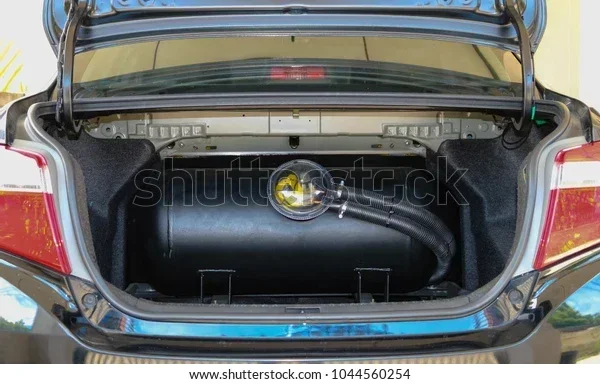
- Spare tire well — The most common spot for sedans and hatchbacks. The tank replaces or sits beside the spare tire.
- Under the trunk floor — Used in some SUVs and sedans where space allows.
- Under the vehicle — Common for light commercial vehicles and some SUVs.
- In the engine bay — Rare for modern cars but sometimes used for older models with enough space.
Each location has pros and cons. The spare tire well is accessible and easy to service. Under-floor placement keeps the tank hidden and protected. The key is to choose a location that does not compromise vehicle safety or car fuel efficiency.
Space Planning Tips
Before installation, consider these space tips:
- Measure the available area carefully. Even a few centimeters matter.
- Check if the tank interferes with the spare tire or cargo space.
- Ensure there is enough clearance for ventilation and heat dissipation.
- Ask about the LPG tank dimensions for the specific model you are considering.
A well-planned installation makes a big difference. It ensures safety, preserves cargo space, and keeps your dual fuel vehicle running smoothly.
LPG Tank Safety and Maintenance
Safety is the number one priority when dealing with compressed gas tank systems. LPG is stored under pressure, so proper handling, installation, and maintenance are essential.
Safety Features to Look For
A quality LPG tank should include these safety features:
- Pressure relief valve — Releases excess pressure to prevent tank rupture.
- Fuel level sensor — Accurately shows how much fuel remains.
- Emergency shut-off — Cuts fuel flow in case of a leak or accident.
- Corrosion-resistant coating — Protects the tank from rust and wear.
- Certification marks — Look for ISO, ADR, or local regulatory approvals.
Regular Maintenance Checklist
Keep your LPG system in top shape with these maintenance tips:
- Inspect the tank for visible damage or rust every six months.
- Check all fuel lines and connections for leaks.
- Test the pressure relief valve annually.
- Replace the vaporizer filter as recommended by the manufacturer.
- Have a professional inspect the entire LPG system components every 12 months.
- Keep the tank clean and free from debris around the filling point.
Regular maintenance extends the life of your tank and keeps you safe on the road. A well-maintained LPG tank can last 15 years or more with proper care.
Common Mistakes to Avoid
Here are some mistakes car owners make with their LPG tanks:
- Ignoring warning lights. If the fuel level sensor or check engine light comes on, get it checked immediately.
- Overfilling the tank. Always leave room for gas expansion, especially in hot weather.
- Using unqualified installers. Always choose certified professionals for LPG tank installation.
- Skipping regular inspections. Even if everything seems fine, regular checks catch problems early.
- Choosing the cheapest tank. Low-quality tanks may save money upfront but can be dangerous and costly in the long run.
LPG Tank Capacity vs Fuel Range and Efficiency
A bigger car LPG tank capacity does not always mean better fuel economy. It means you carry more fuel, which increases your range. But your actual fuel efficiency depends on how the engine burns the gas and how you drive.
Understanding LPG Consumption Rates
Most cars running on LPG consume about 10 to 15 percent more fuel volume than they would on petrol. This is because LPG has a lower energy density per liter. However, LPG costs significantly less per liter in most countries, so the overall cost per kilometer is still lower.
Here is a simple way to estimate your range:
- Tank capacity in liters multiplied by your vehicle’s LPG consumption rate gives you the total range.
- For example, a 60-liter tank with a consumption of 12 liters per 100 kilometers gives you a range of 500 kilometers.
Tips to Maximize Your Fuel Range
Want to get the most out of every fill? Try these tips:
- Keep your tires properly inflated for better fuel efficiency.
- Avoid aggressive acceleration and hard braking.
- Use cruise control on highways to maintain a steady speed.
- Remove unnecessary weight from your vehicle.
- Plan your routes to avoid heavy traffic when possible.
- Have your LPG system components serviced regularly for optimal performance.
These small changes add up. They can improve your LPG mileage per liter by 5 to 10 percent over time.
Expert Insight: The Sweet Spot for Tank Size
Many experts agree that a 60 to 80-liter tank is the sweet spot for most passenger cars. It offers a good balance between fuel range, vehicle weight, and available space. You get enough capacity for long trips without sacrificing too much trunk room or adding excessive weight to the vehicle.
If you frequently travel long distances, consider going slightly larger. If your car is mostly used for short city trips, a 50-liter tank will serve you well and save on installation costs.
Popular LPG Tank Brands and What to Look For
When choosing an LPG tank, brand reputation matters. Here are some well-known brands in the autogas tank size market:
- Lovato — Italian brand known for durable steel and composite tanks.
- Landi Renzo — Offers a wide range of tank sizes and materials for different vehicles.
- BRC — Popular in Europe and Australia for reliable LPG system components.
- Prins — Known for innovative designs and high safety standards.
- Vialle — Offers both sequential vapor injection and tank solutions.
When comparing brands, look at warranty length, material quality, and local dealer support. A good brand gives you confidence that your LPG tank will perform safely for many years.
Key Takeaways
- Car LPG tank capacity typically ranges from 50 to 120 liters depending on vehicle type.
- Compact cars usually hold 50 to 70 liters, while large SUVs can hold 100 liters or more.
- Tank material — steel, aluminum, or composite — affects weight, durability, and cost.
- Professional installation is essential for safety and compliance with regulations.
- Regular maintenance keeps your LPG system running efficiently and safely.
- Choosing the right size depends on your driving habits, vehicle space, and budget.
- A 60 to 80-liter tank is often the best balance for most passenger cars.
Conclusion
Car LPG tank capacity is a topic that every LPG car owner or buyer should understand. The right LPG fuel tank size gives you the freedom to drive farther, save more money, and refuel less often. Whether you drive a small hatchback or a large SUV, there is a tank size that fits your needs perfectly.
Remember to consider your daily driving distance, available vehicle space, and budget when choosing a tank. Always work with certified professionals for LPG tank installation and maintenance. A properly installed and well-maintained system can serve you reliably for 15 years or more.
Take the time to research your options. Talk to your installer about autogas tank size recommendations for your specific car model. And once you have the right tank, enjoy the savings and convenience that LPG fuel brings to your daily driving.
Your car is a big investment. Making informed decisions about its LPG system components and fuel capacity is one of the smartest things you can do. Start today, and drive smarter tomorrow.
Frequently Asked Questions
What is the standard car LPG tank capacity for most sedans?
Most sedans have a car LPG tank capacity of 50 to 70 liters. This size fits well in the spare tire well and provides a driving range of 400 to 550 kilometers, which is ideal for daily commuting and regular trips.
Can I upgrade my car’s LPG tank to a larger capacity?
Yes, in many cases you can upgrade to a larger LPG fuel tank, but it depends on your vehicle’s available space and local regulations. Always consult a certified installer to assess whether a bigger tank fits safely and legally in your car.
How often do I need to refill my LPG tank?
Refill frequency depends on your LPG tank capacity and driving habits. With a 60-liter tank and average city driving, most drivers refill every 7 to 14 days. Highway drivers may go longer between fills due to better fuel efficiency.
Is it safe to install an LPG tank in a small car?
Yes, it is safe when done by a professional. Modern LPG tank installation follows strict safety standards. Certified installers ensure the tank fits securely, all connections are leak-free, and safety valves work properly.
What materials are LPG tanks made from?
LPG tanks are typically made from steel, aluminum, or composite materials. Steel tanks are the most common and durable. Aluminum tanks are lighter, and composite tanks offer the best weight-to-strength ratio. Each material affects the overall LPG tank weight and vehicle performance.
How does LPG tank capacity affect fuel costs?
A larger autogas tank size means fewer refills, which saves time and reduces the chance of running out of fuel. However, the upfront cost of a bigger tank is higher. Over time, the savings from less frequent refueling and lower fuel costs usually outweigh the extra installation expense.