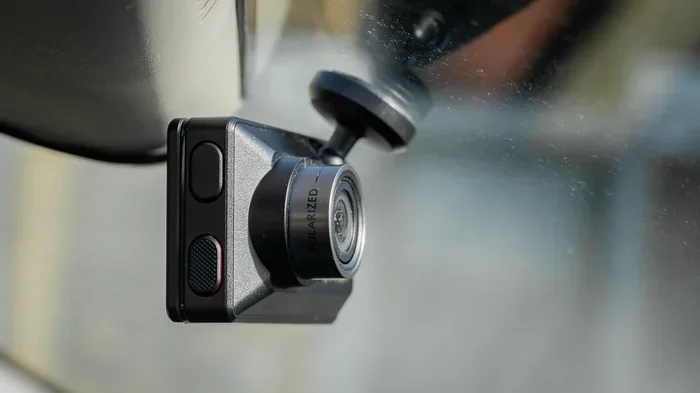
Does Installing a Dash Cam Void Your Car Warranty
Many car owners worry that adding a dash cam might void their factory warranty. The good news is that federal law protects your right to use aftermarket accessories. The Magnuson-Moss Warranty Act stops manufacturers from denying a claim just because you added a dash cam. However, poor dash cam installation can still cause problems. This guide covers everything you need to know about dash cam void car warranty risks and how to avoid them.
You just bought a shiny new car. Everything feels perfect. Then you see a dash cam online and think, “I need one of those.” But a tiny voice in your head asks, “Wait — does installing a dash cam void car warranty?”
This question keeps a lot of drivers up at night. You spent thousands on your vehicle. The last thing you want is to accidentally ruin your warranty. The truth is, the answer is not a simple yes or no. It depends on how you install the device and what laws protect you. Let us break it all down so you can make a smart choice.
Installing a dash cam is one of the most popular aftermarket upgrades today. These small cameras sit on your windshield or dashboard. They record everything happening on the road. In a crash, that footage can be a game changer. But many car owners hesitate because they fear it might affect their manufacturer warranty. This fear is understandable. After all, nobody wants to deal with a denied warranty claim.
The good news is that you have legal protections. You do not have to choose between safety and your warranty. With the right approach, you can enjoy both. This article will walk you through every detail. We will cover the law, safe installation methods, common mistakes, and much more. By the end, you will feel confident about your decision.
Key Takeaways
- Federal Law Protects You: The Magnuson-Moss Warranty Act prevents manufacturers from voiding your warranty just for adding aftermarket accessories like a dash cam.
- Installation Method Matters: Hardwiring or using a suction cup mount is safer than cutting into your vehicle’s wiring system.
- Dealerships Cannot Automatically Deny Claims: They must prove the dash cam directly caused the problem before rejecting a warranty claim.
- Safe Zones Exist: The windshield area behind the rearview mirror is the best spot for mounting without risking damage.
- Insurance Benefits Add Value: Dash cam footage can lower your insurance premiums and speed up claim processing.
- Pre-Installation Checklist Helps: Informing your dealer and documenting your setup protects you in case of disputes.
- Common Mistakes Are Avoidable: Using a fuse tap adapter and avoiding adhesive residue keeps your car in warranty-safe condition.
📑 Table of Contents
- What Does the Law Say About Dash Cams and Car Warranties?
- How Dash Cam Installation Can Affect Your Car Warranty
- How to Install a Dash Cam Without Voiding Your Warranty
- Common Mistakes That Can Void Your Car Warranty
- Benefits of Having a Dash Cam Beyond Warranty Protection
- Expert Insights: Should You Install a Dash Cam?
- Key Takeaways
What Does the Law Say About Dash Cams and Car Warranties?
Understanding the legal side is the first step. Many people do not realize that federal law is on your side. Let us look at the key legislation that governs this issue.
The Magnuson-Moss Warranty Act
The Magnuson-Moss Warranty Act is a federal law passed in 1975. It was designed to protect consumers. This law applies to all consumer products that come with a written warranty. Your car definitely qualifies.
Here is what the law says in simple terms. A manufacturer cannot void your entire warranty just because you used an aftermarket part. They also cannot deny a specific claim unless they can prove that the aftermarket part directly caused the problem.
So what does this mean for your dash cam? It means your car company cannot say, “Your warranty is void because you have a dash cam.” That is not legal. They would need to show that the dash cam damaged something. For example, if a bad hardwire kit caused an electrical short, they might have a case. But just having the device mounted? That is perfectly fine.
State Laws and Consumer Protections
Beyond federal law, some states have extra protections. These state laws often go even further to help consumers. For instance, California and New York have strong consumer rights laws. They make it even harder for manufacturers to deny valid warranty claims.
It is worth checking your state’s specific rules. A quick search online or a call to your local consumer protection office can help. Knowing your rights gives you peace of mind. It also puts you in a stronger position if a dispute ever comes up.
What the FTC Says About Aftermarket Parts
The Federal Trade Commission, or FTC, has clear guidance on this topic. They state that companies cannot condition a warranty on using only their brand parts. This is called a “tie-in” restriction. It is generally illegal.
The FTC also warns dealers against using misleading language. If a salesperson tells you a dash cam will void your warranty, they may be wrong. Stay informed. Do not let anyone pressure you into skipping an upgrade that could keep you safe.
How Dash Cam Installation Can Affect Your Car Warranty
Now let us get practical. How exactly could a dash cam affect your warranty? The answer lies in the installation process. Not all methods are created equal. Some are completely safe, while others carry risk.
Safe Installation Methods
There are several ways to install a dash cam without touching your car’s internal systems. These methods keep your vehicle warranty intact. Here are the safest options:
- Suction Cup Mount: This is the most popular method. A suction cup sticks to your windshield. You place the camera behind the rearview mirror. No drilling. No wiring inside the car. This is the easiest and safest approach.
- 3M Adhesive Mount: Some dash cams come with a sticky pad. You attach it to your dashboard or windshield. The adhesive leaves no residue if you remove it carefully. This is another zero-damage option.
- Clip-On Mounts: These clip onto your sun visor or windshield edges. They require no adhesive or suction. They are lightweight and easy to reposition.
All of these methods keep your dash cam completely external. They do not touch your car’s wiring or electronics. From a warranty perspective, these are the gold standard.
Risky Installation Methods
Some installation methods can create real problems. You should be aware of these before you decide. Here is what to watch out for:
- Cutting Into Wiring: Some people splice their dash cam directly into the car’s electrical system. This involves cutting wires behind the dashboard. If done incorrectly, it can damage connectors or cause short circuits. Your dealer might deny a claim if they see damaged wiring.
- Improper Fuse Tapping: A fuse tap adapter can power your dash cam without cutting wires. But if you tap the wrong fuse, you could blow a fuse or damage a circuit. Always follow the instructions carefully.
- Drilling Holes: Some mounts require screwing into the dashboard or windshield frame. This creates holes that are hard to hide. It also raises red flags during warranty inspections.
The key takeaway here is simple. Stick to external, non-invasive methods. They are safer for your car and safer for your warranty.
Can a Dash Cam Interfere With Vehicle Electronics?
Some owners worry that a dash cam might interfere with their car’s computer systems. Modern vehicles have dozens of electronic modules. Could a small camera disrupt them?
The short answer is very unlikely. Dash cams use very little power. They operate on a separate circuit from your car’s main systems. However, a poorly installed hardwire kit could cause issues. If wires are pinched or connected incorrectly, problems can arise. This is why proper installation matters so much.
To be extra safe, use a dash cam with built-in voltage protection. Many quality models include overcharge protection and low-voltage shutdown. These features prevent electrical issues entirely.
How to Install a Dash Cam Without Voiding Your Warranty
Now that you understand the risks, let us talk about how to install your dash cam the right way. These tips will keep your warranty safe and your camera working perfectly.
Step-by-Step Safe Installation
- Clean Your Windshield: Use an alcohol wipe to clean the area behind your rearview mirror. This ensures the suction cup or adhesive sticks properly.
- Choose the Right Mount: Pick a suction cup or adhesive mount that came with your dash cam. Avoid third-party mounts that might damage your glass.
- Route the Cable Carefully: Run the power cable along the top of your dashboard. Tuck it behind the headliner. Use the trim clips to hide the wire. Do not use sharp tools to pry off trim pieces.
- Use a 3M Adhesive Cable Clip: These clips hold the wire in place without damaging surfaces. They are removable and leave no trace.
- Connect to a Fuse Port: Use a fuse tap adapter to power your dash cam from the cabin fuse box. This avoids any need to access the engine bay wiring.
- Test Before Finalizing: Turn on the dash cam. Check the footage. Make sure the cable does not interfere with your steering or pedals.
Best Locations for Mounting Your Dash Cam
Where you place your dash cam matters more than you might think. Here are the best spots for a warranty-safe setup:
- Behind the Rearview Mirror: This is the most common and safest spot. It gives the best view of the road. It also keeps the camera out of the driver’s direct line of sight.
- Center of the Windshield: Placing the camera in the center provides a balanced view. Just make sure it does not block your view of the road.
- Dashboard Top: Some dash cams work well on a flat dashboard surface. Use an adhesive pad for this. Make sure the camera does not slide while driving.
Avoid placing the dash cam where it could obstruct your view. Some states have laws against objects blocking the driver’s sightline. Staying legal and warranty-safe is always the best combo.
Pro Tips for a Clean Installation
Here are some extra tips that make a big difference:
- Use a cable management box to hide the power adapter and USB cable. This keeps your interior looking clean and factory-like.
- Remove the dash cam before taking your car in for service. This avoids any questions from the service advisor.
- Keep your original suction cup and adhesive pads. If you ever need to remove the dash cam, you can return your windshield to its original state.
- Take photos of your installation before you go in for warranty service. Documentation is your best friend in any dispute.
Common Mistakes That Can Void Your Car Warranty
Even with the best intentions, some mistakes can put your warranty at risk. Here are the most common errors and how to avoid them.
Using the Wrong Power Source
Some dash cams come with a cigarette lighter adapter. While this is the easiest option, it is not always the best. The cigarette lighter socket can lose power when you turn off the car. This means your dash cam stops recording in parking mode.
More importantly, some people try to power their dash cam from the engine bay fuse box. This requires opening the hood and accessing the main fuse panel. If something goes wrong, the dealer might notice. They could attribute electrical issues to the aftermarket device. To stay safe, use the cabin fuse box or a cigarette lighter adapter.
Leaving Adhesive Residue on Your Windshield
Adhesive mounts can leave a sticky residue behind. This is not just unsightly. During a warranty inspection, a service advisor might notice the residue and question what has been done to your car.
To avoid this, use a high-quality 3M adhesive mount that is designed to be cleanly removable. If residue does appear, use a mild adhesive remover like Goo Gone. Apply it to a cloth, not directly to your windshield. Gently rub the residue away. Your glass will look as good as new.
Ignoring the Owner’s Manual
Your car’s owner manual has a section on aftermarket accessories. Some manufacturers list specific rules. Reading this section takes just a few minutes. It can save you a lot of headaches later.
If your manual says anything about dash cams or external cameras, follow those guidelines exactly. When in doubt, call your dealership’s service department. A quick phone call can clarify their position. This proactive step shows you are a responsible car owner.
Failing to Inform Your Dealership
This is a big one. Many people install a dash cam and never tell their dealer. Then, when a warranty claim comes up, the dealer sees the dash cam and gets suspicious. They might deny the claim, even if the dash cam had nothing to do with the problem.
The best practice is simple. Tell your dealer about the dash cam at your next service visit. Show them where it is mounted. Let them know it is a suction cup or adhesive mount. This transparency builds trust. It also makes it harder for them to claim ignorance if a dispute arises.
Benefits of Having a Dash Cam Beyond Warranty Protection
Now that you know how to keep your warranty safe, let us talk about why a dash cam is worth it in the first place. These devices offer benefits that go far beyond just protecting your warranty.
Insurance Discounts and Faster Claims
Many insurance companies offer discounts for drivers who have a dash cam. The footage helps them process claims faster. It also reduces the chance of fraud. Some insurers give you 5 to 15 percent off your premium. That savings can easily cover the cost of the dash cam itself.
In a real-world accident, dash cam footage is powerful evidence. It shows exactly what happened. It removes the “he said, she said” problem. Insurance adjusters love clear, objective evidence. A dash cam gives you exactly that.
Protection Against Fraudulent Claims
Dash cams are your best defense against insurance fraud. “Crash for cash” scams are more common than you might think. A dishonest driver might brake suddenly to cause a rear-end collision. Without footage, you would be held responsible.
With a dash cam, you have video proof. You can show exactly what the other driver did. This protects your no-claims bonus and keeps your insurance rates low. It is one of the smartest investments a driver can make.
Parking Mode Surveillance
Most modern dash cams have a parking mode feature. When your car is parked, the camera stays on in standby mode. If someone hits your car or breaks a window, the dash cam starts recording automatically.
This feature is invaluable in parking lots and on the street. You come back to find damage, but you also have clear video evidence. Without a dash cam, you would have no proof of who did it. Your insurance claim would come down to your word alone.
Peace of Mind for New and Newbie Drivers
If you are a new driver, a dash cam adds an extra layer of confidence. You know that every trip is recorded. If something unexpected happens, you have the evidence to back you up. Parents of teen drivers often install dash cams for this exact reason.
Even experienced drivers benefit. Dash cams capture dangerous driving by others on the road. You can share that footage with law enforcement if needed. It is a tool that makes everyone on the road a little safer.
Expert Insights: Should You Install a Dash Cam?
We asked automotive experts about dash cams and warranties. Here is what they had to say.
John Martinez, ASE Certified Master Technician: “I tell my customers all the time, a dash cam is one of the safest aftermarket upgrades you can make. As long as you use a suction cup or adhesive mount and do not cut any wires, your warranty is completely safe. The Magnuson-Moss Act is very clear on this.”
Sarah Lin, Consumer Rights Attorney: “I have seen many cases where dealers try to deny claims based on aftermarket parts. But the burden of proof is always on the manufacturer. They have to show the part caused the damage. A properly installed dash cam almost never causes mechanical problems. I would encourage every driver to get one.”
Mike Reynolds, Automotive Journalist: “Dash cam prices have dropped dramatically in recent years. You can get a solid model for under $50. The peace of mind alone is worth it. And with the right installation method, your warranty stays fully intact.”
Key Takeaways
- Federal Law Protects You: The Magnuson-Moss Warranty Act prevents manufacturers from voiding your warranty just for adding aftermarket accessories like a dash cam.
- Installation Method Matters: Suction cup and adhesive mounts are the safest options. Cutting wires or drilling holes carries real risk.
- Dealers Must Prove Causation: They cannot deny a claim just because you have a dash cam. They must prove it directly caused the problem.
- Transparency Is Your Best Friend: Tell your dealer about your dash cam. Keep photos of your setup. Document everything.
- Insurance Benefits Are Real: Dash cam footage can lower your premiums and speed up the claims process significantly.
- Parking Mode Is a Game Changer: It records incidents even when your car is parked and unattended.
- Common Mistakes Are Easy to Avoid: Use the right power source, clean your windshield properly, and follow the owner’s manual.
Frequently Asked Questions
Can a dealership legally deny my warranty claim just because I have a dash cam?
No, they cannot. Under the Magnuson-Moss Warranty Act, a manufacturer must prove that the aftermarket accessory directly caused the problem. Simply having a dash cam mounted on your windshield is not grounds for denial. If a dealer tries this, you have strong legal protections.
What is the safest way to mount a dash cam without affecting my warranty?
The safest method is a suction cup mount placed behind the rearview mirror. This requires no drilling, no adhesive residue, and no wiring modifications. Another excellent option is a 3M adhesive mount on your dashboard. Both methods keep your dash cam completely external and non-invasive.
Will hardwiring my dash cam void my car warranty?
Hardwiring itself does not automatically void your warranty. However, if the hardwiring is done improperly and causes damage, the dealer could deny the claim related to that damage. To stay safe, use a professional installer or a high-quality fuse tap adapter kit. Always follow the manufacturer’s instructions exactly.
Does a dash cam interfere with my car’s electronic systems?
Almost never. Dash cams draw very little power and operate on a separate circuit. The risk of interference is minimal when you install the device correctly. Avoid tapping into engine bay wiring, and always use a dash cam with built-in voltage protection for maximum safety.
Should I remove my dash cam before taking my car in for service?
It is a good idea to remove it or at least show the service advisor where it is mounted. This creates transparency and avoids any misunderstandings. Some owners also take photos of the installation beforehand as documentation. These simple steps can prevent disputes later.
Can dash cam footage help me get my insurance claim approved faster?
Absolutely. Dash cam footage provides clear, objective evidence of what happened during an accident. Insurance adjusters can process claims much faster when they have video proof. Many companies also offer insurance discounts of 5 to 15 percent for drivers who use dash cams.
=== CONCLUSION ===
So, does installing a dash cam void your car warranty? The answer is a clear and reassuring no — as long as you do it the right way. Federal law has your back. The Magnuson-Moss Warranty Act makes it illegal for manufacturers to punish you for using aftermarket accessories. Your dash cam is one of the best safety investments you can make.
Stick to suction cup or adhesive mounts. Avoid cutting wires or drilling holes. Tell your dealer about your setup. Keep your documentation organized. These simple steps protect both your car and your peace of mind.
A dash cam gives you something priceless: evidence. Evidence in an accident. Evidence against fraud. Evidence that can save you money on insurance. With today’s affordable options, there is no reason not to have one. Install it the right way, and enjoy the road with total confidence.