Does a 2004 Toyota 4Runner Have a Timing Belt or Chain
The 2004 Toyota 4Runner uses a timing chain, not a timing belt, in its 4.0L V6 engine. Timing chains are built for durability and long life, but they still need proper maintenance. Understanding your engine type helps you plan routine upkeep and avoid costly repairs down the road.
If you own a 2004 Toyota 4Runner or are thinking about buying one, you might be wondering about the engine’s internal parts. One common question is whether this truck uses a timing belt or a timing chain. The answer matters a lot when it comes to maintenance planning and avoiding unexpected breakdowns.
The short answer is that the 2004 Toyota 4Runner uses a timing chain. This is true for the 4.0L V6 engine that powered most 4Runners that year. Unlike a timing belt, a chain is metal and designed to last much longer. But that does not mean you can ignore it completely. Let us dive deep into everything you need to know about the timing chain in your 2004 4Runner.
Knowing whether your engine has a belt or chain affects your maintenance schedule, repair costs, and even how long the vehicle lasts. Many truck owners assume all engines work the same way, but that is far from the truth. A timing chain and a timing belt serve the same basic purpose, but they are very different in design and lifespan.
Key Takeaways
- The 2004 Toyota 4Runner uses a timing chain: The 4.0L V6 engine relies on a chain, not a belt, for valve timing.
- Timing chains last a long time: A well-maintained chain can last the life of the vehicle, often beyond 200,000 miles.
- Watch for warning signs: Rattling noises, rough idle, and check engine lights can signal timing chain wear.
- Maintenance matters: Regular oil changes keep the chain and tensioner working properly.
- Replacement is expensive: If the chain fails, repair costs can range from $1,000 to $2,500 or more.
- The 4Runner is built for longevity: With proper care, these engines can easily surpass 250,000 miles.
📑 Table of Contents
- What Is a Timing Chain and How Does It Work?
- Does the 2004 Toyota 4Runner Use a Timing Belt or Chain?
- Signs of a Failing Timing Chain
- Timing Chain Maintenance and Replacement
- How the 2004 Toyota 4Runner Engine Compares
- Tips for Keeping Your 2004 4Runner Engine Healthy
- Common Mistakes People Make with Timing Chains
- Final Thoughts
What Is a Timing Chain and How Does It Work?
A timing chain is a metal chain that connects the crankshaft to the camshaft in your engine. It makes sure the pistons and valves open and close at exactly the right time. Think of it like the conductor of an orchestra, keeping every part in sync. Without proper timing, your engine would run poorly or not at all.
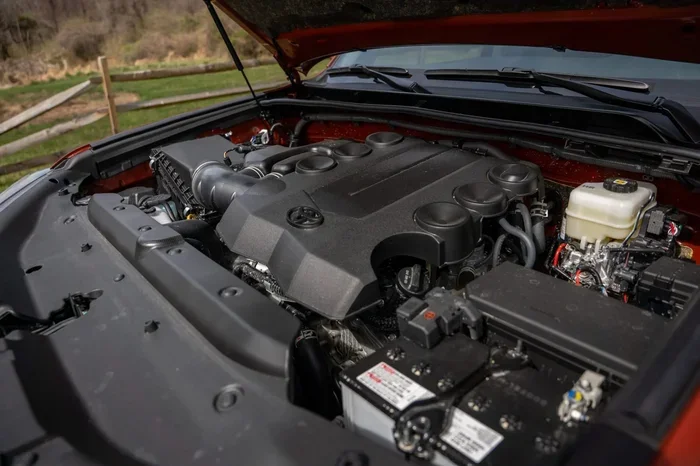
In the 2004 Toyota 4Runner, the timing chain wraps around several gears inside the engine block. It sits near the front of the engine, usually protected by a metal cover. The chain works with a timing chain tensioner that keeps it tight and properly aligned. This tensioner uses either spring pressure or engine oil pressure to maintain the right amount of slack.
Why a Timing Chain Instead of a Belt?
Toyota chose a timing chain for the 4.0L V6 engine for a good reason. Chains are stronger and more durable than rubber belts. A timing belt needs to be replaced every 60,000 to 100,000 miles. A timing chain, on the other hand, can often last the entire life of the vehicle. This makes it a better choice for a truck like the 4Runner, which is built for tough use and high mileage.
Chains also handle the high torque output of a V6 engine better than a belt. The 4.0L V6 produces around 245 horsepower, and that power needs precise engine timing to deliver smooth performance. A chain handles this load with ease, which is why Toyota has used chains in many of its larger engines for decades.
Does the 2004 Toyota 4Runner Use a Timing Belt or Chain?
The 2004 Toyota 4Runner comes with the 1GR-FE 4.0L V6 engine. This engine uses a timing chain system. There is no timing belt in this engine at all. The chain drives both the intake and exhaust camshafts, ensuring that the valves open and close at the perfect moment during each engine cycle.
This is an important distinction because many car owners confuse the two systems. Some vehicles use a timing belt for the camshaft and a separate serpentine belt for accessories like the alternator and water pump. The 2004 4Runner uses a serpentine belt for accessories, but the internal valve timing is handled entirely by the chain.
If you are doing any engine work on your 4Runner, it is important to know this difference. A mechanic who is used to working on vehicles with timing belts might not be familiar with the chain system. Always make sure your technician knows your 4Runner has a timing chain, not a belt.
Signs of a Failing Timing Chain
While timing chains are built to last, they are not immune to wear. Over time, the chain can stretch, and the tensioner can weaken. When this happens, your engine might start showing warning signs. Catching these symptoms early can save you from a major engine repair.
Engine Rattling or Knocking Noise
The most common sign of a worn timing chain is a rattling noise when you start the engine. This happens because the chain has stretched and is no longer sitting properly on the gears. You might hear a loud clatter or tap for a few seconds after turning the key. If the noise goes away once the engine warms up, that is still a sign of chain slack.
Rough Idle or Misfiring
A stretched timing chain can cause the valves to open and close at the wrong time. This leads to a rough idle, misfires, or a general feeling that the engine is not running smoothly. You might notice the truck shaking at a stoplight or struggling to maintain a steady RPM. These are clear signs that your engine timing is off.
Check Engine Light
A failing timing chain can trigger the check engine light. The engine control module detects misfires or timing irregularities and stores a trouble code. Common codes related to timing chain issues include P0008, P0016, and P0340. If your check engine light comes on and you notice any of the other symptoms, get the codes read right away.
Poor Fuel Economy
When the timing is off, the engine does not burn fuel as efficiently. You might notice you are filling up more often than usual. A stretched chain causes the valves to linger open or close late, which disrupts the combustion cycle. This is an easy sign to overlook, but it is worth paying attention to.
Difficulty Starting the Engine
In severe cases, a worn timing chain can cause hard starting or a no-start condition. If the chain has stretched so much that it skipped teeth, the engine might not fire at all. This is a serious problem that requires immediate attention. Ignoring it can lead to engine damage if the pistons contact the valves.
Timing Chain Maintenance and Replacement
The good news is that the timing chain in the 2004 Toyota 4Runner does not need regular replacement like a timing belt. There is no scheduled interval for chain replacement in the maintenance manual. However, that does not mean you should ignore it. Proper maintenance can help the chain last for hundreds of thousands of miles.
Oil Changes Are Critical
The timing chain and tensioner rely on clean engine oil to function properly. Dirty or low oil causes extra wear on the chain and the tensioner mechanism. Staying on top of your oil change schedule is one of the best things you can do to extend the life of your timing chain. Use the recommended oil weight, which for the 4.0L V6 is typically 5W-30.
If you have been putting off oil changes, the chain might already be suffering. Sludge and contaminants build up over time and accelerate wear on the chain links and tensioner. This is why many mechanics say that neglecting oil changes is the fastest way to cause premature timing chain failure.
When Should You Replace the Timing Chain?
Most 2004 Toyota 4Runner owners never need to replace the timing chain. The chain is designed to last well beyond 200,000 miles. However, if you start noticing the symptoms we discussed above, it is time to have the chain inspected. A mechanic can check the chain stretch by removing the timing cover and visually inspecting the chain and gears.
Replacement is not a cheap job. The average cost for a timing chain replacement on a 2004 4Runner ranges from $1,200 to $2,500, depending on the shop and the extent of the damage. The labor is intensive because the chain is located deep inside the engine. If the tensioner or guide rails are also worn, those will need to be replaced as part of the job.
For comparison, replacing a timing belt on other vehicles typically costs between $500 and $1,000. The higher cost of chain replacement is one reason why the chain design is still preferred, since it rarely needs to be done. But when it does need to be done, the repair is more expensive.
Can You Drive with a Bad Timing Chain?
You should not drive a vehicle with a seriously worn timing chain. A chain that has jumped or broken can cause catastrophic engine damage. The pistons can strike the valves, bending them and cracking the pistons. This type of damage often means a full engine rebuild or replacement. If you suspect your chain is failing, get it checked as soon as possible.
How the 2004 Toyota 4Runner Engine Compares
The 4.0L V6 engine in the 2004 4Runner is one of Toyota’s most reliable powerplants. It has been used in many Toyota and Lexus vehicles for years. The engine is known for its durability, smooth power delivery, and long lifespan. Many owners report their 4.0L V6 engines lasting well past 300,000 miles with proper care.
The timing chain is a big part of that reliability. Unlike a belt that needs frequent replacement, the chain is a set-it-and-forget-it component. This adds to the overall value of owning a 4Runner. You spend less time in the shop and more time on the trail or commuting to work.
Compared to competitors like the Chevy Tahoe or Ford F-150, the Toyota 4Runner holds up very well over time. The 4Runner’s engine design is simpler in some ways, which makes it easier to maintain. You can learn more about how the 4Runner compares in terms of longevity by checking out the average life expectancy of a Toyota 4Runner. Similarly, if you are curious about how other trucks hold up, you might want to read about how many miles a Chevy Tahoe lasts.
Tips for Keeping Your 2004 4Runner Engine Healthy
Owning a 2004 Toyota 4Runner is a rewarding experience, but it does require some attention to keep it running right. Here are some practical tips to help you maintain your engine and avoid timing chain problems.
- Change your oil every 5,000 to 7,500 miles: Clean oil is essential for the timing chain and tensioner. Do not skip oil changes, even if you do not drive many miles.
- Use quality oil and filters: Stick with Toyota-recommended oil and OEM or high-quality aftermarket filters. Cheap oil can leave sludge that harms engine components.
- Listen for rattles: Pay attention to any new noises when starting the truck. Early detection of chain stretch can save you thousands in repairs.
- Keep up with routine maintenance: Follow the maintenance schedule in your owner’s manual. Regular inspections can catch small problems before they become big ones.
- Do not ignore warning lights: The check engine light exists for a reason. Have any codes read promptly, especially if you notice performance issues.
- Drive gently when the engine is cold: Let the truck warm up for a minute or two before driving hard. Cold oil does not lubricate as well, and this puts extra stress on the chain and other moving parts.
These simple habits can add years of life to your 4Runner’s engine. The timing chain is just one part of a well-maintained engine, but it plays a vital role in keeping everything running smoothly.
Common Mistakes People Make with Timing Chains
Even experienced truck owners can make mistakes when it comes to timing chain maintenance. Here are a few to avoid.
- Assuming the chain never needs attention: While the chain lasts a long time, it is not indestructible. Ignoring warning signs can lead to a complete failure.
- Using the wrong oil weight: The 4.0L V6 is designed for 5W-30 oil. Using a heavier weight can cause poor lubrication and increased wear on the chain and tensioner.
- Delaying repairs when symptoms appear: A small rattle today can become a broken chain tomorrow. Address issues early to keep repair costs down.
- Choosing the cheapest repair shop: Timing chain replacement is a precision job. Make sure the mechanic has experience with the 4.0L V6 engine specifically.
Final Thoughts
The 2004 Toyota 4Runner uses a timing chain, not a timing belt, in its 4.0L V6 engine. This is good news for owners who want a low-maintenance truck that can go the distance. The chain is built to last, and with proper care, it can easily go the full life of the vehicle without needing replacement.
Stay on top of your oil changes, listen for unusual noises, and address any warning signs promptly. These simple steps will keep your 4Runner running strong for years to come. The 4Runner is a legendary truck known for its reliability and toughness. Understanding your engine’s timing system is just one part of being a smart and prepared owner.
If you are considering a 2004 4Runner or already own one, you are driving one of the most dependable trucks on the road. The timing chain is a big reason why. Take care of it, and it will take care of you.
For more information about maintaining your Toyota 4Runner, you might also be interested in learning about the average life expectancy of a Toyota 4Runner. This can give you a broader picture of how long your truck can last with the right care and attention.
Frequently Asked Questions
Does a 2004 Toyota 4Runner have a timing belt or chain?
The 2004 Toyota 4Runner uses a timing chain, not a timing belt. The 4.0L V6 engine in this model relies on a metal chain to synchronize the crankshaft and camshaft. This design is more durable and longer-lasting than a traditional timing belt.
How long does the timing chain last on a 2004 Toyota 4Runner?
A well-maintained timing chain on a 2004 Toyota 4Runner can last well over 200,000 miles, and often the full life of the vehicle. Regular oil changes and proper maintenance are the key factors that determine how long the chain lasts. Many owners report their chains going beyond 300,000 miles without any issues.
What are the symptoms of a bad timing chain on a 4Runner?
Common symptoms include a rattling noise when starting the engine, rough idle, misfires, a check engine light, and poor fuel economy. In severe cases, a worn chain can cause hard starting or a no-start condition. If you notice any of these signs, have the chain inspected immediately.
How much does it cost to replace the timing chain on a 2004 Toyota 4Runner?
The average cost for a timing chain replacement on a 2004 4Runner ranges from $1,200 to $2,500. The cost depends on the extent of the damage, the mechanic’s labor rates, and whether additional parts like the tensioner or guide rails need to be replaced. It is a labor-intensive repair because the chain is located deep inside the engine.
Can I drive my 2004 Toyota 4Runner with a bad timing chain?
You should not drive a vehicle with a seriously worn or broken timing chain. A failed chain can cause the pistons to contact the valves, resulting in catastrophic engine damage. If you suspect your chain is failing, have the vehicle towed to a repair shop and get it fixed as soon as possible.
Is the timing chain the same as the serpentine belt on the 4Runner?
No, they are completely different components. The timing chain is inside the engine and controls the synchronization of the crankshaft and camshaft. The serpentine belt is on the outside of the engine and powers accessories like the alternator, water pump, and air conditioning compressor. The 2004 4Runner uses both systems, but they serve entirely different purposes.