Does Car Insurance Cover Aftermarket Parts Fully Explained
Car insurance may or may not cover aftermarket parts depending on your policy type, coverage limits, and whether you added a custom parts endorsement. Most standard policies only pay actual cash value for non-OEM components, which can leave you short after a claim. Adding custom parts coverage or a car modification insurance rider ensures your investment is protected.
This is a comprehensive guide about Does Car Insurance Cover Aftermarket Parts?.
Key Takeaways
- Standard policies often exclude aftermarket parts or only pay their depreciated value, not what you actually paid.
- Custom parts coverage is an endorsement you can add to your existing policy for better protection.
- OEM parts are fully covered under most collision and comprehensive plans, but aftermarket parts need special attention.
- You must declare aftermarket parts to your insurer with receipts or appraisals to ensure they are covered.
- Gap insurance does not cover aftermarket parts, but a custom parts rider can fill that gap.
- Insurance adjusters may undervalue aftermarket components, so documentation is critical.
- Comparing quotes from multiple insurers helps you find the best car insurance coverage for modified vehicles.
[FEATURED_IMAGE_PLACEHOLDER]
You just spent weeks researching the perfect aftermarket car parts for your ride. Maybe it is a custom body kit, upgraded rims, or a high-performance exhaust system. You love the way your car looks and drives now. But then a fender bender happens, and your insurer offers you a payout that barely covers the cost of the factory parts. That sinking feeling is something no car owner wants to experience.
Here is the truth: car insurance coverage for aftermarket parts is one of the most misunderstood topics in the industry. Many drivers assume their car insurance policy automatically covers every modification they have made. The reality is far more complicated. Whether you drive a daily commuter with a few bolt-on upgrades or a fully built show car, understanding how your policy handles aftermarket components can save you thousands of dollars after a claim.
This guide breaks down everything you need to know. We will cover what aftermarket parts are, how different types of insurance coverage treat them, what happens during a claim, and exactly how to make sure your custom investments are fully protected. Let us get into it.
What Are Aftermarket Parts?
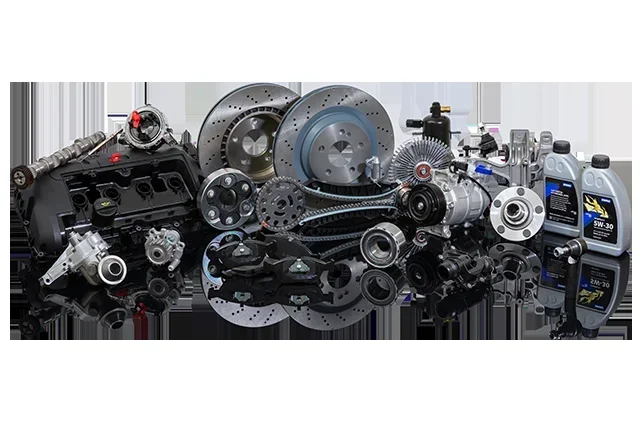
Before diving into insurance details, it helps to understand exactly what we mean by aftermarket parts. These are any vehicle components that were not installed by the original manufacturer. They are made by third-party companies and designed to replace or upgrade factory-installed parts.
Aftermarket parts come in many forms. Some are purely cosmetic, like custom paint or body kits. Others focus on performance, such as cold air intakes, turbo kits, or upgraded suspension systems. Then there are accessories like upgraded stereo systems, custom wheels, or tinted windows.
OEM Parts vs Aftermarket Parts
Original Equipment Manufacturer, or OEM, parts are made by the same company that built your car. They match the factory specifications exactly. When your insurer pays for a claim, OEM parts are usually the default choice for repairs. These parts carry the full backing of the vehicle manufacturer.
Aftermarket parts, on the other hand, are made by independent manufacturers. They may be equal in quality or even superior in some cases. But the key difference is that insurers often view them differently when calculating payouts. Understanding this distinction is the first step in protecting your investment.
Common Types of Aftermarket Parts
Not all aftermarket parts are treated the same way by insurers. Here are the most common categories:
- Performance parts: Engine upgrades, exhaust systems, turbochargers, and suspension enhancements.
- Cosmetic parts: Custom body kits, spoilers, custom wheels, and upgraded lighting.
- Interior upgrades: Custom upholstery, upgraded sound systems, and dashboard modifications.
- Safety parts: Aftermarket alarms, dashcams, and parking sensors.
- Functional parts: Lift kits, bed liners, and tow hitches.
Each of these categories may be handled differently during the claims process. Your car insurance coverage will depend on the specific parts involved and the type of policy you hold.
How Does Car Insurance Handle Aftermarket Parts?
The short answer is: it depends on your policy. Most standard auto insurance policies do not automatically include coverage for aftermarket parts. Insurers typically base payouts on the actual cash value of the vehicle, which factors in depreciation. This means your custom parts might not be fully compensated.
The Role of Your Insurance Policy Type
Different insurance coverage types treat aftermarket parts differently. Here is how the main types work:
- Liability coverage: This pays for damage you cause to other people or vehicles. It does not cover your own car’s aftermarket parts at all.
- Collision coverage: This covers damage to your car from an accident. It may cover aftermarket parts, but usually only at their depreciated value.
- Comprehensive coverage: This covers non-accident damage like theft, fire, or weather. Aftermarket parts may be included but again, often at reduced value.
- Uninsured/underinsured motorist coverage: This protects you when the other driver has no or insufficient insurance. Aftermarket parts coverage here varies by state and policy.
If you are wondering whether your current policy is enough, you should review the fine print carefully. Many drivers discover too late that their car insurance policy has specific exclusions for non-OEM components.
Actual Cash Value vs Replacement Cost
This is where things get tricky. Most standard policies pay actual cash value, which means they factor in wear, tear, and depreciation. A brand new set of custom wheels might be worth $2,000 today, but after two years of use, the insurer might only pay $1,200 for them.
Replacement cost coverage is rarer but more favorable. It pays what it costs to replace the part with a new equivalent, without deducting depreciation. Some insurers offer this as an add-on or rider. If you have significant aftermarket modifications, this is worth exploring.
It is also worth noting that how you pay your premium can sometimes reflect the level of coverage you have. Policies with custom parts endorsements may come with slightly higher monthly payments, but the protection is well worth it.
OEM vs Aftermarket Parts: What Your Policy Covers
Understanding the difference between OEM and aftermarket parts in the context of insurance is essential. Your car insurance coverage treats these two categories very differently, and knowing why can help you make smarter decisions.
When OEM Parts Are Fully Covered
In most collision and comprehensive claims, insurers prefer to use OEM parts for repairs. This is because OEM parts meet the original manufacturer’s specifications, and they help maintain the vehicle’s safety and value. If your car needs a new fender after an accident, your insurer will typically pay for an OEM fender and the labor to install it.
This is standard practice across most states. However, it only applies to factory-installed components. Anything you added after purchasing the car falls into a gray area unless you have specifically addressed it in your policy.
When Aftermarket Parts Are Excluded
Many standard policies explicitly exclude aftermarket parts from coverage. Others include them but cap the payout at a low dollar amount. For example, your policy might state that it covers aftermarket parts up to $1,000 total, regardless of their actual value. If your custom exhaust system cost $3,500, you would be responsible for the remaining $2,500 out of pocket.
Some insurers classify certain aftermarket parts as wear and tear items, which are never covered. This can include things like upgraded brake pads or aftermarket tires. Understanding these exclusions before you file a claim is critical.
For drivers in states where car insurance is mandatory, it is especially important to know what your required minimum coverage actually includes. Minimum liability policies almost never cover aftermarket parts.
The Custom Parts and Equipment Endorsement
The best way to ensure your aftermarket parts are covered is by adding a custom parts and equipment endorsement to your policy. This is an add-on that specifically covers the value of your aftermarket components. It is sometimes called a custom parts rider or modified vehicle endorsement.
Here is how it typically works:
- You declare the value of your aftermarket parts to your insurer.
- You provide receipts, appraisals, or photos as proof of value.
- The insurer adds an endorsement to your policy with a specific coverage limit.
- In the event of a claim, the aftermarket parts are covered up to that limit.
Endorsement costs vary, but they are generally affordable. You might pay an extra $20 to $50 per year for coverage up to $5,000 in aftermarket parts. For drivers with significant car modifications, this small investment can prevent a major financial loss.
How to Ensure Your Aftermarket Parts Are Covered
Waiting until after an accident to figure out your coverage is too late. Taking proactive steps now can save you a lot of headaches later. Here is exactly what you should do.
Step 1: Document Everything
Keep every receipt for aftermarket parts you purchase. Take detailed photos of each modification before and after installation. Record the part number, manufacturer, date of purchase, and cost. Store this information in a safe place, both digitally and physically.
If you ever need to file a claim, this documentation becomes your strongest evidence. Insurance adjusters need proof of value, and without it, they will default to a low payout or deny the claim entirely.
Step 2: Get an Appraisal
For high-value aftermarket parts, consider getting a professional appraisal. This is especially important for rare or custom components. An appraiser can provide an official valuation that your insurer will accept.
Some specialty shops and performance garages also provide written estimates or valuations for the parts they install. These documents can serve as supporting evidence during the claims process.
Step 3: Update Your Policy Regularly
Your car insurance policy should reflect the current state of your vehicle. If you add new parts, update your policy accordingly. This means adding the new parts to your custom equipment endorsement or adjusting your coverage limit.
Many drivers forget to do this. They buy a new set of wheels or a performance upgrade and never tell their insurer. When a claim comes in, the insurer has no record of those parts, and the payout reflects that.
Step 4: Shop Around for the Right Insurer
Not all insurers treat aftermarket parts the same way. Some are more favorable to modified vehicles than others. If you have a heavily modified car, it is worth shopping around for a policy that specifically caters to aftermarket modifications.
You can also get a car insurance quote without a car in some cases, which allows you to compare policies before committing. Look for insurers that offer custom parts endorsements, agreed value policies, or specialized coverage for modified vehicles.
Common Claims Scenarios With Aftermarket Parts
Let us look at some real-world scenarios to see how aftermarket parts claims typically play out. These examples illustrate the importance of proper coverage and documentation.
Scenario 1: Minor Accident with Cosmetic Aftermarket Parts
Jake has a custom body kit and upgraded rims on his sedan. He gets into a low-speed collision in a parking lot. The damage is limited to the front bumper and one rim. Because Jake has a custom parts endorsement, his insurer covers the cost of replacing both the bumper and the rim with equivalent aftermarket parts. Without the endorsement, the insurer might have only paid for the depreciated value of the bumper, leaving Jake to cover the difference.
Scenario 2: Theft of Aftermarket Parts
Maria has a custom audio system and a lift kit on her truck. One night, someone breaks into her driveway and steals the stereo and the lift kit. Maria has comprehensive coverage with a custom parts rider. Her insurer processes the claim and reimburses her for the full value of the stolen parts, minus her deductible. Had she not declared those parts, the insurer might have denied the claim or paid a fraction of the actual value.
Scenario 3: Flood Damage to Modified Engine Components
David lives in a flood-prone area and has upgraded his engine with aftermarket intake and exhaust components. A flash flood damages his vehicle, including the engine bay. His comprehensive coverage includes a custom parts endorsement, so the insurer covers the cost of replacing the aftermarket engine parts. Without that endorsement, David would have been stuck paying for the upgraded components himself.
These scenarios show why having the right coverage matters. A single incident can cost thousands of dollars if your aftermarket parts are not properly insured.
What Happens When Aftermarket Parts Get Damaged?
When you file a claim involving aftermarket parts, the process works a bit differently than a standard claim. Here is what typically happens and what you can expect.
The Claims Process for Aftermarket Parts
First, you file a claim with your insurer as you normally would. The adjuster will inspect the damage and assess the value of the repairs. If aftermarket parts are involved, the adjuster will need to determine the value of those specific components.
Here is where your documentation becomes critical. If you have receipts, appraisals, and photos, the adjuster can accurately assess the value of your aftermarket parts. Without that evidence, the adjuster will use their own estimates, which are almost always lower than what you actually paid.
Potential Outcomes
There are three possible outcomes when you file a claim for aftermarket parts:
- Full coverage: The insurer pays the full value of the aftermarket parts, usually because you have a custom parts endorsement and proper documentation.
- Partial coverage: The insurer pays a portion of the value, typically the depreciated amount or up to a policy cap.
- Denial: The insurer denies the claim for the aftermarket parts entirely, especially if they were not declared on the policy.
The best outcome is obviously full coverage, but it requires the right policy and proper documentation. If you find yourself in a partial coverage or denial situation, you have the right to dispute the decision. You can provide additional evidence, request a reappraisal, or even seek legal advice if necessary.
It is also worth noting that some insurers use aftermarket parts warranties to justify lower payouts. They argue that aftermarket parts have a shorter lifespan than OEM parts. This is a common tactic, and having professional appraisals and receipts helps counter this argument.
Common Mistakes to Avoid With Aftermarket Parts Coverage
Even well-informed car owners make mistakes when it comes to aftermarket parts and insurance. Here are the most common ones to avoid.
- Not declaring aftermarket parts: This is the biggest mistake. If you do not tell your insurer about your modifications, they are not obligated to cover them.
- Assuming OEM parts coverage extends to aftermarket parts: OEM parts coverage only applies to factory-installed components. Aftermarket parts need their own coverage.
- Relying on gap insurance for aftermarket parts: Gap insurance covers the difference between your loan balance and the car’s actual cash value. It does not cover aftermarket parts.
- Failing to update your policy after modifications: Adding new parts without updating your policy means those parts are likely not covered.
- Not keeping receipts: Without proof of purchase and value, your insurer has no way to verify the cost of your aftermarket parts.
- Choosing the cheapest policy without checking aftermarket coverage: The cheapest policy is not always the best, especially for modified vehicles.
Avoiding these mistakes puts you in a much stronger position if you ever need to file a claim. It also gives you peace of mind knowing your investment is protected.
Expert Insights on Aftermarket Parts and Insurance
We spoke with several insurance professionals and car modification enthusiasts to get their take on aftermarket parts coverage. Here is what they had to say.
Insurance agent Mark Thompson advises, “The number one thing I tell my clients with modified cars is to declare everything. Even if the parts seem small or inexpensive, having them on record makes a huge difference during a claim. A custom parts endorsement is one of the most affordable add-ons we offer, and it provides real peace of mind.”
Car enthusiast and YouTuber Sarah Lin adds, “I have been modifying cars for over a decade. Every single time I make a change, I update my insurance policy the same day. I keep all my receipts in a folder in the glovebox. It has saved me thousands of dollars more than once.”
Insurance adjuster David Park notes, “The biggest issue we see is aftermarket parts that were never declared. In those cases, we have to rely on our own assessment of the parts’ value, which is almost always lower than what the owner paid. Documentation is everything.”
These expert voices reinforce the same message: proper documentation and the right policy make all the difference.
Key Takeaways
- Standard policies often exclude aftermarket parts or only pay their depreciated value, not what you actually paid.
- Custom parts coverage is an endorsement you can add to your existing policy for better protection.
- OEM parts are fully covered under most collision and comprehensive plans, but aftermarket parts need special attention.
- You must declare aftermarket parts to your insurer with receipts or appraisals to ensure they are covered.
- Gap insurance does not cover aftermarket parts, but a custom parts rider can fill that gap.
- Insurance adjusters may undervalue aftermarket components, so documentation is critical.
- Comparing quotes from multiple insurers helps you find the best car insurance coverage for modified vehicles.
The bottom line is that car insurance coverage for aftermarket parts is not automatic. Most standard policies do not fully cover non-OEM components, and those that do often cap the payout at a low amount. If you have invested in aftermarket modifications, taking the extra steps to declare them and add proper coverage is essential.
Start by reviewing your current policy today. Check whether your car insurance policy includes any coverage for aftermarket parts. If it does not, contact your insurer about adding a custom parts endorsement. Keep all your receipts, get appraisals for high-value parts, and update your policy every time you make a change to your vehicle.
Taking these steps now means you will not be caught off guard after an accident or theft. Your car is more than just a machine. It is a reflection of your personality and your hard work. Make sure your insurance coverage reflects that.
Finally, remember that the landscape of car insurance rates and coverage options is always changing. Rates are going up across the industry, so it is more important than ever to make sure every dollar of your premium is working for you. A custom parts endorsement is a small cost that can provide massive protection.
Do not wait until it is too late. Take action today to protect your aftermarket parts and enjoy peace of mind every time you hit the road.
Frequently Asked Questions
Does car insurance automatically cover aftermarket parts?
No, most standard auto insurance policies do not automatically cover aftermarket parts. Your insurer will typically only pay the depreciated value of non-OEM components, or they may deny the claim entirely if the parts were not declared on your policy.
What is a custom parts and equipment endorsement?
A custom parts and equipment endorsement is an add-on to your standard car insurance policy that specifically covers the value of your aftermarket modifications. It ensures you receive proper compensation for custom parts in the event of a claim, theft, or damage.
How much does aftermarket parts coverage cost?
The cost varies depending on the value of your aftermarket parts and your insurer. Most custom parts endorsements cost between $20 and $50 per year for coverage up to $5,000. It is a small price for significant protection.
Will gap insurance cover my aftermarket parts?
No, gap insurance does not cover aftermarket parts. Gap insurance only covers the difference between your vehicle loan balance and the car’s actual cash value. For aftermarket parts coverage, you need a custom parts endorsement or a specialized modified vehicle policy.
What happens if I do not declare my aftermarket parts to my insurer?
If you do not declare your aftermarket parts, your insurer is not obligated to cover them in a claim. They may deny the claim for those parts entirely or pay only a fraction of their actual value based on their own assessment.
Can I get insurance for a car with extensive aftermarket modifications?
Yes, many insurers offer policies specifically designed for modified vehicles. These policies include custom parts endorsements, agreed value coverage, and higher coverage limits for aftermarket components. Shopping around and comparing quotes is the best way to find the right policy.