How Do I Know How Much Oil Is Left in My Tank Today
Knowing how much oil is left in your tank is one of the simplest yet most important things you can do for your car. You can use the dipstick, electronic gauge, or dashboard warning lights to get an accurate reading. Regular oil checks help prevent engine damage and keep your vehicle running strong for years to come.
Keeping track of your oil level is one of the easiest ways to protect your engine and avoid costly repairs. Many drivers overlook this simple task until something goes wrong. But checking your oil regularly takes just a few minutes and can save you hundreds of dollars in the long run.
So how do you actually know how much oil is left in your tank? The answer depends on your vehicle model and the tools you have available. In this guide, we will walk you through every method you can use to check your oil level accurately. Whether you drive a newer car with digital sensors or an older model with a classic dipstick, you will find the steps you need right here.
Checking your oil level is not just about topping off the reservoir. It is about understanding your engine oil health and catching problems early. A well-maintained oil system keeps your engine lubricated, cool, and running efficiently. Let us dive into the different ways you can monitor your oil and keep your car in top shape.
Key Takeaways
- Use the dipstick: The most reliable and traditional method to check your oil level at home.
- Watch your dashboard: Modern vehicles have electronic sensors that alert you when oil is low.
- Check oil when the engine is cool: This gives you the most accurate dipstick reading.
- Know your oil capacity: Understanding how much oil your tank holds helps you maintain proper levels.
- Do not ignore warning signs: Unusual sounds or dashboard lights mean it is time to check your oil immediately.
- Follow a regular schedule: Consistent oil checks are a key part of any car care routine.
- Reset your oil change light: After adding oil or getting a change, always reset the indicator for accuracy.
📑 Table of Contents
How Do I Know How Much Oil Is Left in My Tank
There are three main ways to check your oil level: the dipstick method, electronic sensors, and dashboard warning lights. Each method has its own advantages depending on your vehicle type and personal preference. Understanding all three ensures you are never caught off guard by low oil.
Below is a quick comparison of these methods so you can see which one works best for your situation.
| Method | Best For | Accuracy | Ease of Use |
|---|---|---|---|
| Dipstick Check | All vehicles, especially older models | Very High | Easy, requires manual effort |
| Electronic Sensor | Newer vehicles with digital displays | High | Very easy, read from dashboard |
| Dashboard Warning Light | Emergency alerts when oil is critically low | Moderate | Automatic, no manual effort needed |
The dipstick method has been the gold standard for decades. It gives you a direct, hands-on reading of your oil level. Electronic sensors offer convenience for modern drivers who prefer digital readings. And dashboard warning lights serve as your last line of defense when oil drops to a dangerous level.
Understanding Your Oil Tank and Why It Matters
Your engine oil sits in an oil reservoir, also known as the oil pan, located at the bottom of your engine. This reservoir holds the oil that circulates through your engine to keep all the moving parts lubricated. Without enough oil, those parts grind against each other and cause serious damage.
Every vehicle has a specific oil capacity, which tells you how much oil the engine can hold when completely full. You can find this information in your owner’s manual or on the oil fill cap. Knowing your oil capacity helps you understand how much oil to add when levels drop. For example, if you are curious about your vehicle’s overall tank size, checking how many gallons is my car tank can give you a broader picture of your vehicle’s fluid capacities.
What Happens When Oil Runs Low
Running your engine with low oil is one of the fastest ways to cause internal damage. When oil levels drop, the engine does not get proper lubrication. This leads to increased friction, overheating, and eventually engine failure.
Some drivers wonder if they can keep driving when oil is low. The truth is, even a short drive with insufficient oil can cause permanent harm. If you are unsure about your oil level, it is always better to stop and check rather than risk engine damage. Driving with too much oil is also a concern, as excess oil can cause pressure buildup and damage engine seals. If you have ever wondered about overfilling, learning about can I drive my car with too much oil in it is a helpful next step.
How Oil Level Affects Engine Performance
Engine oil does more than just lubricate. It also helps cool engine components, clean away debris, and prevent rust. When your oil level drops below the minimum mark, none of these functions work properly.
You may notice warning signs like reduced fuel efficiency, strange engine noises, or overheating. These are your vehicle telling you something is wrong. Regular oil level checks help you catch these issues before they turn into expensive repairs. Think of oil as the lifeblood of your engine. Just like your body needs blood to function, your engine needs oil to run smoothly.
The Simple Dipstick Method to Check Oil
The dipstick is the most traditional and reliable way to check your oil level. Nearly all vehicles come equipped with one, and it gives you a direct reading of how much oil is in your reservoir. Learning to use the dipstick correctly is a skill every car owner should have.
Checking your oil with a dipstick is simple, but it helps to follow the right steps. Here is how to do it properly.
Step-by-Step Dipstick Guide
- Park your car on a flat surface and turn off the engine.
- Wait a few minutes for the oil to settle back into the reservoir.
- Open the hood and locate the dipstick handle. It usually has a bright-colored grip.
- Pull the dipstick out completely and wipe it clean with a rag or paper towel.
- Reinsert the dipstick all the way back into its tube.
- Pull it out again and look at the oil level markings.
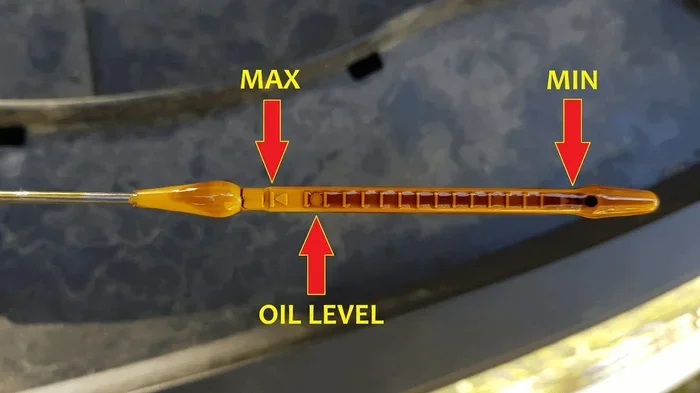
The dipstick will have two marks, often lines or holes, that show the minimum and maximum oil levels. Your oil should fall between these two marks. If it is below the minimum line, you need to add more oil right away.
How to Read the Dipstick Marks
Reading the dipstick is straightforward once you know what to look for. The oil will leave a dark streak on the stick. Compare that streak to the marked lines.
Some dipsticks have crosshatched patterns, while others use simple lines. Either way, the goal is the same. You want the oil level to sit comfortably between the minimum and maximum marks. If the oil streak reaches or goes below the minimum mark, your engine needs more oil.
Also pay attention to the color of the oil. Fresh oil is amber or golden. Dark brown or black oil means it is time for an oil change. Milky or foamy oil could indicate a more serious problem that needs professional attention. This color check is an important part of checking oil level that many drivers skip.
Quick Tips for Accurate Dipstick Readings
- Always check oil on a level surface for the most accurate result.
- Wait at least 5 minutes after turning off the engine before checking.
- Wipe the dipstick completely clean before reinserting it.
- Check oil level in natural daylight for better visibility of the marks.
- Use a clean, lint-free rag to wipe the dipstick.
Electronic Oil Level Sensors and Gauges
Modern vehicles often come equipped with electronic oil level sensors that take the guesswork out of checking your oil. These systems use sensors in the oil pan to measure the oil level and display the information on your dashboard or information screen.
An electronic oil gauge can be very convenient, especially if you prefer not to crawl under the hood. However, it is still a good idea to understand how your specific system works and what the readings mean.
How Modern Cars Display Oil Levels
Many newer cars show oil level information on the driver information center or instrument cluster. You may see a simple indicator that shows oil level as full, acceptable, or low. Some vehicles provide a percentage or numerical reading.
To get an accurate reading from an electronic sensor, your car usually needs to be parked on a level surface with the engine off. The system may also need a few minutes to recalibrate after the engine has been running. Check your owner’s manual for the specific procedure for your vehicle.
Dashboard Warning Lights to Watch For
Your dashboard is packed with warning lights designed to alert you to potential problems. The oil pressure warning light and the oil change indicator are two of the most important ones to understand.
If you see a red oil can symbol on your dashboard, it means your oil pressure is low. This is a serious warning. You should pull over safely and check your oil level immediately. Ignoring this light can lead to catastrophic engine damage.
Some vehicles also have a maintenance light that reminds you when it is time for an oil change. After you get your oil changed, you should reset the oil change light so the system tracks your next service correctly.
Common Signs Your Oil Level Is Low
Not all oil problems come with a dashboard warning. Sometimes the first sign of low oil is a strange sound or a change in how your car feels. Learning to recognize these warning signs can help you address oil problems before they become serious issues.
Warning Sounds and Smells
One of the most common signs of low oil is a tapping or knocking sound coming from the engine. This happens because the moving parts inside the engine are not getting enough lubrication. The metal parts start to make contact, creating that distinctive noise.
You might also notice a burning oil smell while driving. This could mean oil is leaking onto hot engine components or that your oil level is dangerously low. If you smell burning oil, pull over and check your levels as soon as it is safe to do so.
When to Check Oil Between Fill-Ups
Most experts recommend checking your oil at least once a month. However, if you drive an older vehicle or put a lot of miles on your car, you should check it more frequently. Making oil checks part of your regular car care routine helps you stay ahead of potential problems.
It is also a good idea to check your oil before long trips. You want to make sure you have enough oil to handle the extra strain on your engine. Keep in mind that between oil changes, your vehicle naturally burns a small amount of oil. This is normal, but large drops in oil level between checks could signal a leak.
If you are ever unsure about whether it is safe to continue driving, remember that driving with the oil change light on is not recommended. The light is there to protect your engine, and ignoring it can lead to serious consequences.
Common Mistakes Drivers Make When Checking Oil
- Checking oil right after driving: Hot oil expands and does not settle properly in the pan. Wait for the engine to cool down.
- Not reading the dipstick on a level surface: This can give you a false reading that is either too high or too low.
- Overfilling the oil: Adding too much oil can cause pressure buildup and damage seals. Always add oil in small increments.
- Ignoring the oil color: Dark or milky oil is a sign of contamination or internal problems that need attention.
- Skipping oil changes: Even if the oil level is full, old oil loses its protective properties over time.
How to Add Oil to Your Tank Safely
If your dipstick reading shows that your oil is low, adding more oil is usually a straightforward process. But it is important to do it correctly and use the right type of oil for your engine.
Choosing the Right Oil Type
Not all engine oils are the same. Your vehicle requires a specific oil type based on its engine design, climate, and mileage. The most common oil grades you will see on store shelves include 5W-30, 10W-30, and 5W-20.
To find the right oil for your car, check your owner’s manual or look at the oil fill cap under the hood. It should list the recommended oil viscosity. Using the wrong oil type can affect engine performance and may even void your warranty.
There is a big difference between conventional oil and synthetic oil. Synthetic oil offers better protection and lasts longer, but it comes at a higher price point. If you are unsure which oil to choose, consult your owner’s manual or speak with a trusted mechanic.
Step-by-Step Oil Topping Guide
Once you have the right oil, adding it to your engine is simple. Follow these steps to do it safely and correctly.
- Make sure your engine is cool and the car is parked on a level surface.
- Locate the oil fill cap on top of the engine. It usually has an oil can icon on it.
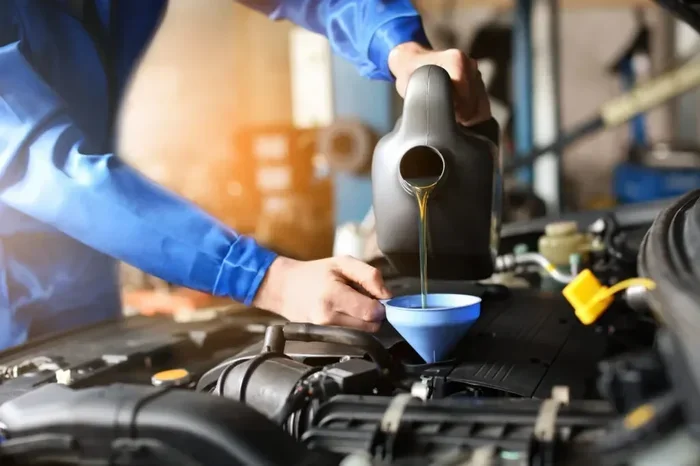
- Remove the cap and insert a funnel into the opening. This prevents spills.
- Add a small amount of oil at a time. Do not pour too much at once.
- Wait a minute for the oil to settle, then check the level with your dipstick.
- Repeat until the oil level reaches the full mark on the dipstick.
- Replace the oil fill cap and start the engine to let the new oil circulate.
- Check for leaks around the fill area and recheck the dipstick after a few minutes.
Remember that adding oil is not a substitute for an oil change. Over time, oil breaks down and loses its effectiveness. Regular oil changes keep your engine running at its best. If you are wondering about oil change frequency, understanding your oil change schedule is essential for long-term engine health.
Expert Insights on Oil Maintenance
Automotive experts agree that the single most important thing you can do for your engine is to maintain proper oil levels. According to industry standards, checking your oil should be as routine as checking your tire pressure or fuel level. Many seasoned mechanics recommend keeping a spare quart of the correct oil type in your trunk, especially for long road trips.
Another expert tip is to track your oil consumption over time. If you notice you are adding oil more frequently than usual, it could indicate an underlying issue like an oil leak or excessive oil burning. Catching these patterns early can save you from expensive repairs down the road.
Preventive Maintenance for Oil Health
Prevention is always better than cure when it comes to engine oil. A few simple habits can extend the life of your engine and keep your oil system working properly for years.
Oil Change Schedule Tips
How often you change your oil depends on several factors, including the type of oil you use, your driving habits, and your vehicle model. Traditional advice used to be every 3,000 miles, but modern synthetic oils can last much longer.
Here are some general guidelines to follow:
- Conventional oil: Change every 3,000 to 5,000 miles.
- Synthetic blend: Change every 5,000 to 7,500 miles.
- Full synthetic oil: Change every 7,500 to 10,000 miles.
Always refer to your owner’s manual for the manufacturer’s recommended oil change interval. Some newer vehicles have oil life monitoring systems that track your driving conditions and tell you exactly when it is time for a change.
Keep in mind that certain driving conditions can shorten your oil’s lifespan. Stop-and-go traffic, extreme temperatures, and towing all put extra stress on your oil. If you drive under these conditions frequently, you may need to change your oil more often.
When to See a Professional
While checking and adding oil is something most car owners can do themselves, there are times when professional help is the right choice. If you notice your oil level dropping rapidly, it could indicate a leak or internal engine problem.
Other signs that warrant a visit to a mechanic include blue exhaust smoke, persistent engine knocking, or a burning smell that does not go away after adding oil. A professional can diagnose the root cause and recommend the right fix.
If you want a reliable oil change service without the hassle, many quick-lube shops and even auto parts stores offer oil change services at affordable prices. You can also check if your dealership offers free oil changes as part of your maintenance plan.
Understanding how much oil is left in your tank and staying on top of your oil maintenance routine is one of the best things you can do for your vehicle. It takes just a few minutes but pays off in engine longevity and reliability.
Conclusion
Knowing how much oil is left in your tank is a fundamental part of car ownership that every driver should master. Whether you use the classic dipstick method, rely on electronic sensors, or watch for dashboard warning lights, the key is to stay proactive. Regular oil checks help you catch problems early and keep your engine running smoothly.
Make it a habit to check your oil at least once a month. Use the right oil type for your vehicle, follow the recommended oil change schedule, and never ignore warning signs. Your engine works hard for you every day, and a little maintenance goes a long way in return.
By taking a few simple steps today, you are investing in the long-term health of your vehicle. Start your oil check routine now, and your future self will thank you when your car keeps running strong for years to come.
Frequently Asked Questions
How do I know if my oil level is too low?
The easiest way to tell is by using your dipstick or checking your electronic oil gauge. If the oil level falls below the minimum mark on the dipstick, your engine is running low. Dashboard warning lights and unusual engine noises are also clear indicators that your oil level needs attention.
Can I drive my car if the oil is low?
It is not recommended. Driving with low oil can cause serious engine damage due to increased friction and overheating. Even a short distance can cause permanent harm. Always check your oil level before driving and add oil if needed.
How often should I check my oil level?
Most experts recommend checking your oil at least once a month. If you drive an older vehicle or put high mileage on your car, checking it every two weeks is even better. Making this a habit helps you catch oil leaks or consumption issues early.
What is the difference between oil level and oil pressure?
Oil level refers to how much oil is in your reservoir, while oil pressure measures how forcefully the oil moves through your engine. Both are important for engine health. Low oil level can lead to low oil pressure, which causes serious engine damage over time.
Should I check my oil when the engine is hot or cold?
For the most accurate dipstick reading, check your oil when the engine is cool and has been sitting for a few minutes. This allows the oil to settle back into the oil pan. Some manufacturers recommend checking oil after the engine has warmed up and been turned off for a few minutes. Always refer to your owner’s manual for guidance.
What should I do if my oil warning light comes on while driving?
Pull over safely as soon as possible and turn off the engine. Check your oil level with the dipstick. If the oil is low, add oil immediately. If the light stays on after adding oil, do not continue driving and call for professional assistance. Ignoring this warning can result in severe engine damage.