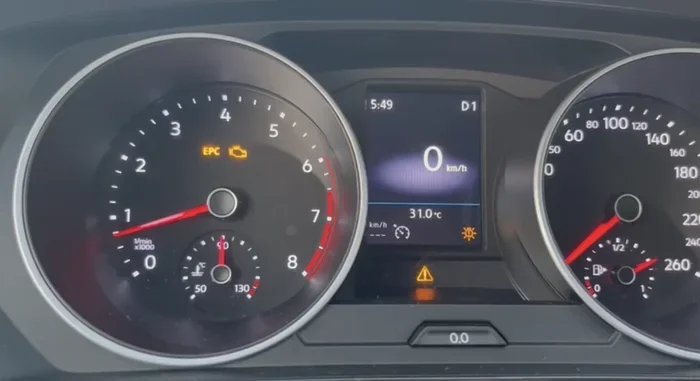
Does Check Engine Light Come On for Volkswagen Oil Change
Yes, your Volkswagen check engine light can come on during or after an oil change. This happens for several reasons, including a loose oil cap, a faulty oil sensor, or a reminder that the oil change interval is due. Understanding why your Volkswagen check engine light activates after an oil change helps you act quickly and avoid costly repairs.
You just got your Volkswagen oil change done, and then you see it. That little yellow engine icon on your dashboard. Your heart drops. Did something go wrong? Is your engine in trouble? Before you panic, take a deep breath. In most cases, the check engine light coming on after an oil change is not a sign of a serious problem. It is often a simple fix that takes just a few minutes. But it is important to understand what triggered the warning and what you should do next.
This guide walks you through everything you need to know about why your check engine light comes on for Volkswagen oil change situations. We will cover the common causes, what the different lights mean, and exactly how to handle each scenario. Whether you drive a Golf, a Jetta, a Tiguan, or any other VW model, this article has you covered. Let us get into it.
Key Takeaways
- Oil change reminders are normal: Your Volkswagen uses an oil life system that triggers the check engine light when service is due.
- Loose oil caps are a common culprit: A poorly tightened oil cap can cause the check engine light to turn on immediately.
- Reset the oil change indicator after service: Failing to reset the maintenance reminder can keep the warning light active.
- Use the right oil and filter: Wrong oil type or a defective filter can trigger engine warnings on your VW dashboard.
- Scan the code for clarity: An OBD-II scanner helps you identify the exact reason the light is on.
- Don’t ignore the light: Even if the oil change was done correctly, a persistent check engine warning needs professional attention.
- Regular maintenance prevents issues: Following the Volkswagen maintenance schedule keeps your engine running smoothly and reduces false alerts.
📑 Table of Contents
- Why Does the Check Engine Light Come On During an Oil Change?
- Common Reasons the Check Engine Light Appears After an Oil Change
- How to Tell If Your Volkswagen Needs an Oil Change
- What to Do When the Check Engine Light Comes On After an Oil Change
- Preventing Check Engine Light Issues After Oil Changes
- Understanding Volkswagen Dashboard Warning Lights
- How Often Should You Change Your Volkswagen Oil?
- Key Takeaways
- Conclusion
Why Does the Check Engine Light Come On During an Oil Change?
Your Volkswagen is packed with sensors. These sensors monitor everything from oil pressure to engine temperature. When something changes during an oil change, the car’s computer notices. Sometimes that change is expected and normal. Other times, it signals a real issue. Understanding the difference between these two situations is the first step to solving the problem.
The check engine light is part of your car’s onboard diagnostics system. This system is called OBD-II. It constantly checks your engine performance and emissions. If the computer detects something outside the normal range, it turns on the light. An oil change involves opening the engine, removing oil, adding new oil, and possibly replacing the filter. Each of these steps can temporarily affect sensor readings.
How the Oil Change Indicator Works
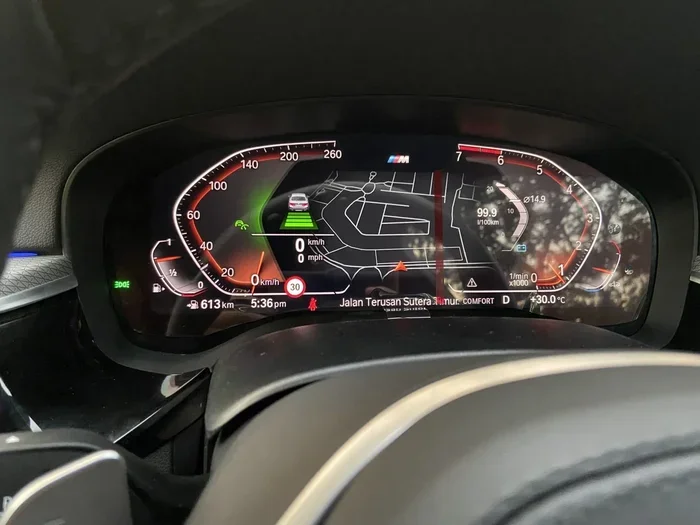
Volkswagen vehicles use an oil life monitoring system. This system tracks your driving habits and engine conditions. It estimates when your oil is starting to break down. When the system determines that the oil life is low, it triggers a maintenance reminder. This reminder often shows up as a wrench icon or a service light on the dashboard. It is different from the check engine light, but they can both appear at the same time.
The oil life system is based on driving conditions. Short trips, extreme temperatures, and heavy towing can all shorten the oil change interval. So your Volkswagen might tell you it is time for an oil change earlier than the standard mileage mark. This is normal and expected. The system is designed to protect your engine.
Difference Between the Oil Change Light and the Check Engine Light
Many people confuse these two lights, but they are not the same. The oil change light, also called the service light, tells you it is time for routine maintenance. The check engine light signals a potential problem with the engine or emissions system. Both are yellow or orange, but they mean different things.
If both lights come on after an oil change, it could mean the oil change triggered a sensor alert, or it could mean something else is going on. The best way to tell the difference is to read the diagnostic trouble codes. More on that below.
Common Reasons the Check Engine Light Appears After an Oil Change
So why exactly does the check engine light show up after you get your oil changed? There are several reasons, and most of them are easy to fix. Let us look at the most common ones.
Loose or Missing Oil Cap
This is the number one cause. After an oil change, the technician removes the oil fill cap to pour in new engine oil. If the cap is not screwed back on tightly, or if it is left off entirely, the check engine light will turn on. Your Volkswagen’s computer detects a leak in the crankcase ventilation system. This triggers a fault code.
The fix is simple. Just check the oil cap and make sure it is snug. In most cases, the light will turn off on its own after a few driving cycles. If it does not, you may need to clear the code with an OBD-II scanner.
Faulty Oil Level Sensor
Volkswagen vehicles have oil level sensors built into the engine. These sensors tell the computer how much oil is in the crankcase. During an oil change, the oil level changes significantly. If the sensor is dirty, worn, or defective, it may send incorrect readings to the computer. This can cause the check engine light to come on.
A faulty oil level sensor is more common in older Volkswagen models. If you drive a high-mileage VW, this could be the reason. Replacing the sensor is usually inexpensive and straightforward.
Oil Change Reminder Not Reset
After your oil change, the service reminder needs to be reset. If the technician forgets to do this, the maintenance light stays on. In some Volkswagen models, this light can also trigger the check engine light. The reset process varies by model and year. Some models require a specific sequence of button presses on the dashboard. Others need a diagnostic tool to reset.
If you recently had your oil changed at a quick lube shop, there is a chance they skipped the reset step. Always double-check after an oil change. A quick reset often solves the problem instantly.
Wrong Oil Type or Low-Quality Oil
Volkswagen engines are designed to work with specific oil grades. Most modern VW engines require synthetic oil that meets the VW 502.00 or 504.00 specification. If the wrong oil type is used during the change, it can affect engine performance and trigger the check engine light.
Using the wrong oil can also lead to poor lubrication, increased engine wear, and sludge buildup over time. Always confirm the correct oil specification with your Volkswagen owner’s manual before an oil change.
Oil Filter Installation Issues
The oil filter removes contaminants from your engine oil. If the filter is not installed correctly, it can cause oil leaks or restricted oil flow. A loose oil filter can trigger pressure sensors, which in turn activates the check engine light. On the other hand, an over-tightened filter can damage the sealing gasket and cause leaks.
Make sure the oil filter is tightened to the manufacturer’s recommended torque. If you are unsure, let a certified Volkswagen technician handle the installation.
Air Pockets in the Oil System
Sometimes, air bubbles get trapped in the oil system after a change. These air pockets can cause temporary fluctuations in oil pressure. The oil pressure sensor detects these fluctuations and may trigger the check engine light. This usually resolves itself after a few short drives as the oil circulates fully through the engine.
How to Tell If Your Volkswagen Needs an Oil Change
Knowing the signs of a needed oil change can help you stay ahead of problems. Catching the issue early prevents engine damage and keeps your Volkswagen running smoothly for years.
Dashboard Warning Lights
The most obvious sign is the oil change reminder light on your dashboard. This is usually a wrench icon or a message that reads “Oil Service Due.” If you see this, do not ignore it. Schedule an oil change as soon as possible. Delaying an oil change can lead to dirty, degraded oil that no longer lubricates your engine effectively.
If the check engine light comes on alongside the oil service light, pay close attention. While the oil service light is routine, the check engine light could indicate a deeper issue.
Other Signs Your Oil Needs Changing
Watch for these warning signs between scheduled services:
- Dark or dirty oil on the dipstick: Fresh oil is amber in color. Dark brown or black oil means it is time for a change.
- Unusual engine noises: Clean oil reduces friction. If you hear knocking or ticking, your oil may be too low or too old.
- Oil smell inside the car: This could indicate an oil leak, which should be checked immediately.
- Reduced fuel economy: Old oil increases engine friction, which can lower your miles per gallon.
- Exhaust smoke: Blue or gray smoke from the tailpipe can signal burning oil.
Quick Tips for Checking Your Oil Level
- Check your oil when the engine is cold and the car is parked on level ground.
- Pull the dipstick, wipe it clean, reinsert it, then pull it out again to read the level.
- The oil should fall between the minimum and maximum marks on the dipstick.
- If the oil is below the minimum mark, add the correct type of oil immediately.
- Check your oil at least once a month to catch leaks or consumption early.
What to Do When the Check Engine Light Comes On After an Oil Change
Now that you know the common causes, let us talk about what you should actually do. A step-by-step approach helps you handle the situation calmly and effectively.
Quick Steps to Take
- Do not panic. The check engine light is a warning, not an emergency in most cases. Pull over safely if the light is flashing, as a flashing light indicates a more serious issue.
- Check the oil cap. Open the hood and make sure the oil fill cap is tight. If it is loose, tighten it and drive for a few miles. The light may go away on its own.
- Check the oil level. Use the dipstick to see if the oil level is within the normal range. If it is low, add oil before driving further.
- Look for visible leaks. Check under your car for any fresh oil spots. A leak after an oil change could mean the drain plug or oil filter was not installed correctly.
- Get the codes read. Visit an auto parts store or use an OBD-II scanner at home. The diagnostic codes will tell you exactly what triggered the light.
- Reset the service reminder. If the light is just the oil change reminder, follow your Volkswagen owner’s manual to reset it.
When to See a Mechanic
Some situations require professional help. If the check engine light stays on after you have checked the oil cap and oil level, it is time to see a mechanic. The same applies if you notice any of the following:
- The check engine light is flashing, not steady.
- You see the oil pressure warning light along with the check engine light.
- Your engine is making unusual sounds or running rough.
- You see smoke coming from the engine or exhaust.
- The oil level drops again shortly after the oil change.
- The check engine light returns after being cleared.
A certified Volkswagen mechanic has the right tools and training to diagnose the issue accurately. They can access the full diagnostic report and pinpoint the exact problem. Trying to guess the cause without proper tools can lead to wasted time and money.
Preventing Check Engine Light Issues After Oil Changes
The good news is that you can take steps to prevent the check engine light from coming on after an oil change. A little preparation goes a long way in keeping your Volkswagen running smoothly.
Tips for Proper Oil Change Maintenance
- Follow the Volkswagen maintenance schedule: Your owner’s manual lists the recommended oil change interval for your specific model. Stick to this schedule to keep your engine healthy.
- Use OEM or approved parts: Always use oil and filters that meet Volkswagen specifications. Aftermarket parts may not meet the same quality standards.
- Keep records of your oil changes: Track the date, mileage, oil type, and filter used for each oil change. This helps you stay organized and provides proof of maintenance if needed.
- Ask the technician to reset the service reminder: Do not assume they will do it. Confirm the reset before you leave the shop.
- Inspect the work: After the oil change, check under your car for any fresh leaks. Make sure the oil cap is securely in place.
Common Mistakes to Avoid
Even well-meaning car owners make mistakes that trigger the check engine light. Here are the ones to watch out for:
- Overfilling the oil: Too much oil can cause foaming and increased pressure in the crankcase. This triggers sensors and can damage the engine over time.
- Underfilling the oil: Too little oil means poor lubrication. This leads to increased engine wear and potential overheating.
- Using the wrong oil filter: Not all oil filters fit every Volkswagen model. A mismatched filter can cause leaks or improper filtration.
- Skipping the oil change: Driving past the recommended oil change interval degrades oil quality and increases the risk of engine damage.
- Ignoring warning lights: Some drivers ignore the check engine light for weeks or even months. This can turn a minor issue into a major repair.
Expert Insights
According to certified Volkswagen technicians, the most common reason for a check engine light after an oil change is a loose oil cap. It is a simple oversight that happens more often than you would think. The second most common cause is a failure to reset the oil change reminder. Both of these issues are easy to fix and cost nothing.
Experts also recommend using a quality OBD-II scanner at home. These devices cost under $50 and can save you hundreds of dollars in diagnostic fees. When the check engine light comes on, plug in the scanner, read the code, and look it up. You will often find that the issue is minor and fixable on your own.
One Volkswagen specialist shared this insight: “I see customers every week who come in panicking about their check engine light after an oil change. In the vast majority of cases, it is a loose oil cap or an unreset service reminder. A five-minute fix solves the problem every time.”
Understanding Volkswagen Dashboard Warning Lights
Your Volkswagen dashboard is designed to communicate with you. Each warning light has a specific meaning. Learning what these lights mean helps you respond appropriately and avoid unnecessary stress.
| Warning Light | Color | Meaning | Action Required |
|---|---|---|---|
| Check Engine Light | Yellow/Orange | Engine or emissions issue detected | Get diagnostic check within a few days |
| Oil Change Reminder | Yellow | Oil service is due | Schedule oil change soon |
| Oil Pressure Warning | Red | Low oil pressure — serious issue | Stop driving immediately and check oil level |
| Engine Temperature Warning | Red | Engine is overheating | Pull over safely and turn off the engine |
| Battery/Charging Warning | Red | Charging system problem | Have the battery and alternator checked |
The color of the warning light matters a lot. Red lights mean stop and address the issue immediately. Yellow or orange lights mean caution and prompt attention. Green or blue lights are informational and generally not a cause for concern.
When it comes to the check engine light specifically, a steady yellow light is usually not an emergency. A flashing check engine light, however, indicates a serious problem that could damage your catalytic converter. If the light is flashing, reduce your speed and avoid heavy acceleration. Get your vehicle to a mechanic as soon as possible.
How Often Should You Change Your Volkswagen Oil?
The oil change interval for Volkswagen vehicles depends on several factors. These include the model year, engine type, and driving conditions. Here is a general guide to help you stay on track.
- Modern Volkswagen models (2010 and newer): Most require an oil change every 10,000 miles or once a year, whichever comes first. Some models with turbocharged engines may need more frequent changes.
- Older Volkswagen models (pre-2010): The traditional interval was every 5,000 to 7,500 miles. Check your owner’s manual for the specific recommendation.
- Severe driving conditions: If you frequently drive in stop-and-go traffic, tow heavy loads, or drive in extreme temperatures, you may need to change your oil more often.
- Synthetic vs. conventional oil: Synthetic oil lasts longer than conventional oil. If your Volkswagen uses synthetic oil, you can typically extend the oil change interval.
Sticking to the recommended oil change interval is one of the best things you can do for your engine. Fresh oil lubricates moving parts, reduces friction, and carries heat away from critical components. Old, degraded oil loses its ability to protect the engine, leading to increased wear and potential failure.
Key Takeaways
- A check engine light after an oil change is usually minor: Most often, it is caused by a loose oil cap or an unreset service reminder.
- Know the difference between warning lights: The oil change reminder and the check engine light serve different purposes and mean different things.
- Use the correct oil and filter: Always follow Volkswagen specifications for oil type, grade, and filter to avoid triggering warning lights.
- Reset the service reminder after every oil change: This simple step prevents unnecessary dashboard warnings.
- Use an OBD-II scanner to read codes: This tool takes the guesswork out of diagnosing check engine light issues.
- See a mechanic for persistent lights: If the check engine light stays on after basic checks, professional diagnosis is the next step.
- Stay on top of your Volkswagen maintenance schedule: Regular oil changes and inspections keep your engine healthy and prevent unexpected problems.
Conclusion
So, does the check engine light come on for a Volkswagen oil change? The short answer is yes, it can. But in most cases, the reason is simple and easy to fix. Whether it is a loose oil cap, a forgotten service reset, or a sensor glitch, the check engine light after an oil change is rarely a sign of serious engine damage.
The key is to stay calm, check the basics, and take action. Inspect the oil cap, verify the oil level, and reset the service reminder. If the light persists, use an OBD-II scanner to read the diagnostic codes. And when in doubt, trust a certified Volkswagen technician to diagnose and fix the issue.
Regular oil changes are one of the most important things you can do for your Volkswagen. They keep your engine running smoothly, improve fuel economy, and extend the life of your vehicle. By understanding why the check engine light might come on after an oil change, you are better equipped to handle the situation with confidence. Do not let a yellow warning light ruin your day. Take action, stay informed, and keep your Volkswagen in top shape.
Frequently Asked Questions
Can an oil change trigger the check engine light on a Volkswagen?
Yes, it can. The most common reasons are a loose oil cap, an unreset service reminder, or a temporary sensor fluctuation during the oil change process. These issues are usually easy to fix and do not indicate serious engine damage.
How long does the check engine light stay on after a Volkswagen oil change?
If the cause is a loose oil cap, the light may turn off after a few driving cycles, which can take a day or two. If the light stays on for more than a week, it is best to get the codes read by a mechanic or with an OBD-II scanner to rule out other issues.
What should I do if the check engine light flashes after an oil change?
A flashing check engine light is more serious than a steady light. It often indicates a misfire or a problem that could damage the catalytic converter. Reduce your speed, avoid heavy acceleration, and get your Volkswagen inspected by a professional as soon as possible.
Is it safe to drive my Volkswagen with the check engine light on after an oil change?
If the light is steady and your car is running normally, it is generally safe to drive short distances. However, if you notice any unusual symptoms like rough idling, loss of power, or smoke, pull over safely and seek assistance. A flashing light means you should stop driving and get help immediately.
How much does it cost to diagnose a check engine light on a Volkswagen?
Many auto parts stores offer free diagnostic code reading. If you need a full diagnosis at a repair shop, the cost typically ranges from $75 to $150. The actual repair cost depends entirely on what triggered the light in the first place.
How can I prevent the check engine light from coming on after future oil changes?
Always tighten the oil cap securely after the service, confirm the technician resets the service reminder, use the correct oil type and filter for your Volkswagen model, and inspect your vehicle for leaks before driving away. These simple steps can prevent most check engine light issues after an oil change.