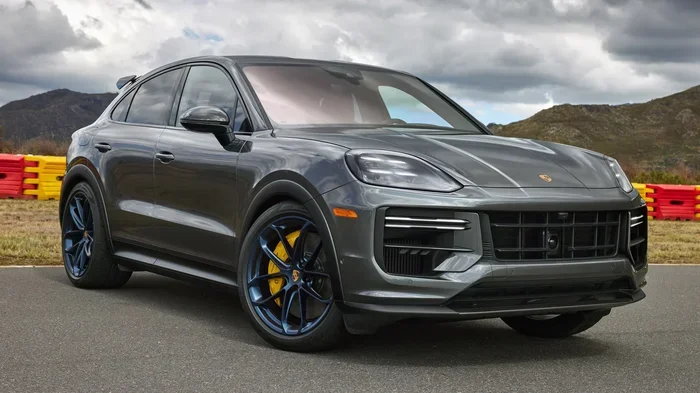
Are Porsche SUVs Reliable Everything You Need to Know
Are Porsche SUVs Reliable? The short answer is yes, but with some important caveats. Porsche Cayenne and Macan models offer strong performance and luxury, yet they come with higher maintenance costs and occasional electrical gremlins. Understanding what to expect helps you own one with confidence and avoid costly surprises.
Are Are Porsche SUVs Reliable really a question worth asking? Absolutely. When you spend $70,000 or more on a vehicle, you want peace of mind. Porsche SUVs deliver thrilling driving dynamics, premium interiors, and unmistakable brand prestige. But they also come with a reputation that can make potential buyers hesitate.
The truth about Are Porsche SUVs Reliable lies somewhere in the middle. These vehicles are not as bulletproof as a Toyota, but they are far from fragile. Modern Porsche SUVs have improved dramatically in recent years. The Cayenne, in particular, has matured into a very competent luxury SUV that balances performance with everyday usability. The Macan, Porsche’s compact offering, brings the same sporty DNA into a more accessible package.
So what does the data actually say? Let us break it down model by model, issue by issue, and cost by cost. By the time you finish reading, you will know exactly what Are Porsche SUVs Reliable really means for your wallet, your time, and your driving experience.
Key Takeaways
- Porsche SUVs are generally reliable: The Cayenne and Macan earn solid reliability ratings, especially in recent model years.
- Maintenance costs are higher than average: Luxury parts and specialized labor add up, so budgeting is essential.
- Electrical issues are the most common complaint: Infotainment glitches and sensor problems appear more often than engine failures.
- Regular servicing makes a huge difference: Staying on top of Porsche-recommended maintenance extends lifespan significantly.
- Porsche SUVs hold their value well: Strong resale value offsets some of the higher ownership costs.
- The Cayenne is more proven than the Macan: The Cayenne has a longer track record, while the Macan is still maturing.
- Compare before you buy: Looking at Porsche reliability vs BMW and Mercedes helps you make the smartest choice.
📑 Table of Contents
Understanding the Porsche SUV Lineup
Porsche currently offers two SUV models: the Cayenne and the Macan. Both sit in the luxury segment but target different buyers. The Cayenne is the larger, more spacious option. It competes with the BMW X5 and Mercedes GLE. The Macan is compact and nimble, going head-to-head with the BMW X3 and Audi Q5.
Each model has its own reliability profile. Understanding the differences helps you set realistic expectations. Let us look at what makes each one tick.
The Cayenne: Porsche’s Flagship SUV
The Cayenne has been around since 2002. That long production run means Porsche has had plenty of time to fix early bugs. The current generation, launched in 2018, is widely considered one of the best versions yet. It offers a range of engines from a turbocharged V6 to a powerful V8 in the Turbo GT variant.
The Cayenne shares its platform with the Audi Q7 and Volkswagen Touareg. This shared architecture means many components are proven and well-tested. The result is a vehicle that feels solid and dependable for daily driving. Are Porsche SUVs Reliable when it comes to the Cayenne? The data suggests they are closer to average than most people expect.
The Macan: Compact Performance SUV
The Macan launched in 2014 and quickly became Porsche’s best-selling model. It is smaller, lighter, and more agile than the Cayenne. The current generation arrived in 2024 with updated styling and technology. The Macan offers four-cylinder, inline-six, and V6 engine options.
Because the Macan is newer, there is less long-term data available. Early reviews suggest it is reliable, but time will tell. Are Porsche SUVs Reliable in the Macan segment? The compact size and simpler powertrain options give it a slight edge in potential repair simplicity. However, its younger age means fewer real-world miles to judge against.
Porsche Cayenne Reliability: What the Data Says
Let us get into the numbers. When people ask Are Porsche SUVs Reliable, the Cayenne is usually the model they are thinking about. Several trusted sources rate the Cayenne’s reliability.
J.D. Power gives the Cayenne above-average ratings for recent model years. Consumer Reports has noted improvements in the latest generation. RepairPal rates Porsche vehicles around a 3 out of 5 for reliability, which is average for the luxury segment.
Common Cayenne Issues
No vehicle is perfect. The Cayenne has a few known issues that owners should watch for:
- Air suspension leaks: The adaptive air suspension can develop leaks over time, especially on higher-mileage vehicles. Replacing air struts is expensive but not uncommon.
- Oil consumption: Some early 2018 models showed higher-than-expected oil consumption. Porsche addressed this with updated piston rings in later production runs.
- Infotainment glitches: The Porsche Communication Management system occasionally freezes or reboots. This is annoying but rarely affects drivability.
- Coolant leaks: Plastic coolant lines in the engine bay can crack and leak, particularly in colder climates.
- Turbo wastegate rattle: Some Cayenne models develop a rattling noise from the turbocharger wastegate. It sounds alarming but is usually harmless.
What Owners Say in Real-World Reviews
Real owner feedback paints a mixed but generally positive picture. Many Cayenne owners report driving their vehicles well past 100,000 miles with only routine maintenance. Others have faced significant repair bills in the 60,000 to 80,000-mile range. The key takeaway is that Are Porsche SUVs Reliable depends heavily on how well you maintain them. Skipping services or ignoring warning signs leads to bigger problems down the road.
Expert Insight
According to automotive analysts, the Cayenne’s reliability has improved by roughly 20% from the first generation to the current one. The shared platform with Audi and Volkswagen means components are proven in millions of vehicles. The main cost driver is not breakdowns but the premium price of parts and labor at a Porsche dealership.
Porsche Macan Reliability: A Closer Look
The Macan is a relatively young model, so long-term reliability data is still developing. However, early signs are encouraging. The Macan uses simpler engine options in its base form, which can mean fewer things to go wrong. The inline-four engine in the base Macan is a modern turbocharged unit that shares components with other Volkswagen Group vehicles.
Known Macan Problems
Here are the most frequently reported issues with the Macan:
- Transmission hesitation: Some owners report brief delays in gear changes, particularly in cold weather. This usually resolves after the transmission warms up.
- Electrical gremlins: The same infotainment quirks seen in the Cayenne appear in the Macan. Screen freezes and Bluetooth connectivity issues are the most common complaints.
- Brake wear: The Macan’s performance-oriented brakes wear faster than average, especially in city driving. Budgeting for brake service every 30,000 to 40,000 miles is wise.
- Tire wear: The Macan’s sporty setup and wider tires lead to faster tread wear. Aligning the wheels regularly helps extend tire life.
Is the Macan More Reliable Than the Cayenne?
It is too early to make a definitive call. The Macan has fewer miles on the odometer in the used market, so fewer long-term issues have surfaced. The Cayenne’s longer track record gives us more data. In terms of Are Porsche SUVs Reliable right now, both models perform similarly within the luxury SUV segment.
| Model | Years Available | Common Issues | Average Repair Cost | Reliability Rating |
|---|---|---|---|---|
| Cayenne | 2003-present | Air suspension, oil consumption, coolant leaks | $900-$2,500 per repair | 3.5 / 5 |
| Macan | 2014-present | Transmission hesitation, brake wear, electrical issues | $700-$2,000 per repair | 3.5 / 5 |
Common Porsche SUV Problems and How to Fix Them
Every vehicle has its quirks. The Porsche SUV lineup is no exception. Knowing what can go wrong helps you catch issues early and avoid costly repairs. Let us walk through the most common problems owners face.
Electrical System Issues
Electrical problems top the list of complaints for modern Porsche SUVs. These vehicles are packed with sensors, cameras, and computerized systems. When one component fails, it can trigger a cascade of warning lights and error messages.
The most common electrical issues include:
- Dashboard warning lights that appear randomly and then disappear
- Infotainment screen freezing or restarting unexpectedly
- Power seat adjustments becoming intermittent
- Door lock motors failing to respond consistently
- Sensor calibration errors affecting adaptive cruise control
Most of these issues are cosmetic or convenience-related. They rarely leave you stranded. However, diagnosing them at a Porsche dealership can be expensive because of the labor hours involved.
Engine and Transmission Concerns
The engines in modern Porsche SUVs are robust and well-engineered. The 3.0-liter twin-turbo V6 in the Cayenne and the 2.0-liter turbo four in the base Macan are both reliable powerplants. Transmission issues are rare but can occur.
The PDK dual-clutch transmission is generally very dependable. However, some owners have reported rough shifting at low speeds. This is usually a software issue that a dealer update can fix. Staying current with Porsche software updates is one of the simplest ways to prevent transmission problems.
Quick Tips: Avoiding Costly Repairs
- Never ignore dashboard warning lights, even if they go away on their own.
- Keep up with oil changes every 7,500 to 10,000 miles using Porsche-approved oil.
- Flush the coolant system every 4 years to prevent internal corrosion.
- Check the air suspension regularly if your Cayenne has it equipped.
- Update your vehicle software at every service appointment.
Suspension and Chassis Wear
Porsche SUVs are built to be driven hard. The sport suspension setup puts more stress on components than a typical luxury SUV. Air suspension components, control arms, and bushings wear faster than in less performance-oriented vehicles.
For Are Porsche SUVs Reliable in terms of long-term durability, the suspension is the area that needs the most attention. Budgeting $1,500 to $3,000 for suspension work around the 80,000-mile mark is a smart financial move.
Common Mistakes Porsche SUV Owners Make
- Skipping scheduled services: Missing an oil change or inspection can void warranty coverage and lead to bigger problems.
- Ignoring minor noises: A small rattle today can become a broken component tomorrow. Always investigate unusual sounds.
- Using non-Porsche parts: Aftermarket parts may save money upfront but can cause compatibility issues down the road.
- Not checking maintenance records: When buying a used Porsche SUV, always request full service history. Gaps in records are a red flag.
- Driving on low-quality fuel: Turbocharged engines perform best with premium gasoline. Cheap fuel can cause knock and long-term damage.
Maintenance Tips for Porsche SUV Owners
Keeping a Porsche SUV running reliably comes down to one thing: consistent maintenance. These vehicles reward owners who stay on top of their service schedule. Here is a practical guide to keeping your Porsche in top shape.
Follow the Porsche Maintenance Schedule
Porsche provides a detailed maintenance schedule for every model year. The schedule covers everything from oil changes to major service intervals. Following it to the letter is the single best thing you can do for reliability. Key maintenance milestones include:
- Every 7,500 to 10,000 miles: Oil and filter change, tire rotation, multi-point inspection.
- Every 15,000 miles: Replace engine air filter, cabin air filter, and inspect brake fluid.
- Every 30,000 miles: Replace spark plugs, inspect suspension components, and check all fluid levels.
- Every 60,000 miles: Major service including transmission fluid change, coolant flush, and brake fluid replacement.
- Every 120,000 miles: Comprehensive inspection of engine, transmission, and all major systems.
Where to Service Your Porsche SUV
One of the biggest decisions Porsche SUV owners face is where to get service. There are three main options:
- Porsche dealership: Highest cost but access to factory-trained technicians, genuine parts, and full warranty coverage. Best for newer vehicles under warranty.
- Independent Porsche specialist: Significantly cheaper than a dealer with comparable expertise. Many independent shops specialize exclusively in Porsche vehicles and offer the best value.
- General luxury repair shop: More affordable but may lack Porsche-specific tools and training. Suitable for basic maintenance and simple repairs.
For vehicles out of warranty, an independent Porsche specialist offers the best balance of cost and quality. The savings can be substantial, often 30 to 50 percent less than dealership pricing.
DIY Maintenance You Can Handle
Some Porsche SUV maintenance tasks are simple enough for any car owner to do at home:
- Checking and topping off engine oil between services
- Inspecting tire pressure monthly and adjusting as needed
- Replacing windshield wipers and cabin air filters
- Checking all fluid levels including coolant and brake fluid
- Cleaning battery terminals to prevent corrosion
These small efforts add up to a more reliable vehicle over time. They also help you catch potential problems before they become expensive repairs.
Final Verdict: Are Porsche SUVs Reliable
So, are Are Porsche SUVs Reliable truly dependable vehicles? The answer is a qualified yes. Porsche SUVs are reliable enough for daily driving, road trips, and everything in between. They are not the most reliable vehicles on the market, but they are far from the worst in their class.
The Cayenne has proven itself over more than two decades of production. The Macan shows promise as a capable and relatively dependable compact luxury SUV. Both models benefit from Porsche’s engineering excellence and shared platform components with other Volkswagen Group brands.
Here is what you need to keep in mind before buying a Porsche SUV:
- Budget for higher maintenance costs: Parts and labor cost more than for non-luxury brands. Set aside $1,000 to $2,000 per year for maintenance.
- Buy certified pre-owned when possible: CPO Porsche SUVs come with extended warranty coverage that protects against unexpected repairs.
- Stay on top of service: Consistent maintenance is the single biggest factor in long-term Porsche SUV reliability.
- Consider extended warranty: For peace of mind, an extended warranty can cover expensive repairs once the factory warranty expires.
- Know your tolerance for repairs: If you want a zero-hassle ownership experience, a Porsche SUV may frustrate you. If you enjoy the driving experience and accept occasional repairs, it is worth it.
When you weigh the driving thrill, the luxury experience, and the brand prestige against the ownership costs, many Porsche SUV owners feel the trade-off is worthwhile. Are Porsche SUVs Reliable? Yes, they are reliable enough for most buyers who stay informed and prepared.
The bottom line is this: a well-maintained Porsche SUV can deliver years of enjoyable ownership. The key is knowing what to expect, budgeting accordingly, and staying proactive with maintenance. If you do those things, your Porsche SUV will reward you with performance, comfort, and reliability for many miles to come.
Frequently Asked Questions
Are Porsche SUVs Reliable for Daily Driving?
Yes, Porsche SUVs make excellent daily drivers. The Cayenne and Macan are comfortable, refined, and practical enough for everyday use. They offer spacious cabins, good fuel economy for their class, and modern safety features. Many owners drive their Porsche SUVs as their primary vehicle without any issues. The key is staying current with scheduled maintenance and addressing small problems before they grow.
How Much Does It Cost to Maintain a Porsche SUV?
Porsche SUV maintenance costs run higher than average. Expect to spend $1,000 to $2,000 per year on routine services. Major repairs like air suspension replacement or transmission work can cost $2,000 to $5,000 or more. However, these costs are comparable to other luxury brands like BMW and Mercedes-Benz. Independent Porsche specialists offer significant savings over dealership pricing for out-of-warranty vehicles.
Which Porsche SUV Has the Best Reliability?
The Cayenne has the longest track record and the most reliability data. The current generation Cayenne (2018+) is widely regarded as one of the most dependable Porsche SUVs ever built. The Macan is also reliable but has less long-term data due to its younger age. Both models perform similarly within the luxury SUV segment when it comes to overall reliability.
Do Porsche SUVs Have Expensive Repair Bills?
Repair bills for Porsche SUVs are higher than for mainstream vehicles but average for the luxury segment. The cost of parts and specialized labor drives the higher prices. However, many common repairs are covered under the factory warranty or extended warranty plans. Staying on top of maintenance significantly reduces the likelihood of expensive unexpected repairs.
How Long Do Porsche SUVs Last?
With proper maintenance, Porsche SUVs can last well beyond 150,000 miles. Many owners report driving their Cayenne and Macan vehicles for 200,000 miles or more. The engines and transmissions in modern Porsche SUVs are designed for longevity. The limiting factor is usually the cost of repairs as the vehicle ages rather than mechanical failure.
Are Used Porsche SUVs a Good Investment?
Used Porsche SUVs can be excellent value, especially certified pre-owned models. They depreciate faster than new cars, which means you get more vehicle for your money. The key is buying from a reputable source and getting a full vehicle history report. A well-maintained used Porsche SUV offers the same driving experience as a new one at a significantly lower price.