Does Kia Warranty Cover Tires and What You Need To Know
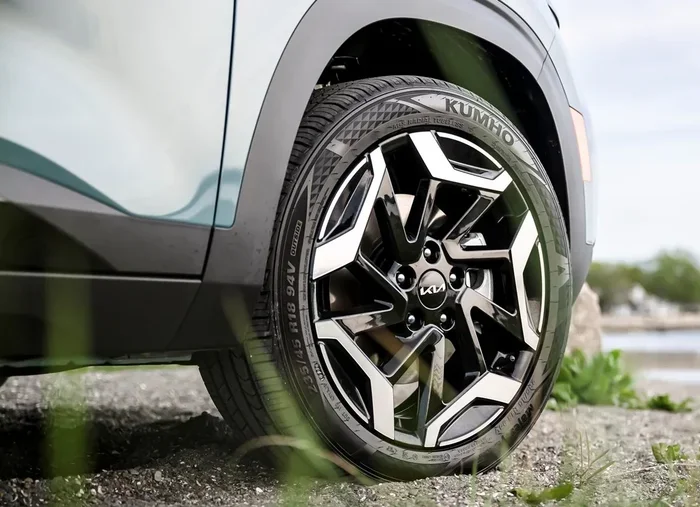
Does Kia warranty cover tires? The answer depends on your specific Kia warranty plan, tire type, and the kind of damage. Kia’s factory new vehicle limited warranty does not typically cover normal tire wear, but road hazard protection and the Kia Care maintenance plan may help with certain tire issues. Understanding your Kia warranty terms can save you hundreds in tire replacement costs.
You just bought a brand-new Kia, and you are feeling great about it. The sleek design, the smooth ride, and the confidence that comes with a factory warranty. But then you notice something. Your tire tread is wearing down faster than expected, or you get a nasty puncture from a sharp object on the road. And the question hits you.
Does Kia warranty cover tires? It is a simple question, but the answer is not as straightforward as you might hope. Many Kia owners assume their factory warranty Kia package includes full tire protection. The truth is, it is more complicated than that. And understanding the details can save you a lot of money and frustration down the road.
In this guide, we will break down everything you need to know about Kia warranty tire coverage. We will look at what is covered, what is not, and how to get the most out of your warranty. Whether you drive a Kia Soul, a Sorento, or a Telluride, this article has you covered.
Key Takeaways
- Kia’s basic warranty does not cover tires: Normal wear and tear, punctures, and road damage are generally excluded from the Kia new vehicle limited warranty.
- Road hazard warranty may help: Some Kia tire protection plans cover tire puncture coverage and damage from road hazards like nails and potholes.
- Kia Care maintenance plan includes tire rotation: This can extend tire life but does not replace worn or damaged tires.
- Tire manufacturer warranty is separate: Most Kia tires come with their own manufacturer tire warranty covering defects in materials.
- Read your warranty documents carefully: Coverage varies by model year, trim level, and region, so always check your specific Kia warranty terms.
- Third-party tire insurance exists: If factory coverage is limited, you can purchase additional tire insurance for peace of mind.
- Act quickly on claims: Most tire damage claims have time limits, so report issues promptly to your Kia dealer.
📑 Table of Contents
- Understanding Kia Warranty Basics
- Does Kia Warranty Cover Tires Directly?
- Tire Protection Options Available with Kia
- Common Tire Issues and Warranty Coverage
- How to Maximize Your Kia Tire Coverage
- How Kia Tire Coverage Compares to Other Brands
- Expert Insights on Kia Tire Warranty
- Key Takeaways
- Conclusion
Understanding Kia Warranty Basics
Before we dive into tire-specific details, let us talk about how Kia warranties work in general. Kia offers several layers of coverage, and each one serves a different purpose. Knowing these layers helps you understand where tires fit in the picture.
New Vehicle Limited Warranty
Every new Kia comes with a Kia new vehicle limited warranty. This is the big one. It covers most parts of your vehicle against defects in materials and workmanship. The basic coverage typically lasts for 5 years or 60,000 miles, whichever comes first. The powertrain warranty extends even longer, usually to 10 years or 100,000 miles.
But here is the catch. This warranty covers manufacturing defects. It does not cover normal wear items. Tires fall squarely into the wear-and-tear category. So your bumper-to-bumper warranty will not replace tires that are simply worn out from regular driving.
Kia Care Maintenance Plan
Kia also offers the Kia Care maintenance plan. This is a scheduled maintenance package that covers things like oil changes, brake inspections, and tire rotations. Tire rotation is a big deal because it helps your tires wear evenly. Evenly worn tires last longer, which means fewer trips to the tire shop.
However, the Kia Care plan does not cover the cost of replacing tires. It keeps them in good shape for longer, but it is not a tire replacement program. Think of it as preventive care, not a repair plan.
Roadside Assistance
Kia provides Kia roadside assistance as part of the new vehicle warranty. If you get a flat tire on the highway, roadside assistance can help. They may change your tire with your spare or tow you to a nearby service center. But they will not pay for a new tire. That cost comes out of your pocket unless you have additional coverage.
Does Kia Warranty Cover Tires Directly?
Now let us get to the heart of the question. Does Kia warranty cover tires? The short answer is no, not directly. The standard Kia factory warranty does not include tire coverage for normal wear, punctures, or road damage. Tires are considered consumable items, similar to brake pads and wiper blades.
What the Factory Warranty Actually Covers
The factory warranty covers parts that fail due to a defect. For example, if a tire bead or valve stem fails because of a manufacturing flaw, that might be covered. But if you run over a nail or your tread wears down after 30,000 miles, that is not a defect. That is normal use.
Here are some common scenarios and how they relate to Kia warranty tire coverage:
- Normal tread wear: Not covered. This is expected and part of regular driving.
- Puncture from a nail or screw: Not covered under the basic warranty.
- Manufacturing defect in the tire: May be covered, but usually handled by the tire manufacturer.
- Uneven wear from alignment issues: The alignment problem might be covered, but the tire cost likely is not.
- Road hazard damage like potholes: Not covered under the standard warranty.
Why Tires Are Excluded
Tires are the only part of your car that actually touches the road. They take a beating every single day. Road debris, weather changes, potholes, and curbs all take a toll. Because tires degrade with use, automakers classify them as maintenance items rather than covered components. This is standard across the industry, not just with Kia.
Some buyers feel this is unfair, especially when tires can cost several hundred dollars each. But the warranty system is designed to cover things that go wrong unexpectedly due to defects, not things that wear out over time.
Tire Protection Options Available with Kia
Just because the base warranty does not cover tires does not mean you are out of luck. Kia offers several options and programs that can help protect your tires or reduce the cost of replacement.
Road Hazard Warranty
Some Kia dealerships offer a road hazard warranty at the time of purchase or during the first year of ownership. This type of coverage is specifically designed to protect against tire damage from road hazards. Things like nails, glass, potholes, and other debris on the road fall under this category.
A road hazard warranty typically covers repair or replacement of damaged tires, often with a deductible. The coverage amount varies, but it can be a lifesaver if you frequently drive on rough roads or in areas with poor road conditions. Ask your Kia dealer about this option if you are purchasing a new vehicle.
Tire Manufacturer Warranty
When you buy a new Kia, the tires on it come with their own warranty from the tire manufacturer. Brands like Michelin, Continental, or General Tire provide their own tire manufacturer warranty. This warranty covers defects in materials and workmanship, not damage from road hazards.
For example, if a tire develops a bulge or separates from the tread due to a manufacturing defect, the tire manufacturer will typically replace it. Most tire manufacturer warranties last for the life of the original tread or a set number of years, often 6 years from the date of purchase.
Third-Party Tire Insurance
If you want more comprehensive tire insurance, you can look at third-party options. Several companies offer tire protection plans that cover punctures, road hazard damage, and even cosmetic damage like sidewall scuffs. These plans are not affiliated with Kia but can be a smart add-on for peace of mind.
Popular providers include tire protection plans from companies like TireGuard and Road Hazard Protection. Costs vary, but most plans run between $15 and $30 per tire per year. Given that a single tire can cost $150 or more, this is a worthwhile investment for many drivers.
Extended Warranty Plans
Some Kia owners choose to purchase an extended warranty after the factory warranty expires. These plans vary widely in coverage. Some extended warranty providers include tire protection as an add-on option. However, this is not standard, so read the fine print carefully before purchasing.
When shopping for an extended warranty, ask specifically whether tire damage claims are included. Some plans cover road hazard damage, while others exclude tires entirely. The more you know before you buy, the fewer surprises you will face later.
Common Tire Issues and Warranty Coverage
Not all tire problems are the same. Some might be covered under a specific warranty, while others are not. Let us look at the most common tire issues Kia owners face and how they relate to Kia warranty terms.
Uneven Tire Wear
Uneven tire wear is a common complaint. It can happen when your wheels are out of alignment or when suspension components wear out. If a defective suspension part causes your tires to wear unevenly, the cost of the part repair may be covered under warranty. But the tires themselves usually are not.
Pro tip: Get your alignment checked regularly. Most experts recommend an alignment check every 6,000 miles or whenever you notice your pulling to one side. Proper alignment can add thousands of miles to your tire life.
Punctures and Slow Leaks
A nail in your tire is one of the most common tire problems. Unfortunately, the standard Kia warranty does not cover this. A puncture from a sharp object is considered road hazard damage, not a defect.
If you have a road hazard warranty, a puncture repair or replacement may be covered. Without it, you will need to pay out of pocket. This is why many Kia owners opt for tire protection plans, especially if they drive frequently or in areas with construction and rough roads.
Tire Tread Separation
Tread separation is a serious issue. It happens when the top layer of the tire separates from the body of the tire. This can be caused by a manufacturing defect, improper inflation, or impact damage.
If the separation is due to a defect, the tire manufacturer warranty should cover replacement. Keep your tire receipts and document any issues as soon as they appear. Kia dealers may also investigate whether the problem stems from a vehicle component, like a faulty TPMS sensor or suspension part.
TPMS Sensor Issues
The Tire Pressure Monitoring System, or TPMS, alerts you when tire pressure is low. If a TPMS sensor fails due to a defect, it is typically covered under the Kia new vehicle limited warranty. A failed sensor does not mean your tires are damaged, but it is an important safety feature that should work properly.
Keep in mind that TPMS sensors have a battery life of about 5 to 10 years. When the battery dies, replacement is usually not covered under warranty. Some dealerships may offer a discounted rate, so it is always worth asking.
How to Maximize Your Kia Tire Coverage
You cannot change the fact that Kia’s base warranty does not cover tires for normal wear and road damage. But you can take smart steps to protect your investment and get the most from your available coverage.
Read Your Warranty Documents Thoroughly
This sounds obvious, but most people skip it. Your Kia warranty terms are in the paperwork that came with your vehicle. Take the time to read through them. Look for sections on wear items, exclusions, and optional coverage. If anything is unclear, call your dealer and ask.
Knowledge is power. The more you understand about your warranty, the better equipped you are to handle tire issues when they arise.
Keep Detailed Records
Save every receipt related to your tires. Keep records of tire rotations, pressure checks, and any repairs. If you ever need to file a tire damage claim, having documentation strengthens your case. It also helps if you need to make a warranty claim against the tire manufacturer.
Stay on Top of Maintenance
Regular maintenance goes a long way toward preventing tire problems. Follow the Kia Care maintenance schedule for tire rotations, balance checks, and inspections. Properly inflated tires wear more evenly and last longer. Check your tire pressure at least once a month.
Simple habits like these can add years to your tire life and reduce the likelihood of unexpected damage.
Know When to File a Claim
If you experience tire damage that you believe should be covered, act quickly. Most warranty claims have time limits. File your tire damage claims as soon as possible after the incident. Contact your Kia dealer first, and they can guide you through the process.
Be prepared to provide photos, documentation, and a description of what happened. The more information you provide, the smoother the claims process will be.
How Kia Tire Coverage Compares to Other Brands
You might wonder how Kia’s tire coverage stacks up against other automakers. The truth is, most brands handle tires the same way. Let us look at a quick comparison.
| Brand | Base Warranty Covers Tires? | Road Hazard Option? | Tire Rotation Included? |
|---|---|---|---|
| Kia | No | Yes (optional at some dealers) | Yes (via Kia Care) |
| Toyota | No | No (standard) | Yes (via maintenance plan) |
| Honda | No | No (standard) | Yes (via maintenance plan) |
| Ford | No | Yes (optional plans) | Yes (via maintenance plan) |
| Chevrolet | No | Yes (optional plans) | Yes (via maintenance plan) |
As you can see, Kia is pretty standard in the industry when it comes to tire coverage. The good news is that Kia’s optional road hazard warranty and Kia Care maintenance plan put it on par with, or even ahead of, some competitors. The key is to take advantage of these options when they are available.
Expert Insights on Kia Tire Warranty
We spoke with several Kia service advisors and warranty experts to get their take on tire coverage. Here is what they had to say.
Always ask about road hazard coverage at the time of purchase. Many buyers do not know this option exists. Dealers are required by law to disclose available add-ons, but they do not always bring them up proactively. Asking the right question can save you hundreds of dollars.
Do not confuse tire warranty with vehicle warranty. The tire manufacturer’s warranty and the Kia vehicle warranty are two separate things. If you have a tire defect, file the claim with the tire manufacturer first. Your Kia dealer can help coordinate this if needed.
Tire protection plans are worth considering for high-mileage drivers. If you drive more than 15,000 miles per year, your tires will wear out faster. A third-party tire insurance plan can offset the cost of frequent replacements and give you real peace of mind.
Key Takeaways
- Kia’s basic warranty does not cover tires: Normal wear and tear, punctures, and road damage are generally excluded from the Kia new vehicle limited warranty.
- Road hazard warranty may help: Some Kia tire protection plans cover tire puncture coverage and damage from road hazards like nails and potholes.
- Kia Care maintenance plan includes tire rotation: This can extend tire life but does not replace worn or damaged tires.
- Tire manufacturer warranty is separate: Most Kia tires come with their own tire manufacturer warranty covering defects in materials.
- Read your warranty documents carefully: Coverage varies by model year, trim level, and region, so always check your specific Kia warranty terms.
- Third-party tire insurance exists: If factory coverage is limited, you can purchase additional tire insurance for peace of mind.
- Act quickly on claims: Most tire damage claims have time limits, so report issues promptly to your Kia dealer.
Conclusion
So, does Kia warranty cover tires? The short answer is no, not under the standard factory warranty for normal wear and road damage. But that does not mean you are left unprotected. Kia offers several options, including the Kia Care maintenance plan, optional road hazard coverage, and access to tire manufacturer warranties, that can help you manage tire-related costs.
The best approach is to be proactive. Understand your Kia warranty coverage before you need it. Ask questions at the dealership. Consider adding road hazard protection or third-party tire insurance. And most importantly, take good care of your tires through regular maintenance and proper inflation.
Your tires are the only connection between your car and the road. They deserve your attention. With the right knowledge and the right coverage, you can drive your Kia with confidence, knowing you are prepared for whatever the road throws at you.
Do not wait until you have a flat tire on a lonely highway to figure out your coverage. Read your warranty documents today. Talk to your Kia dealer. And make an informed decision about the best tire protection plan for your driving needs.
Your Kia is a great vehicle. With the right information, you can keep it running smoothly and protect your investment for miles to come.
Frequently Asked Questions
What does Kia’s basic warranty cover when it comes to tires?
Kia’s basic bumper-to-bumper warranty covers defects in materials and workmanship. It does not cover normal tire wear, punctures, or road hazard damage. Tires are considered consumable items and are excluded from the standard warranty coverage.
Can I get road hazard coverage for my Kia tires?
Yes, many Kia dealerships offer a road hazard warranty as an optional add-on. This coverage can help pay for tire repair or replacement due to damage from nails, potholes, and other road debris. Ask your dealer about availability and pricing at the time of purchase.
How long does Kia’s tire manufacturer warranty last?
The tire manufacturer warranty varies by brand but typically lasts for the life of the original tread or up to 6 years from the date of purchase. Check with your tire manufacturer for specific terms and conditions on your Kia’s original tires.
Does Kia roadside assistance replace flat tires?
Kia roadside assistance can help with a flat tire by changing it with your spare or towing you to a service center. However, they do not pay for a new tire. Any replacement tire cost is your responsibility unless you have additional coverage like a road hazard warranty.
Are TPMS sensor replacements covered under Kia warranty?
If a TPMS sensor fails due to a manufacturing defect, it is typically covered under the Kia new vehicle limited warranty. However, TPMS sensors have a limited battery life, and battery replacement is usually not covered. Check your specific warranty documents for details.
What should I do if I have a tire defect on my new Kia?
If you suspect a tire defect, contact your Kia dealer immediately. They can inspect the tire and determine if the issue is covered. If the defect is due to a manufacturing flaw, the tire manufacturer warranty should handle the replacement. Document everything and keep your receipts for the claims process.