Does Toyota Still Make the Celica and Why It Matters
Toyota no longer produces the Celica, but this iconic sports car left a lasting mark on the automotive world. The last Toyota Celica rolled off the production line in 2006, ending a storied run that spanned over three decades. Here is everything you need to know about why the Toyota Celica still matters today and what it means for fans and buyers alike.
Toyota has built some of the most reliable cars on the road. From the trusty Corolla to the mighty Supra, the brand has a long history of making vehicles people love. But one nameplate stands out among fans and gearheads alike. The Toyota Celica captured hearts for over three decades. It was fast, fun, and surprisingly practical. Yet today, you will not find a new Toyota Celica at any dealership. This raises a big question: does Toyota still make the Celica? The short answer is no. But the full story is much more interesting than that.
The Toyota Celica first appeared in 1970. It was Toyota’s answer to the growing demand for affordable sports cars. Over the years, it evolved through many generations. Each version brought new technology, better styling, and improved performance. The car earned a reputation for being reliable, lightweight, and exciting to drive. Even though Toyota stopped making the Celica in 2006, the name still carries weight. Fans still talk about it. Collectors still hunt for one. And many people wonder why Toyota let such a beloved model go away.
In this article, we will cover the full history of the Toyota Celica. We will look at why Toyota stopped making it. We will explore what replaced it in Toyota’s lineup. And we will talk about why the Celica still matters to car lovers today. Whether you are thinking about buying one or just love Toyota history, this guide has you covered.
Key Takeaways
- Toyota discontinued the Celica in 2006: The final generation ended production after a 36-year run that began in 1970.
- The Celica shared a platform with the Supra: Both cars used the Toyota sports car chassis, making them siblings under the hood.
- The Celica still holds strong value: Enthusiasts seek out classic models, especially the ST and GT trims from the 1990s and early 2000s.
- Maintenance is manageable for owners: Parts are still available, and many components overlap with other Toyota models.
- Toyota has no plans to revive the nameplate: The company has shifted focus to other sports models and electrified vehicles.
- The Celica shaped Toyota’s sports car identity: It helped establish Toyota as a serious player in the affordable performance car market.
📑 Table of Contents
The History of the Toyota Celica
The Toyota Celica has a rich history that spans from 1970 to 2006. During that time, the car went through many changes. Each generation brought something new to the table. Let us walk through the key eras of the Toyota Celica.
First Generation (1970-1977)
The original Toyota Celica was a compact sports coupe. It was based on the Toyota Corona platform, which kept costs low. The first Celica was simple but effective. It came with a 1.6-liter engine that made about 108 horsepower. That may not sound like much today. But in 1970, it was a fun and peppy car. Toyota sold the Celica as a two-door coupe with a clean, sporty design. The car was lightweight, which made it easy to handle. It quickly gained a following among young drivers and car enthusiasts.
Toyota also introduced a convertible version early on. The Celica convertible was a hit in sunny climates. It added a layer of style and fun to the lineup. By the mid-1970s, the Celica had grown in popularity across the United States and Europe.
Second and Third Generations (1977-1985)
The second generation brought a more angular design. Toyota also introduced the Celica Supra as a companion model. The Supra would go on to become its own iconic car. The Celica grew larger and more refined during this period. Toyota offered different engine options, including a 2.0-liter inline-four. The car also got fuel injection in some markets. This improved both performance and fuel economy.
The third generation arrived in 1981. It featured a more aerodynamic shape. Toyota introduced the Celica Turbo during this era. The turbo version added a boost of power and a sporty edge. This was also the era when Toyota started using the Celica in rally racing. The Celica proved itself on dirt and gravel stages around the world. Its rally success boosted its reputation as a true sports car.
Fourth and Fifth Generations (1985-1999)
The fourth-generation Toyota Celica arrived in 1985. It was a major leap forward in design and technology. The car was lower, wider, and more aerodynamic. Toyota offered the famous retractable headlamps on certain trims. The engine lineup included a 2.0-liter turbocharged option that produced over 190 horsepower. The Celica GT-Four became a rally legend during this time. It won multiple World Rally Championship events.
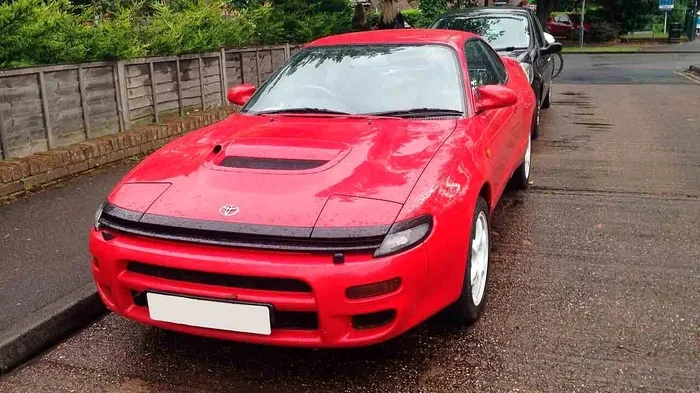
The fifth generation came in 1989. It was sleeker and more modern. Toyota offered the Celica with a 2.0-liter naturally aspirated engine or a turbocharged variant. The convertible model returned and was very popular. By the mid-1990s, the Celica was one of the most recognizable sports coupes on the road. It offered a perfect blend of performance, style, and everyday usability.
Sixth and Seventh Generations (1999-2006)
The sixth-generation Celica arrived in 1999. It had a bold, futuristic design. The pop-up headlights were gone, replaced by fixed units. Toyota offered the Celica with a 1.8-liter engine that made around 140 horsepower. The GT-S trim added a supercharger for more power. The car was nimble and fun to drive. It felt like a true driver’s car at an affordable price.
The seventh and final generation came in 2000. It was the last of the Toyota Celica models. Toyota made some updates to the styling and technology. The car remained lightweight and rear-wheel drive. But sales were declining. The sports car market was shifting. Consumers wanted bigger, more comfortable vehicles. By 2006, Toyota decided it was time to end the Celica line. The last Celica rolled off the assembly line in April 2006.
Why Did Toyota Stop Making the Celica?
Toyota did not make the decision to end the Celica lightly. But several factors pushed the company toward discontinuation. Understanding these reasons helps explain why the Toyota Celica is no longer in production.
Falling Sales and Market Shifts
By the early 2000s, sports car sales were declining. Consumers were buying more SUVs and crossovers. The demand for small, affordable coupes was shrinking. Toyota saw its Celica sales drop year after year. The company needed to focus its resources on more profitable models. It was a tough decision, but the numbers made sense.
Rising Development Costs
Building a modern sports car is expensive. Toyota needed to invest heavily in new technology and safety features. The Celica platform was getting older. Updating it to meet new regulations would cost a lot of money. Toyota decided to put that money toward other projects. The company was focusing on trucks, SUVs, and hybrid vehicles. The Celica did not fit into that strategy.
Competition from Other Models
Toyota already had the Supra as its flagship sports car. The Supra offered more power and luxury. But when the Supra was also discontinued in 1998, Toyota lost its main sports car offering. The Celica tried to fill that gap. However, it could not compete with rivals like the Mazda RX-8 and the Honda S2000. These cars offered more excitement and prestige. By the end, the Celica was caught in the middle.
The Toyota Brand Shift
Toyota was moving toward a different brand image. The company wanted to focus on reliability, efficiency, and technology. Sports cars did not fit that narrative as well. Toyota began investing more in hybrid technology and electric vehicles. The Celica, as a gasoline-only sports coupe, did not align with that vision.
What Replaced the Toyota Celica?
After Toyota stopped making the Celica, the company did not leave a big gap in its lineup. Several models stepped in to cover the sports car and coupe segments.
The Toyota Scion tC
Toyota launched the Scion brand in 2003 to target younger buyers. The Scion tC was a sporty coupe that took over some of the Celica’s duties. It was affordable, stylish, and fun to drive. The tC was not as sporty as the Celica. But it offered a similar package for a new generation of car buyers.
The Toyota 86 and Subaru BRZ
In 2012, Toyota introduced the 86 (known as the FR-S in some markets). This car was developed with Subaru. It was a lightweight, rear-wheel-drive sports coupe. The 86 brought back the spirit of affordable, driver-focused Toyotas. Many fans see the 86 as the spiritual successor to the Celica. It does not have the same history or name recognition. But it captures the same joy of driving.
The Toyota GR Supra
Toyota brought back the Supra name in 2019. The new GR Supra is a powerful sports car with a turbocharged inline-six engine. It is much more expensive than the old Celica. But it represents Toyota’s commitment to the sports car segment. The Supra and the 86 together form Toyota’s current sports car lineup.
Why the Toyota Celica Still Matters
Even though Toyota no longer makes the Celica, the car still holds a special place. Here is why the Toyota Celica continues to matter in the automotive world.
Rally Heritage
The Celica GT-Four was a rally powerhouse. It competed in the World Rally Championship for many years. The car won multiple stages and helped Toyota earn respect on the global stage. Rally fans still celebrate the Celica’s achievements. The car proved that Toyota could build a serious performance machine.
Affordable Sports Car Legacy
The Toyota Celica made sports car ownership accessible. Not everyone could afford a Porsche or a BMW. The Celica offered an entry point into the world of driving fun. It was reliable, easy to maintain, and surprisingly fast. For many car enthusiasts, the Celica was their first sports car. That emotional connection keeps the name alive.
Influence on Modern Toyota Design
The Celica helped shape Toyota’s approach to sports cars. The lessons learned from the Celica program influenced later models. The 86 and GR Supra carry forward the Celica’s philosophy. Lightweight construction, rear-wheel drive, and driver-focused design. These principles started with the Celica and continue today.
The Used Market
Toyota Celica models are still widely available on the used market. You can find everything from first-generation coupes to late-model GT-S trims. The prices vary widely based on condition and rarity. Some models are very affordable. Others, especially limited editions, command premium prices. If you are interested in buying a Toyota Celica, there are plenty of options to explore.
Owning a Toyota Celica Today
If you are thinking about buying a Toyota Celica, there are a few things to keep in mind. Owning a classic or older car comes with responsibilities. Here is what you need to know.
Finding the Right Model
The best Toyota Celica model depends on your goals. If you want a daily driver, look for the fifth or sixth generation. These models are more modern and comfortable. If you want a collector’s item, earlier generations with the pop-up headlights are very desirable. The Celica GT-Four is the holy grail for enthusiasts. But it is also the most expensive and hardest to find.
Maintenance and Parts
Maintaining a Toyota Celica is generally straightforward. Many parts are still available through Toyota dealerships and aftermarket suppliers. For older models, you may need to search specialty vendors. Common maintenance items include brake pads, suspension components, and engine seals. Staying on top of regular service keeps the car running strong for years.
If you own an older Toyota model and need a replacement key, Toyota can still help. In many cases, Toyota can cut a key directly from your VIN, even for older models like the Celica. This makes key replacement much easier than you might expect.
Key Fob and Ignition Considerations
Later Celica models used key fobs with push-to-start functionality. If you are replacing or programming a key fob for a newer model, the cost can vary. Understanding the cost to program a push-to-start key fob can help you budget for ownership. Older Celica models with traditional ignition keys are simpler and less expensive to maintain.
Common Issues to Watch For
Like any older car, the Toyota Celica has some common issues to watch for. The 2.0-liter turbocharged engines can develop oil leaks over time. The suspension components wear out with age, especially on higher-mileage cars. The automatic transmissions in some models can be finicky. Regular inspections and timely repairs will keep your Celica in great shape. Also, check for rust on the wheel arches and undercarriage. This is a common issue on older models that were exposed to road salt.
Tips for Keeping Your Celica in Top Shape
- Stick to a regular maintenance schedule. Oil changes, brake inspections, and fluid flushes are essential.
- Store the car properly. Keep it in a dry, covered area to prevent rust and interior damage.
- Use quality parts. OEM Toyota parts or high-quality aftermarket replacements will last longer.
- Drive it regularly. Letting a Celica sit for long periods can cause battery drain and flat spots on tires.
- Check the cabin air filter. A clogged cabin air filter can reduce airflow and affect your comfort. In some cases, a dirty filter can even slightly affect gas mileage, so keeping it clean is a smart move.
The Future of Toyota Sports Cars
Toyota has not forgotten about the sports car segment. The company is investing heavily in performance and electrification. The GR lineup represents Toyota’s commitment to driving excitement. The GR Supra, GR86, and GR Corolla all carry the torch forward.
But will Toyota ever bring back the Celica name? The chances are slim. Toyota has stated that it has no plans to revive the Celica. The name is too closely tied to a specific era of the company’s history. Instead, Toyota is focusing on the future. Hybrid and electric sports cars are on the horizon. Toyota has already introduced electrified performance vehicles in other markets. A future Toyota sports car could be fully electric.
That does not mean the Celica is forgotten. The name still resonates with car lovers around the world. Enthusiast groups keep the spirit alive through meets, rallies, and online communities. The Toyota Celica will always hold a special place in automotive history.
Conclusion
Toyota stopped making the Celica in 2006, and the company has no plans to bring it back. The Toyota Celica was a groundbreaking sports car that spanned 36 years of production. It earned its place in automotive history through rally wins, affordable performance, and lasting reliability. While the car is no longer in production, its legacy lives on.
If you are a fan of the Toyota Celica, there are plenty of ways to keep the spirit alive. You can buy a used model and enjoy it on the road. You can join enthusiast clubs and connect with other owners. Or you can simply appreciate the role the Celica played in shaping Toyota’s identity as a maker of exciting, reliable cars.
The Toyota Celica may be gone, but it is far from forgotten. It will continue to inspire car lovers for generations to come. Whether you are a longtime fan or just discovering this iconic model, the Toyota Celica deserves your attention and respect.
Frequently Asked Questions
When did Toyota stop making the Celica?
Toyota ended Celica production in 2006. The last model year was the seventh generation, which had been on sale since 2000. The final Celica rolled off the assembly line in April 2006, closing out a 36-year production run that started in 1970.
Why was the Toyota Celica discontinued?
Several factors led to the discontinuation. Falling sales, rising development costs, and shifting consumer preferences all played a role. Toyota was focusing more on SUVs, trucks, and hybrid vehicles. The sports car market was also shrinking during this period, making it harder to justify the investment.
What is the most valuable Toyota Celica model?
The Celica GT-Four is widely considered the most valuable and desirable model. It was the rally version of the Celica and is highly sought after by collectors. Early first-generation models and rare limited editions also command strong prices on the used market.
Can you still buy a Toyota Celica today?
Yes, you can buy a Toyota Celica on the used market. They are available through online marketplaces, auctions, and specialty dealers. Prices range widely depending on the model year, condition, and trim level. Well-maintained examples can be found at reasonable prices.
Is the Toyota Celica a good daily driver?
The Toyota Celica can be a good daily driver, especially the later models from the 1990s and 2000s. These versions are more comfortable and reliable. However, older models may require more maintenance and attention. Regular service and proper care are essential for any daily-driven Celica.
Will Toyota ever bring back the Celica name?
Toyota has not announced any plans to revive the Celica nameplate. The company is focused on its current GR sports car lineup, including the Supra and the 86. While the automotive industry is shifting toward electrification, a future electric or hybrid sports car could carry a new name rather than the Celica badge.
=== META TITLE ===
Does Toyota Still Make the Celica? Here’s the Truth
=== URL SLUG ===
does-toyota-still-make-the-celica-and-why-it-matters