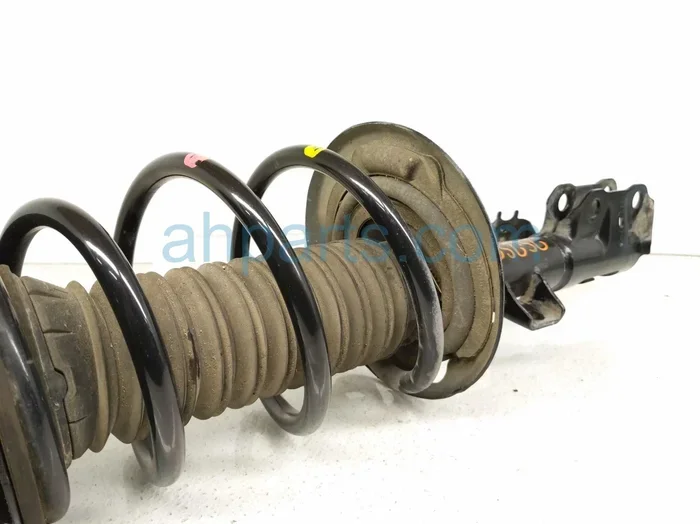
Does the Toyota Venza Have a Front and Rear Sway Bar
The Toyota Venza does come equipped with both a front and rear sway bar as part of its suspension system. These stabilizer bars help reduce body roll during turns and improve overall vehicle stability. Understanding how these components work can help you maintain your Venza better and make informed upgrades.
When you buy a Toyota Venza, you expect a smooth ride and solid build quality. But one question many owners ask is whether their Venza has a sway bar installed. The answer is yes. The Toyota Venza comes with both a front and rear sway bar as part of its standard suspension system. These small but important components play a big role in how your vehicle handles on the road.
Understanding the suspension system on your Venza helps you appreciate what keeps the car stable during turns, lane changes, and drives over rough terrain. Whether you drive a first-generation Venza or the newer model, the anti-roll bar setup is a key part of the engineering. In this guide, we break down everything you need to know about the Toyota Venza sway bar configuration, how it works, and what you can do to keep it in great shape.
Key Takeaways
- Front and rear sway bars are standard: The Toyota Venza includes both a front and rear sway bar in its factory suspension setup.
- Sway bars improve handling: They reduce body roll during cornering and keep the vehicle stable on uneven roads.
- Different trims may vary: Suspension components can differ slightly between Venza model years and trim levels.
- Replacement is straightforward: Sway bar links and bars are relatively easy to replace with basic tools.
- Upgrades are available: Aftermarket sway bars can enhance performance if you want sharper handling.
- Regular maintenance matters: Inspecting sway bar links and bushings during routine service prevents bigger problems later.
📑 Table of Contents
- What Is a Sway Bar and Why Does It Matter?
- Does the Toyota Venza Have a Front Sway Bar?
- Does the Toyota Venza Have a Rear Sway Bar?
- Toyota Venza Sway Bar Specifications by Model Year
- Can You Upgrade the Sway Bars on a Toyota Venza?
- Maintaining Your Toyota Venza Sway Bar
- Common Mistakes With Sway Bars on the Toyota Venza
- How the Toyota Venza Compares to Other Toyota SUVs
- Final Thoughts
What Is a Sway Bar and Why Does It Matter?
A sway bar is also called a stabilizer bar or anti-roll bar. It connects the left and right sides of the suspension together. When you turn a corner, the outside suspension compresses while the inside suspension extends. The sway bar transfers force between the two sides, reducing the amount the body rolls or leans.
Think of it like this. When you take a sharp turn in your Venza, you feel the car lean slightly to the outside. The stabilizer bar fights that lean. It keeps the vehicle more level and gives you better control. Without a sway bar, the car would roll much more, making driving feel sloppy and less safe.
How Sway Bars Work in Practice
The physics are simple but effective. As the suspension moves up and down over bumps or during turns, the sway bar twists slightly. This twisting action resists excessive movement on one side. The result is a smoother, more controlled ride. For the Toyota Venza suspension, the sway bar works hand in hand with shock absorbers and springs to keep the vehicle balanced.
Most modern SUVs like the Venza use cross-vehicle stability systems that rely on sway bars to keep passengers comfortable and safe. You may not notice the sway bar working every single time you drive. But the moment you take a sharp turn or drive over a pothole, you will feel the difference a properly functioning stabilizer bar makes.
Does the Toyota Venza Have a Front Sway Bar?
Yes, the Toyota Venza has a front sway bar. This is true across all model years and trim levels. The front anti-roll bar connects the left and right front suspension components. It helps control how the front end behaves during turns and over bumps.
The front sway bar on the Venza is typically a hollow steel tube. It connects to the front suspension via links and bushings. These connections allow the bar to twist and absorb forces without adding too much weight. The front sway bar is especially important for a vehicle like the Venza because it sits higher than a sedan and has a taller center of gravity.
Front Sway Bar Symptoms of Wear
Over time, the sway bar links and bushings can wear out. Here are some signs that your front sway bar may need attention:
- Clunking noises when going over bumps or turning
- Excessive body roll during sharp turns
- Uneven tire wear on the front tires
- Vibration felt through the steering wheel
- Looser handling feeling, especially at higher speeds
If you notice any of these signs, it is worth having a mechanic inspect the front sway bar and its components. Replacing a worn sway bar link is usually inexpensive and quick. Ignoring the problem can lead to uneven tire wear and worse handling over time.
Does the Toyota Venza Have a Rear Sway Bar?
Yes, the Toyota Venza also has a rear sway bar. The rear stabilizer bar works just like the front one but on the back axle. It connects the left and right rear suspension arms and helps control how the rear of the vehicle behaves during driving maneuvers.
The rear sway bar is especially important for an SUV. When you load up your Venza with cargo or passengers, the rear end can feel heavy. The rear stabilizer bar helps keep the vehicle balanced and prevents excessive sway. This is critical for safety, especially during emergency lane changes or sharp turns at higher speeds.
Rear Sway Bar and Ride Comfort
One thing to keep in mind is that a stiffer rear sway bar can sometimes make the ride feel firmer. The Venza is designed to offer a comfortable ride, so Toyota balances the stiffness of the rear sway bar to provide stability without sacrificing comfort. If you ever feel like the rear of your Venza feels too stiff or bouncy, the sway bar and its links could be the culprit.
Some owners wonder if they can remove the rear sway bar for a softer ride. While this is possible, it is not recommended. Removing the rear stabilizer bar can make the vehicle handle poorly and feel unsafe, especially at highway speeds. The Toyota Venza suspension is engineered as a complete system, and removing components throws off that balance.
Toyota Venza Sway Bar Specifications by Model Year
The Toyota Venza has been around for a few generations now. Each generation may have slightly different sway bar specifications. Let us break down what you can expect.
First Generation (2009-2015)
The first-generation Venza was based on the Camry platform. It came with a front and rear sway bar as standard equipment. The front bar was typically around 18 to 20 millimeters in diameter, and the rear bar was slightly smaller. These dimensions provided a good balance between comfort and handling for a mid-size crossover SUV.
Toyota built the first-generation Venza with a focus on road comfort. The sway bars were tuned to absorb road imperfections while still keeping the vehicle stable. This made the Venza a popular choice for families who wanted a car that could handle long road trips without feeling floaty or unstable.
Second Generation (2021-Present)
The newer Venza is a hybrid-only model. It uses a more modern suspension setup with updated sway bar designs. The second-generation Venza features a front and rear stabilizer bar that is tuned for the hybrid powertrain’s weight distribution. The hybrid battery adds weight to the rear, so the rear sway bar is slightly adjusted to compensate for this.
Toyota also incorporated electronic stability controls that work alongside the mechanical sway bars. This combination of mechanical and electronic systems gives the modern Venza excellent handling and confidence-inspiring stability. Whether you are driving in the city or on the highway, the suspension components work together to keep the ride smooth and controlled.
Can You Upgrade the Sway Bars on a Toyota Venza?
Many Venza owners ask about upgrading their sway bars. The answer is yes. Aftermarket sway bar upgrades are available and can improve handling performance. Whether you want a stiffer bar for sportier driving or a replacement for a worn original part, there are options.
Aftermarket sway bars come in different diameters and materials. Some are made from heavier-duty steel, while others use aluminum or chromoly. A thicker sway bar will reduce body roll more effectively. However, going too stiff can make the ride uncomfortable and affect tire contact with the road.
Things to Consider Before Upgrading
Before you buy an aftermarket sway bar, consider a few factors:
- Your driving style: If you drive mostly on highways and smooth roads, a moderate upgrade works best.
- Your budget: Aftermarket bars range from affordable to premium. Set a budget before shopping.
- Installation complexity: Some bars are bolt-on, while others may require minor modifications.
- Warranty implications: Check if aftermarket parts affect your Toyota warranty.
- Matching front and rear: Upgrading one bar without the other can create an imbalance.
A good rule of thumb is to upgrade both the front and rear sway bars together. This keeps the suspension balanced and ensures the vehicle handles predictably. Many owners find that a quality aftermarket set of sway bar links and bushings is a more cost-effective starting point than replacing the entire bar.
Maintaining Your Toyota Venza Sway Bar
Like all suspension components, the sway bar on your Venza needs regular attention. Proper maintenance extends the life of the bar and keeps your handling sharp. The good news is that sway bar maintenance is simple and affordable.
Inspection Tips
During routine service, ask your mechanic to inspect the sway bar links and bushings. Here is what they should look for:
- Cracks or breaks in the sway bar itself
- Worn bushings that allow excessive play
- Loose or damaged sway bar links that create clunking sounds
- Rust or corrosion on the bar or mounting points
- Improper alignment that may indicate a bent bar
Most mechanics will check these components during a standard suspension inspection. If you are having your Toyota Venza serviced at a Toyota dealership, they will be familiar with the specific sway bar setup. You can also take your Venza to any trusted mechanic for this type of inspection.
How Often Should You Inspect?
A good rule is to have the sway bar and its components inspected every 30,000 to 50,000 miles. If you drive in rough conditions or on poorly maintained roads, you may want to inspect more frequently. Harsh impacts from potholes or speed bumps can damage the sway bar links and bushings faster than normal wear and tear.
Replacing a worn sway bar link is one of the more affordable suspension repairs. A new link typically costs between 50 and 150 dollars, depending on the model year. The labor is usually straightforward and takes about an hour. This small investment can make a big difference in how your Venza handles and how safe it feels on the road.
Common Mistakes With Sway Bars on the Toyota Venza
Even well-meaning owners can make mistakes when it comes to their sway bars. Here are a few common ones to avoid.
Ignoring clunking noises. Many people dismiss a clunk when going over bumps as something normal. It is not. A clunking sound usually indicates a worn sway bar link or bushing. Ignoring it can lead to more expensive repairs down the road.
Over-tightening sway bar links. When replacing links, some owners crank the nuts too tight. This can damage the threads or warp the bar. Always use a torque wrench and follow the manufacturer specifications.
Mixing old and new components. If one side of the sway bar needs a new link, replace both sides. Mismatched components can cause uneven handling and premature wear on the new part.
Assuming all Toyota SUVs are the same. The Venza suspension is different from other Toyota models. For instance, the suspension setup on a Toyota Camry or a Toyota 4Runner is not the same as the Venza. Always use parts designed specifically for your model.
Skipping alignment after repairs. If you replace sway bar components, get a wheel alignment afterward. This ensures the tires wear evenly and the handling stays precise.
How the Toyota Venza Compares to Other Toyota SUVs
The Venza is positioned as a mid-size crossover SUV in the Toyota lineup. Its suspension setup shares some similarities with other Toyota models but also has unique features. Understanding these differences helps you appreciate what makes the Venza special.
Compared to the Toyota RAV4, the Venza has a more car-like ride. The sway bar tuning on the Venza prioritizes comfort and stability. The RAV4, being a more rugged SUV, may have slightly stiffer sway bars to handle off-road demands. Both vehicles have front and rear sway bars, but the tuning and specifications differ.
The Toyota Highlander is another comparison point. The Highlander is larger and heavier, so its sway bars are typically thicker to handle the extra load. The Venza, being more compact and lighter, uses a more balanced setup that favors everyday driving comfort. If you are deciding between these models, the suspension feel is one area where the Venza truly shines.
Toyota has built a reputation for durability across its lineup. The average life expectancy of a Toyota 4Runner shows how long these vehicles can last with proper care. Similarly, the Venza’s suspension components, including the sway bars, are designed to last the life of the vehicle with regular maintenance. Toyota owners who stay on top of their maintenance schedule, like checking that their cabin air filter is clean and their suspension components are in good shape, will enjoy a reliable and smooth ride for many years to come.
One thing Toyota owners appreciate is the brand’s commitment to longevity. Just as Toyota builds vehicles that can go hundreds of thousands of miles, the components like sway bars are built to last. Regular inspections and timely replacements of worn parts keep the Venza handling its best throughout its lifespan.
Final Thoughts
The Toyota Venza is a well-engineered crossover SUV that comes with both a front and rear sway bar. These stabilizer bars are essential for maintaining vehicle stability, reducing body roll, and providing a confident driving experience. Whether you drive the first generation or the latest hybrid model, understanding your sway bar setup helps you take better care of your vehicle.
Regular inspection of the sway bar links, bushings, and the bar itself should be part of your routine maintenance schedule. When wear does occur, replacing the components is straightforward and affordable. And if you want to enhance performance, aftermarket upgrades offer a way to fine-tune the handling to your preferences.
The Venza is a great vehicle, and its suspension system is a big part of what makes it so enjoyable to drive. Take care of it, and it will take care of you for miles to come.
Frequently Asked Questions
Do all Toyota Venza trims come with a front and rear sway bar?
Yes, every trim level of the Toyota Venza includes both a front and rear sway bar as standard equipment. Toyota does not offer an option to remove or exclude the stabilizer bars. They are a core part of the suspension system on all Venza models.
How much does it cost to replace a sway bar link on a Toyota Venza?
A single sway bar link typically costs between 50 and 150 dollars for the part. Labor for the replacement usually takes about one hour and costs between 100 and 200 dollars at most shops. The total cost for replacing one link is generally around 150 to 350 dollars.
Can a bad sway bar cause the Toyota Venza to pull to one side?
A worn or damaged sway bar can contribute to uneven handling, but it usually does not cause the vehicle to pull to one side. Pulling is more commonly caused by alignment issues, tire pressure problems, or brake issues. However, a broken sway bar link can make the Venza feel unstable during turns.
Is it safe to drive a Toyota Venza with a broken sway bar?
It is not recommended. A broken sway bar can significantly reduce vehicle stability, especially during turns or emergency maneuvers. While you may still be able to drive short distances, the handling will be compromised. Have the sway bar repaired as soon as possible.
Can I replace the sway bar myself on my Toyota Venza?
Yes, replacing a sway bar link is a DIY-friendly repair. You will need basic tools like a wrench, jack, and jack stands. The sway bar itself is more involved to replace. If you are comfortable with basic car maintenance, a link replacement is a great starting project.
How do aftermarket sway bars improve the Toyota Venza’s handling?
Aftermarket sway bars are often thicker or made from higher-quality materials than factory bars. This increases their stiffness, which reduces body roll during cornering. The result is sharper handling and more confident steering response. Just make sure to choose bars that match your driving style and needs.
=== CONCLUSION ===
The Toyota Venza comes standard with both a front and rear sway bar, making it a well-rounded and stable crossover SUV. These suspension components work quietly in the background to keep your ride smooth and your handling precise. Understanding how they function and knowing when to maintain or replace them can save you money and keep your Venza safe on the road for years to come. Stay proactive with inspections, address issues early, and enjoy the confident driving experience that Toyota engineered into every Venza.