The Ultimate Gasoline Remote Control Car Buying Guide
A gasoline remote control car delivers real engine power, realistic sound, and thrilling speed that electric models simply can’t match. This guide covers everything you need to know, from engine types and fuel choices to top brands and maintenance tips. Whether you’re a beginner or a seasoned RC hobbyist, you’ll find practical advice to pick the perfect gas-powered ride.
There’s something undeniably exciting about a gasoline remote control car roaring across a dirt track. The smell of nitro fuel, the rumble of a real engine, and the speed that comes with it — nothing else in the RC world quite compares. If you’ve been thinking about diving into the hobby, you’re in the right place.
This buying guide covers everything from engine types and fuel basics to the best brands and maintenance tips. Whether you’re a complete beginner or someone looking to upgrade your current rig, you’ll find practical advice here. Let’s get into it.
Key Takeaways
- Realistic Experience: A gasoline remote control car offers the closest thing to driving a real vehicle, complete with engine noise and exhaust fumes.
- Two Main Types: Two-stroke and four-stroke engines each bring unique performance benefits and maintenance needs.
- Fuel Matters: Nitro fuel mix ratios directly impact engine performance, so getting the blend right is essential.
- Maintenance Is Key: Regular cleaning, glow plug checks, and proper storage keep your RC car running strong.
- Start Small: Beginners should look for beginner-friendly kits with easy tuning and durable parts.
- Top Brands Deliver Quality: Traxxas, HPI Racing, and Losi offer some of the most reliable gasoline RC cars on the market.
- Safety Always Comes First: Never run a gas-powered RC car indoors, and always follow fuel handling best practices.
📑 Table of Contents
- What Is a Gasoline Remote Control Car?
- Types of Gasoline Remote Control Cars
- Key Features to Consider When Buying
- Top Gasoline RC Car Brands to Consider
- Gasoline RC Car Maintenance and Care
- Quick Tips for Getting the Most Out of Your Gasoline RC Car
- Gasoline RC Car vs. Electric RC Car: Which Is Right for You?
- Conclusion
What Is a Gasoline Remote Control Car?
A gasoline remote control car is a radio-controlled vehicle powered by a small internal combustion engine. Unlike electric RC cars that run on batteries, gas-powered models use a mix of methanol, nitromethane, and oil to fuel their engines. The result is a driving experience that feels remarkably real.
These cars come in all shapes and sizes. You’ll find tiny 1/16 scale buggies and massive 1/5 scale trucks. Some look like miniature versions of real off-road trucks, while others mimic sports cars or desert racers. The variety is huge, and that’s part of what makes this hobby so fun.
How Does the Engine Work?
The engine in a gas-powered RC car works a lot like a small version of a car engine. A glow plug ignites the fuel mixture, and the piston moves up and down to create power. The engine connects to the wheels through a transmission system, and you control speed and direction through a radio transmitter.
Most nitro RC car models use either a two-stroke or four-stroke engine. Two-stroke engines are simpler and lighter, which makes them great for speed. Four-stroke engines are more complex but deliver better fuel efficiency and a more realistic driving feel. Both types have their loyal fans in the RC community.
Types of Gasoline Remote Control Cars
Not all gas-powered RC cars are the same. Different types serve different purposes, and knowing the difference helps you pick the right one. Here’s a breakdown of the most popular categories.
RC Touring Cars
Touring cars are built for speed on smooth surfaces. They have a low profile and aerodynamic body shells that make them fast on pavement or indoor tracks. If you love racing and precision handling, a touring car might be your best bet.
These cars typically run on two-stroke engines and reach impressive speeds. They’re also relatively easy to maintain, which makes them a solid choice for newcomers to the remote control vehicle world.
RC Off-Road Trucks and Buggies
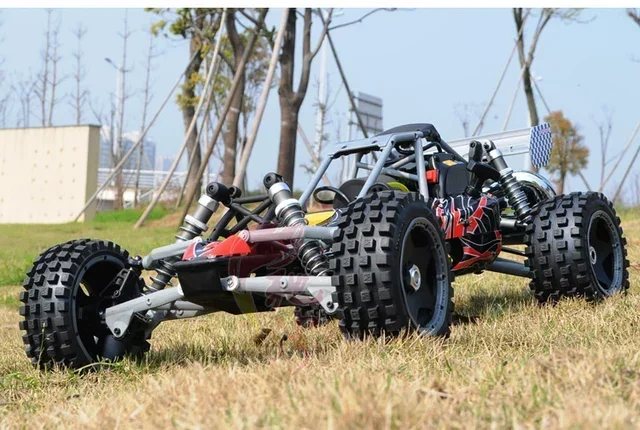
Off-road models are the most popular type of gasoline RC car. They feature large tires, sturdy suspension, and rugged frames designed to handle dirt, gravel, grass, and rough terrain. If you want to take your RC car outside and explore, this is the category to look at.
Buggies are lighter and faster, while trucks offer more ground clearance and durability. Both are incredibly fun and give you that authentic off-road driving feel.
RC Drag Racing Cars
Drag racing RC cars are all about raw acceleration. They’re built with powerful engines and lightweight frames that launch them forward at breathtaking speeds. These aren’t meant for rough terrain — they’re designed for straight-line speed on flat surfaces.
If you’re the kind of person who loves the thrill of a quick launch, a drag racer will give you an adrenaline rush every time you hit the throttle.
RC Crawlers
Crawlers are slow but incredibly capable. They’re designed to climb rocks, navigate obstacles, and tackle terrain that would stop other RC cars in their tracks. A gas-powered RC crawler adds the realistic engine experience to an already challenging and rewarding hobby.
These aren’t speed demons, but they offer a different kind of satisfaction. There’s nothing quite like watching your RC car conquer a steep rock face.
Key Features to Consider When Buying
Choosing the right gasoline remote control car means thinking about several important factors. Here’s what to look for before you spend your money.
Engine Type and Size
The engine is the heart of any gas RC car. Two-stroke engines are simpler and lighter, making them ideal for beginners. Four-stroke engines offer more realism and better fuel economy but require more maintenance.
Engine size is measured in cubic centimeters (cc). Smaller engines around 2.5cc to 3.5cc are perfect for smaller cars and beginners. Larger engines in the 5cc to 12cc range power bigger trucks and deliver more raw power. Match the engine size to the car’s scale and your experience level.
Fuel Type and Consumption
Nitro RC car fuel is a blend of methanol, nitromethane, and castor or synthetic oil. Most gasoline RC car models run on a fuel mix with 10% to 30% nitromethane content. Higher nitro content means more power but also higher fuel costs.
Fuel consumption varies by engine size and driving style. A typical tank will last between 10 and 30 minutes of run time. Keep extra fuel on hand so you don’t have to stop your fun to refuel.
Radio System Quality
The radio transmitter and receiver are what let you control your car. Look for a 2.4GHz system, which offers reliable signal range and reduces interference from other RC cars. Better radio systems also offer features like adjustable steering and throttle endpoints.
A quality radio system gives you precise control and peace of mind. You don’t want your car drifting out of range mid-race or feeling sluggish on the controls.
Build Quality and Materials
Durable materials like aluminum, carbon fiber, and high-grade plastics make a big difference in how long your car lasts. Cheap plastic parts break easily, while metal components hold up to crashes and rough use.
When comparing RC car kits, check what materials are used for the chassis, suspension arms, and body panels. A well-built car saves you money on replacements and gives you a better overall experience.
Suspension System
The suspension system absorbs bumps and keeps your tires on the ground. Look for oil-filled shock absorbers with adjustable spring rates. Independent suspension on all four wheels gives the best handling and comfort.
Good suspension makes a huge difference, especially on rough terrain. It keeps your car stable and prevents damage to the chassis during hard landings and jumps.
Scale and Size
Scale refers to the size ratio compared to a real vehicle. Common scales include 1/5, 1/8, 1/10, and 1/16. Larger scale cars like 1/5 models are more expensive but offer a more immersive experience. Smaller scales are more affordable and easier to store.
Think about where you’ll be running your car and how much space you have. A 1/10 scale off-road truck is a great all-around choice for most hobbyists.
Top Gasoline RC Car Brands to Consider
The market is full of brands, but some stand out for quality, reliability, and performance. Here are the top names you should know about.
Traxxas
Traxxas is one of the most recognized names in the RC world. Their gasoline models are known for being user-friendly, well-built, and fast out of the box. The company offers excellent customer support and a wide range of parts and accessories.
If you’re new to the hobby, Traxxas is often the go-to brand. Their gas-powered RC car lineup includes trucks, buggies, and even boats. Everything is designed with the hobbyist in mind.
HPI Racing
HPI Racing has been around for decades and has built a reputation for high-performance RC cars. Their gasoline models are geared toward experienced hobbyists who want top-tier speed and handling.
HPI offers a great selection of nitro RC car kits at various price points. Their cars are known for tight engineering and excellent factory settings that perform well right out of the box.
Losi
Losi offers a fantastic balance of performance and value. Their gasoline RC cars are well-built and come with many premium features at a competitive price. Losi is especially popular in the off-road buggy and truck categories.
If you want a reliable remote control vehicle without breaking the bank, Losi deserves a close look at their lineup.
ARRMA
ARRMA has grown rapidly in the RC hobby space with their powerful and durable models. Their gasoline vehicles are built for speed and rough handling, making them a favorite among aggressive drivers.
ARRMA cars tend to be on the larger side, which means they deliver an impressive real-world driving feel. They’re a great choice if you want something that can take a beating and keep going.
Redcat Racing
Redcat Racing offers some of the best value in the gasoline RC car market. Their models come with engines, radios, and fuel systems included at very competitive prices. They’re an excellent option for beginners who want to try the hobby without a big upfront investment.
Redcat has a solid reputation for including everything you need in the box, which is a huge plus for newcomers.
Gasoline RC Car Maintenance and Care
A gasoline remote control car requires regular maintenance to keep running smoothly. The good news is that basic upkeep is straightforward and becomes second nature over time.
Cleaning After Every Run
Dirt, dust, and debris build up quickly on an off-road RC car. After every run, take a few minutes to wipe down the chassis, clean the wheels, and remove any clumps of mud from the suspension. This simple habit prevents long-term damage and keeps your car performing at its best.
Use a soft brush and compressed air to get into tight spots. Avoid using water on the engine or electronics, as moisture can cause serious damage.
Glow Plug Care
The glow plug is a critical component in a nitro engine. It heats the fuel-air mixture to keep the engine running. Over time, glow plugs wear out and need replacement. Keep a few spare plugs in your toolbox so you’re never stuck with a dead engine.
Cleaning the glow plug with a glow plug cleaner between runs extends its lifespan. A well-maintained plug ensures reliable starts and consistent engine performance.
Fuel Storage and Handling
Store nitro fuel in a cool, dry place away from direct sunlight. Always seal the container tightly after use, as fuel evaporates quickly and loses its effectiveness. Keep fuel away from heat sources and open flames — it’s highly flammable.
Pro tip: label your fuel containers with the mix ratio so you never accidentally use the wrong fuel blend. Mixing fuel correctly is essential for engine health.
Engine Break-In and Tuning
New engines need a proper break-in period. Run the engine at moderate speeds for the first few tanks of fuel. This helps the piston ring seat properly and extends the engine’s lifespan.
After break-in, you may need to tune the carburetor for optimal performance. Most engines come with basic adjustment screws for the low-speed and high-speed needles. If the engine runs rich (too much fuel) or lean (too little fuel), adjust these screws slightly and test again.
Common Mistakes to Avoid
- Skipping the break-in period: This causes premature engine wear and reduces performance.
- Using the wrong fuel mix: Always follow the manufacturer’s recommended nitro percentage.
- Neglecting air filter cleaning: A dirty air filter starves the engine of oxygen and causes running issues.
- Running the engine too lean: This generates excessive heat and can melt engine parts.
- Storing the car fuel-filled: Always drain the fuel tank and engine before long-term storage to prevent gum buildup.
Quick Tips for Getting the Most Out of Your Gasoline RC Car
Here are some practical tips that experienced RC hobbyists swear by:
- Start with a beginner kit: Don’t jump straight into a high-performance model. Build your skills with an easy-to-tune, durable kit first.
- Invest in quality fuel: Cheap fuel causes engine problems. Stick with reputable brands for consistent performance.
- Keep a maintenance log: Track your run times, fuel usage, and maintenance tasks. This helps you spot issues early.
- Join an RC club: Local clubs are a great way to learn from experienced hobbyists and find running spots.
- Practice tuning on cheap fuel first: Before using expensive high-nitro fuel, practice your tuning skills with standard fuel.
- Always carry spare parts: Tires, glow plugs, air filters, and clutch shoes are the most commonly worn parts. Keep extras handy.
- Run your car regularly: An engine that sits unused for weeks can develop fuel residue and starting problems.
Gasoline RC Car vs. Electric RC Car: Which Is Right for You?
Many hobbyists wonder whether a gasoline remote control car or an electric RC car is the better choice. Both have distinct advantages, and the right answer depends on your preferences.
Gasoline RC Cars
Gas cars offer realistic engine sounds, exhaust smoke, and a longer run time per tank. They deliver a more immersive driving experience and don’t require charging between sessions. However, they do need more maintenance and involve fuel handling.
Electric RC Cars
Electric cars are cleaner, quieter, and easier to maintain. They’re perfect for indoor use and require less setup time. The trade-off is shorter run times per battery and the need for charging equipment.
If you want realism and extended run times, go gasoline. If you prefer convenience and simplicity, electric is the way to go. Many hobbyists eventually own both types and enjoy them for different purposes.
Conclusion
A gasoline remote control car is one of the most exciting hobbies you can get into. The combination of real engine power, realistic driving feel, and the thrill of speed makes it a truly unique experience. Whether you choose a touring car, off-road truck, buggy, or crawler, there’s a gas-powered RC car out there that’s perfect for you.
Start with a solid beginner kit, invest in quality fuel and spare parts, and commit to regular maintenance. The RC community is welcoming and full of passionate hobbyists who love sharing their knowledge. Once you experience the roar of a gas-powered RC car engine for the first time, you’ll understand why so many people are hooked on this hobby.
Now that you have all the information you need, it’s time to pick your first gasoline remote control car and hit the track. Happy driving!
Frequently Asked Questions
What fuel does a gasoline remote control car use?
A gasoline remote control car runs on nitro fuel, which is a blend of methanol, nitromethane, and oil. The typical nitro content ranges from 10% to 30%, and the exact mix depends on your engine’s requirements. Always check your car’s manual for the recommended fuel type.
Are gasoline RC cars hard to maintain?
Not really. Basic maintenance like cleaning after runs, checking the glow plug, and tuning the carburetor takes just a few minutes. With regular care, a gas RC car stays in great shape for years. The learning curve is gentle once you get a few runs under your belt.
Can I run a gasoline RC car indoors?
No. Gasoline RC cars produce exhaust fumes and should only be run outdoors in open, well-ventilated areas. The fumes can be harmful in enclosed spaces. Electric RC cars are the better choice for indoor use.
How fast does a gasoline RC car go?
Speed varies by model and engine size. A typical gas RC car reaches speeds between 25 and 50 miles per hour. High-performance models with larger engines can exceed 60 mph. Always start slow and build up your driving skills gradually.
What’s the difference between a two-stroke and four-stroke RC engine?
A two-stroke engine completes a power cycle in two piston strokes, making it lighter and simpler. A four-stroke engine uses four strokes per cycle, which delivers better fuel efficiency and a more realistic engine sound. Four-stroke engines also require more maintenance.
How long does a gasoline RC car run on one tank?
A typical tank provides between 10 and 30 minutes of runtime, depending on the engine size and driving style. Larger engines and aggressive driving consume fuel faster. Keeping a spare fuel tank on hand helps extend your running sessions.