Hot Wheels Car Culture and the Collectors Community
Hot wheels car culture is a vibrant world where fans and collectors celebrate iconic diecast cars. This community brings together people of all ages who share a love for collectible toy cars and the stories behind them. Whether you are a seasoned collector or just starting out, understanding hot wheels car culture opens up a exciting hobby full of nostalgia, creativity, and connection.
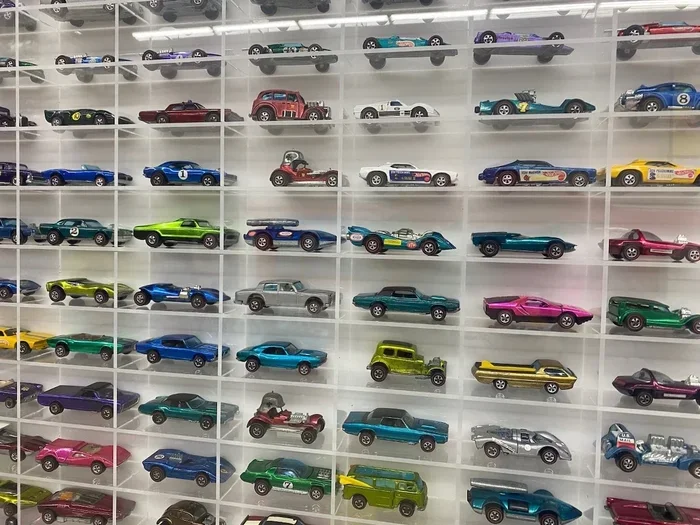
There is something magical about a small diecast car sitting on a shelf. For millions of people around the world, hot wheels car culture is more than just a hobby. It is a way of life. It is about the thrill of the hunt, the joy of finding that one rare piece, and the friendships formed over a shared love for tiny, colorful cars. If you have ever held a vintage hot wheels car in your hand and felt a rush of nostalgia, you already understand the pull of this world.
The hot wheels car culture has grown into a massive global community. Collectors range from young kids who just got their first set to adults who have been passionate about diecast cars for decades. This article will take you deep into this fascinating world. You will learn about the history, the community, how to value your collection, and tips for building one of your own. Whether you are curious or ready to dive in, this guide has something for you.
Key Takeaways
- Hot wheels car culture connects millions of collectors worldwide through a shared love of diecast vehicles.
- Rare and vintage hot wheels can hold significant value and appreciate over time.
- Joining the collector community gives you access to events, trades, and insider knowledge.
- Building a collection is easier when you focus on a specific theme or era.
- Customizing hot wheels adds a creative dimension that deepens your connection to the hobby.
- Online platforms and social media have transformed how collectors connect and trade.
- Starting small is perfectly fine, and passion matters more than budget.
📑 Table of Contents
What Is Hot Wheels Car Culture?
Hot wheels car culture refers to the shared passion and practices surrounding Hot Wheels diecast toy cars. It is not just about owning cars. It is about the stories, the memories, and the connections people make through collecting. This culture includes trading, displaying, customizing, and investing in collectible toy cars.
The culture has deep roots in childhood nostalgia. Many collectors started as kids who simply loved playing with their cars. Over time, that love turned into a serious hobby. Today, hot wheels car culture spans all ages, genders, and backgrounds. It is one of the most accessible and enduring toy collecting communities in the world.
The Heart of the Hobby
At its core, hot wheels car culture is about passion. Collectors feel excited when they find a rare hot wheels piece at a garage sale. They feel proud when they complete a set. And they feel connected when they share their collection with others who understand the joy. This emotional connection is what keeps people coming back year after year.
The hobby also thrives on creativity. Many collectors customize their cars. They paint them, modify them, or build dioramas to display them in. This creative side adds a whole new layer to hot wheels car culture and makes it appealing to artistic people as well as those who love the hunt.
The History and Rise of Hot Wheels
Hot wheels car culture did not happen overnight. It grew alongside the brand itself. Understanding the history helps you appreciate how deep this community runs.
How It All Started
Mattel introduced Hot Wheels in 1968. The first line featured sixteen small, colorful diecast cars with low-friction wheels. Kids loved them right away. The cars looked like real muscle cars but were small enough to fit in a child’s hand. They zoomed along orange plastic tracks, and that playful energy captured imaginations everywhere.
By the 1970s, hot wheels car culture was already forming. Kids traded cars on playgrounds. They organized races. And some started keeping their favorites instead of playing with them roughly. Those early keepers became the first true collectors.
From Toy to Collectible
In the 1980s and 1990s, hot wheels car culture shifted. Adults who had grown up with the toys started buying them again. They looked for vintage hot wheels from their childhood. They discovered that some cars were worth much more than their original price. This realization sparked a serious collecting movement.
Today, hot wheels car culture is a multi-million dollar ecosystem. There are limited edition releases, special runs, and collaborations with real car manufacturers. The hot wheels market has exploded, and so has the community around it.
The Collector Community Today
The hot wheels car culture community is alive and thriving. It has found new life online and in person. Collectors now have more ways than ever to connect, trade, and share their love for these tiny cars.
Online Communities and Social Media
Social media has transformed hot wheels car culture. Facebook groups, Instagram pages, and YouTube channels dedicated to diecast collecting have millions of followers. Collectors share their latest finds, show off their displays, and offer tips to newcomers.
Some of the most popular online spaces include:
- Hot Wheels Collector Facebook Groups where members post daily finds and trade offers.
- Instagram hashtags like #HotWheelsCollector and #DiecastCars that showcase stunning collections.
- YouTube channels where collectors unbox new releases and review rare pieces.
- Forums and Reddit communities where experienced collectors answer questions and share advice.
These platforms make hot wheels car culture more accessible than ever. You do not need to live near a big city to find fellow enthusiasts. A simple internet connection puts you in touch with a global network of car enthusiasts who share your passion.
Local Meetups and Events
While online communities are huge, nothing beats meeting other collectors in person. Many cities host diecast car shows and swap meets. These events bring together sellers, buyers, and fans. You can hold a car in your hand before you buy it. You can talk directly with the people who built custom pieces.
Major events like the Hot Wheels Collectors Nationals draw thousands of attendees every year. These gatherings are a celebration of toy car culture at its finest. They feature exclusive releases, live auctions, and panels with designers. For many collectors, these events are the highlight of the year.
The Role of Nostalgia
Nostalgia is a powerful force in hot wheels car culture. Many adults collect because the cars remind them of their childhood. They want to recapture that feeling of wonder and excitement. This emotional connection drives much of the collecting activity and keeps the community strong.
Parents also pass down their love for hot wheels to their children. A dad who collected as a kid might buy a set for his son or daughter. That shared experience strengthens family bonds and keeps the culture alive across generations.
Valuing Your Hot Wheels Collection
One of the most exciting parts of hot wheels car culture is learning about value. Not all hot wheels cars are worth the same amount. Some are worth a few dollars, while others can fetch hundreds or even thousands.
What Makes a Hot Wheels Car Valuable?
Several factors determine the value of a collectible toy car:
- Rarity: Limited edition and short-run cars are worth more. The fewer copies made, the higher the hot wheels prices tend to be.
- Condition: Mint or near-mint cars hold the most value. Any paint chips or loose wheels can significantly reduce worth.
- Age: Older vintage hot wheels from the 1960s through the 1980s tend to be more valuable.
- Errors and Variations: Cars with manufacturing mistakes or color variations are highly sought after.
- Original Packaging: Cars still in their blister packs or boxes are worth more than loose ones.
How to Research Values
If you want to know what your collection is worth, there are several resources available. Online price guides and auction sites can give you a good idea of current market values. Websites dedicated to diecast collecting often have searchable databases with recent sale prices.
Keep in mind that hot wheels car culture values can fluctuate. What is hot today might not be hot tomorrow. Staying informed through collector forums and market trends helps you make smart decisions.
Is Collecting an Investment?
Some people treat hot wheels collecting as a financial investment. Rare cars can appreciate significantly over time. However, it is important to collect for passion first. The cars that hold the most value are usually the ones the collector truly loved and took care of.
Think of it this way. If you buy a rare hot wheels car because it is valuable, you might not enjoy it as much. But if you buy it because it speaks to you, the value becomes a bonus. The best collections are built with heart.
Tips for Building Your Hot Wheels Collection
Starting a collection can feel overwhelming. There are so many cars, so many years, and so many options. But building a great hot wheels car culture collection is simpler than you think. Here are some practical tips to get you started.
Start with a Theme
One of the best ways to focus your collection is to pick a theme. This gives your collection direction and makes it more meaningful. Some popular themes include:
- By decade: Collect cars from the 1960s, 1970s, 1980s, or any era that interests you.
- By type: Focus on muscle cars, trucks, concept cars, or vehicles from a specific movie or TV show.
- By color: Build a rainbow collection or focus on a single color like red or blue.
- By rarity: Chase after limited edition cars and hard-to-find variants.
Having a theme makes hot wheels car culture more fun and manageable. It also makes your collection more impressive when you show it off.
Buy Smart, Not Just Fast
It is easy to buy every hot wheels car you see. But smart collectors take their time. They research before buying. They check condition. And they compare prices across different sellers.
Here are some quick tips for buying wisely:
- Always check the condition of the car before purchasing.
- Buy from reputable sellers, whether online or at events.
- Set a budget and stick to it.
- Do not be afraid to negotiate, especially at swap meets.
- Store your cars properly to maintain their value.
Store and Display Properly
How you store your collection matters. Hot wheels car culture includes proper care and display. Sunlight can fade paint. Moisture can cause rust. Dust can dull finishes. A few simple steps can protect your investment.
Use display cases with UV protection. Keep your collection in a dry, cool room. Handle cars by the body, not the wheels, to avoid wear. And if you are storing loose cars, use individual compartments to prevent scratching.
Connect with Other Collectors
The community aspect of hot wheels car culture is one of its greatest strengths. Join online groups. Attend local events. Trade with other collectors. You will learn so much from experienced enthusiasts, and you will make lasting friendships along the way.
Many collectors say that the community is what keeps them hooked. It is not just about the cars. It is about the people. The shared excitement of finding a rare piece or completing a set creates bonds that go beyond the hobby itself.
Customizing and Creating in Hot Wheels Culture
Hot wheels car culture is not just about collecting. It is also about creating. Customization has become a huge part of the hobby. Collectors paint, modify, and rebuild their cars to create one-of-a-kind pieces.
The Art of Customizing
Custom hot wheels cars are a true art form. Some collectors strip down a basic car and repaint it to look like a real vehicle. Others add custom wheels, change the body, or create entirely new designs from scratch.
This creative side of hot wheels car culture attracts artists and makers. It is a way to express yourself while staying connected to the hobby. Custom cars often become the centerpiece of a collection and can be worth significant money when done well.
Getting Started with Customization
If you want to try customizing, start simple. Pick a basic car that you do not mind modifying. Use acrylic paints and fine brushes. Practice on older cars before working on valuable pieces. There are many tutorials online that can guide you through the process step by step.
The beauty of customization is that there are no rules. You can go as detailed or as simple as you want. Your first attempts might not be perfect, and that is okay. The journey of learning is part of the fun.
The Future of Hot Wheels Car Culture
Hot wheels car culture shows no signs of slowing down. Mattel continues to release new lines, collaborations, and special editions. The diecast collecting world is growing, and new generations of collectors are joining every day.
New Trends to Watch
Several trends are shaping the future of the hobby. Digital integration is becoming more common. Some collectors use apps to catalog their collections. Virtual trading platforms are emerging. And the rise of social media continues to connect collectors across the globe.
Sustainability is another growing focus. More collectors are looking for ways to recycle and repurpose old toy cars. This eco-conscious approach adds a new dimension to hot wheels car culture and attracts environmentally aware enthusiasts.
Why It Matters
Hot wheels car culture is more than a hobby. It is a form of expression. It is a way to preserve memories. It is a community that welcomes everyone. Whether you collect for fun, for profit, or for the sheer joy of it, this culture has something meaningful to offer.
The best part is that there is always something new to discover. New cars come out every year. New trends emerge. New collectors join the community. The world of diecast cars is constantly evolving, and that is what makes it so exciting.
Conclusion
Hot wheels car culture is a rich, rewarding, and deeply personal hobby. It connects people across ages, backgrounds, and borders. From the first vintage hot wheels you find to the custom pieces you create, every step of the journey is meaningful. The collector community is welcoming, knowledgeable, and passionate. Whether you are looking for nostalgia, creativity, or a new way to connect with others, hot wheels car culture has something for you. Start small, stay curious, and let the cars lead you where they will.
Frequently Asked Questions
What makes a Hot Wheels car valuable?
Rarity, condition, age, and original packaging all play a role in determining hot wheels prices. Limited edition and vintage cars from the 1960s through the 1980s tend to hold the most value. Always check condition carefully before buying or selling.
How do I start a Hot Wheels collection on a budget?
Start by picking a theme that excites you. Look for affordable cars at garage sales, thrift stores, and online marketplaces. You do not need a big budget to enjoy hot wheels car culture. Passion and consistency matter more than spending power.
Can I sell my Hot Wheels collection for profit?
Yes, many collectors sell pieces for profit. Rare and mint-condition cars can fetch high prices. Research current market values through price guides and auction sites before listing anything. The hot wheels market can be unpredictable, so collect with passion first.
Where can I connect with other Hot Wheels collectors?
Facebook groups, Instagram communities, and dedicated forums are great places to find fellow enthusiasts. Local swap meets and diecast car shows also offer in-person connections. The collector community is active and welcoming to newcomers.
Is customizing Hot Wheels cars difficult?
Customizing can be as simple or complex as you want. Start with basic paint jobs on older, inexpensive cars. There are many beginner-friendly tutorials online. The creative process is part of what makes hot wheels car culture so enjoyable for many collectors.
Are there fake or counterfeit Hot Wheels cars?
Yes, counterfeit diecast cars exist, especially rare and valuable models. Buy from reputable sellers and learn to spot differences in packaging, paint quality, and details. Joining hot wheels car culture communities can help you learn authentication tips from experienced collectors.