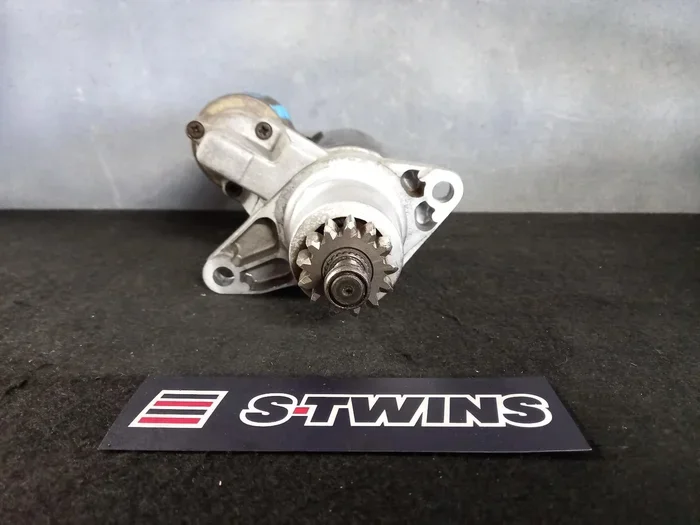
How Do I Know If My Toyota Camry Starter Is Bad Now
Your Toyota Camry starter is the part that turns the engine over when you turn the key. If it fails, your car won’t start at all. In this guide, you will learn the top symptoms of a bad starter, simple DIY checks you can do at home, and when to visit a mechanic. We also cover repair costs and warranty options so you can make a smart decision fast.
Your Toyota Camry is a reliable car. But one morning you turn the key and nothing happens. That sinking feeling often points to the starter. The Toyota Camry starter is a small but mighty motor that cranks your engine. When it goes bad, your daily routine comes to a halt. Understanding the signs early saves time and money.
So how do you know if your Toyota Camry starter is actually failing? This guide walks you through every symptom, test, and fix in plain language. You will learn what a bad starter sounds like, how to check it yourself, and when to seek help. We also break down the cost of replacement and warranty options. By the end, you will feel confident tackling this common repair.
Key Takeaways
- Listen for a single loud click: This often means the starter solenoid is engaging but the motor is not turning.
- Grinding or whirring sounds point to worn gears: The starter drive gear may be damaged or not meshing with the flywheel.
- Intermittent starting problems can be tricky: A bad starter may work sometimes and fail other times, making diagnosis harder.
- You can do simple checks at home: Test the battery, check fuses, and listen for clues before calling a pro.
- Replacement costs range from $300 to $600: Parts and labor vary by model year and dealer rates.
- Check warranty coverage first: Some Toyota warranties may cover starter replacement if the car is still under warranty.
- Recalls are rare but possible: Always check for recalls on your specific Camry year before assuming it is just wear and tear.
📑 Table of Contents
What Does A Toyota Camry Starter Do?
The starter motor is part of the starting system. When you turn the key or press the push-button start, the starter engages the flywheel. This spins the engine so it can fire up. A starter solenoid pushes the gear out to meet the flywheel. Then the motor turns. If any part of this chain fails, your engine will not crank.
Think of the starter as the muscle that gets the engine going. The battery provides the power. The solenoid acts as a switch. The motor does the heavy lifting. A bad starter can stop this whole process. You might hear a click but no cranking. Or the engine may crank very slowly. Sometimes the starter works fine other times it does not. These patterns help you pinpoint the problem.
Common Symptoms Of A Bad Toyota Camry Starter
Watch for these clear signs. They often tell you exactly what is wrong with your Toyota Camry starter.
The Classic Single Click
You turn the key and hear one loud click. Then silence. This is the most common bad starter symptom. The solenoid is trying to engage but the motor is not spinning. It could be a dead starter motor or a seized engine. A single click can also come from a faulty starter relay. But the starter motor itself is the usual suspect.
Grinding Or Whirring Noises
A grinding sound means the starter gear is not meshing properly with the flywheel. This is called freewheeling. The motor spins but does not turn the engine. Worn gear teeth cause this. Ignoring it can damage the flywheel too. A whirring noise often means the starter drive is spinning freely. Both sounds point to a failing Toyota Camry starter.
Slow Cranking Or No Crank At All
If the engine turns over very slowly, the starter may be weak. A fully charged battery should crank the engine quickly. Slow cranking is a red flag. A complete no-crank condition means the starter is dead. Check the battery first because a dead battery mimics a bad starter. Use a multimeter to test battery voltage. If the voltage is above 12.4 volts, the problem is likely the starter.
Intermittent Starting Problems
Sometimes the Toyota Camry starter works fine for weeks. Then it suddenly fails. Intermittent failure is frustrating. It often points to a bad starter solenoid or worn internal brushes. Heat from the engine can make the problem worse. A starter that works when cold but fails when hot is a classic sign.
Burning Smell Or Smoke
A burning smell near the starter is serious. It means the starter motor is overheating. This can happen if the engine is seized or the starter is stuck. Smoke indicates an electrical short. Stop trying to start the car immediately. Continuing can cause more damage. Call a tow truck and get it to a shop.
Starter Keeps Running After The Engine Starts
Once the engine fires, the starter should disengage. If it keeps running, the starter drive is not pulling back. This can ruin the flywheel. A damaged overrunning clutch inside the starter causes this. You will hear a loud grinding noise while the engine idles. This is an urgent repair.
DIY Checks You Can Do At Home
Before you visit a shop, try these simple checks. They can confirm whether the Toyota Camry starter is truly the problem.
Test The Battery First
A weak battery often looks like a bad starter. Turn on the headlights. If they are dim, the battery may be low. Use a battery tester to check voltage. A healthy battery reads 12.6 volts or higher. If the voltage drops below 10 volts during cranking, the battery is likely the culprit. Charge or replace the battery first. Then retest the starter.
Check The Starter Relay And Fuses
Locate the fuse box under the hood. Find the starter relay and the starter fuse. Refer to your owner’s manual for the exact location. Swap the relay with a similar one. If the starter works after the swap, the relay was bad. Inspect the fuse for a broken filament. A blown fuse stops the starter circuit completely. Replace the fuse and try again.
Tap The Starter Motor
This old trick works more often than you think. Have someone turn the key while you gently tap the starter motor with a wrench. A stuck starter brush may free up with a light tap. If the engine cranks after tapping, the starter motor is likely failing. This is a temporary fix. Plan for a replacement.
Check The Wiring Connections
Loose or corroded wires can prevent the starter from getting power. Look at the starter solenoid wiring. The heavy cable from the battery should be tight. The smaller control wire should also be secure. Clean any corrosion with a wire brush. A tight connection can restore proper operation. If the wires are damaged, replace them.
When To Seek Professional Help
Some starter problems need a trained technician. If the DIY checks do not reveal the issue, it is time for expert help. A professional can run a starter draw test. This measures the amps the starter pulls. A high amp draw confirms a worn motor. A low amp draw points to a bad starter solenoid or electrical fault.
You can also take your Toyota to any dealer for service. They have factory-trained technicians and the right tools. Can I take my Toyota to any dealer for service? The answer is yes. Toyota dealers can diagnose starter issues quickly. They also have access to your service history. This helps them spot patterns or recalls.
If your car is under warranty, check the coverage first. Can I use my Toyota warranty anywhere? Many Toyota warranties cover starter replacement at authorized dealers. However, aftermarket repairs may void the warranty. Always confirm the terms before letting a shop work on your car.
Compare Bad Starter Vs Dead Battery
It is easy to confuse a bad starter with a dead battery. Here is a quick comparison to help you tell the difference.
| Symptom | Bad Starter | Dead Battery |
|---|---|---|
| Sound when turning key | Single click or grinding | Rapid clicking or silence |
| Engine cranks | No crank or very slow crank | No crank at all |
| Lights and accessories | Work normally | Dim or do not work |
| Voltage during cranking | Stays above 10 volts | Drops below 9 volts |
| Tapping the starter helps | Sometimes works temporarily | No effect |
Use this table as a quick guide. If your lights work but the engine does not crank, the Toyota Camry starter is the likely cause. If everything is dead, focus on the battery first.
How Much Does It Cost To Replace A Toyota Camry Starter?
The cost to replace a Toyota Camry starter depends on the model year and where you go. On average, you will pay between $300 and $600. The starter motor itself costs $150 to $350. Labor adds another $150 to $250. Some older Camrys have a starter that is easy to reach. Newer models with transverse engines can be harder to access. That increases labor time.
If your car is still under warranty, the repair may be free. Can I use my Toyota warranty anywhere? Check your warranty booklet. Powertrain warranties often cover the starter. Limited warranties may not. Ask the dealer for a written estimate before authorizing any work.
DIY Replacement: Is It Worth It?
Experienced DIYers can replace the starter themselves. You will need basic tools like a socket set and a torque wrench. The job takes about one to two hours. However, the starter is often located in a tight spot. You may need to remove the intake manifold or exhaust heat shield. If you are not comfortable, leave it to the pros. A botched install can damage the engine.
Aftermarket Vs OEM Starter
You have two choices: OEM (original equipment) or aftermarket. OEM starters are made by Toyota or the original supplier. They match the factory specifications perfectly. Aftermarket starters are cheaper but quality varies. A Bosch or Denso aftermarket starter is a solid middle ground. Avoid the cheapest no-name brands. They may fail within a few months.
Preventing Starter Problems In The Future
A little prevention goes a long way. You can extend the life of your Toyota Camry starter with simple habits.
Avoid Short Trips When Possible
Short trips do not give the battery enough time to fully charge. A weak battery puts extra strain on the starter. Combine errands into longer trips when you can. This keeps the battery healthy and the starter happy.
Turn Off All Accessories Before Starting
Headlights, air conditioning, and the radio draw power when you turn the key. Turn them off before cranking the engine. This reduces the load on the starter motor. Your starter will last longer.
Check For Recalls On Your Camry
Sometimes a bad starter is a manufacturing defect. Toyota issues recalls for specific parts. Are there any recalls on the 2016 Toyota Camry? You can check the NHTSA website for your model year. Enter your VIN to see if any recalls apply. If a recall covers the starter, the repair is free.
Keep The Battery Terminals Clean
Corrosion on battery terminals restricts current flow. A poor connection makes the starter work harder. Clean the terminals with a baking soda solution and a wire brush. Apply a thin layer of dielectric grease to prevent future corrosion. This simple step protects the entire starting system.
Do Not Hold The Key Too Long
If the engine does not start, do not hold the key in the start position for more than 10 seconds. Waiting a few seconds between attempts lets the starter cool down. Repeated grinding can overheat the starter motor and damage the flywheel. Give it a break before trying again.
Conclusion
A Toyota Camry starter failure is stressful but manageable. Now you know the symptoms to watch for. You can run simple checks at home. You understand when to call a professional. And you have a clear idea of the repair cost. The key is to act early. Ignoring a bad starter can lead to a stranded car or a damaged flywheel. Trust your ears and your instincts. If something sounds wrong, get it checked.
Start with the battery. Move to the fuses and relays. Then consider the starter itself. Use the comparison table to narrow it down. Check your warranty and any recalls. With the right information, you can fix the problem quickly and get back on the road. Your Toyota Camry deserves a healthy starter to keep running smoothly for years to come.
Frequently Asked Questions
Can a bad starter drain the battery?
Yes. A stuck starter motor can draw power even when the engine is off. This slowly drains the battery. If your battery dies frequently, have the starter checked. A simple draw test can reveal if the starter is consuming power when it should be idle.
How long does a Toyota Camry starter last?
Most starters last 100,000 to 150,000 miles. However, driving habits and battery health affect lifespan. Short trips and frequent cranking can wear it out faster. Regular maintenance of the battery and electrical system helps the starter last longer.
Is it safe to drive with a bad starter?
No. A bad starter means your car may not start when you need it. You could be stranded. If the starter is intermittent, it might work sometimes and fail at the worst moment. Replace it before it leaves you stuck.
Can a faulty ignition switch mimic a bad starter?
Yes. A bad ignition switch can prevent the starter circuit from receiving power. The symptoms are very similar. A mechanic can test the ignition switch with a multimeter. This rules out the switch and confirms the starter is the real issue.
Will jump-starting a car fix a bad starter?
No. A jump start boosts the battery. It does not repair a worn starter motor. If the starter is the problem, a jump start will only give you a click. You still need to replace or rebuild the starter.
Can I replace the starter myself?
Yes, if you have basic mechanical skills and the right tools. The job is doable in one to two hours. However, the starter is often in a tight space. If you feel unsure, let a professional handle it. A wrong install can cause more damage.