How Do I Know What Air Filter My Car Needs for Beginners
Knowing what air filter your car needs is simpler than you think. This guide walks you through finding the correct engine and cabin air filter, understanding filter types, and recognizing when it is time for a replacement. You will learn how to check your owner manual, decode filter sizes, and choose between OEM and aftermarket options with confidence.
Every car needs clean air to run well. Think of the air filter as your vehicle’s lungs. When those lungs get clogged, your car starts to struggle. Knowing how to find the right air filter for your car is one of the simplest things you can do as a car owner.
Whether you are a complete beginner or just looking for a refresher, this guide has you covered. We will walk you through everything step by step. You will learn about the different types of filters, how to find the correct size, and when it is time to replace your old one. No confusing jargon. No unnecessary fluff. Just clear, practical advice you can use right away.
The good news is that checking and replacing your air filter is one of the easiest maintenance tasks you can handle. You do not need to be a mechanic. With a little knowledge and about fifteen minutes, you can keep your car running smoothly and efficiently. Let us get started.
Key Takeaways
- Two Types Matter: Your car has both an engine air filter and a cabin air filter, and each serves a different purpose.
- Check Your Owner Manual First: It is the most reliable source for finding the correct filter size and type for your specific vehicle.
- Watch for Warning Signs: Reduced fuel economy, rough idling, and weak airflow from vents all signal a dirty filter.
- OEM vs. Aftermarket: Both have pros and cons. OEM filters offer reliability, while aftermarket options like reusable filters can save money long term.
- Replacement Is Easy: Most drivers can swap out their engine air filter in under 15 minutes without any special tools.
- Don’t Skip the Cabin Filter: A clean cabin filter improves interior air quality and keeps your HVAC system running smoothly.
📑 Table of Contents
- Understanding the Two Types of Car Air Filters
- How to Find the Right Air Filter for Your Car
- Signs Your Air Filter Needs Replacement
- OEM vs. Aftermarket Air Filters: Which Is Right for You?
- Step-by-Step Guide to Replacing Your Engine Air Filter
- Common Mistakes to Avoid When Choosing and Replacing Air Filters
- Expert Tips for Getting the Most Out of Your Air Filter
- Conclusion
Understanding the Two Types of Car Air Filters
Here is something many car owners do not realize. Your vehicle actually has two separate air filters. Each one plays a different role. Let us break them down.
Engine Air Filter
The engine air filter cleans the air that enters your engine’s combustion chamber. Your engine needs a precise mix of air and fuel to run properly. If dirt and debris get into the engine, it can cause serious damage over time. The engine air filter acts as a barrier, trapping particles while allowing clean air to pass through.
Most engine air filters are made from paper or cotton materials. Paper filters are the most common and are designed to be disposable. Cotton filters, often used in performance applications, can be cleaned and reused. The type you need depends on your vehicle and your driving habits.
Cabin Air Filter
The cabin air filter cleans the air that enters the interior of your car. It filters out dust, pollen, and other allergens from the air coming through your vents. This filter is especially important for people with allergies or respiratory sensitivities.
Not all cars have a cabin air filter, but most modern vehicles do. If you are unsure whether your car has one, check your owner manual or look behind your glove box. Replacing this filter is just as important as replacing the engine filter for maintaining a healthy interior environment.
How to Find the Right Air Filter for Your Car
Finding the correct filter does not have to be a guessing game. There are several reliable methods to identify exactly what you need. Here is how to do it.
Method 1: Check Your Owner Manual
Your owner manual is the best place to start. It contains specific information about your vehicle, including the recommended filter type and size. Look for a section on maintenance or specifications. The manual will tell you the part number, dimensions, and even the recommended replacement interval.
If you have lost your manual, do not worry. You can usually find a digital copy online for free. Simply search for your car’s year, make, and model plus “owner manual PDF.”
Method 2: Look at Your Current Filter
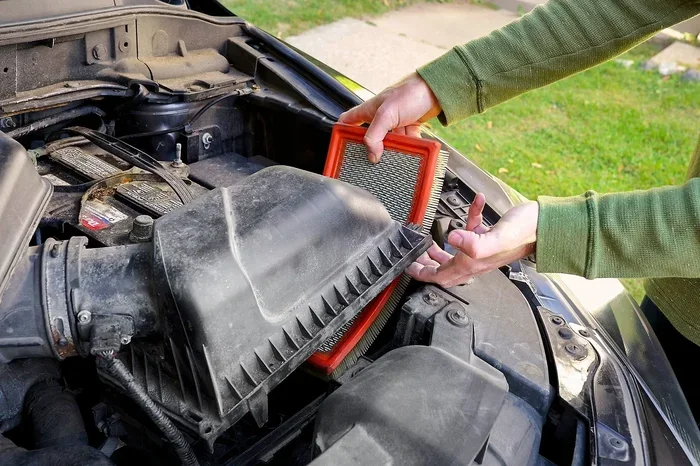
Another easy approach is to look at the filter already in your car. Pop the hood and locate the air filter housing. It is usually a black plastic box near the top of the engine. Open it and pull out the old filter.
Take note of the markings on the filter. Most filters have part numbers, dimensions, and brand names printed on the side. You can use this information to order the exact same replacement. Checking the cabin air filter works the same way, though it is typically located inside the car rather than under the hood.
Method 3: Use Online Filter Lookup Tools
Many auto parts websites offer free lookup tools. You simply enter your vehicle details, and the site shows you all compatible filters. This is a fast and convenient option, especially if you prefer shopping online. Popular retailers like AutoZone, O’Reilly, and RockAuto have user-friendly lookup systems.
Method 4: Ask a Professional
When in doubt, ask a professional. Your local dealership or independent mechanic can confirm the correct filter for your car. This is especially helpful if you drive a less common vehicle or if you are unsure about the filter specifications. Regular car maintenance includes filter checks, so do not hesitate to ask during your next service visit.
Signs Your Air Filter Needs Replacement
Air filters do not last forever. Over time, they collect dust, dirt, and debris. Eventually, they become too clogged to function properly. Knowing the warning signs can save you from bigger problems down the road.
Reduced Fuel Economy
A dirty engine air filter restricts airflow to the engine. When your engine does not get enough air, it compensates by using more fuel. If you notice you are filling up more often than usual, a clogged filter might be the culprit. Improving fuel efficiency can be as simple as swapping out a dirty filter.
Rough or Uneven Idling
Does your car shake or sound rough when it is idling? A restricted air filter can disrupt the air-fuel mixture, causing your engine to run unevenly. This is one of the more noticeable symptoms and should not be ignored.
Weak Airflow From Vents
If the air coming from your dashboard vents feels weak, your cabin air filter might be blocked. A clogged cabin filter restricts airflow through the heating and cooling system. Replacing it can make a noticeable difference in comfort, especially during extreme weather.
Dark or Dirty Appearance
A visual inspection goes a long way. A clean engine air filter is typically white or light gray. If yours looks dark, dirty, or covered in debris, it is time for a replacement. You do not need to be an expert to tell the difference.
Check Engine Light
In some cases, a severely clogged air filter can trigger the check engine light. While many things can cause this light to come on, a dirty filter is one of the simplest and most affordable issues to rule out.
OEM vs. Aftermarket Air Filters: Which Is Right for You?
When shopping for a replacement filter, you will encounter two main categories: OEM and aftermarket. Understanding the difference helps you make a smart choice.
What Is an OEM Filter?
An OEM filter is made by the same company that built your vehicle. It meets the exact specifications set by the manufacturer. OEM filters are reliable and consistent. They are designed to work seamlessly with your engine and ventilation system.
The downside is that OEM filters often cost more than aftermarket alternatives. For many drivers, the extra cost is worth the peace of mind.
What Is an Aftermarket Filter?
An aftermarket filter is made by a third-party company. Brands like K&N, Fram, and Bosch are well-known in the aftermarket space. Aftermarket filters come in a wide range of prices and quality levels.
Some aftermarket filters, like reusable cotton gauze options, can be cleaned and used for thousands of miles. This makes them a popular choice for budget-conscious drivers who want a long-term solution. However, cheaper aftermarket filters may not offer the same level of filtration as OEM options.
Comparison Table
- OEM Filters: Exact fit, reliable performance, higher cost, disposable.
- Aftermarket Filters: Wide variety, often more affordable, reusable options available, quality varies by brand.
- Reusable Filters: Eco-friendly, cost-effective over time, require regular cleaning, best for performance-focused drivers.
The best choice depends on your budget, driving style, and how long you plan to keep your car. For most daily drivers, a quality OEM or mid-range aftermarket filter works perfectly fine.
Step-by-Step Guide to Replacing Your Engine Air Filter
Replacing your engine air filter is one of the easiest maintenance tasks you can do at home. Here is how to do it.
What You Will Need
- The correct replacement filter for your vehicle
- A flathead screwdriver or socket set (depending on your car)
- A clean cloth to wipe down the filter housing
- A few minutes of your time
Step 1: Locate the Air Filter Housing
Open the hood and look for a large black plastic box connected to the engine by a rubber hose. This is your air filter housing. It is usually held in place by clips or screws.
Step 2: Open the Housing
Release the clips or remove the screws. Carefully lift the top of the housing. Remove the old filter and note which direction it was seated. This helps you install the new one correctly.
Step 3: Clean the Housing
Use a clean cloth to wipe out any dust or debris from the inside of the housing. This prevents contamination of the new filter.
Step 4: Install the New Filter
Place the new filter in the housing, making sure it sits flush and in the correct orientation. Replace the lid and secure the clips or screws.
Step 5: Double-Check Your Work
Make sure everything is snug and secure. Start the engine and listen for any unusual sounds. A properly installed filter should not cause any issues.
Replacing the cabin air filter follows a similar process, though it is typically located behind the glove box or under the dashboard. Consult your owner manual for the exact location.
Common Mistakes to Avoid When Choosing and Replacing Air Filters
Even simple tasks can go wrong if you are not careful. Here are some common mistakes to watch out for.
Buying the Wrong Size
An ill-fitting filter will not seal properly. This allows unfiltered air to enter your engine, which can cause damage. Always double-check the dimensions before purchasing.
Ignoring the Cabin Filter
Many drivers forget about the cabin air filter entirely. A dirty cabin filter affects the air quality inside your car. It can also reduce the efficiency of your heating and air conditioning system.
Using the Wrong Filter Type
Not all filters are created equal. Using a performance filter in a vehicle that needs a standard paper filter can cause problems. Always match the filter type to your vehicle’s requirements.
Waiting Too Long to Replace
Some drivers push their filters far past the recommended replacement interval. A severely clogged filter can reduce engine performance and even cause costly repairs. Stick to the maintenance schedule in your owner manual.
Forgetting to Check the Air Filter Housing
When you replace the filter, take a moment to inspect the housing for cracks or damage. A damaged housing can let unfiltered air bypass the filter entirely. Regular maintenance includes checking the housing along with the filter itself.
Expert Tips for Getting the Most Out of Your Air Filter
Want to stretch the life of your air filter and keep your car running at its best? Follow these expert-backed tips.
- Inspect your filter regularly: Check it every few months, especially if you drive in dusty or rural areas. Harsh driving conditions mean more frequent replacements.
- Keep a spare on hand: Having a replacement filter in your trunk means you are always prepared for an unexpected change.
- Do not wash paper filters: Only reusable cotton or oiled filters should be cleaned. Washing a paper filter ruins its structure and filtration ability.
- Change both filters at the same time: If it has been a while since your last service, replacing both the engine and cabin filter together ensures optimal performance.
- Keep records: Note the date of each filter replacement. This helps you stay on track with your car maintenance schedule and makes it easier to spot patterns if problems arise.
Conclusion
Understanding what air filter your car needs does not have to be complicated. With the right information, you can confidently choose, install, and maintain the correct filter for your vehicle. Remember to check your owner manual first, inspect your filters regularly, and replace them when needed. A clean air filter improves engine performance, boosts fuel economy, and keeps the air inside your car fresh.
Whether you choose an OEM filter for reliability or an aftermarket option for value, the most important thing is that you stay on top of replacements. Your car works hard for you every day. Taking care of something as simple as an air filter goes a long way toward keeping it running smoothly for years to come. Start today, and your car will thank you tomorrow.
Frequently Asked Questions
Can I use any air filter for my car?
No, you should always use the filter specified for your vehicle. Different cars require different sizes and filter types. Check your owner manual or use an online lookup tool to find the correct filter for your car.
How often should I replace my engine air filter?
Most manufacturers recommend replacing the engine air filter every 12,000 to 15,000 miles. However, if you drive in dusty or polluted conditions, you may need to replace it more frequently. Inspect your filter regularly to be sure.
Can I clean and reuse my engine air filter?
This depends on the filter type. Paper filters are disposable and should be replaced. Reusable cotton or oiled filters can be cleaned and reinstalled. Always check your filter type before attempting to clean it.
What happens if I drive with a dirty air filter?
A dirty air filter restricts airflow to your engine, which can reduce fuel economy, cause rough idling, and increase emissions. Over time, it can also lead to engine damage. Replacing a clogged filter is inexpensive and prevents costly repairs.
Do I need to replace the cabin air filter too?
Yes, if your car has a cabin air filter, it should be replaced regularly. Most experts recommend replacing it every 15,000 to 25,000 miles. A clean cabin filter improves interior air quality and keeps your HVAC system working efficiently.
Is it hard to replace an air filter myself?
Not at all. Replacing an engine air filter typically takes less than fifteen minutes and requires no special tools. Cabin air filter replacement is also straightforward for most vehicles. If you can open a box and insert a new part, you can do it.