How Do You Know If Your TPMS Sensor Is Bad or Failing
Is your TPMS light flashing? You are likely dealing with a failing TPMS sensor. This guide shows you exactly how to spot the bad sensor signs, understand why they fail, and fix the issue fast.
Key Takeaways
- Check Engine Light & TPMS Light: A flashing or solid light often means your TPMS sensor is bad.
- Inaccurate Readings: If your tire pressure gauge shows weird numbers, the sensor might be failing.
- Battery Death: TPMS sensors run on batteries that eventually die and need a full replacement.
- Corrosion Damage: Road salt and grime can ruin the sensor and valve stem over time.
- Direct vs Indirect: Knowing your system type helps you understand the exact failure signs.
- Reset Tools: Sometimes a simple TPMS reset tool fixes the problem, but not always.
📑 Table of Contents
What Is a TPMS Sensor and Why Does It Matter?
Your car has a special system. It is called the TPMS. TPMS stands for Tire Pressure Monitoring System. This system watches your tire air pressure. It keeps you safe on the road every day. Low air pressure is very dangerous. It can cause flats or blowouts. A flat tire can ruin your drive. It can also cost you a lot of money. The TPMS sensor is the part that does the work. It checks the air inside your tires. It sends this info to your car’s computer. The computer talks to you. It uses a light on the dashboard. This light looks like a horseshoe. It has an exclamation mark in the middle. When this light comes on, you need to check your tires. You need to act fast. Sometimes the sensor itself goes bad. A bad sensor gives wrong readings. It can also stay on all the time. You might see the light even when your tires are fine. Knowing how to spot a bad sensor is very important. You want to keep your tires working right. You also want to pass safety checks. This guide will help you know if your TPMS sensor is bad or failing.
How the TPMS Sensor Works
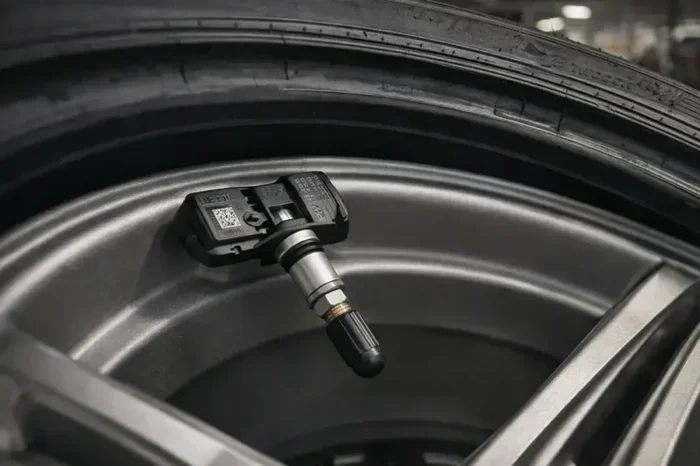
There are two main types of TPMS. One is called direct TPMS. The other is indirect TPMS. Direct TPMS has a sensor inside each tire. The sensor sits on the valve stem. It measures the exact air pressure. It sends this data to your car’s computer. The computer shows the pressure on your dash. You can see the exact number. Indirect TPMS does not measure air pressure. It uses wheel speed sensors. It looks at how fast each wheel spins. If one wheel spins faster, it might be low on air. A low tire has less rolling resistance. It spins faster than a full tire. Both systems use a warning light. A bad sensor stops the system from working. You might get false warnings. Or you might get no warning at all. This is why testing is so important. You need to understand your car. A TPMS sensor is a small but mighty part. It does a big job for your safety.
The Top Warning Signs of a Bad TPMS Sensor
How do you know if your TPMS sensor is bad? There are clear signs. You do not need to be a car expert. You just need to pay attention to your car. Here are the top warning signs to look for. If you see any of these, check your sensor right away. Catching the problem early saves you time and money.
The TPMS Light Stays On or Flashes
The most obvious sign is the dashboard light. The TPMS light should turn on when you start the car. It should turn off after a few seconds. This is normal. If it stays on, something is wrong. A steady light usually means low tire pressure. A flashing light often means a bad sensor. The sensor is not sending a signal. The car computer cannot read it. This is a common sign of sensor failure. You should check this right away. Do not ignore a flashing light. It means your system needs help. A flashing light is very different from a steady light. A steady light means check your air. A flashing light means check the sensor itself. The light pattern tells a story. A steady light is a warning. A flashing light is an emergency. Both mean you need to check the system. Your dashboard is trying to talk to you. Listen to it carefully.
Inaccurate Tire Pressure Readings
Sometimes the light comes on, but your tires are fine. You check them with a tire pressure gauge. The readings look normal. This happens when the sensor gives bad data. The sensor might say pressure is low. But the tire is actually full. Or the sensor says pressure is high. This can be very confusing. Inaccurate readings mean the sensor is failing. The sensor might be old. The battery inside might be dead. You need a tire pressure sensor replacement. A new sensor will give true readings again. You should always trust a manual gauge over a sensor reading. If they do not match, your sensor is bad. This is a clear sign of a problem. Do not trust a sensor that lies. A bad sensor gives you bad info. Bad info leads to bad decisions. Always double check with a manual tool.
Pressure Light Turns On in Cold Weather Only
Air pressure drops when it is cold outside. This is normal physics. Your TPMS light might come on in winter. It might turn off in summer. This is normal and not a sensor problem. But if the light stays on all year, watch out. A bad sensor reacts to temperature changes wrongly. It thinks the pressure is low when it is not. You need to know the difference. Normal pressure loss is slow and steady. Sensor failure is sudden and random. If you are unsure, use a tire pressure gauge. Check the real pressure against the sensor reading. You will know right away if the sensor is lying. Cold weather is a good test. If the light goes away when it warms up, your sensor is probably fine. If it stays on, you have a problem.
The Sensor Battery Is Dead
TPMS sensors run on small batteries. These batteries last about five to ten years. When the battery dies, the sensor stops working. You will see the TPMS light come on. You cannot recharge the battery. You must replace the whole sensor. A dead battery is the most common cause of failure. It happens with age. The sensor just cannot send signals anymore. This is a normal part of car care. You should check your sensor age often. If your car is older, expect a battery change soon. The sensor replacement cost is not too high. It is much cheaper than a new set of wheels. A dead battery means the end of the line for that sensor. You have to replace it. It is a simple fix for a tire shop.
Multiple Warning Lights on the Dashboard
A bad TPMS sensor can cause other lights. You might see the check engine light too. Your car computer gets confused. It does not get the right tire data. This can trigger other warning lights. Do not ignore these extra lights. They mean your car needs attention. A TPMS fault can affect your ABS system. It can also affect your stability control. These are very important safety features. Fix the sensor problem right away. A simple sensor fix can stop a cascade of warning lights. Your car needs all its safety systems working. One broken part can cause a chain reaction. Do not let a small sensor problem turn into a big safety issue.
Direct vs. Indirect TPMS Systems
It helps to know which system your car has. Different systems show different signs of failure. Here is a quick look at both types. Knowing your system helps you fix it faster.
| Feature | Direct TPMS | Indirect TPMS |
|---|---|---|
| Sensor Location | Inside tire on valve stem | Outside tire on wheel speed sensor |
| Measures Air Pressure? | Yes, exact reading | No, uses wheel spin speed |
| Failure Sign | Light stays on or flashes | Light comes on with uneven wear |
| Battery Life | 5 to 10 years | No battery needed |
| Cost to Replace | Higher cost per sensor | Lower cost, but complex setup |
Direct systems use a tire pressure monitor inside the wheel. The sensor is part of the valve stem. It sends a radio signal to the car. Indirect systems use the anti-lock brake system sensors. They watch the wheels spin. Both keep you safe. Both can fail over time. A bad sensor in either system causes a warning light. You must test the sensor to find the fault. Your car manual will tell you which system you have.
Common Causes of TPMS Sensor Failure
Why does a TPMS sensor go bad? There are a few common reasons. Understanding these helps you prevent future problems. You can even save money by knowing the causes. Here are the main reasons sensors fail. Most of these are easy to avoid.
Battery Age and Wear
The sensor battery slowly loses power. After many years, it dies completely. You cannot fix the battery alone. You must buy a new sensor. This is the number one cause of sensor death. Most sensors last about five years. Some last up to ten years. It depends on how much you drive. If your car is older, expect a battery change soon. The sensor battery is not user-replaceable. You must replace the whole unit. This is why knowing the age of your sensor helps you plan ahead. Do not wait for the battery to die completely. Replace it on a schedule.
Corrosion and Road Salt
Your wheels face a lot of bad stuff on the road. Road salt is very harsh. It causes metal to rust. The valve stem can corrode over time. Corrosion breaks the sensor seal. Air leaks out. The sensor stops working right. You might see a tire pressure fault light. Washing your wheels helps. It removes salt and grime. This simple step can save your sensor. Try to wash your wheels in winter. Pay special attention to the valve stems. Clean wheels last much longer than dirty wheels. Road salt is a big enemy of car parts. Wash your car often in the winter months.
Physical Damage from Potholes
Hitting a big pothole is bad for your car. It can break the TPMS sensor. The sensor sits on the valve stem. The stem can bend or snap. The sensor might fly off the wheel. This causes a sudden sensor failure. You will see the TPMS warning light right away. Always drive slow over bumps. This protects your sensors and your tires. Potholes are a main reason for sensor damage. Watch the road carefully. Avoid potholes whenever you can. This saves your tires and your sensors. A pothole hit can cause instant damage. Drive carefully to avoid these road hazards.
Wrong Sensor Installation
Sometimes a new sensor fails early. This happens if it is installed wrong. The sensor must be tightened correctly. Air must leak out if the seal is bad. A bad seal means the sensor will fail fast. Always let a pro do the sensor replacement. They know the right torque. They also know how to program the new sensor. Proper installation is key to long life. A cheap sensor installed wrong is a waste of money. Always use the right tools. Follow the factory service manual. Do not try to save money by doing it wrong. A mistake now costs more later.
Electrical Interference
Sometimes, electrical noise causes problems. Other car electronics can interfere with the sensor signal. This is rare but it happens. A bad ground wire can cause this. The sensor signal gets lost in the noise. You might see the light come and go. This is very confusing. A mechanic can check for electrical issues. They have special tools for this. They can trace the signal path. Fixing electrical issues fixes the TPMS light. Keep your car wiring in good shape.
How to Test Your TPMS Sensor at Home
You can check your sensor yourself. You do not need a mechanic for every step. Here is how you test it at home. These steps are easy to follow. Anyone can do them with a little care.
Step 1: Check the Dashboard Light
Start your car. Look at the dashboard. Does the TPMS light come on? Does it stay on? A steady light means low pressure. A flashing light means a bad sensor. Write down what you see. This helps you and the mechanic later. The light pattern tells a story. A steady light is a warning. A flashing light is an emergency. Both mean you need to check the system. Your dashboard is trying to talk to you. Listen to it carefully. Write down the light color too. Is it yellow or red? This gives you clues.
Step 2: Use a Tire Pressure Gauge
Get a tire pressure gauge from an auto shop. Remove the valve cap from your tire. Press the gauge onto the valve. Read the number. Compare it to your car manual. The manual says the right pressure. If the gauge says the tire is full, but the light is on, your sensor is bad. If the gauge says the tire is low, the sensor might be right. You need to add air. Always check your tires when they are cold. Driving heats up the air. Hot air expands and gives false readings. A cold tire check is the best check. Make this a monthly habit.
Step 3: Use an OBD-II Scanner
An OBD-II scanner reads car codes. You plug it into your car. It will show a TPMS code. The code tells you which sensor is bad. Some scanners are very cheap. You can buy one at any auto parts store. This is the best way to test the sensor. It gives you exact answers. You do not have to guess. The scanner shows the sensor ID. It shows the battery status too. This is a great tool to have at home. It puts you in control of your car care. You can fix small problems before they get big.
Step 4: Listen for a Hissing Sound
Sometimes you can hear a problem. Get close to your tire. Listen for a hissing sound. A hissing sound means air is leaking out. The leak might be at the valve stem. The sensor sits right there. A bad seal causes the hiss. You might need a new valve core. You can buy a valve core tool. It is a small and cheap tool. It fixes many valve leaks. If you hear a hiss, check the sensor area. A leak will ruin your TPMS sensor fast. Fix leaks right away. Air loss leads to low pressure. Low pressure leads to tire wear.
When to Replace Your TPMS Sensor
You know the sensor is bad. What should you do next? You need to replace it. Here are the times you should change your sensor. Do not wait too long. A bad sensor puts you at risk. It also fails safety inspections.
Sensor Battery Is Dead
If the battery died, you need a new sensor. You cannot just change the battery. The whole unit must be swapped out. This is an easy job for a tire shop. They can pull the old sensor and put in a new one. The cost is usually under one hundred dollars per sensor. It is a quick fix. You can be on your way in an hour. Do not drive with a dead sensor. It is a safety risk. Get it fixed fast.
Sensor Is Corroded or Broken
If the valve stem is rusted, replace the sensor. If the sensor was hit by a road hazard, replace it. A broken sensor cannot send data. You will fail your state safety check with a bad sensor. A new sensor keeps you safe and legal. It also keeps your tires working right. Do not drive with a broken sensor. Get it fixed as soon as possible. A broken sensor is a ticking time bomb. Fix it before it causes a flat tire.
After a Tire Rotation or New Tires
Sometimes you need to reset the system. After you buy new tires, the sensors move. You need a TPMS reset tool. This tool tells the car computer about the new sensor locations. If you skip this step, you might get a warning light. A quick reset solves this problem. You can buy a reset tool at any parts store. It is a small device. It makes a big difference in your car’s health. Always reset the system after a tire change. This keeps your car running smoothly.
Quick Tips for TPMS Care
- Check your tire pressure every month.
- Keep a tire pressure gauge in your glove box.
- Wash your wheels to stop corrosion.
- Drive slowly over speed bumps and potholes.
- Replace sensors every five to ten years.
- Always check tire pressure when tires are cold.
- Keep valve caps on your wheels at all times.
- Use a TPMS reset tool after tire changes.
- Read your car manual for specific sensor info.
Common Mistakes People Make
Many drivers make mistakes with their TPMS. Here are the worst ones. Avoiding these mistakes saves you time and money. Learn from the errors of others. You will be a smarter car owner.
First, people ignore the light. They think the tire is fine. But a bad sensor is just as bad as a flat tire. You need to check the light. Do not wait for it to go away on its own. Second, people use the wrong sensor. Each car needs a specific sensor. You must match the part number. A wrong sensor will not work. Always check the part number before you buy. Third, people forget to reset the system. After a battery change, you must reset the TPMS. If you do not, the light stays on. Fourth, people never check the valve stem. The stem is a weak point. Check it often for cracks or rust. A small crack leads to a big leak.
Expert Insights on TPMS Sensor Health
Car experts say to treat the TPMS light seriously. It is not just a warning. It is a safety feature. A working sensor saves lives. It stops you from driving on a flat tire. If you are unsure about the sensor, get a second opinion. A tire shop can test the sensor with a special tool. They can tell you if the signal is weak. They can also check the sensor battery life. Do not guess. Get a real test done. A professional can save you from a bigger problem later. Trust the experts. They know cars inside and out. A simple test can give you peace of mind. It is worth the small cost.
Conclusion
Now you know how to spot a bad TPMS sensor. You can check the dashboard light. You can use a tire pressure gauge. You can even use a scanner. A bad sensor is not the end of the world. It is an easy fix. You can replace the sensor yourself or visit a shop. Keep your tires healthy. Keep your family safe. Check your TPMS sensor often. A little care goes a long way. Your car will thank you for it. Drive safe and stay alert. A working TPMS sensor gives you peace of mind. It is a small part with a big job. Do not ignore it. Take care of your car. It will take care of you.
Frequently Asked Questions
Can I drive with a bad TPMS sensor?
Yes, you can drive, but it is not safe. A bad sensor means you might not know if your tire is low. Low tire pressure is dangerous. Get the sensor fixed as soon as possible.
How much does it cost to replace a TPMS sensor?
The cost is usually between 50 and 100 dollars per sensor. The price depends on your car model. Labor costs are usually low too. It is a quick and affordable fix.
How long does a TPMS sensor battery last?
The battery lasts about five to ten years. When the battery dies, the whole sensor must be replaced. You cannot just change the battery. Check your sensor age to plan ahead.
Will a bad TPMS sensor fail a safety inspection?
Yes, it often will. A bad sensor triggers the warning light. Many states require the light to be off for inspection. Replace the sensor to pass your safety check easily.
Can I reset my TPMS sensor myself?
Yes, you can use a TPMS reset tool. This tool tells the car computer to accept the new sensor. You can buy one at any auto parts store. It is a simple and cheap tool.
What does a flashing TPMS light mean?
A flashing light usually means a bad sensor or a dead battery. It is an emergency warning. The sensor is not sending a signal to the car computer. Check the sensor right away.