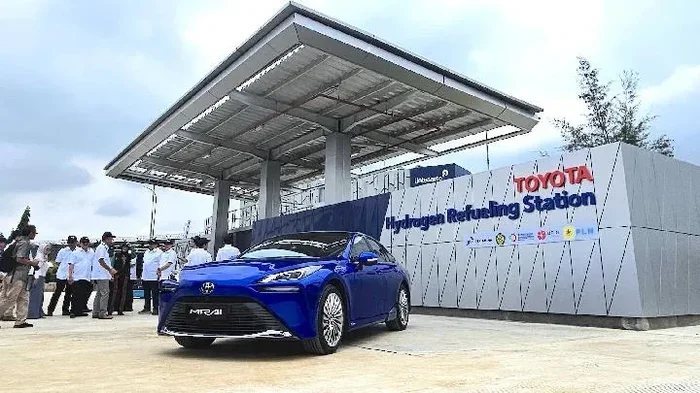
How Do You Fuel Up a Toyota Mirai With Hydrogen Gas
Fueling a Toyota Mirai is simple and fast, taking just about five minutes to fill the hydrogen tank. The Mirai is a hydrogen fuel cell vehicle that converts hydrogen gas into electricity, producing only water as a byproduct. This guide walks you through everything you need to know about Mirai fueling, from finding a station to understanding costs and safety.
Have you ever wondered how a car runs on nothing but hydrogen gas? The Toyota Mirai makes it look easy. This hydrogen fuel cell vehicle has been turning heads since it launched, and for good reason. It offers a clean, quiet ride that produces nothing but water vapor from its tailpipe. But fueling it is a different experience than what most drivers are used to.
If you own a Mirai or are thinking about getting one, understanding the fueling process is essential. How do you fuel up a Toyota Mirai? It is simpler than you might think. In this guide, we break down everything from finding a station to the actual refueling steps. Whether you are a new Mirai owner or just curious about hydrogen-powered cars, this article has you covered.
Key Takeaways
- Quick Refueling: Filling a Toyota Mirai takes around 5 minutes, similar to gasoline vehicles.
- Hydrogen Fuel Cell Technology: The Mirai uses a fuel cell stack to convert hydrogen into electricity, emitting only water vapor.
- Station Availability: Hydrogen refueling stations are growing but remain limited compared to gas stations.
- Affordable Fueling: Hydrogen fuel costs vary by region but are often competitive with gasoline.
- Safety First: The Mirai’s hydrogen system includes multiple safety features for secure refueling.
- Regular Maintenance Matters: Following a proper maintenance schedule keeps your Mirai running efficiently.
- Dealership Support: You can take your Mirai to any Toyota dealership for service and fueling advice.
📑 Table of Contents
What Is the Toyota Mirai?
The Toyota Mirai is a fuel cell electric vehicle, often called an FCEV. Unlike battery electric vehicles that plug in to charge, the Mirai generates its own electricity onboard. It does this through a fuel cell stack that combines hydrogen gas with oxygen from the air. The result is electricity that powers an electric motor.
The Mirai offers a zero-emission driving experience. There is no exhaust pipe belching smoke. Instead, the only emission is pure water. This makes the Mirai one of the cleanest vehicles on the road today. It also delivers a respectable range of around 300 to 400 miles on a full tank of hydrogen.
The name “Mirai” actually means “future” in Japanese. Toyota designed this vehicle to represent the future of clean transportation. The second generation, released in 2020, improved range, performance, and overall refinement. It is a real-world alternative to gasoline cars for those who want to reduce their carbon footprint.
How Does the Mirai Fueling System Work?
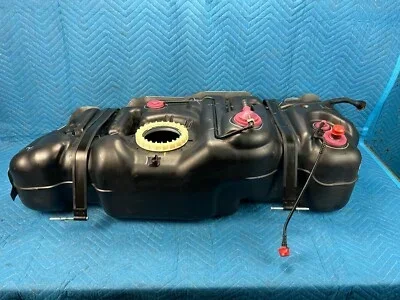
Understanding how the Mirai fueling system works helps you appreciate the process. The vehicle stores hydrogen gas in two carbon-fiber tanks. These tanks hold hydrogen at an extremely high pressure of 70 megapascals, or about 10,000 pounds per square inch. That is roughly 300 times the pressure of a car tire.
When you drive, hydrogen flows from these tanks into the fuel cell stack. Inside the stack, a proton exchange membrane separates hydrogen molecules. The protons pass through, while electrons create an electrical current. This electricity powers the motor. The only byproduct is water vapor, which exits through the tailpipe.
The fueling inlet on the Mirai is located on the driver’s side. It looks similar to a gasoline filler door but has a different connector. The nozzle locks into place once connected, ensuring a secure seal during refueling. The entire process is automated and designed with multiple safety checks built in.
Key Components of the Fueling System
- Hydrogen Storage Tanks: Two carbon-fiber reinforced tanks that hold hydrogen at 70 MPa.
- Fuel Cell Stack: Converts hydrogen and oxygen into electricity and water.
- Electric Motor: Drives the wheels using power from the fuel cell.
- Refueling Port: The connection point where the hydrogen nozzle attaches.
- Safety Sensors: Monitor hydrogen levels, pressure, and leaks throughout the system.
Where Can You Find Hydrogen Refueling Stations?
Finding a hydrogen refueling station is one of the biggest considerations for Mirai owners. The good news is that station availability has grown significantly in recent years. California leads the way with the most stations in the United States. Other states like Connecticut, Massachusetts, and New York are also expanding their networks.
Currently, there are over 50 public hydrogen stations in the U.S. Most of these are located in California. Toyota and other automakers are investing heavily in hydrogen infrastructure to support the growing number of fuel cell vehicles. The station network is expected to continue expanding as demand increases.
You can use online tools and apps to locate nearby hydrogen stations. The U.S. Department of Energy maintains a station locator on its website. Toyota also provides resources through its owner portal. Before purchasing a Mirai, it is a good idea to check that stations are accessible from your home and workplace.
Tips for Finding Stations
- Check station locator apps before long trips.
- Plan your route around known hydrogen stations.
- Join Mirai owner communities for real-time station updates.
- Watch for new station announcements from local governments and energy companies.
Step-by-Step Guide to Fueling Up Your Mirai
Now let us get to the heart of the matter. How do you actually fuel up a Toyota Mirai? The process is straightforward and takes about five minutes. Here is a detailed walkthrough.
Step 1: Park Near the Station. Pull up to the hydrogen pump just as you would at a gasoline station. Make sure the Mirai is turned off and the parking brake is engaged. Leave enough space to open the driver’s door comfortably.
Step 2: Open the Fuel Door. The fuel filler door is on the driver’s side of the vehicle. Press the release button inside the car, usually located near the driver’s seat. The door will pop open, revealing the refueling port.
Step 3: Remove the Nozzle Cap. Unscrew the protective cap from the refueling port. The nozzle on a hydrogen pump has a specific shape that matches the Mirai’s inlet. It is designed so that only the correct nozzle fits.
Step 4: Connect the Nozzle. Insert the nozzle into the refueling port until it clicks into place. The connection locks securely. The pump will then begin to detect the vehicle and start the fueling sequence.
Step 5: Start Refueling. Squeeze the handle on the nozzle to begin hydrogen flow. The pump will display the fueling progress. You will hear the sound of hydrogen entering the tank. The process typically takes three to five minutes.
Step 6: Disconnect and Replace the Cap. Once the tank is full, the pump will automatically stop. Release the nozzle handle, pull the nozzle out, and screw the protective cap back on. Close the fuel door securely.
Step 7: Check the Gauge. The dashboard display will show your current hydrogen level. A full tank should give you around 300 to 400 miles of range, depending on driving conditions.
Quick Tips for Smooth Refueling
- Always turn off the engine before refueling.
- Do not smoke or use open flames near the station.
- Let the nozzle lock in naturally; do not force it.
- If fueling stops early, wait a few seconds and try again.
- Keep the refueling port clean and free of debris.
How Much Does It Cost to Fuel a Toyota Mirai?
The cost of hydrogen fuel varies by region and station. On average, hydrogen costs between $13 and $16 per kilogram in the United States. The Mirai’s tank holds about 5.6 kilograms of hydrogen. This means a full tank costs roughly $73 to $90.
Compared to gasoline, this might seem high at first glance. But consider the Mirai’s efficiency and range. A full tank delivers around 300 to 400 miles. That works out to roughly 18 to 30 cents per mile. Many gasoline sedans cost more per mile to fuel.
Some stations offer loyalty programs or subscription plans that can lower costs. Toyota has also provided promotional fuel cards for new Mirai buyers in some markets. These programs can significantly reduce your hydrogen fuel cost over time.
Cost Comparison Table
- Hydrogen (average): $13 to $16 per kilogram
- Full tank cost: $73 to $90
- Range per full tank: 300 to 400 miles
- Cost per mile: $0.18 to $0.30
- Gasoline equivalent (comparable sedan): $0.12 to $0.20 per mile
Keep in mind that hydrogen prices are expected to decrease as green hydrogen production scales up. Renewable hydrogen, made using wind or solar energy, is the cleanest option and will likely become more affordable over time.
Mirai Maintenance and Fueling Tips
Keeping your Mirai in top shape goes beyond just fueling. Regular maintenance ensures the fuel cell system, electric motor, and other components work efficiently. Toyota has designed the Mirai for low maintenance compared to traditional gasoline cars. There are fewer moving parts, which means less wear and tear.
Follow the manufacturer’s recommended maintenance schedule for oil changes, brake inspections, and tire rotations. The fuel cell stack has a long lifespan, but it is wise to have it checked during regular service visits. Taking your Mirai to any Toyota dealership ensures you get qualified technicians who understand the fuel cell system.
One important tip is to keep your hydrogen tank as full as practical during cold weather. Hydrogen can lose some efficiency in extreme temperatures. Also, always inspect the refueling port for damage or debris before connecting the nozzle.
Common Mistakes to Avoid
- Forcing the nozzle into the refueling port.
- Refueling with the engine running.
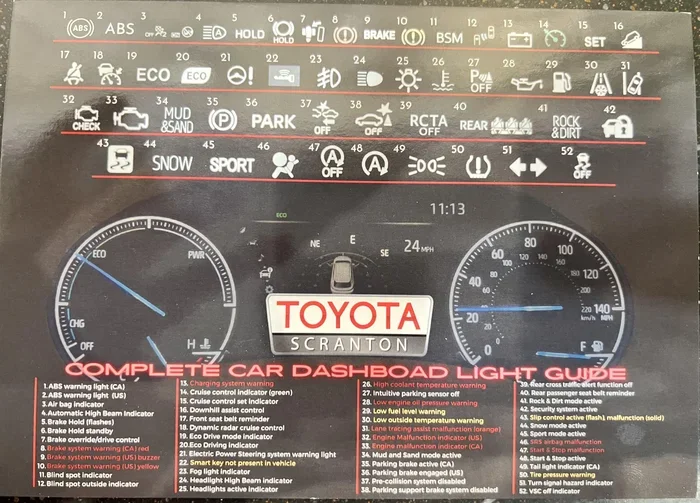
- Ignoring dashboard warning lights.
- Skipping scheduled maintenance appointments.
- Assuming all hydrogen stations offer the same fuel quality.
Expert Insights
According to Toyota engineers, the Mirai’s fuel cell system is designed for durability and reliability. The carbon-fiber tanks undergo rigorous testing to withstand extreme conditions. Toyota also conducts regular overheating prevention checks during service, ensuring the fuel cell stack operates within safe temperature ranges. If you live in a hot climate, be mindful of station wait times during peak heat hours, as systems may run slightly slower for safety.
Is the Toyota Mirai Right for You?
The Mirai is an excellent choice for drivers who want a clean, quiet, and efficient vehicle. It is especially well-suited for daily commuting and highway driving. If you have access to a hydrogen station near your home or workplace, the Mirai can be a seamless part of your routine.
However, it is not perfect for everyone. If you frequently travel to areas without hydrogen stations, a battery electric or hybrid vehicle might be more practical. The hydrogen infrastructure is still growing, and range anxiety can be a concern in regions with limited coverage.
Consider your driving habits, local station availability, and fuel costs before deciding. The Mirai offers a unique driving experience that combines the best of electric and gasoline vehicles. It is quiet, powerful, and produces zero harmful emissions.
Toyota continues to invest in fuel cell technology and hydrogen production. The company believes hydrogen has a major role to play in the future of transportation. As stations become more common and fuel costs decrease, the Mirai will likely become an even more attractive option for eco-conscious drivers.
If you are ready to make the switch, visit your local Toyota dealership to learn more. They can answer your questions, arrange test drives, and help you understand the fueling process in detail. The future of driving is here, and it runs on hydrogen.
Frequently Asked Questions
How long does it take to fuel up a Toyota Mirai?
Fueling a Toyota Mirai takes about 3 to 5 minutes, which is comparable to filling up a gasoline car. The process is quick and automated once the nozzle is connected to the refueling port.
Can you fuel a Toyota Mirai at home?
Currently, home hydrogen refueling is not practical for most Mirai owners. The equipment is expensive and requires specialized installation. Most owners rely on public or station-based hydrogen refueling infrastructure.
Is hydrogen fuel safe for the Toyota Mirai?
Yes, hydrogen fuel is safe. The Mirai’s tanks are made from carbon fiber and undergo extensive crash and leak testing. The vehicle includes multiple sensors that detect leaks and shut down the system if needed.
How far can a Toyota Mirai travel on a full tank?
A fully fueled Toyota Mirai can travel approximately 300 to 400 miles depending on driving conditions, temperature, and highway versus city driving. The second-generation model offers improved range over the original.
What happens if you run out of hydrogen?
If you run out of hydrogen, the Mirai will simply stop. You will need to tow or drive the vehicle to the nearest hydrogen station. It is a good idea to monitor your fuel level and plan refueling stops ahead of time.
Can you take a Toyota Mirai to any Toyota dealership for service?
Yes, you can take your Mirai to any Toyota dealership for routine maintenance and service. However, for specialized fuel cell repairs, it is best to visit a dealership with trained fuel cell technicians.
=== CONCLUSION ===
Fueling up a Toyota Mirai with hydrogen gas is a straightforward process that takes just minutes. From locating a station to connecting the nozzle and filling the tank, every step is designed for safety and convenience. The Mirai represents a real alternative to gasoline cars, offering a quiet, clean, and efficient driving experience.
As hydrogen infrastructure continues to grow, more drivers will discover the benefits of fuel cell vehicles. The Mirai stands at the forefront of this shift toward zero-emission transportation. Whether you are motivated by environmental concerns, curiosity about new technology, or simply a desire for a different driving experience, the Mirai delivers on all fronts.
Keep your Mirai well-maintained, stay informed about station locations, and enjoy the ride. The future of driving is clean, and it starts with hydrogen.