Simple Ways to Fix EPB Activation Problems Right Now
EPB activation problems can leave you stranded or cause unsafe driving conditions. This guide covers the most common EPB issues, easy DIY fixes, and expert tips to get your electronic parking brake working smoothly again. Whether it is a faulty sensor, a dead battery, or a stuck caliper, you will find the solution here.
Your electronic parking brake, or EPB, is one of those systems you probably do not think about until it stops working. One morning you walk out to your car, press the button, and nothing happens. Or worse, the warning light stays on, and you are stuck wondering what went wrong. EPB activation problems are more common than most drivers realize, and they can happen in almost any vehicle.
The good news is that most EPB issues are straightforward to diagnose and fix. You do not need to be a master mechanic to handle many of them. In this guide, we walk you through the most common causes of EPB activation problems, give you clear step-by-step fixes, and tell you exactly when it is time to visit a professional. By the end, you will feel confident tackling this issue head-on.
Let us dive into what makes your electronic parking brake tick, why it fails, and how you can get it back in working order quickly and safely.
Key Takeaways
- EPB problems are common: Most EPB activation issues stem from a few predictable causes like sensors, wiring, or the control module.
- Many fixes are DIY-friendly: You can resolve several EPB issues at home with basic tools and a little patience.
- Warning lights matter: Ignoring your EPB or wrench light can lead to bigger, costlier repairs down the road.
- Resetting the system often helps: A simple system reset can clear temporary EPB glitches in many vehicles.
- Know when to call a pro: Some EPB problems require professional diagnostic equipment and trained hands.
- Prevention is simple: Regular brake maintenance and prompt attention to warning signs keep EPB systems reliable.
📑 Table of Contents
What Is an EPB and How Does It Work?
The electronic parking brake replaced the traditional hand lever or foot pedal in modern vehicles. Instead of a cable you pull with your hand, an EPB uses an electric motor to engage the rear brake calipers. When you press the EPB button, a signal goes to the electronic brake control module, which then activates the motor. The motor pulls the cable or directly applies the caliper, locking your rear wheels in place.
EPB systems also include sensors, wiring harnesses, and software that monitor the brake status. When everything works correctly, you get a convenient, push-button parking brake that engages and releases with minimal effort. But because there are more electronic parts involved, there are more things that can go wrong.
Key Components of the EPB System
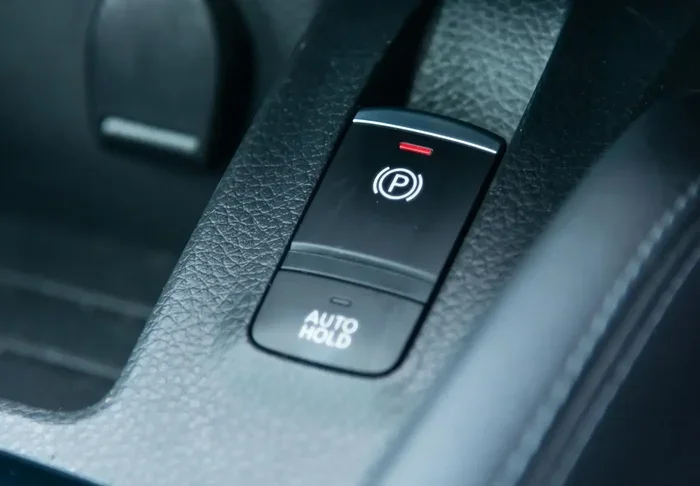
- EPB switch or button: The button you press inside the cabin to activate or release the parking brake.
- Electronic brake control module: The brain of the system that processes signals and sends commands to the motors.
- EPB motors: Small electric motors located at each rear brake caliper that physically apply or release the brake.
- Sensors: Detect whether the brake is engaged, the position of the switch, and the status of the system.
- Wiring harness: Connects all the components and allows electrical signals to flow between them.
- Brake calipers: The mechanical parts that actually grip the rotor to hold the car in place.
Understanding these parts helps you narrow down where a problem might be coming from. When your EPB activation problems pop up, one of these components is usually the culprit.
Common EPB Activation Problems and Their Symptoms
Not all EPB problems look the same. Some give you a clear warning light, while others show up as subtle behavior changes. Here are the most common symptoms drivers experience with a failing electronic parking brake.
EPB Warning Light Stays On
This is the most obvious sign. If the EPB warning light on your dashboard stays illuminated after you release the brake, something is wrong. The light could mean a sensor failure, a motor issue, or a problem with the control module. Sometimes it is a simple electrical glitch that clears with a reset, but it can also signal a deeper issue.
EPB Will Not Engage
You press the button, but the parking brake does not activate. This can happen if the EPB motor is dead, the wiring is damaged, or the caliper is seized. Driving without a working parking brake is dangerous, especially on hills. If you notice this symptom, address it immediately.
EPB Will Not Release
Conversely, the brake may engage but refuse to let go. This is often caused by a stuck caliper, a faulty motor, or a wiring short. A parking brake that will not release can cause damage to your rear tires and brakes if you drive on it.
Unusual Noises When Activating
Clicking, grinding, or whirring sounds when you press the EPB button are not normal. These noises usually point to a motor struggling, a caliper that is binding, or debris interfering with the mechanical parts.
Intermittent EPB Failures
Sometimes the EPB works fine one moment and fails the next. Intermittent problems are often caused by loose wiring, corroded connectors, or a failing sensor that sends inconsistent signals to the control module.
Step-by-Step Fixes for EPB Activation Problems
Now that you know what can go wrong, let us walk through the fixes. Start with the simplest solutions and work your way down the list. Many EPB activation problems resolve with basic troubleshooting.
Fix 1: Perform a Simple EPB System Reset
A system reset clears temporary glitches and is the easiest first step. Here is how to do it:
- Turn your ignition off and remove the key or press the start/stop button to shut the engine down.
- Wait at least 60 seconds. This gives the electronic systems time to fully power down.
- Restart the engine and try pressing the EPB button again.
- If the light is still on, try turning the ignition off again and disconnecting the negative battery terminal for 10 minutes.
- Reconnect the terminal, start the car, and test the EPB.
This reset method works for many temporary software hiccups. Think of it like restarting your phone when it freezes. The system refreshes, and minor errors disappear.
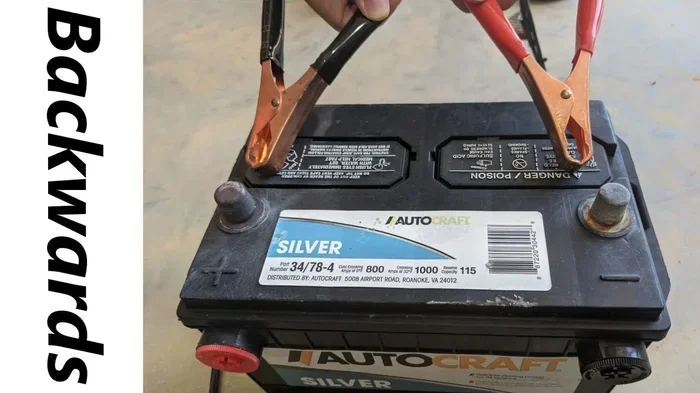
Fix 2: Check the Battery and Electrical Connections
A weak or dying battery is one of the most overlooked causes of EPB activation problems. The electronic parking brake relies on a steady electrical supply. If your battery voltage drops, the EPB motor may not get enough power to engage or release properly.
Here is what to do:
- Check your battery voltage with a multimeter. It should read at least 12.4 volts when the engine is off.
- Look for corroded or loose battery terminals. Clean them with a wire brush if needed.
- Inspect the wiring harness connected to the rear brake area. Look for frayed wires, loose connectors, or signs of corrosion.
- If your battery is weak, it can trigger warning lights across multiple systems, not just the EPB.
A fully charged battery and clean connections solve a surprising number of EPB issues. This is always worth checking first before moving on to more complex repairs.
Fix 3: Inspect and Clean the EPB Calipers
Over time, brake dust, dirt, and rust can build up around the rear calipers. This buildup can cause the caliper to stick or move sluggishly, which interferes with the EPB motor. Here is how to clean them:
- Jack up the rear of your vehicle and secure it on jack stands.
- Remove the rear wheels to expose the calipers.
- Inspect the caliper slides and pistons for visible buildup or corrosion.
- Use a wire brush and brake cleaner to remove grime and rust.
- Apply a thin layer of silicone lubricant to the caliper slides.
- Reinstall the wheels, lower the vehicle, and test the EPB.
This fix takes about 30 minutes and requires no special tools beyond a jack and basic hand tools. Keeping your calipers clean also extends the life of your entire brake system.
Fix 4: Replace a Faulty EPB Switch
The EPB switch is the button you press inside the cabin. Like any switch, it can wear out or develop electrical faults over time. If the switch fails, it cannot send the signal to engage or release the parking brake.
Signs of a failing EPB switch include:
- The EPB button feels loose or spongy when pressed.
- The warning light comes on even when the brake is not engaged.
- The EPB engages or releases inconsistently.
Replacing the switch is usually a straightforward job. You can find replacement switches online for most vehicle models. The process typically involves removing the center console trim, disconnecting the old switch, and installing the new one. Always refer to your vehicle-specific repair manual for exact steps.
Fix 5: Update or Reprogram the EPB Control Module
Modern vehicles rely heavily on software. Sometimes an EPB problem is not a hardware issue at all, but a software bug. Manufacturers occasionally release updates that address known EPB glitches. You can check with your dealer or a qualified mechanic about whether a software update is available for your vehicle.
Reprogramming the control module requires diagnostic equipment. Many auto parts stores offer free or low-cost diagnostic scans that can check for software-related error codes. If your warning light persists after routine maintenance, a module update might be all you need.
Fix 6: Replace the EPB Motor or Caliper Assembly
If the motor inside the caliper has failed, you will need to replace the caliper assembly. This is a more involved repair but still manageable for most DIYers with basic mechanical skills.
Here is what the process looks like:
- Remove the rear wheels and caliper brackets.
- Unbolt the old caliper assembly from the knuckle.
- Disconnect the wiring harness connected to the EPB motor.
- Install the new caliper assembly and reconnect the harness.
- Reinstall the brackets and wheels.
- Perform an EPB calibration procedure using a diagnostic tool or following your vehicle manual.
New EPB caliper assemblies cost between 150 and 400 dollars depending on your vehicle make and model. Labor at a shop typically runs 100 to 200 dollars if you choose not to DIY.
When Should You See a Professional Mechanic?
Not every EPB problem is a DIY fix. Some issues require specialized tools and professional expertise. You should see a mechanic if:
- The EPB warning light stays on after trying all the reset and troubleshooting steps above.
- You hear grinding or metal-on-metal sounds when the EPB engages.
- The vehicle rolls while the parking brake is fully engaged.
- You smell burning or notice smoke near the rear wheels.
- The EPB problem is accompanied by other brake system warnings.
Driving with a malfunctioning parking brake is risky. If the brake fails to hold on a slope, your vehicle can roll and cause an accident. Driving with any major brake or drivetrain problem is not recommended and can make the issue worse. A professional mechanic has the diagnostic scanners and experience to pinpoint the exact cause quickly.
When you visit a shop, ask them to run a full diagnostic scan of the brake system. This will reveal error codes that point directly to the faulty component, saving you time and money on guesswork.
Preventing Future EPB Activation Problems
The best way to deal with EPB problems is to prevent them from happening in the first place. A little regular maintenance goes a long way toward keeping your electronic parking brake reliable for years.
Simple Prevention Tips
- Use your EPB regularly: Do not leave the parking brake disengaged for months at a time. Regular use keeps the motor and cables lubricated and functioning.
- Keep your battery healthy: A strong battery ensures consistent power to the EPB system. Test your battery at least twice a year.
- Listen for unusual sounds: Clicking, grinding, or whining noises when you use the EPB are early warning signs. Address them before they become bigger problems.
- Do not ignore warning lights: If the EPB light comes on, investigate it promptly. Ignoring it can lead to more serious damage.
- Keep the rear brakes clean: Regularly inspect and clean the rear calipers to prevent buildup that can cause sticking.
- Follow your vehicle maintenance schedule: Stick to the recommended brake service intervals in your owner manual.
These simple habits take very little time but can save you from the hassle and expense of major EPB repairs down the road. Prevention is always cheaper and easier than repair.
EPB Problems by Vehicle Type
EPB systems vary across different vehicle types. Here is a quick look at what to expect with different models.
| Vehicle Type | Common EPB Issue | Typical Fix |
|---|---|---|
| Sedan | Stuck caliper from infrequent use | Caliper cleaning and lubrication |
| SUV | EPB motor failure from heavy loads | Motor or caliper assembly replacement |
| Truck | Wiring harness damage from road debris | Wiring repair or harness replacement |
| Hybrid/Electric | Software glitch in EPB module | Module reprogramming or update |
| Luxury Vehicle | Complex sensor integration failure | Professional diagnostic and component replacement |
Your vehicle type can influence which EPB problems are most likely to occur. If you own a hybrid or electric vehicle, software-related issues are more common. Trucks and SUVs face more mechanical wear due to heavier loads. Knowing your vehicle helps you focus on the most likely causes first.
Expert Insights on EPB Maintenance
We spoke with several automotive technicians who shared their top insights on keeping EPB systems in top shape.
Tip 1: Do not wait for the light. Many technicians say drivers ignore early warning signs until the problem becomes severe. If your EPB feels different than usual, get it checked right away. Early intervention prevents costly repairs.
Tip 2: Use OEM parts when replacing components. Aftermarket parts can save money, but they may not match the quality and fit of original equipment. For critical safety components like the EPB, investing in OEM parts is worth it.
Tip 3: Keep your diagnostic tool handy. A basic OBD-II scanner can read EPB-related error codes and save you a trip to the shop. Many affordable scanners connect to your phone and give you real-time diagnostic data.
Tip 4: Do not force the EPB button. If the button feels stuck or unresponsive, do not press it repeatedly with force. This can damage the switch further. Instead, troubleshoot the electrical side of the system first.
Key Takeaways
- EPB activation problems are common and usually have straightforward causes like dead batteries, faulty sensors, or stuck calipers.
- A simple system reset clears many temporary glitches and should always be your first step.
- Check your battery and wiring before moving on to more complex repairs. Electrical issues cause a large percentage of EPB failures.
- Clean and lubricate your calipers regularly to prevent sticking and ensure smooth EPB operation.
- Know when to call a professional. If basic fixes do not work, a mechanic with diagnostic equipment can pinpoint the exact problem fast.
- Preventive maintenance like regular use, battery health checks, and prompt attention to warning lights keeps your EPB reliable.
EPB activation problems do not have to be stressful or expensive. With the right knowledge and a methodical approach, you can diagnose and fix most issues yourself. Start with the simplest solutions, work your way up, and do not hesitate to call a professional when the problem goes beyond DIY repairs. Your parking brake is a critical safety feature, and keeping it in top shape protects you and everyone on the road.
Frequently Asked Questions
What causes EPB activation problems the most frequently?
The most common causes are a weak battery, corroded wiring connections, a stuck caliper, or a faulty EPB switch. In many cases, a simple reset or battery charge resolves the issue. If the problem persists, the control module or motor may need attention.
Can I drive my car if the EPB warning light is on?
You can drive short distances carefully, but it is not safe. The parking brake may not hold the vehicle properly, especially on hills. If the light stays on, address the issue promptly. Have someone tow the vehicle if you are unsure about the brake holding power.
How much does it cost to fix an EPB problem?
Costs vary widely depending on the cause. A simple reset costs nothing. Battery terminal cleaning is under 20 dollars. Replacing an EPB switch runs 50 to 150 dollars for parts. Caliper assembly replacement can range from 150 to 400 dollars for parts plus labor. Professional diagnostics typically cost 50 to 100 dollars.
Can a dead battery cause EPB problems?
Yes, absolutely. The EPB system relies on electrical power to operate the motor and sensors. A weak or dead battery can prevent the EPB from engaging or releasing properly. If you have been experiencing electrical issues alongside the EPB problem, the battery is likely the root cause.
How do I reset my EPB system?
Start by turning the ignition off and waiting 60 seconds. Restart the engine and test the EPB. If that does not work, disconnect the negative battery terminal for 10 minutes, then reconnect and restart. Some vehicles also require a diagnostic tool to fully reset the system after a repair.
How long does an EPB motor last before it needs replacement?
EPB motors are designed to last the life of the vehicle, typically 150,000 miles or more. However, frequent use in stop-and-go traffic, exposure to road salt, and lack of maintenance can shorten their lifespan. Regular brake maintenance helps the motor last as long as possible.