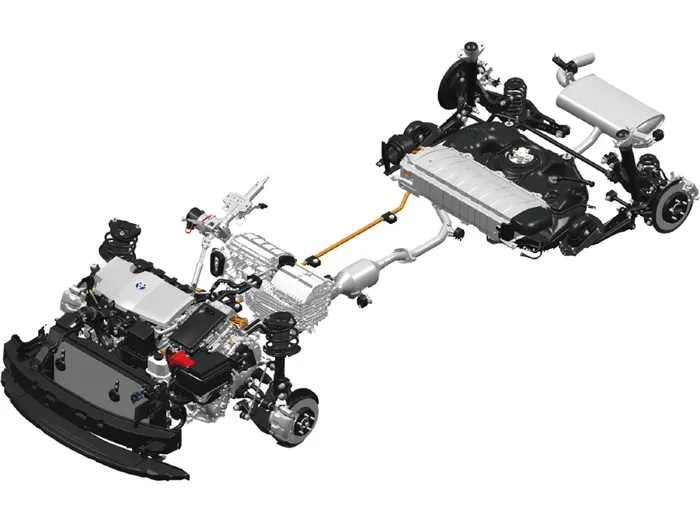
How Does the Toyota Hybrid System Work So Efficiently
The Toyota hybrid system combines a gasoline engine with an electric motor to deliver incredible fuel efficiency and smooth performance. It uses a clever power split device, regenerative braking, and an intelligent battery pack to maximize energy and minimize waste. Understanding how this hybrid powertrain works helps drivers appreciate why Toyota hybrids are among the most reliable and efficient vehicles on the road today.
The Toyota hybrid system has revolutionized the way we think about driving. For decades, Toyota has refined this technology to create vehicles that sip fuel, run quietly, and deliver smooth acceleration. Whether you drive a Toyota Prius or a newer hybrid model, understanding how the system works can change the way you experience every trip.
At its core, the Toyota hybrid system is a brilliant marriage of two power sources: a gasoline engine and an electric motor. These two work together in harmony, each taking over when it is most efficient. The result? A vehicle that uses less fuel, produces fewer emissions, and still delivers the performance you expect from a modern car.
But how does it all come together? What makes the Toyota hybrid system so much more efficient than a conventional car? Let us break it down piece by piece so you can see exactly why this technology stands out.
Key Takeaways
- The Toyota hybrid system seamlessly blends a gasoline engine and electric motor for optimal performance.
- Regenerative braking captures energy during deceleration and stores it in the hybrid battery.
- The power split device intelligently distributes power between the engine and motor without needing a traditional transmission.
- Toyota hybrid technology delivers impressive fuel efficiency and lower emissions compared to conventional vehicles.
- The hybrid battery pack is designed to last the lifetime of the vehicle with minimal maintenance.
- Drivers can switch between electric-only driving and combined power modes depending on conditions.
- Toyota’s hybrid synergy drive system has been refined over decades to deliver proven reliability.
📑 Table of Contents
What Makes the Toyota Hybrid System So Efficient?
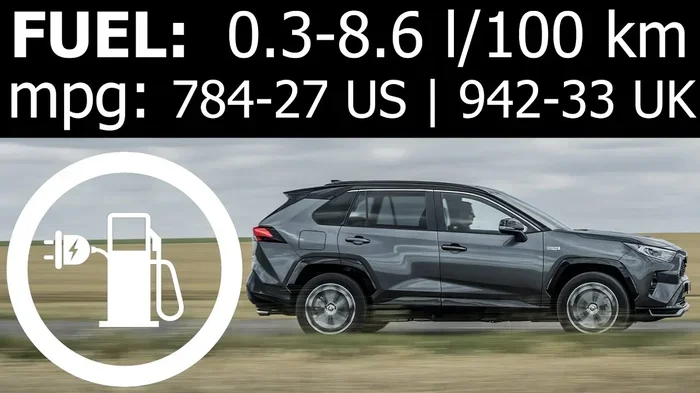
The Toyota hybrid system earns its reputation through smart engineering. Unlike traditional cars that rely solely on a combustion engine, Toyota hybrids use an electric motor to assist the gasoline engine. This means the engine does not have to work as hard. Less work means less fuel burned. Less fuel burned means better mileage.
Toyota calls this system Hybrid Synergy Drive. It is a fully variable transmission system that does not use a conventional gearbox. Instead, it uses a clever arrangement of gears, motors, and generators to blend power sources seamlessly. You never have to shift gears. You never notice a lag. The system simply adjusts itself based on how you drive.
Here is a quick look at what makes the system so efficient:
- Electric motor assist reduces the load on the gasoline engine during acceleration.
- Regenerative braking captures energy that would otherwise be wasted as heat.
- Engine shut-off at stops eliminates idle fuel consumption.
- Intelligent power distribution ensures the right source of power is used at the right time.
- Lightweight components reduce the overall energy needed to move the vehicle.
All of these features work together in real time. The system monitors driving conditions hundreds of times per second. It decides whether to use the electric motor, the gasoline engine, or both. This constant optimization is what gives Toyota hybrids their remarkable fuel efficiency.
The Key Components of the Toyota Hybrid System
To understand how the system works, you need to know the parts that make it up. Each component plays a specific role, and they all communicate with each other instantly. Here are the main pieces of the puzzle.
1. The Gasoline Engine
The gasoline engine in a Toyota hybrid is not the same as the one in a conventional car. Toyota designs these engines specifically for hybrid operation. They use the Atkinson cycle, which prioritizes efficiency over raw power. The engine burns fuel more completely and wastes less energy as heat.
When the engine is running, it primarily charges the battery and provides power at steady speeds. During hard acceleration, the electric motor kicks in to fill the gap. This partnership means the gasoline engine stays in its most efficient range more often.
2. The Electric Motor
The electric motor is the silent workhorse of the Toyota hybrid system. It runs on electricity stored in the hybrid battery pack. The motor can operate independently at low speeds, which means you can drive in electric-only mode in stop-and-go traffic or in parking lots.
During acceleration, the motor works alongside the gasoline engine to provide a boost. This is what gives Toyota hybrids their instant torque feel. The motor also acts as a generator during coasting and braking, converting kinetic energy back into electricity.
3. The Hybrid Battery Pack
The hybrid battery pack stores electrical energy for the electric motor to use. Toyota uses either nickel-metal hydride (NiMH) or lithium-ion batteries depending on the model. These batteries are designed to last the lifetime of the vehicle. They do not need external charging like plug-in electric vehicles.
The battery recharges itself through regenerative braking and excess engine power. You never need to plug in a standard Toyota hybrid. The system handles everything automatically. This self-charging feature is one of the biggest advantages of the Toyota hybrid system.
4. The Power Split Device
The power split device is the brain of the system. It is a planetary gear set that divides power between the engine, motor, and generator. This clever mechanism allows the car to operate in different modes without any input from the driver.
The power split device determines whether to use electric power, gasoline power, or a combination. It also controls how much energy goes to charging the battery. This all happens silently and instantly. Drivers experience smooth transitions without ever noticing the mechanical changes happening under the hood.
How Regenerative Braking Saves Energy
One of the most impressive features of the Toyota hybrid system is regenerative braking. In a conventional car, when you hit the brakes, all that kinetic energy turns into heat and disappears forever. The Toyota hybrid system takes that wasted energy and puts it to good use.
Here is how it works in simple terms. When you lift off the accelerator or press the brake pedal lightly, the electric motor reverses its role. It becomes a generator. The wheels spin the motor, which creates electricity. That electricity flows back into the hybrid battery pack for later use.
This process is called energy recovery. It means every time you slow down or brake, you are refueling your battery. Over time, this adds up to significant fuel savings. It is one of the reasons Toyota hybrids achieve such impressive mileage numbers.
Regenerative braking also reduces wear on your traditional brake pads. Because the electric motor handles much of the deceleration, the friction brakes are used less often. This means lower maintenance costs over the life of the vehicle. Many Toyota hybrid owners find they replace brake pads far less frequently than in a conventional car.
However, there are times when the friction brakes do engage. During hard stops or emergency braking, the traditional brakes still work as expected. The Toyota hybrid system seamlessly blends both braking methods to ensure safe and reliable stopping power.
Driving Modes and How They Work
Toyota hybrids offer different driving modes that optimize performance for various situations. Understanding these modes helps you get the most out of your vehicle.
Electric Mode
In electric-only mode, the gasoline engine shuts off completely. The electric motor drives the car using power from the battery. This mode works best at low speeds, such as when pulling out of a parking space or driving through a neighborhood. It produces zero tailpipe emissions and operates nearly silently.
Electric mode is limited by battery charge and speed. Once the battery gets low or you need more power, the gasoline engine automatically starts. The transition is so smooth that most drivers barely notice it happening.
Combined Mode
Combined mode uses both the gasoline engine and the electric motor together. This is the mode you will use most often during highway driving or when you need extra power for passing. The system distributes power intelligently based on demand.
At higher speeds, the gasoline engine becomes the primary power source. The electric motor assists when needed for acceleration. This combination delivers strong performance while still maintaining excellent fuel economy.
Battery Charging Mode
When the battery charge drops below a certain level, the system enters charging mode. The gasoline engine runs and sends power to the generator, which recharges the battery. This ensures the battery always has enough charge to support electric operation when needed.
Some drivers worry that this mode uses extra fuel. While it does consume some gasoline, the overall efficiency gains from having a charged battery more than make up for it. The system always balances short-term fuel use against long-term efficiency.
Common Questions About the Toyota Hybrid System
Many drivers have questions about how Toyota hybrids work in real-world situations. Here are some of the most common concerns and what you need to know.
Does the Hybrid Battery Need Replacement?
Toyota designs its hybrid battery packs to last the life of the vehicle. Most Toyota hybrid batteries exceed 200,000 miles without needing replacement. The company offers extensive warranties on hybrid components for added peace of mind. In rare cases where a battery does fail, replacement costs have decreased significantly over the years.
Can You Jump Start a Toyota Hybrid Battery?
Yes, you can jump start a Toyota hybrid battery, but the process is slightly different from a conventional car. The hybrid battery operates at a higher voltage, so you typically use the 12-volt auxiliary battery for jump starting. If you find yourself in a situation where you need assistance, checking the specific jump-start procedure for your model is always a smart first step. Toyota hybrids have clear instructions in the owner manual for this exact scenario.
What Happens If the Hybrid Battery Fails While Driving?
It is very rare for a Toyota hybrid to lose power suddenly due to a battery issue. If the hybrid battery does fail, the gasoline engine can still operate to get you to a safe location. The vehicle will alert you with warning lights and messages well before any complete failure occurs. However, if you ever see a check hybrid system warning, it is important to address it promptly. Understanding what to do when your hybrid shows a warning can prevent bigger problems down the road.
How Fast Can You Drive in Electric Mode?
Most Toyota hybrids can drive in electric-only mode up to about 25 to 45 mph, depending on the model and conditions. This is perfect for city driving and low-speed situations. At higher speeds, the gasoline engine automatically engages to provide the extra power needed. The switch between modes happens so smoothly that you barely notice it.
The Long-Term Benefits of Toyota Hybrid Technology
Owning a Toyota hybrid offers benefits that go beyond just saving fuel. These vehicles are built to last and designed to minimize ongoing costs. The Toyota hybrid system has been proven over millions of miles of real-world driving.
One major benefit is reduced maintenance. Because the regenerative braking system uses the electric motor to slow the car, traditional brake components last longer. The gasoline engine also runs less frequently, which means less wear on engine parts. Fewer moving parts under stress means fewer things to fix.
Another benefit is resale value. Toyota hybrids hold their value exceptionally well. Buyers consistently seek out hybrid vehicles for their fuel savings and environmental benefits. A Toyota hybrid remains desirable in the used car market long after purchase.
The environmental impact is also significant. Toyota hybrids produce far fewer greenhouse gas emissions than comparable gasoline-only vehicles. Over the lifetime of the car, this adds up to a substantial reduction in your personal carbon footprint. For drivers who care about sustainability, the Toyota hybrid system is one of the most practical choices available.
If you want to learn more about how your specific Toyota hybrid performs under different conditions, understanding your vehicle’s capabilities helps you get the most from every drive. The system is designed to be intuitive, so you can focus on enjoying the ride while the technology handles the rest.
The Toyota hybrid system represents decades of innovation and refinement. It is not just a trend or a marketing gimmick. It is a proven technology that delivers real results. From the first generation Prius to the latest hybrid models, Toyota has continued to improve and perfect the system. The result is a driving experience that is efficient, reliable, and genuinely enjoyable.
Whether you are considering your first hybrid or you have driven one for years, understanding how the system works gives you a deeper appreciation for what Toyota has accomplished. The Toyota hybrid system is a testament to smart engineering and a commitment to a more sustainable future.