Does Toyota Make Electric Cars Heres What You Need to Know
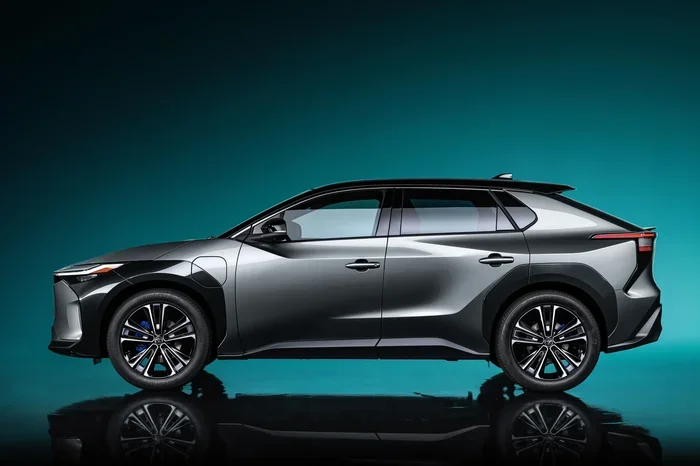
Yes, Toyota does make electric cars. The Japanese automaker has been investing heavily in electric vehicle technology with models like the Toyota bZ4X leading the charge. Toyota offers a mix of battery electric vehicles, plug-in hybrids, and hydrogen fuel cell cars as part of its broader electrification strategy.
Does Toyota make electric cars? This is a question many car buyers are asking right now. The auto industry is shifting fast toward electric vehicles. And Toyota, one of the biggest car makers in the world, has a lot to say about this change. Let us dive into everything you need to know about Toyota’s electric car journey.
Toyota has been a leader in the car world for decades. The company built its reputation on reliable engines and hybrid technology. Now, Toyota is pushing hard into the fully electric space. The company wants to offer more zero-emission vehicles to customers around the globe. But what does this really mean for buyers? And what electric cars does Toyota actually sell today?
This guide covers Toyota’s full electric vehicle story. We will look at current models, future plans, and the technology behind Toyota EVs. Whether you are curious about the Toyota bZ4X or just want to understand where the company stands, you are in the right place. Let us get into it.
Key Takeaways
- The Toyota bZ4X is Toyota’s first mass-produced fully electric SUV and represents a major step in the company’s EV strategy.
- Toyota has a wide range of hybrid and plug-in hybrid models that bridge the gap between gas and full electric vehicles.
- Toyota is also investing in hydrogen fuel cell technology with the Mirai as a prime example of this alternative zero-emission approach.
- The company’s e-TNGA platform serves as the foundation for its growing lineup of battery electric vehicles.
- Toyota plans to offer 30+ EV models globally by 2030 as part of its ambitious electrification roadmap.
- Toyota electric cars come with strong reliability credentials built on decades of engineering expertise and proven durability.
- Charging infrastructure and battery technology continue to improve, making Toyota EVs more practical for everyday use.
📑 Table of Contents
Does Toyota Make Electric Cars? The Full Picture
The short answer is yes. Toyota does make electric cars. But the full picture is more interesting than just a simple yes. Toyota has taken a multi-path approach to electrification. This means the company is not putting all its eggs in one basket. Instead, Toyota is developing several types of clean powertrain technologies at the same time.
Toyota has been working on electric vehicle technology for a long time. The company introduced the Prius back in 1997. That was one of the first mass-produced hybrid cars in the world. Since then, Toyota has sold millions of hybrid vehicles globally. Now, the company is using that experience to build fully electric cars.
Toyota’s EV Journey So Far
Toyota’s path to electric vehicles has been a steady one. The company started with hybrids and then moved toward plug-in hybrids and fully electric models. Here is a quick look at how Toyota got here:
- 1997: Toyota launches the first generation Prius, a hybrid electric vehicle that changes the auto industry.
- 2010s: Toyota expands its hybrid lineup with models like the RAV4 Hybrid and Camry Hybrid.
- 2022: Toyota introduces the bZ4X, its first dedicated battery electric vehicle built from the ground up.
- 2023-2024: Toyota adds more EV models and expands its electric vehicle portfolio globally.
The bZ4X is a game changer for Toyota. It is the company’s first purpose-built electric SUV. Before the bZ4X, Toyota adapted its hybrid platform for electric power. The bZ4X was designed from scratch as an electric vehicle. This gave Toyota a chance to optimize everything for battery power.
Toyota has also been working on hydrogen fuel cell vehicles. The Toyota Mirai is a hydrogen-powered car that emits only water vapor. This is a different path to zero emissions. Some people see hydrogen as the future of clean driving. Toyota clearly thinks so too. Building these advanced vehicles takes time and serious investment in production facilities.
The Toyota bZ4X Breakthrough
The Toyota bZ4X is the star of Toyota’s current EV lineup. It is a compact electric SUV that offers a clean, modern driving experience. Here are some key details about the bZ4X:
- Range: The bZ4X offers around 252 miles of range on a full charge. This puts it in line with competitors like the Honda Prologue.
- Platform: It runs on Toyota’s e-TNGA platform, which is specifically designed for electric vehicles.
- Power: The bZ4X delivers around 215 horsepower. This is enough for daily driving and highway cruising.
- All-Wheel Drive: A dual-motor AWD version is available for better traction and stability.
- Price: The bZ4X starts at around $43,000, making it competitive in the affordable EV segment.
The bZ4X is not just a converted hybrid. It is a true battery electric vehicle with a dedicated electric platform. Toyota built it to compete with the best in the electric SUV market. And it holds its own pretty well.
Understanding Toyota’s Electric Vehicle Lineup
Toyota does not just make one type of electric car. The company offers several paths to electrification. Let us break down the different types of Toyota electric vehicles you can buy today.
Battery Electric Vehicles (BEVs)
Battery electric vehicles run entirely on electricity. They have no gas engine at all. You charge them at home or at public charging stations. The Toyota bZ4X is the main example of this category right now. Other BEVs in the Toyota lineup are coming soon.
BEVs offer several benefits. They produce zero tailpipe emissions. They are quiet and smooth to drive. And they cost less to fuel than gas cars. The main challenge is range and charging time. But battery technology is improving fast.
Plug-In Hybrid Electric Vehicles (PHEVs)
Plug-in hybrids combine a gas engine with an electric motor and a rechargeable battery. You can plug them in to charge, or you can use gas just like a regular car. Toyota offers several PHEV models. These are great for people who want electric driving most of the time but still want the backup of a gas engine.
Plug-in hybrids are a smart stepping stone. They let drivers get used to electric driving habits without the worry of running out of charge. Many Toyota PHEVs offer 30 to 50 miles of electric-only range. That covers most daily commutes easily.
Hydrogen Fuel Cell Vehicles
Hydrogen fuel cell vehicles use hydrogen gas to create electricity. The only emission is water vapor. Toyota has been a pioneer in this space with the Mirai. Hydrogen cars refuel quickly, just like gas cars. But the hydrogen refueling infrastructure is still limited in many areas.
Toyota sees hydrogen as an important part of its electrification strategy. The company believes multiple technologies can coexist. This gives customers more choices based on their needs and local infrastructure.
Hybrid Electric Vehicles (HEVs)
While not fully electric, Toyota hybrids deserve a mention. These cars use a gas engine and electric motor together for better fuel economy. Toyota has sold millions of hybrids worldwide. The technology is proven, reliable, and widely available. Toyota hybrid systems are incredibly sophisticated and switch seamlessly between power sources.
| Vehicle Type | Power Source | Emissions | Charging Required |
|---|---|---|---|
| Battery Electric (BEV) | Electric only | Zero tailpipe | Yes |
| Plug-In Hybrid (PHEV) | Electric + Gas | Low | Yes (optional) |
| Hybrid (HEV) | Electric + Gas | Low | No |
| Hydrogen Fuel Cell | Hydrogen | Zero tailpipe | No (refuel) |
The Technology Behind Toyota’s EVs
Toyota is not just jumping into electric cars. The company brings decades of engineering experience to the table. Let us look at the key technology that powers Toyota EVs.
The e-TNGA Platform
The e-TNGA platform is the backbone of Toyota’s electric vehicle lineup. It is a dedicated platform designed specifically for EVs. This platform allows Toyota to build electric cars more efficiently and with better performance.
Key features of the e-TNGA platform include:
- Flat battery layout: The battery pack sits low in the chassis. This improves handling and stability.
- Scalable design: Toyota can use this platform for different vehicle sizes and types.
- Efficient powertrain: The platform supports both front-wheel and all-wheel drive configurations.
- Rigid structure: The platform is built for safety and durability, matching Toyota’s reputation for long-lasting vehicles.
Building a dedicated EV platform takes serious manufacturing investment. It requires thousands of man hours to design and refine. But it gives Toyota a strong foundation for future electric models. The complexity of modern car production is immense, and Toyota has mastered this process over decades.
Battery and Powertrain
Toyota uses advanced lithium-ion battery technology in its EVs. These batteries are similar to what you find in other modern electric cars. Toyota focuses on safety, longevity, and performance with its battery systems.
The bZ4X battery pack is designed to last. Toyota has built in thermal management systems to keep the battery at optimal temperature. This helps maintain range and battery health over time. The company also offers an 8-year or 100,000-mile battery warranty on the bZ4X.
Toyota’s electric motors are efficient and smooth. They deliver instant torque, which makes electric cars feel responsive and fun to drive. The company is also working on next-generation batteries that could offer even more range and faster charging times.
Toyota’s Approach to EV Charging
Charging is a big part of the electric car experience. Toyota has been working to make charging easier for its customers. The bZ4X supports both Level 2 home charging and DC fast charging. With a DC fast charger, you can add about 90 miles of range in roughly 30 minutes.
Toyota is also partnering with charging networks to expand access. The company understands that charging infrastructure is key to EV adoption. Without easy access to chargers, many buyers hesitate to go electric. Toyota is actively working to address this concern.
How Toyota’s Electric Cars Compare to Competitors
Toyota is not the only automaker making electric cars. Several competitors are also in the EV space. Let us compare Toyota’s approach to some key players.
Tesla is the most well-known EV maker. Tesla offers a wide range of electric cars with long range and a massive Supercharger network. Toyota’s bZ4X offers competitive range but does not have the same charging infrastructure yet. However, Toyota has decades of experience in mass production and reliability.
Ford and GM are also pushing hard into electric vehicles. Ford’s Mustang Mach-E and GM’s Hummer EV are popular choices. Toyota takes a more measured approach, focusing on proven technology and broad accessibility. Toyota vehicles are known for their longevity, and this reputation extends to the company’s electric offerings as well.
Hyundai and Kia offer compelling electric SUVs like the Ioniq 5 and EV6. These cars feature fast charging and modern designs. Toyota’s bZ4X competes well in this segment with its strong brand reputation and proven reliability.
What sets Toyota apart is the company’s balanced approach. Rather than going all-in on one technology, Toyota offers hybrids, plug-in hybrids, BEVs, and hydrogen fuel cells. This gives customers more options and reduces risk.
What the Future Holds for Toyota Electric Cars
Toyota has big plans for the future of electric vehicles. The company has announced ambitious goals for its electrification strategy. Here is what we can expect from Toyota in the coming years.
Toyota plans to offer 30 or more battery electric models globally by 2030. This is a significant expansion from the current lineup. The company is investing billions of dollars into EV development and production. New models will span sedans, SUVs, and possibly trucks.
Toyota is also working on solid-state batteries. These batteries promise higher energy density, faster charging, and better safety. If Toyota can commercialize solid-state batteries, it could be a major breakthrough for the EV industry. The technology is still in development, but Toyota is making steady progress.
The company is also expanding its hydrogen fuel cell technology. Toyota believes hydrogen has a role to play in the future of clean transportation. The next generation of the Mirai is expected to offer improved range and performance. Toyota is also exploring hydrogen use in commercial vehicles and heavy-duty applications.
One thing is clear: Toyota is committed to the future of electric mobility. The company is not just following trends. Toyota is investing in multiple technologies to ensure it remains a leader in the evolving auto industry. The manufacturing scale required to produce these vehicles is enormous, but Toyota has the experience and infrastructure to deliver.
Should You Buy a Toyota Electric Car?
Now that you know Toyota makes electric cars, you might be wondering if one is right for you. The answer depends on your needs, driving habits, and priorities. Let us look at some factors to consider.
Consider a Toyota EV if:
- You want a reliable and proven automaker behind your electric car.
- You have access to home charging or convenient public charging.
- You want a zero-emission vehicle with strong resale value.
- You prefer a more gradual transition from gas to electric with hybrid options.
- You value long-term durability and low maintenance costs.
Think carefully if:
- You need very long range for frequent road trips and charging infrastructure is limited in your area.
- You want the widest selection of EV models and the most established charging network.
- You prefer the latest cutting-edge tech and fastest charging speeds available.
Overall, Toyota electric cars are a solid choice for many buyers. The company brings decades of automotive expertise to the EV space. The bZ4X is a well-rounded electric SUV that offers good range, comfort, and reliability. And with more models coming, Toyota has something to offer for different types of buyers.
If you are new to electric vehicles, a Toyota hybrid or plug-in hybrid is a great way to start. These vehicles give you a taste of electric driving without the charging anxiety. You can always upgrade to a full BEV later when charging infrastructure continues to grow.
The electric car market is evolving fast. Toyota is making sure it stays competitive with a strong mix of technologies and models. Whether you choose a battery electric, plug-in hybrid, or hydrogen fuel cell vehicle, Toyota has a clean mobility solution for you.
Conclusion
Does Toyota make electric cars? Absolutely. Toyota has been quietly building its electric vehicle portfolio and is now offering real choices for buyers. The bZ4X leads the charge as Toyota’s flagship EV, but the company has much more in store.
Toyota’s approach to electrification is smart and comprehensive. The company is not putting all its resources into one technology. Instead, Toyota offers battery electric vehicles, plug-in hybrids, conventional hybrids, and hydrogen fuel cell cars. This gives customers flexibility and ensures Toyota is ready for whatever the future holds.
If you are in the market for an electric or hybrid vehicle, Toyota deserves a close look. The company’s reputation for reliability, quality, and innovation carries over into its electric lineup. With plans to expand its EV offerings significantly in the coming years, Toyota is positioning itself as a serious player in the electric vehicle market.
Take the time to test drive a Toyota electric or hybrid model. See how it fits your lifestyle and driving needs. The transition to electric driving does not have to be overwhelming. Toyota makes it easy with a range of options and a commitment to quality that has defined the brand for over 80 years.
Frequently Asked Questions
Does Toyota make any fully electric cars right now?
Yes, Toyota currently sells the bZ4X as its main fully electric vehicle. The bZ4X is a compact electric SUV that offers around 252 miles of range. Toyota has plans to launch several more fully electric models in the coming years as part of its expanded EV strategy.
How far can a Toyota electric car go on a single charge?
The Toyota bZ4X offers approximately 252 miles of range on a full charge. This is competitive with other electric SUVs in its class. Range may vary based on driving conditions, temperature, and whether you are using all-wheel drive.
Is Toyota’s bZ4X a good electric car?
The bZ4X is a solid electric SUV that offers good range, reliable build quality, and a comfortable ride. It is built on Toyota’s dedicated e-TNGA platform and comes with strong warranty coverage. It is a great choice for buyers who want a dependable electric vehicle from a trusted brand.
What is Toyota’s plan for electric vehicles in the future?
Toyota plans to offer more than 30 battery electric models globally by 2030. The company is also investing in solid-state battery technology and hydrogen fuel cells. Toyota’s goal is to offer a diverse lineup of electrified vehicles across all segments to meet different customer needs.
Does Toyota make hydrogen fuel cell cars?
Yes, Toyota makes the Mirai, a hydrogen fuel cell sedan. The Mirai emits only water vapor and offers a smooth, quiet driving experience. Hydrogen refueling takes just minutes, similar to filling up a gas car, though hydrogen stations are still limited in availability.
Are Toyota electric cars reliable?
Toyota has a long reputation for building reliable vehicles, and this extends to its electric lineup. The bZ4X benefits from Toyota’s decades of engineering experience and rigorous testing. The company also offers an 8-year or 100,000-mile battery warranty, showing confidence in the durability of its electric powertrains.