How Long Are Toyota Tundras And What You Should Know
The Toyota Tundra is a full-size pickup truck that typically measures between 225 and 248 inches in overall length, depending on the cab style and bed configuration. Knowing the exact Tundra dimensions helps buyers plan for parking, garage fitting, and towing setups. In this guide, we cover every length variant, compare cab sizes, and share practical tips for anyone shopping for or owning a Tundra.
Toyota built the Tundra to compete with the biggest trucks on the road. Whether you are hauling cargo, towing a trailer, or just trying to fit into your garage, the length of your Tundra matters a lot. It affects how you drive, where you park, and what you can carry.
If you have ever stood next to a Tundra or tried to guess its size from photos, you know these trucks are big. But the exact Toyota Tundra dimensions depend on the model year, cab style, and bed length. In this article, we break down everything you need to know about how long a Tundra really is. We also share practical tips that help you make smarter buying and ownership decisions.
Key Takeaways
- Overall Length Varies: Toyota Tundras range from about 225 to 248 inches depending on cab and bed combo.
- Cab Style Matters: Regular cab, Access Cab, and Double Cab models all have different overall lengths.
- Bed Length Options: Standard beds come in 5.5-foot and 8.1-foot sizes, with the 6.5-foot bed available on select models.
- Parking and Garage Planning: Knowing your Tundra’s length helps avoid fit issues in tight spaces.
- Towing and Hauling: Longer beds offer more cargo capacity, which affects towing balance and stability.
- Model Year Differences: Newer generations of the Tundra are slightly longer and wider than older models.
- Reliability Factor: The Tundra is known for durability, and understanding its size helps with maintenance decisions like bumper fitting.
📑 Table of Contents
- Understanding Toyota Tundra Overall Length
- Cab Styles and How They Affect Tundra Length
- Bed Lengths and Their Impact on Total Tundra Length
- How Model Years Affect Tundra Length
- Practical Tips for Managing a Long Tundra
- Tundra Length and Towing: What You Need to Know
- How Tundra Length Compares to Other Toyota Trucks
- Common Mistakes People Make When Choosing a Tundra Based on Length
- Expert Insights on Tundra Dimensions
- Quick Tips for Tundra Buyers
- Conclusion
Understanding Toyota Tundra Overall Length
The overall length of a Toyota Tundra includes everything from the front bumper to the rear bumper. This measurement is the most important one for parking, garage fitting, and general clearance. Most current-generation Tundras fall between 225 and 248 inches in total length.
To put that in perspective, 248 inches equals about 20.7 feet. That is longer than many compact SUVs and some midsize sedans. The Tundra curb weight also plays a role in how the truck handles on the road, but the length is what determines whether it fits in your space.
Why Overall Length Matters
Here are a few real-world reasons why you should care about Tundra length:
- Parking: Longer trucks need more space in parking lots and garages.
- Driveway Fit: A short driveway might not accommodate a full-size Tundra comfortably.
- Garage Storage: Standard two-car garages may feel tight with a long Tundra inside.
- Towing Setup: The overall length affects how a trailer and truck combo navigates turns and tight spots.
If you are comparing the Tundra to other trucks, remember that the Toyota Tundra dimensions place it firmly in the full-size pickup category. It is not a compact or mid-size truck. It is built for heavy-duty work and towing, and that starts with its size.
Cab Styles and How They Affect Tundra Length
Toyota offers the Tundra in multiple cab configurations. Each cab style changes the overall length of the truck. The three main cab types are Regular Cab, Access Cab, and Double Cab. Let us look at how each one impacts the Tundra’s footprint.
Regular Cab
The Regular Cab Tundra is the shortest version. It has two doors and a front bench seat or bucket seats. This cab style is popular among work trucks and fleet buyers who prioritize cargo bed space over passenger room. The Regular Cab Tundra typically measures around 225 to 230 inches in overall length, making it the most manageable option for tight spaces.
Because the Regular Cab has a shorter rear overhang, it often comes with a longer bed option. This makes it a great choice for contractors and haulers who need maximum cargo capacity without the extra length of a larger cab.
Access Cab
The Access Cab, sometimes called the Extra Cab, adds small rear doors that give you access to a small rear seating area. The Access Cab Tundra is longer than the Regular Cab, usually measuring around 235 to 240 inches. The rear overhang extends to accommodate the small jump seats or bench behind the front row.
If you need occasional seating for a few extra people but do not want the full length of a Double Cab, the Access Cab strikes a nice balance. It also offers a good mix of bed length options. For reference, the length of an extended cab truck follows a similar pattern of adding rear overhang for rear-seat access.
Double Cab
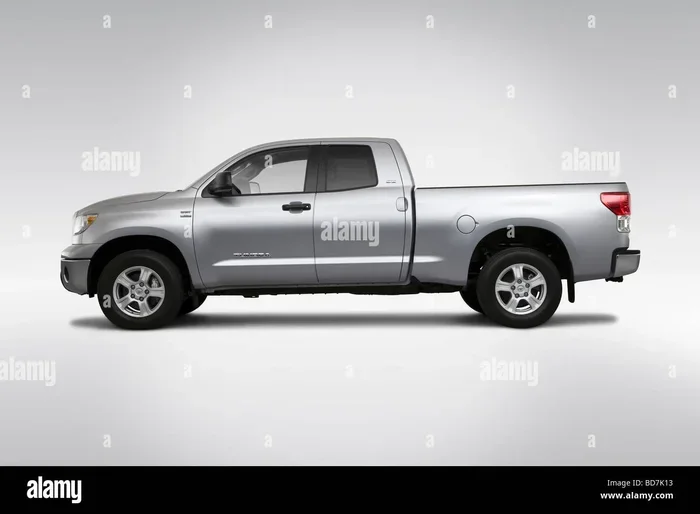
The Double Cab is the longest Tundra configuration. It has four full-size doors and a spacious rear passenger area. The Double Cab Tundra can reach up to 248 inches in overall length or more, depending on the bed size. This is the most popular cab style for families and everyday drivers who want the comfort of a full rear seat.
The trade-off is length. A Double Cab Tundra requires more parking space and may not fit in smaller garages. However, the added passenger room and comfort make it worth it for many buyers. If you are considering a Double Cab, always measure your parking and storage spaces before committing.
Bed Lengths and Their Impact on Total Tundra Length
The cargo bed is a major factor in the Tundra’s overall length. Toyota typically offers two or three bed lengths depending on the model year and cab style. The most common bed sizes are 5.5 feet, 6.5 feet, and 8.1 feet.
Short Bed (5.5 Feet)
The 5.5-foot bed is the most compact option. It is ideal for daily driving and light hauling. A Tundra with a 5.5-foot bed keeps the overall length shorter, which helps with maneuverability and parking. This bed size is common on Double Cab models where the goal is to balance passenger comfort with a usable cargo area.
Standard Bed (6.5 Feet)
The 6.5-foot bed offers a nice middle ground. It provides more cargo room than the short bed without adding too much overall length. If you have ever wondered about a 6.5 foot truck bed, it is a popular choice for buyers who need hauling capacity but still want a manageable truck size.
Long Bed (8.1 Feet)
The 8.1-foot bed is the longest option and is typically found on Regular Cab and Access Cab models. This bed size is perfect for hauling large loads, construction materials, or recreational equipment. However, it adds significant length to the truck. An 8.1-foot bed Tundra can push the overall length past 245 inches.
Bed Length Comparison Table
| Bed Size | Typical Cab Match | Approximate Overall Length | Best For |
|---|---|---|---|
| 5.5 Feet | Double Cab | 225-235 inches | Daily driving, light hauling |
| 6.5 Feet | Double Cab, Access Cab | 235-245 inches | Balanced cargo and daily use |
| 8.1 Feet | Regular Cab, Access Cab | 240-248+ inches | Heavy hauling, contractors |
When choosing a bed length, think about what you will actually haul. Most Tundra owners use their trucks for a mix of daily driving and occasional hauling. The 5.5 or 6.5-foot bed covers most needs without making the truck too long to handle easily.
How Model Years Affect Tundra Length
The Toyota Tundra has gone through several generations since its debut in 1999. Each generation brought changes to the truck’s dimensions. Newer models tend to be slightly longer and wider to meet modern safety and comfort standards.
First Generation (1999-2006)
The original Tundra was slightly shorter than today’s models. The overall length ranged from about 220 to 235 inches depending on the cab and bed combination. These early Tundras set the standard for full-size pickup trucks in the American market.
Second Generation (2007-2021)
The second-generation Tundra grew a bit in size. Toyota added more interior room and improved the towing capacity. The second-gen Tundra typically measured between 225 and 245 inches in overall length. This generation also introduced the more spacious Double Cab as a mainstream option.
Third Generation (2022-Present)
The newest Tundra is the most modern and capable version yet. It features a larger frame, more advanced technology, and improved efficiency. The current Tundra measures up to 248 inches in overall length for the longest configurations. The 2024 and newer models also offer hybrid powertrains, which add weight but do not significantly change the length.
When comparing Tundra lengths across generations, always check the specific model year. A 2005 Tundra and a 2024 Tundra can differ by several inches in overall length.
Practical Tips for Managing a Long Tundra
Owning a full-size truck like the Tundra comes with practical challenges. Here are some tips to help you manage the truck’s length in everyday life.
Measure Before You Buy
Always measure your garage, driveway, and regular parking spots before purchasing a Tundra. Bring a tape measure and compare the Tundra length specifications to your available space. It is better to know upfront whether the truck will fit comfortably.
Use Parking Sensors
Many newer Tundra models come with rear parking sensors and cameras. These tools are a lifesaver for a long truck. If your model does not have them, consider aftermarket parking assistance systems that help you avoid bumps and scrapes in tight spaces.
Plan for Maintenance
Longer trucks can take more time for certain maintenance tasks. For example, replacing a front bumper on a Tundra requires extra care because of the truck’s length and weight. It typically takes a few hours to fit a new bumper on a full-size truck like the Tundra, especially if you are doing it yourself. If you are unsure, a professional mechanic can handle the job quickly and safely.
Consider Reliability for Long-Term Ownership
The Toyota Tundra has a strong reputation for reliability. Before buying, it is smart to research the truck’s long-term dependability. The Tundra is built to last, and understanding its size helps you plan for routine maintenance, oil changes, and parts replacements. To learn more about how dependable these trucks are, check out our guide on Toyota Tundra reliability.
Tundra Length and Towing: What You Need to Know
The length of your Tundra directly affects its towing capability. Longer trucks generally offer more stable towing platforms because the wheelbase is longer and the weight distribution is better. However, longer trucks can be harder to maneuver in tight spaces when towing a trailer.
Here are a few things to keep in mind about Tundra length and towing:
- Wheelbase Length: A longer wheelbase improves towing stability but reduces turning radius.
- Rear Overhang: More rear overhang means more bed space but less rear visibility when towing.
- Total Length + Trailer: Always add the trailer length to the Tundra length when planning routes. Some roads and parking areas have length restrictions.
- Turning Radius: Longer Tundra configurations need wider turns. Be mindful of this when navigating tight corners and parking lots.
If towing is a priority for you, the Double Cab with a 6.5-foot bed often strikes the best balance between length, comfort, and hauling capacity. It gives you enough bed space for most loads while keeping the truck manageable on the road.
How Tundra Length Compares to Other Toyota Trucks
The Tundra is Toyota’s largest pickup truck. It sits above the Tacoma in the Toyota truck lineup. The Tacoma is a mid-size truck that is significantly shorter and lighter than the Tundra. If you are considering a Toyota truck, understanding the size difference helps you choose the right model for your needs.
The Tacoma is a great truck for everyday use and light-duty work. It is easier to park and maneuver than the Tundra. But if you need serious hauling and towing power, the Tundra is the better choice. Its larger size and stronger powertrain make it capable of handling heavy loads that the Tacoma simply cannot manage.
For buyers who want a Toyota truck but do not need the full size of the Tundra, the Tacoma remains an excellent option. And if you are curious about whether Toyota trucks come with four-wheel drive, the Tacoma is available in both two-wheel drive and four-wheel drive configurations, giving buyers flexibility for different driving conditions.
Common Mistakes People Make When Choosing a Tundra Based on Length
Buying a Tundra is a big decision, and many buyers make avoidable mistakes when focusing on length. Here are a few common pitfalls:
- Not Measuring Your Space: Many buyers assume their garage or driveway will fit a Tundra without measuring first. Always verify.
- Choosing the Longest Bed for Daily Driving: An 8.1-foot bed looks great on paper but can make the truck too long for everyday errands and parking.
- Ignoring Turning Radius: A longer Tundra has a wider turning radius, which matters in urban areas and tight parking structures.
- Forgetting Trailer Length: When towing, the total length of the truck plus trailer is what matters, not just the Tundra alone.
- Overlooking Weight: Longer beds add cargo capacity but also add weight, which can affect fuel economy and handling.
Avoiding these mistakes helps you choose the right Tundra configuration for your lifestyle and needs.
Expert Insights on Tundra Dimensions
According to automotive experts, the Toyota Tundra’s dimensions have evolved to meet modern buyer expectations. The latest generation offers a good balance of size, comfort, and capability. Truck length is not just about the numbers on paper. It is about how the truck fits into your real life.
Experts recommend test-driving a Tundra before buying. Sit in the driver’s seat, check the visibility, and imagine parking it in your regular spots. The feel of the truck’s size is something you can only experience firsthand. Also, consider how the Tundra’s length affects resale value. Full-size trucks in good condition tend to hold their value well, especially popular configurations like the Double Cab with a 5.5 or 6.5-foot bed.
If you are comparing the Tundra to competitors like the Ford F-150 or Ram 1500, keep in mind that all full-size trucks are roughly similar in length. The Tundra holds its own in this segment. Its strong reliability reputation and Toyota’s proven build quality make it a standout choice in the full-size pickup market.
Quick Tips for Tundra Buyers
- Measure twice, buy once. Always check your parking and storage spaces against Tundra dimensions.
- Choose the cab style first. Your passenger needs determine whether you need a Regular Cab, Access Cab, or Double Cab.
- Match the bed to your needs. Most buyers do well with a 5.5 or 6.5-foot bed for daily use.
- Test drive in your usual parking spots. See how the truck feels in real-world conditions before committing.
- Consider resale value. Popular Tundra configurations hold value better than rare or unusual ones.
Conclusion
The Toyota Tundra is a full-size pickup truck that ranges from about 225 to 248 inches in overall length, depending on the cab style and bed configuration. Whether you choose a compact Regular Cab or a roomy Double Cab, understanding the Tundra’s dimensions is essential for making a smart purchase. The truck’s length affects parking, towing, hauling, and everyday usability.
By now, you should have a clear picture of how long a Tundra is and what that means for your needs. Use the tips and guidelines in this article to choose the right configuration. Measure your spaces, test drive the truck, and pick the Tundra setup that fits your lifestyle best. The Tundra is a capable, reliable, and impressive truck, and knowing its size helps you get the most out of it.
Whether you are a first-time truck buyer or a longtime Toyota fan, the Tundra delivers the size and strength you need for serious work and everyday driving. Take your time, do your research, and find the Tundra that is just the right length for you.
Frequently Asked Questions
How long is a Toyota Tundra in feet?
The Toyota Tundra ranges from about 19 to 20.7 feet in overall length, depending on the cab and bed configuration. The Double Cab with a long bed sits at the upper end of this range, while the Regular Cab with a short bed is the most compact option.
What is the longest Tundra model available?
The longest Tundra configuration is the Double Cab with an 8.1-foot bed on the latest generation. This setup can reach up to 248 inches or more in overall length. It offers maximum cargo space but requires the most parking and storage room.
Does the Tundra bed length affect towing capacity?
Yes, bed length can affect towing capacity indirectly. A longer bed helps distribute weight more evenly when hauling heavy loads. However, the towing capacity is primarily determined by the engine, transmission, and frame strength rather than bed length alone.
Is the Toyota Tundra too long for a standard garage?
A standard two-car garage is typically about 20 to 24 feet long. A Tundra can fit, but it may be tight, especially in the Double Cab configuration. Always measure your garage before purchasing to ensure a comfortable fit.
How does the Tundra length compare to the Toyota Tacoma?
The Tundra is significantly longer than the Tacoma. While the Tundra can reach over 24 feet in length, the Tacoma typically measures around 22 to 23 feet depending on the configuration. The Tundra is a full-size truck, while the Tacoma is a mid-size truck.
Are Toyota Tundras reliable enough for daily driving despite their size?
Yes, the Tundra has a strong reputation for reliability and durability. Its size does not compromise its dependability. Many owners use their Tundras as daily drivers and appreciate the combination of capability and long-term reliability. For more details, check our guide on Toyota Tundra reliability.