Are Toyota Matrix Good Cars Here Is Why You Need to Know
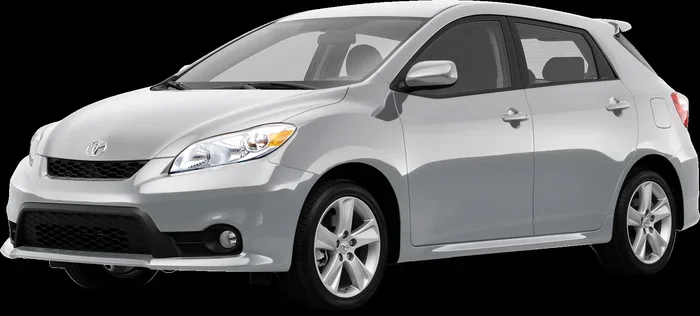
The Toyota Matrix is a practical, reliable hatchback that offers great value for buyers looking for a dependable daily driver. With solid build quality, good fuel economy, and spacious cargo room, the Matrix earned a loyal following during its production run from 2003 to 2014. Many owners report that their Toyota Matrix lasts well over 200,000 miles with proper maintenance, making it a smart used car choice. If you are wondering whether a Toyota Matrix is a good car for your needs, this guide covers everything you need to know.
Are Toyota Matrix good cars? That is a question many car shoppers ask when they see one on the road. The Toyota Matrix, also known as the Toyota Corolla Matrix, rolled off the assembly line from 2003 to 2014. During that time, it built a reputation as a practical, no-nonsense compact hatchback. But does that reputation hold up today? Let us dive deep into everything you need to know about whether the Toyota Matrix is a good car.
The Matrix was designed for real people with real needs. It offered a flat cargo floor, fold-down rear seats, and a surprisingly spacious interior for its class. Toyota built the Matrix on the same platform as the Corolla, which is one of the most trusted names in the automotive world. That shared platform means many of the Corolla’s strengths carry over to the Matrix.
So, are Toyota Matrix cars good? The short answer is yes. But like any used car, there are things you should know before you buy. This guide will walk you through reliability, fuel economy, common problems, and whether the Matrix is worth your money in today’s market.
Key Takeaways
- Reliable Platform: The Toyota Matrix shares its reliable chassis with the Corolla, giving it strong long-term durability and low maintenance costs.
- Great Fuel Economy: The Matrix delivers solid miles per gallon, especially in the base engine configurations, making it economical for daily commuting.
- Spacious and Practical: With generous cargo space and comfortable seating, the Matrix is one of the most practical compact hatchbacks on the road.
- Common Issues Are Manageable: While the Matrix has some known problems like any car, most are minor and easy to fix at a reasonable cost.
- Strong Resale Value: Toyota brand loyalty means the Matrix holds its value reasonably well compared to competitors in the hatchback segment.
- Discontinued but Still a Great Buy: Even though Toyota stopped making the Matrix in 2014, it remains a solid used car option with many years of life left.
📑 Table of Contents
What Makes the Toyota Matrix a Good Car
The Toyota Matrix stands out in the compact hatchback segment for several reasons. It was not designed to be flashy or sporty. Instead, it focused on what matters most to everyday drivers: reliability, practicality, and value. Let us break down the key features that make the Matrix a solid choice.
Spacious and Versatile Interior
One of the biggest advantages of the Toyota Matrix is its interior space. The cargo area is unusually large for a compact car. You can fit grocery bags, luggage, sports equipment, and more without breaking a sweat. The rear seats fold down completely, creating a flat load floor that makes hauling big items easy.
For families or active individuals, this versatility is a huge plus. Compared to other hatchbacks of its era, the Matrix offered more usable space. Many owners say they were surprised by how much room was inside. If you need a car that can handle both daily commutes and weekend adventures, the Matrix delivers.
Comfortable Ride Quality
The Matrix rides smoothly on highways and city streets alike. The suspension is tuned for comfort, absorbing bumps and potholes with ease. Seats are supportive enough for long drives without feeling too firm. The steering is light and easy to maneuver, making parking and navigating tight spaces a breeze.
While the Matrix is not a luxury car, the cabin quality is above average for its price range. Materials are durable and the fit and finish are solid. Toyota did a good job of making the interior feel polished despite the budget-friendly price tag.
Safety Features
Toyota equipped the Matrix with a solid suite of safety features. Standard safety items included anti-lock brakes, stability control, and multiple airbags. Higher trims added features like side curtain airbags and traction control. In crash tests, the Matrix performed well for its class.
While the Matrix does not have the advanced driver-assistance features of modern cars, the safety equipment it does offer is effective and proven. For a used car buyer, the Matrix provides a safe and secure driving experience.
Toyota Matrix Reliability and Longevity
Reliability is where the Toyota Matrix really shines. Toyota has built its brand on building cars that last, and the Matrix is no exception. Many owners report crossing the 200,000-mile mark with proper maintenance. Some Matrix cars have even gone beyond 300,000 miles.
Engine and Transmission Durability
The Matrix came with two engine options during its production run. The base 1.8-liter four-cylinder engine produced 130 horsepower and paired with either a five-speed manual or a four-speed automatic transmission. This engine is known for being simple and durable. There are fewer complex parts to break, which means fewer things to go wrong over time.
The 2.4-liter engine was available in the XRS trim and produced 158 horsepower. This engine is also reliable but does require a bit more attention to maintenance. Both engines are well-proven units that Toyota designed for longevity. The transmissions in the Matrix are also known for being dependable, especially the manual options.
Maintenance Costs
One of the biggest reasons the Matrix is considered a good car is its low maintenance cost. Toyota parts are widely available and affordable. Basic maintenance like oil changes, brake pads, and filters costs less than many competitors. You can take your Matrix to any Toyota dealership or independent mechanic for service.
Regular maintenance is key to making a Toyota Matrix last. Owners who stay on top of oil changes, fluid flushes, and timing belt replacements will be rewarded with a car that keeps running strong for many years. Skipping maintenance is the fastest way to turn a reliable car into a problematic one.
How Long Can a Toyota Matrix Last
With proper care, a Toyota Matrix can easily last 200,000 to 300,000 miles. The body and frame are built to withstand the test of time. Rust is generally not a major issue unless the car has been exposed to harsh road salt conditions for many years. The interior components hold up well, with cloth seats and durable plastics that resist wear.
If you are buying a used Matrix with higher mileage, it is still a smart purchase as long as the maintenance records are available. A well-maintained Matrix with 150,000 miles can easily give you another 100,000 miles of service.
Toyota Matrix Fuel Economy and Performance
Fuel economy is an important factor for most car buyers, and the Matrix delivers solid numbers. The base 1.8-liter engine is particularly efficient, making it a great choice for daily commuting and errands.
Fuel Economy Ratings
The 2003 through 2008 Toyota Matrix with the 1.8-liter engine delivers approximately 27 miles per gallon in the city and 35 miles per gallon on the highway. The 2009 through 2013 models saw slight improvements thanks to updates in engine management and aerodynamics. The automatic transmission tends to return slightly better fuel economy numbers than the manual in real-world driving.
For a compact hatchback, these numbers are competitive. The Matrix is not the most fuel-efficient car on the market, but it is far from thirsty. Owners report that filling up the tank is not a frequent expense, which keeps monthly driving costs low.
Driving Experience
The Matrix is not a performance car, but it is fun enough for daily driving. The 1.8-liter engine provides adequate power for highway merging and passing. The 2.4-liter engine in the XRS trim offers a more spirited driving experience with a bit more punch.
Handling is competent and predictable. The Matrix corners with confidence and feels stable at highway speeds. It is not the sportiest hatchback, but it is more engaging to drive than many of its competitors. The ride quality strikes a nice balance between comfort and sportiness.
Common Toyota Matrix Problems to Watch For
No car is perfect, and the Toyota Matrix is no exception. While it is a reliable vehicle overall, there are some common issues that potential buyers should be aware of. Knowing these problems ahead of time helps you make a smarter purchasing decision.
Transmission Concerns
The four-speed automatic transmission in earlier Matrix models can sometimes develop issues as the car ages. Owners have reported rough shifting, hesitation, and occasional failure to engage properly. These problems are more common in higher-mileage vehicles. Regular transmission fluid changes can help prevent many of these issues.
The five-speed manual transmission is generally more reliable and preferred by enthusiasts. If you are shopping for a used Matrix, a manual model may be a better long-term choice from a transmission standpoint.
Suspension Wear
The Matrix sits lower to the ground than some other hatchbacks, which means the suspension components take a beating over time. Common wear items include shocks, struts, and control arm bushings. These are normal maintenance items and not signs of a bad car, but they do need to be replaced periodically.
Replacement costs for suspension parts are reasonable and widely available. A well-maintained Matrix with fresh suspension components will ride and handle like new again.
Rust and Corrosion
In regions that use road salt during winter months, the Matrix can develop rust over time. The wheel wells, rocker panels, and undercarriage are the most vulnerable areas. Regular washing and applying rust protection can help prevent this issue.
If you are buying a Matrix from a snowy climate, have a trusted mechanic inspect the undercarriage thoroughly before purchase. Surface rust can be treated, but structural rust is a different story.
Electrical Gremlins
Some Matrix owners have reported minor electrical issues, particularly in higher-mileage examples. These can include power window failures, intermittent dashboard lights, and sensor malfunctions. Most of these issues are inexpensive to fix and do not indicate a serious problem.
Toyota electrical systems are generally reliable, and the Matrix is no exception. The occasional electrical quirk is manageable and should not deter you from considering this car.
Is the Toyota Matrix Worth Buying Used?
The Toyota Matrix is one of the best used hatchback values on the market today. Prices have remained reasonable as the car has aged, and the cost of ownership is low. Let us look at why the Matrix makes sense for used car buyers.
Affordability
Used Toyota Matrix prices are very accessible. You can find well-maintained examples for between $3,000 and $8,000 depending on the year, mileage, and condition. This makes the Matrix an excellent entry point for first-time car buyers or anyone looking for an affordable second vehicle.
The low purchase price combined with cheap maintenance costs means the total cost of ownership is very competitive. You get a lot of car for your money with the Matrix.
How Much Mileage Is Good for a Used Toyota Matrix
When shopping for a used Matrix, mileage is an important factor. A Matrix with 100,000 to 150,000 miles is still in its prime and can provide many more years of service. Anything under 120,000 miles is generally considered a sweet spot for a used Matrix purchase.
If you find a Matrix with 180,000 miles or more, make sure to get a thorough inspection and review the maintenance records. High-mileage Matrix cars can still be great buys, but you want to know exactly what you are getting into.
How Much Mileage Is Good for a Used Car in General
It helps to understand general benchmarks for used car mileage. For most compact cars like the Toyota Matrix, 12,000 to 15,000 miles per year is considered average. A five-year-old Matrix with 60,000 to 75,000 miles would be considered low mileage. A ten-year-old Matrix with under 120,000 miles is a great find.
When evaluating any used car, always consider the driving conditions and maintenance history along with the raw mileage number. A Matrix with 150,000 miles that was well maintained is often a better buy than one with 80,000 miles that was neglected.
Toyota Matrix vs Competitors
To truly understand if the Toyota Matrix is a good car, it helps to compare it to similar vehicles in its class. The Matrix competed with cars like the Honda Civic Si, Mazda 3 hatchback, and Volkswagen Golf during its production years.
Toyota Matrix vs Honda Civic Si
The Honda Civic Si offers a sportier driving experience and slightly better fuel economy. However, the Toyota Matrix provides more cargo space and a more comfortable ride. Maintenance costs are similar between the two, and both are known for reliability.
Toyota Matrix vs Mazda 3 Hatchback
The Mazda 3 is more stylish and fun to drive, but it can be more expensive to maintain. The Matrix offers more practicality and a lower cost of ownership. Both cars are solid choices, but the Matrix wins on value and cargo capacity.
Toyota Matrix vs Volkswagen Golf
The Volkswagen Golf is a premium hatchback with a more refined interior. However, repair costs for the Golf are significantly higher than the Matrix. The Toyota Matrix offers better long-term reliability and lower maintenance expenses, making it the smarter practical choice.
Final Verdict: Are Toyota Matrix Good Cars
So, are Toyota Matrix good cars? The answer is a resounding yes. The Toyota Matrix is a practical, reliable, and affordable compact hatchback that delivers real value to its owners. It may not be the most exciting car on the road, but it does almost everything right.
The Matrix excels in reliability, fuel economy, cargo space, and low maintenance costs. It shares the proven Toyota platform that has made the Corolla one of the best-selling cars in history. When you buy a Toyota Matrix, you are buying a car that is built to last.
The common issues the Matrix faces are manageable and well-documented. Most problems are affordable to fix and do not affect the overall ownership experience. With proper maintenance, a Toyota Matrix can easily serve you well for 200,000 miles or more.
If you are in the market for a used hatchback, the Toyota Matrix should be at the top of your list. It is one of the best values in the used car market today. Whether you need a daily commuter, a family runabout, or a versatile weekend car, the Matrix delivers.
For those wondering about long-term durability, Toyota has proven that its vehicles can go the distance. The Matrix is built on the same foundation as other Toyota models known for lasting well past 200,000 miles. If you take care of it, your Toyota Matrix will take care of you for many years to come.
The Toyota Matrix may have been discontinued in 2014, but its legacy as a great compact hatchback lives on. Used car shoppers looking for a dependable, practical, and affordable vehicle will find the Matrix hard to beat.
Frequently Asked Questions
What is the Toyota Matrix known for?
The Toyota Matrix is known for its reliability, spacious cargo area, and practical design. It shares its platform with the Toyota Corolla, giving it strong long-term durability and low maintenance costs. Many owners praise the Matrix for being a versatile daily driver that can handle both commuting and hauling tasks with ease.
How many miles can a Toyota Matrix last?
With proper maintenance, a Toyota Matrix can last between 200,000 and 300,000 miles. The 1.8-liter engine and manual transmission are particularly durable. Regular oil changes, fluid flushes, and timely replacement of wear items like brakes and suspension components will help maximize the lifespan of your Matrix.
Is the Toyota Matrix expensive to maintain?
No, the Toyota Matrix is one of the more affordable cars to maintain. Toyota parts are widely available and reasonably priced. Basic maintenance services like oil changes, brake jobs, and tire rotations cost less than many competitors. The simple design of the Matrix also means fewer expensive repairs over time.
What year Toyota Matrix is the best?
The 2009 through 2011 model years are often considered the best Toyota Matrix years. These models received updates that improved fuel economy, reliability, and overall refinement. The 2009 model year also introduced some improvements to the automatic transmission and interior quality. However, all Matrix years from 2003 to 2013 are generally considered solid choices.
Can a Toyota Matrix be used as a family car?
Yes, the Toyota Matrix works well as a family car for small families. The rear seats are comfortable for children, and the cargo area is generous enough for strollers, car seats, and grocery runs. While it is a compact hatchback, the Matrix offers more interior space than many of its competitors, making it a practical family vehicle.
Is the Toyota Matrix a good first car?
The Toyota Matrix is an excellent first car for new drivers. It is easy to drive, handles well, and has good visibility. The safety equipment is solid for its class, and the affordable price point makes it accessible for buyers on a budget. Its reliability also means new drivers do not have to worry about frequent repairs.