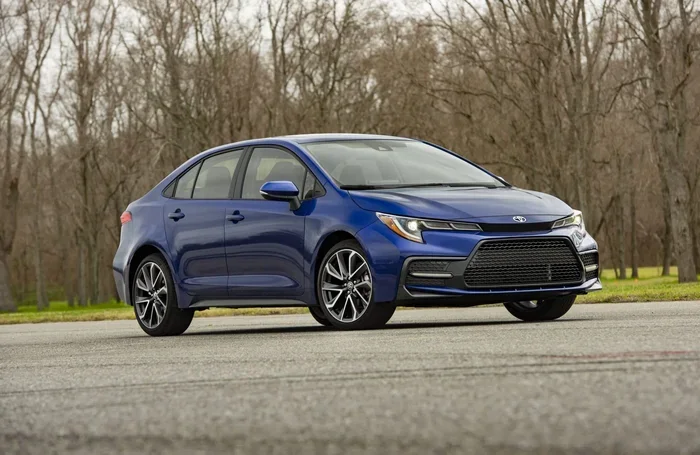
How Long Can a Toyota Corolla Last and Why It Matters
A Toyota Corolla can last well over 200,000 miles with regular maintenance and proper care. This beloved sedan is known for its reliability, low repair costs, and impressive longevity. In this guide, we break down the factors that determine how long a Toyota Corolla lasts and share practical tips to maximize its lifespan.
Key Takeaways
- Longevity: A well-maintained Toyota Corolla routinely surpasses 200,000 miles, and some owners reach 300,000 miles or more.
- Reliability: The Corolla consistently ranks among the most dependable sedans, thanks to simple engineering and proven powertrains.
- Maintenance Matters: Following the recommended maintenance schedule is the single biggest factor in extending your Corolla’s life.
- Best Years: Certain model years have fewer known issues, making them smarter long-term buys.
- Cost of Ownership: Lower repair costs and strong resale value make the Corolla one of the most affordable cars to own long-term.
📑 Table of Contents
- How Long Can a Toyota Corolla Last and Why It Matters
- What Determines How Long a Toyota Corolla Lasts
- Toyota Corolla Mileage Expectations by Generation
- Common Issues That Shorten a Toyota Corolla’s Life
- Maintenance Tips to Maximize Your Toyota Corolla’s Lifespan
- Why the Toyota Corolla Is One of the Most Reliable Cars Ever Made
- Real-World Examples of Toyota Corollas Reaching High Mileage
- Final Thoughts
How Long Can a Toyota Corolla Last and Why It Matters
When you buy a car, you want to know it will stick around. The Toyota Corolla has earned a reputation as one of the most durable sedans ever built. But exactly how long can a Toyota Corolla last? The short answer is impressive. With proper care, a Toyota Corolla can easily go 200,000 miles or more. Some dedicated owners have pushed their Corollas past 300,000 miles without major issues.
Understanding the lifespan of your vehicle helps you make smarter buying decisions. It also saves you money on repairs and keeps your daily commute worry-free. Whether you are buying a used Corolla or planning to keep your current one for years, this guide covers everything you need to know about Toyota Corolla longevity. We will look at what affects lifespan, which years to choose, and how to keep your car running strong for the long haul.
The Toyota Corolla is not just a car. It is a cultural icon. For decades, families, students, and commuters have trusted this compact sedan to get them where they need to go. Its simple design, affordable parts, and proven engineering make it a top choice for anyone who values reliability. Let us dive into the details of what makes the Corolla so long-lasting and how you can get the most out of yours.
What Determines How Long a Toyota Corolla Lasts
Several factors play a role in determining the lifespan of your Corolla. Some you control. Others depend on the car itself. Understanding these factors helps you set realistic expectations and take the right steps to protect your investment.
Driving Habits
How you drive matters more than you might think. Aggressive acceleration, hard braking, and speeding put extra stress on the engine, transmission, and brakes. A driver who stays within speed limits and accelerates gently will see far fewer mechanical issues over time. Short trips with frequent stop-and-go driving can also wear out components faster because the engine does not always reach optimal operating temperature.
On the other hand, highway driving is generally easier on a vehicle. The engine runs at a steady pace, and there is less strain on the transmission and brakes. If your daily commute involves long highway stretches, your Corolla will likely last longer than one used primarily for short city trips.
Maintenance Schedule
This is the big one. Regular maintenance is the backbone of any long-lasting vehicle. Skipping oil changes, ignoring check-engine lights, or postponing brake inspections can lead to small problems becoming major repairs. Toyota provides a clear maintenance schedule for every Corolla model year. Following it is the best thing you can do for your car.
Key maintenance tasks include oil changes every 5,000 to 7,500 miles, tire rotations every 5,000 miles, and brake pad inspections every 15,000 miles. Using the right Toyota Corolla oil also matters. For most models, 0W-20 synthetic oil is recommended, but always check your owner’s manual to be sure.
Climate and Environment
Where you live affects your car more than you might realize. Cars driven in salty coastal areas or harsh winter climates with road salt face higher risks of rust and corrosion. Extreme heat can also stress cooling systems and battery life. If you live in a region with tough weather, staying on top of rust prevention and cooling system flushes becomes even more important.
Cars kept in garages or covered parking tend to last longer. They face less exposure to UV damage, temperature swings, and road debris. Even a simple car cover can make a difference if garage parking is not an option.
Model Year and Generation
Not all Toyota Corollas are created equal. Some model years come with known issues, while others are practically bulletproof. Newer generations generally benefit from improved engineering, better materials, and more advanced safety features. Older models from the 1990s and early 2000s are still incredibly reliable, but they may need more frequent attention to aging components like seals, gaskets, and electrical systems.
Before buying a used Corolla, always research the specific model year. Look for common complaints and known recalls. This small step can save you from buying a car with hidden problems that shorten its lifespan.
Toyota Corolla Mileage Expectations by Generation
Toyota has built many generations of the Corolla, each with its own strengths. Here is a general breakdown of what you can expect from different eras of this popular sedan.
Early Generations (1970s-1980s)
The original Corollas were simple, lightweight machines built for efficiency. Many cars from this era are still on the road today, though they typically need more hands-on maintenance. Owners of vintage Corollas often report engines lasting well beyond 200,000 miles with consistent care. However, these older cars lack modern safety features and fuel injection technology.
Mid-Generations (1990s-2000s)
The 1990s and early 2000s Corollas are considered golden years for reliability. Models like the E110 and E120 generations are known for their bulletproof 4-cylinder engines. These cars routinely hit 250,000 miles with minimal issues. Parts are still widely available, and repairs are affordable. This is why many used car buyers seek out Corollas from this era.
One thing to watch for in older models is the timing belt. Most Corollas from this period use a timing belt that needs replacement every 60,000 to 100,000 miles. Neglecting this service can lead to catastrophic engine failure. Staying on top of this single repair can add years to your car’s life.
Modern Generations (2010s-Present)
Today’s Corollas benefit from decades of engineering improvements. The current generation features more durable materials, better fuel economy, and advanced driver-assistance systems. Modern Corollas are expected to last 200,000 to 300,000 miles with proper care. The addition of variable valve timing and improved engine designs has made these cars even more reliable than their predecessors.
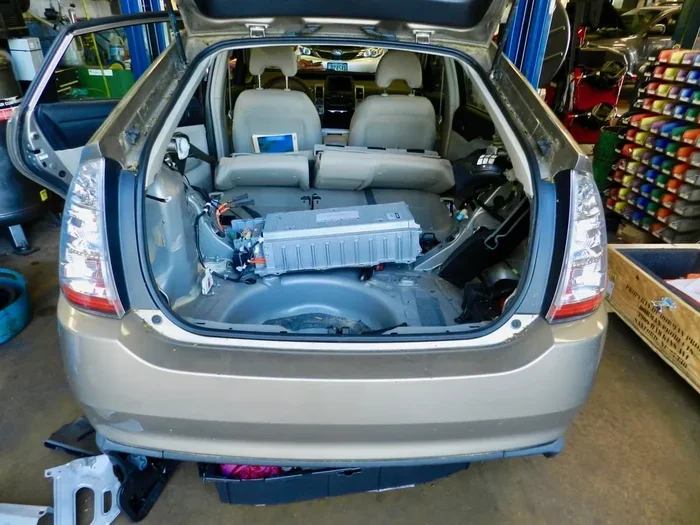
Toyota also offers the Corolla Hybrid in recent years. Hybrid systems add complexity, but Toyota’s hybrid technology is proven and long-lasting. The hybrid battery in a Corolla typically lasts 150,000 to 200,000 miles before needing replacement. For owners interested in fuel economy without sacrificing reliability, the hybrid version is an excellent choice.
Common Issues That Shorten a Toyota Corolla’s Life
Even the most reliable car can develop problems. Knowing what to watch for helps you catch issues early before they become expensive repairs. Here are the most common problems that can shorten a Toyota Corolla’s lifespan if left unaddressed.
- Oil leaks: Older Corollas may develop leaks from the valve cover gasket or oil pan gasket. Catching these early prevents engine damage from low oil levels.
- Transmission issues: Some earlier generations experienced transmission wear, especially if the fluid was never changed. Regular transmission fluid changes can prevent this.
- Rust and corrosion: As mentioned, environmental factors play a big role. Undercarriage rust can compromise structural integrity over time.
- Suspension wear: Worn shocks, struts, and bushings affect ride quality and safety. Replacing these components is relatively affordable but often overlooked.
- Electrical gremlins: Older Corollas may develop issues with wiring, sensors, or the instrument cluster. These are usually minor but can be frustrating.
The key takeaway is simple. Most of these issues become serious only when they are ignored. A small oil leak today can turn into a rebuilt engine tomorrow. Staying proactive with inspections keeps your Corolla healthy for the long run.
Maintenance Tips to Maximize Your Toyota Corolla’s Lifespan
Want your Corolla to last as long as possible? Follow these practical tips. They are easy to implement and make a real difference over time.
Stick to the Maintenance Schedule
Toyota provides a detailed maintenance schedule in every owner’s manual. Follow it to the letter. Do not skip oil changes, even if you think the car looks fine. Do not ignore warning lights on the dashboard. Each service interval exists for a reason, and skipping them is the fastest way to shorten your car’s life.
Use Quality Parts and Fluids
Cheap aftermarket parts might save a few dollars upfront, but they often wear out faster and can cause additional problems. Use OEM Toyota parts or high-quality aftermarket alternatives. The same goes for fluids. Use the recommended oil, coolant, and transmission fluid specified in your owner’s manual.
Drive Gently
You do not need to drive like you are in a parade, but smooth driving goes a long way. Accelerate gradually, brake early, and avoid sudden steering inputs. This reduces wear on brakes, tires, and the drivetrain. Your wallet will thank you too, since gentle driving also improves fuel economy.
Keep It Clean
Regular washing removes salt, dirt, and debris that can cause rust and corrosion. Pay special attention to the undercarriage during winter months. Clean interior maintenance also prevents wear on seats, dashboards, and carpeting, which helps maintain resale value.
Address Problems Immediately
Do not wait for a small noise to become a big noise. If something sounds off, feels different, or looks wrong, get it checked. Early diagnosis of problems almost always means cheaper repairs and less downtime.
Why the Toyota Corolla Is One of the Most Reliable Cars Ever Made
The Toyota Corolla has won countless reliability awards over the decades. Organizations like J.D. Power and Consumer Reports consistently rank it among the top vehicles in its class. But what makes it so dependable? The answer lies in Toyota’s engineering philosophy.
Toyota designs the Corolla with simplicity in mind. Fewer moving parts means fewer things that can break. The engines are proven designs refined over decades of production. The transmissions are robust and well-matched to the powertrain. Even the electronics are kept straightforward, reducing the chance of expensive electrical failures.
Another factor is parts availability. Because the Corolla is one of the best-selling cars in the world, parts are everywhere. You can find OEM and aftermarket components at almost any auto parts store. This keeps repair costs low and turnaround times short. Compare this to a luxury brand or a niche model, where parts might take weeks to arrive and cost significantly more.
The Corolla also benefits from Toyota’s global dealer network. Whether you live in a major city or a rural area, finding a Toyota service center is easy. This convenience means you are more likely to stay on top of maintenance, which directly contributes to the car’s longevity.
For those wondering about long-term ownership, the Toyota Corolla compares favorably to competitors like the Honda Civic and Mazda3. While all three are reliable, the Corolla’s combination of low ownership costs, widespread service availability, and proven durability gives it an edge for buyers who want to keep their car for a very long time.
Some owners wonder whether they should take their Corolla to any dealership for service. The answer is generally yes for Toyota models, as Toyota dealerships accept all Toyota vehicles for service regardless of where the car was originally purchased. This is a great advantage for owners who move or who buy used Corollas from out of state.
Real-World Examples of Toyota Corollas Reaching High Mileage
Numbers on paper are one thing. Real-world examples bring the story to life. There are countless stories online of Corolla owners reaching 300,000 miles or more. One common theme in these stories is consistency. These owners did not make any special modifications or perform miracles. They simply followed the maintenance schedule, drove responsibly, and addressed problems as they came up.
Some owners have reported their 2000s-era Corollas crossing the 250,000-mile mark with only routine maintenance. Others have kept their 2010s models running strong past 200,000 miles with minimal repairs beyond normal wear items like brakes and tires.
These real-world examples prove that a Toyota Corolla is built to last. The car is not magic. It simply responds well to proper care and attention. If you treat your Corolla well, it will reward you with years of dependable service.
For those interested in comparing Toyota longevity across different models, you might also enjoy reading about whether Toyota vehicles can reach 500,000 miles. The principles are the same: consistent maintenance, gentle driving, and prompt repairs.
Final Thoughts
So, how long can a Toyota Corolla last? The answer is clear. A Toyota Corolla can last 200,000 miles or more, and many examples push well past 300,000 miles. The key is consistent maintenance, smart driving habits, and prompt attention to any issues that arise.
The Corolla is not just a reliable car. It is a smart financial choice. Low repair costs, strong resale value, and widely available parts make it one of the best vehicles for long-term ownership. Whether you are a first-time car buyer or a seasoned owner looking for your next daily driver, the Toyota Corolla deserves serious consideration.
Take care of your Corolla, and it will take care of you. Follow the maintenance schedule, drive with care, and enjoy the peace of mind that comes with owning one of the most trusted sedans on the road. Your future self will thank you every time you turn the key and hear that engine start without a hitch.
Frequently Asked Questions
What is the average lifespan of a Toyota Corolla?
A well-maintained Toyota Corolla typically lasts between 200,000 and 300,000 miles. Some owners have even exceeded 300,000 miles with consistent care and timely repairs. The average lifespan depends heavily on maintenance habits, driving conditions, and the specific model year.
What is the highest mileage recorded on a Toyota Corolla?
The highest recorded mileage on a Toyota Corolla exceeds 300,000 miles. These examples are from dedicated owners who followed strict maintenance schedules and drove gently. While most owners will not reach this exact figure, hitting 200,000 miles is very achievable with proper care.
Is a Toyota Corolla a good car to keep for a long time?
Absolutely. The Corolla is one of the best cars for long-term ownership. Its simple engineering, affordable parts, and proven reliability make it ideal for anyone who wants to keep a vehicle for many years without breaking the bank on repairs.
How often should I service my Toyota Corolla to ensure longevity?
Follow the maintenance schedule in your owner’s manual. Typically, this means an oil change every 5,000 to 7,500 miles, a tire rotation every 5,000 miles, and a full inspection annually. Staying current with these services is the single best way to maximize your Corolla’s lifespan.
Are older Toyota Corollas more reliable than newer ones?
Older Corollas from the 1990s and early 2000s are known for their simplicity and durability. Newer models benefit from improved technology and materials. Both can last a very long time. The difference is that older models may need more frequent attention to aging components, while newer models offer more advanced features and better fuel economy.
Can poor maintenance shorten a Toyota Corolla’s life?
Yes, skipping maintenance is the fastest way to shorten any car’s lifespan. Neglected oil changes, ignored fluid flushes, and postponed brake inspections can lead to serious engine and transmission damage. Staying on top of maintenance keeps your Corolla running strong for hundreds of thousands of miles.