How Long Do Maseratis Last The Real Truth Revealed
Maseratis can last 150,000 to 200,000 miles with proper care, but their true lifespan depends heavily on maintenance, driving habits, and model. Luxury Italian engineering delivers thrilling performance, yet ownership costs are significantly higher than mainstream brands. Understanding what to expect helps you make a smart buying decision.
Maseratis turn heads everywhere they go. The sleek Italian design, the throaty engine roar, the feeling of pure luxury — it is hard not to fall in love with one. But if you are considering buying a Maserati, a big question probably keeps you up at night. How long do Maseratis actually last? The answer might surprise you. Unlike Toyota or Honda vehicles that easily cross the 300,000-mile mark, Maseratis have a different story. But that does not mean they are disposable. With the right care, a Maserati can serve you well for many years.
The truth about Maserati longevity is not simple. It depends on the model, how you drive, how often you service it, and even where you live. Some owners report their Maseratis lasting well over 200,000 miles. Others see major problems emerge before the 100,000-mile mark. What separates these two experiences? Maintenance and expectations. This guide breaks down everything you need to know about Maserati lifespan, from engine durability to common repairs and ownership costs.
Key Takeaways
- Average Lifespan: A well-maintained Maserati can reach 150,000 to 200,000 miles, with some models going beyond that.
- Maintenance Is Critical: Regular servicing at authorized centers dramatically extends a Maserati’s life.
- Repair Costs Are High: Parts and labor for Maseratis cost significantly more than for mainstream vehicles.
- Model Matters: Newer models like the Grecale and Levante tend to be more reliable than older ones.
- Warranty Helps: Maserati’s factory warranty covers significant repairs, but extended coverage is worth considering.
- Depreciation Is Steep: Maseratis lose value faster than Toyota or Honda equivalents.
- Driving Habits Count: Gentle warm-ups and proper driving extend engine and component life.
📑 Table of Contents
- How Long Do Maseratis Last: The Real Numbers
- Why Maseratis Need More Attention Than Mainstream Cars
- The Real Cost of Owning a Maserati
- How to Make Your Maserati Last Longer
- Maserati Warranty and Extended Coverage
- Common Mistakes That Shorten a Maserati’s Life
- How Maserati Compares to Other Luxury Brands
- Is a Maserati Worth It for Long-Term Ownership?
- The Bottom Line
How Long Do Maseratis Last: The Real Numbers
When people ask about Maserati lifespan, they usually want a single number. The honest answer is that it varies. Most Maseratis last between 150,000 and 200,000 miles with proper maintenance. Some well-cared-for models push past 250,000 miles, but this is less common. Compare this to vehicles from brands known for longevity, like Toyota Camry, which routinely hit 300,000 miles or more, and the gap becomes clear.
However, longevity is not just about mileage. It is also about years. A Maserati that sits in a garage for months at a time may develop problems even with low mileage. The seals dry out. The battery dies. Fluids degrade. So a Maserati that is driven regularly and maintained properly will almost always outlast one that sits unused.
Average Lifespan by Model
Not all Maseratis are created equal. Different models have different engines, different parts, and different reliability records. Here is a quick look at what you can expect from popular Maserati models:
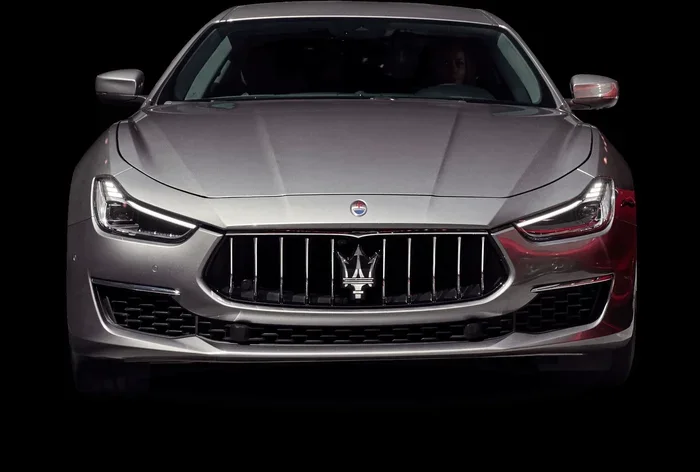
- Maserati Ghibli: 150,000 to 200,000 miles with regular servicing.
- Maserati Quattroporte: 150,000 to 220,000 miles depending on maintenance history.
- Maserati Levante: 150,000 to 200,000 miles, with SUV durability factors.
- Maserati GranTurismo: 150,000 to 250,000 miles, especially with V8 models.
- Maserati MC20: Newer model, so long-term data is still limited.
The newer models, like the Grecale and MC20, have not been around long enough to build a solid long-term reliability track record. But Maserati has made significant improvements in quality control over the past decade. Earlier models from the 2000s and 2010s were notorious for electrical gremlins and premature wear. Today’s Maseratis are a different beast.
Why Maseratis Need More Attention Than Mainstream Cars
Let us be real. A Maserati is not a daily driver for most people. It is a luxury sports car or grand tourer that demands attention. The engineering is exotic. The parts are specialized. And the mechanics who work on them charge premium rates. All of this adds up to a vehicle that needs more care than a Toyota or a Honda.
Engine and Powertrain Durability
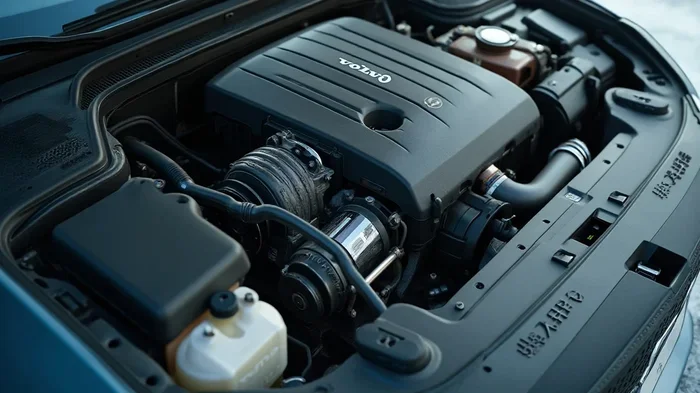
Maserati engines are works of art. The twin-turbo V6 in the Ghibli and the V8 in the GranTurismo are powerful and exciting. But they are also complex. Turbochargers, direct injection systems, and variable valve timing all create more points of potential failure. These engines respond beautifully to regular oil changes and proper warm-up routines.
The key to engine longevity is following the service schedule to the letter. Maserati recommends oil changes every 7,500 to 10,000 miles, but many experts suggest doing it every 5,000 miles for optimal protection. The oil does more than just lubricate. It cools the turbochargers and cleans combustion deposits. Skipping oil changes is the fastest way to shorten a Maserati engine’s life.
Transmission and Drivetrain Concerns
Most modern Maseratis use ZF eight-speed automatic transmissions. These are generally reliable, but they need fluid changes at regular intervals. The transmission fluid degrades over time, especially in stop-and-go city driving. Neglecting this service can lead to rough shifting, delayed engagement, or complete transmission failure.
For rear-wheel-drive models, the differential also needs periodic fluid replacement. This is a small detail that many owners overlook, but it makes a huge difference in long-term drivetrain health.
The Real Cost of Owning a Maserati
Here is where the dream meets reality. Owning a Maserati is expensive. We are not just talking about the purchase price, which starts around $75,000 for the Ghibli and goes well over $100,000 for the Quattroporte or Levante. The ongoing costs are where things get serious.
Routine Maintenance Costs
A standard oil change for a Maserati costs between $350 and $500 at a dealership. A full service interval, which includes brake inspections, fluid top-offs, and diagnostic checks, can run $800 to $1,500. Compare this to a mainstream vehicle where an oil change might cost $50 to $100.
Annual maintenance costs for a Maserati typically range from $1,200 to $2,500. This is significantly higher than the $500 to $1,000 range for most non-luxury vehicles. The difference comes from specialized parts, dealer labor rates, and the complexity of the systems involved.
Major Repair Costs to Expect
As Maseratis age, certain repairs become almost inevitable. Here are some of the most common expensive repairs:
- Turbo Replacement: $2,000 to $4,000 per turbo.
- Clutch Replacement (manual models): $1,500 to $3,000.
- Suspension Components: Air suspension repairs can cost $1,000 to $2,500 per corner.
- Electrical Issues: Infotainment and sensor failures can range from $500 to $2,000.
- Brake System: High-performance brake jobs run $800 to $1,500 per axle.
These numbers sound scary, but they become manageable when you plan for them. Setting aside money each month for future repairs is a smart strategy for any luxury car owner.
Insurance and Depreciation
Insurance premiums for Maseratis run higher than average. Sports luxury cars are more expensive to repair and more likely to be targeted for theft. If you are financing a Maserati, gap insurance becomes important. Unlike standard vehicles that hold their value better, Maseratis depreciate quickly. A new Maserati can lose 30 to 40 percent of its value in the first three years.
Buying a used Maserati, perhaps one that is three to five years old, can be a smarter financial move. You avoid the steepest depreciation hit and still get to enjoy the luxury and performance that Maserati offers.
How to Make Your Maserati Last Longer
The good news is that you have real control over how long your Maserati lasts. Following a few proven strategies can add years to your vehicle’s life and thousands of miles to its odometer.
Stick to the Service Schedule
This is the single most important thing you can do. Maserati’s recommended service intervals exist for a reason. Every service point addresses a specific wear item or fluid that degrades over time. Missing services creates a cascade of problems that compound over time.
Keep detailed records of every service visit. When it comes time to sell, a full service history dramatically increases resale value. Buyers trust documented maintenance far more than a car that looks clean on the outside but has a murky past.
Drive with Care
Maseratis are built to be driven hard, but constant hard driving takes a toll. Aggressive acceleration, hard braking, and track days all stress the engine, transmission, and brakes. You do not need to drive like you are in a parade, but treating your Maserati with respect goes a long way.
Let the engine warm up for 30 to 60 seconds before driving hard. This allows the oil to reach all the critical components. In cold weather, give it extra time. The oil thickens in low temperatures and needs a moment to circulate properly.
Store It Properly
If you are not driving your Maserati regularly, proper storage is essential. Keep it in a climate-controlled garage. Use a battery maintainer to prevent the battery from dying. Inflate tires to the recommended pressure and move the car slightly every few weeks to prevent flat spots on the tires.
Fuel stabilizer is also worth considering if the car will sit for more than a month. Old fuel can gum up the fuel system and cause starting problems. These small steps prevent costly repairs down the road.
Use Genuine Parts and Qualified Mechanics
Aftermarket parts might save money upfront, but they can cause compatibility issues and reduce reliability. Maserati-specific parts are engineered to work with the vehicle’s systems. When you need repairs done outside the dealership, choose a mechanic who has specific experience with Maseratis. General mechanics often lack the specialized tools and diagnostic equipment that these vehicles require.
Maserati Warranty and Extended Coverage
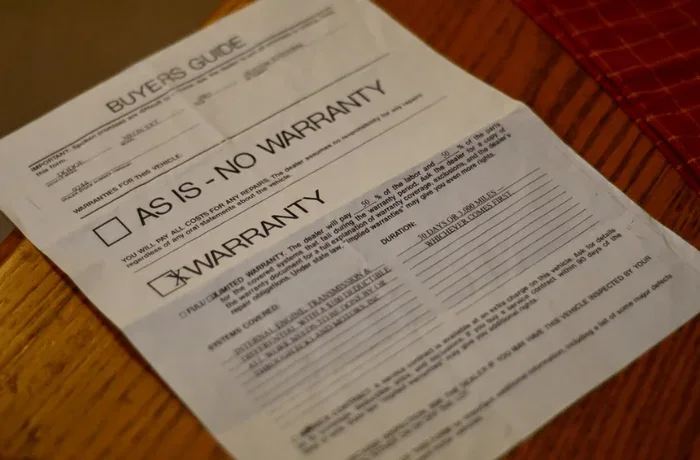
Every new Maserati comes with a factory warranty. The basic warranty covers most repairs for the first three years or 36,000 miles, whichever comes first. The powertrain warranty extends to four years or 50,000 miles. Roadside assistance is included for the same period.
These warranties cover a lot, but they do not last forever. Once the warranty expires, you are responsible for all repair costs. This is where extended warranties become attractive. Maserati offers certified pre-owned programs that include warranty coverage for used vehicles, which can provide peace of mind.
Before purchasing an extended warranty, read the fine print carefully. Some plans cover only specific components. Others have high deductibles or exclude certain common failure points. A reputable dealership will be transparent about what is and is not covered.
Common Mistakes That Shorten a Maserati’s Life
Even the best Maserati can be shortened by poor ownership habits. Here are the most common mistakes that owners make:
- Skipping oil changes: This is the number one killer of engines. Dirty oil loses its lubricating properties and causes increased wear.
- Ignoring warning lights: Maseratis are equipped with sophisticated diagnostic systems. When a warning light comes on, address it promptly. Small problems become big expenses fast.
- Using low-quality fuel: Maserati engines are tuned for premium fuel. Using lower octane fuel can cause knocking, reduced performance, and long-term engine damage.
- Neglecting coolant system maintenance: The cooling system prevents overheating. Old coolant loses its effectiveness and can lead to expensive engine repairs.
- Driving on worn tires: Maseratis are heavy and powerful. Worn tires reduce handling, braking, and safety. Replace them when the tread wears thin.
- Skipping brake inspections: High-performance brakes are essential for a car this heavy and fast. Regular inspections prevent costly damage to rotors and calipers.
How Maserati Compares to Other Luxury Brands
Maserati sits in a unique spot in the luxury car market. It is more affordable than Ferrari or Lamborghini, but it does not have the same reliability reputation as Porsche or Lexus. Let us look at how it compares.
Porsche vehicles are known for lasting well beyond 200,000 miles with proper care. Lexus, the luxury division of Toyota, is arguably the most reliable luxury brand on the market. Maserati falls somewhere in between. It offers more drama and excitement than a Lexus, but it demands more from its owner in terms of maintenance and attention.
If long-term reliability is your top priority, a Lexus SUV might be a better choice. If driving thrill and Italian style matter more to you, Maserati delivers in ways that no other brand can match. The key is knowing what you are signing up for before you buy.
Is a Maserati Worth It for Long-Term Ownership?
The answer depends on what you value. If you love the driving experience, the design, and the prestige of owning an Italian luxury car, then yes, a Maserati can be worth it for the long term. But you need to approach ownership with open eyes and a realistic budget.
Budget at least $3,000 to $5,000 per year for maintenance and repairs if you plan to keep the car long-term. Factor in higher insurance costs. And accept that the car will lose value over time. If you can afford all of this and still enjoy every drive, a Maserati is a rewarding choice.
On the other hand, if you want a luxury car that is low-maintenance and holds its value well, you might want to explore other options. Brands like Lexus and Porsche offer luxury experiences with better long-term ownership economics.
The Bottom Line
Maseratis can last 150,000 to 200,000 miles and beyond with proper care, but they require more attention than mainstream vehicles. The thrill of owning an Italian luxury sports car comes with real responsibilities. Regular maintenance, careful driving, and smart financial planning are the keys to a long and satisfying Maserati ownership experience.
Do your research before buying. Understand the costs. Find a trusted mechanic who knows these cars inside and out. And most importantly, enjoy every mile. A Maserati is not just transportation. It is an experience that rewards those who give it the care and respect it deserves.
Frequently Asked Questions
What is the average lifespan of a Maserati?
Most Maseratis last between 150,000 and 200,000 miles with regular maintenance. Some models, especially well-cared-for V8 variants, can exceed 250,000 miles. The key factor is consistent, high-quality maintenance throughout the vehicle’s life.
Are Maseratis expensive to maintain?
Yes, Maseratis are significantly more expensive to maintain than mainstream vehicles. Annual maintenance costs typically range from $1,200 to $2,500. Major repairs, especially involving turbos or suspension components, can cost thousands of dollars. However, these costs are manageable with proper budgeting.
Which Maserati model lasts the longest?
The Maserati GranTurismo tends to have the longest lifespan thanks to its robust V8 engine and solid construction. The Quattroporte also performs well in longevity tests. Newer models like the Grecale and Levante have not been around long enough for definitive long-term data, but early reports are promising.
Can a Maserati last 300,000 miles?
It is rare but possible for a Maserati to reach 300,000 miles. This requires exceptional maintenance, gentle driving habits, and a bit of luck with major components. Most owners will see their Maserati last 150,000 to 200,000 miles before major rebuilds become necessary.
Should I buy a new or used Maserati for longevity?
Buying a used Maserati that is three to five years old often makes more sense for long-term ownership. You avoid the steepest depreciation, the initial break-in period is complete, and the purchase price is significantly lower. Just make sure to get a full vehicle history report and a pre-purchase inspection.
How often should I service my Maserati?
Maserati recommends servicing every 7,500 to 10,000 miles or once a year, whichever comes first. Many experts suggest more frequent service at 5,000-mile intervals for optimal engine protection. Always use the recommended synthetic oil and genuine Maserati parts for best results.
=== CONCLUSION ===
How long do Maseratis last? The real answer is that they can last a long time, but only if you treat them right. These Italian machines reward attentive owners with decades of driving pleasure. The upfront costs are higher than mainstream alternatives, and the maintenance demands are greater. But for those who love the Maserati experience, the trade-off is more than worth it. Plan your budget, follow the service schedule, and enjoy the journey. Your Maserati will thank you with miles of thrilling performance and timeless Italian style.