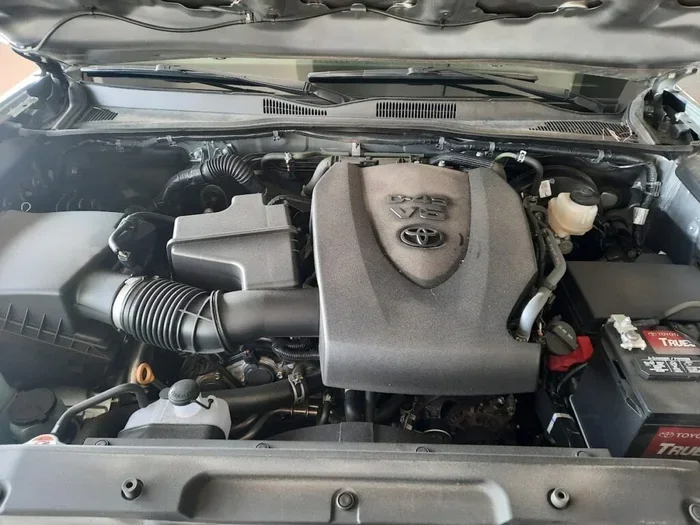
How Long Does Synthetic Oil Last in a Toyota Camry
How long does synthetic oil last in a Toyota Camry? Most Toyota Camrys can go between 7,500 and 10,000 miles between synthetic oil changes, depending on driving habits and conditions. Using synthetic oil in your Camry provides better engine protection, improved fuel efficiency, and longer intervals between changes compared to conventional oil. Following the Toyota maintenance schedule and paying attention to your oil life indicator will keep your engine running smoothly for hundreds of thousands of miles.
Owning a Toyota Camry comes with a lot of perks. These cars are known for reliability, smooth rides, and long lifespans. But one thing many Camry owners overlook is oil maintenance. The question of how long synthetic oil lasts in a Toyota Camry comes up more often than you might think. And the answer is not as simple as a single number on a sticker.
Synthetic oil has changed the game for engine care. It flows better in cold weather, handles high temperatures more gracefully, and protects internal engine parts far better than older conventional oils. But even the best synthetic motor oil does not last forever. Knowing when to change it can mean the difference between a Camry that runs for 300,000 miles and one that develops engine problems way too early.
In this guide, we will walk through everything you need to know about synthetic oil change intervals for the Toyota Camry. We will cover how the oil life monitoring system works, what signs tell you the oil is worn out, and practical steps you can take to get the most miles out of every oil change. Whether you drive a 2012 Camry or a brand-new 2024 model, this article has you covered.
Key Takeaways
- Synthetic oil lasts 7,500 to 10,000 miles in most Toyota Camry models under normal driving conditions.
- Toyota recommends synthetic oil for most newer Camry models because it offers superior engine protection and thermal stability.
- Your oil life monitoring system tracks driving conditions and alerts you when it is time for an oil filter replacement and oil change.
- Hard driving, extreme temperatures, and short trips can reduce the synthetic motor oil lifespan significantly.
- Checking your oil level regularly and watching for warning signs like dark color or burning smell helps catch problems early.
- Replacing oil on time is one of the cheapest ways to protect your Camry engine and avoid costly repairs down the road.
📑 Table of Contents
- What Is Synthetic Oil and Why Does It Matter for Your Camry?
- How Long Does Synthetic Oil Last in a Toyota Camry?
- Signs Your Synthetic Oil Needs Changing
- How Oil Life Monitoring Systems Work in Toyota Camrys
- Tips to Extend the Life of Synthetic Oil in Your Camry
- Common Mistakes Toyota Camry Owners Make with Oil Changes
- How Long Can a Well-Maintained Camry Engine Last?
What Is Synthetic Oil and Why Does It Matter for Your Camry?
Before we dive into timelines, it helps to understand what synthetic oil actually is and why Toyota trusts it in modern Camrys.
What Makes Synthetic Oil Different
Conventional oil comes from crude oil pulled from the ground. It contains a mix of natural molecules that vary in size and shape. This inconsistency can lead to more friction and wear inside your engine over time.
Synthetic oil, on the other hand, is engineered in a lab. The molecules are uniform, which means the oil flows more smoothly and protects engine parts more evenly. Think of it like the difference between a hand-stitched glove and a factory-made one. Both work, but one is built with more precision.
For the Toyota Camry, this precision matters a lot. The Camry engine is designed to run with Toyota recommended oil that meets specific viscosity and performance standards. Synthetic oil meets those standards more consistently than conventional alternatives.
Why Toyota Recommends Synthetic Oil
Toyota switched to recommending synthetic oil for most of its newer models for several important reasons:
- Better thermal resistance: Synthetic oil breaks down less when exposed to high engine temperatures.
- Improved cold-start performance: It flows quickly to engine parts even in freezing weather.
- Longer synthetic oil change interval: You can go longer between changes without sacrificing protection.
- Reduced sludge buildup: Synthetic oil resists the formation of harmful deposits inside the engine.
- Better fuel economy: Less friction means your Camry engine does not work as hard, which can improve miles per gallon.
All of these benefits add up to a healthier engine over time. And a healthier engine means fewer repair bills and a car that can a Camry last 500k miles with proper care. The oil change frequency you choose plays a huge role in that outcome.
How Long Does Synthetic Oil Last in a Toyota Camry?
Now let us get to the heart of the matter. The synthetic oil lifespan in a Toyota Camry depends on several factors, but there are clear guidelines to follow.
General Oil Change Intervals for the Camry
For most Toyota Camry models from 2012 onward, Toyota recommends changing synthetic oil every 7,500 to 10,000 miles under normal driving conditions. This is a significant jump from the old standard of every 3,000 or 5,000 miles that many drivers grew up with.
Here is a quick breakdown of typical intervals by model year:
- 2012-2017 Camry: 7,500 to 10,000 miles with synthetic oil
- 2018-2024 Camry: 10,000 miles or 12 months, whichever comes first
- Older models (pre-2012): 5,000 to 7,500 miles, depending on the oil type used
These numbers assume you are using the correct oil viscosity grade, which for most Camrys is 0W-20 or 5W-30. Always check your owner’s manual to confirm the right grade for your specific model year.
Factors That Affect Oil Life
The mileage numbers above are based on normal driving conditions. But what counts as “normal”? And what happens when your driving is anything but normal?
Several factors can shorten or extend the life of your engine oil:
- Driving habits: Frequent hard acceleration and high-speed driving put more stress on the oil.
- Temperature extremes: Very hot or very cold climates can cause oil quality degradation faster.
- Short trips: If you only drive 3 to 5 miles at a time, the oil never fully reaches operating temperature. This leads to moisture and fuel dilution.
- Towing or heavy loads: Extra weight makes the engine work harder, which heats up the oil more.
- Dusty or dirty roads: Particulate matter can contaminate the oil faster than usual.
If any of these apply to your driving routine, you may want to shorten your mileage-based oil change interval by 20 to 30 percent. It is a small cost for big engine protection.
Mileage vs. Time: The Often-Forgotten Factor
Here is something many Camry owners miss. Even if you do not drive many miles, synthetic oil still needs to be changed on a time basis. Toyota generally recommends changing oil every 12 months at minimum, regardless of mileage.
Over time, oil absorbs moisture from the air, loses its additives, and becomes less effective at protecting engine surfaces. So if you only drive 3,000 miles a year but have not changed the oil in 14 months, it is time for a change.
Signs Your Synthetic Oil Needs Changing
Even with a Toyota maintenance schedule in hand, it helps to know the physical signs that your oil is wearing out. Your Camry will tell you if you pay attention.
Visual and Physical Indicators
The easiest way to check your oil condition is by using the dipstick. Pull it out and look at the oil on the tip. Fresh synthetic oil should be amber or golden in color. As it degrades, it turns dark brown or black.
Other visual signs to watch for include:
- Gritty texture on the dipstick, which indicates contaminant buildup
- Low oil level that drops faster than normal between changes
- Burnt or sharp smell coming from the engine area
- Dark, sludgy deposits around the oil cap or drain plug
If you notice any of these, do not wait for the next scheduled change. Get the oil changed soon to protect your engine.
Performance Changes to Watch For
Worn oil does not just look different. It affects how your Camry feels on the road. Common performance changes include:
- Reduced fuel economy: Degraded oil creates more friction, forcing the engine to work harder
- Engine noise: You may hear knocking or ticking sounds, especially on cold starts
- Reduced power: The engine may feel sluggish during acceleration
- Overheating: Old oil loses its ability to absorb and transfer heat effectively
These symptoms can also point to other problems, so it is always a good idea to get a professional diagnosis if you notice anything unusual. But in many cases, a simple oil filter replacement and fresh oil solve the problem entirely.
When the Oil Life Indicator Alerts You
Modern Toyota Camrys come equipped with an oil life monitoring system. This system tracks your driving patterns and calculates when the oil needs to be replaced. When the indicator drops to a certain level, your dashboard will display a maintenance reminder.
Do not ignore this warning. The system is designed to give you a precise estimate based on your actual driving conditions, which is far more accurate than a fixed mileage schedule alone.
How Oil Life Monitoring Systems Work in Toyota Camrys
The oil life monitoring system in a Toyota Camry is smarter than a simple mileage counter. It uses algorithms to track several driving factors and estimate when the oil is truly spent.
The Science Behind Oil Life Monitors
Toyota’s system tracks things like:
- Engine revolutions and running time
- Temperature cycles the oil experiences during driving
- Idle time and low-speed driving patterns
- Cold starts and their frequency
- Load conditions such as towing or carrying heavy cargo
By analyzing all of these inputs, the system estimates the remaining useful life of the oil. This is why two Camrys with the same mileage might show different oil life percentages if their owners drive in very different conditions.
How to Reset the Oil Life System
After every oil change, you need to reset the oil life indicator so the system can start tracking fresh oil. The process varies slightly by model year, but generally follows these steps:
- Turn the ignition to the ON position without starting the engine
- Press the odometer/trip button until the odometer shows TRIP A
- Turn the ignition OFF, then back to ON
- Press and hold the trip button until the display shows “RESET” or “100%”
- Release the button and the system is now reset
If you are unsure about the exact steps for your model year, the owner’s manual has detailed instructions. You can also learn more about how can I reset my oil life through additional resources that walk you through the process step by step.
When to Trust the System vs. Manual Checks
The oil life monitoring system is a great tool, but it is not perfect. It works best when you keep up with regular oil filter replacement and use quality synthetic oil. If you ever doubt the system’s reading, you can always check the oil yourself with the dipstick or bring the car to a trusted mechanic for a professional assessment.
Tips to Extend the Life of Synthetic Oil in Your Camry
Want to get the most out of every oil change? A few smart habits can help your synthetic oil last longer and protect your engine more effectively.
Driving Habits That Protect Your Oil
How you drive has a direct impact on oil life. Here are some habits that help:
- Warm up the engine gently: Avoid slamming the accelerator right after starting. Let the oil flow and reach all engine parts before pushing hard.
- Avoid excessive idling: Long idling periods can cause fuel dilution in the oil, reducing its effectiveness.
- Drive at steady speeds: Highway cruising at consistent speeds is easier on oil than constant stop-and-go traffic.
- Reduce short trips: If possible, combine errands into longer trips so the engine reaches full operating temperature.
These small changes add up and help maintain the oil quality degradation resistance that makes synthetic oil so valuable in the first place.
Regular Maintenance Practices
Beyond driving habits, regular maintenance keeps your oil system working at its best:
- Check oil level monthly: A quick dipstick check takes 30 seconds and can catch leaks or burning issues early.
- Replace the oil filter every change: A clogged filter restricts oil flow and reduces engine protection.
- Use genuine Toyota or OEM-equivalent oil: These oils are formulated to work perfectly with Camry engines.
- Keep records of every oil change: Tracking your maintenance helps you spot patterns and stay on schedule.
Building a solid how do I create a maintenance schedule is one of the best things you can do for your Camry. A written or digital schedule keeps you accountable and ensures nothing important slips through the cracks.
Quick Tips for Busy Camry Owners
Not everyone has time for detailed maintenance routines. Here are a few quick wins:
- Set a phone reminder for your next oil change due date
- Keep a log in your glove box with the date and mileage of each oil change
- Ask your mechanic to check the oil condition during every visit
- Use a quality oil additive only if recommended by Toyota for your specific model
Common Mistakes Toyota Camry Owners Make with Oil Changes
Even well-meaning Camry owners sometimes make oil change mistakes that can shorten engine life. Here are the most common ones to avoid.
Waiting Too Long Between Changes
This is the number one mistake. Some drivers see the 10,000-mile recommendation and push it to 12,000 or even 15,000 miles. While synthetic oil is more durable, it still degrades over time and distance. Pushing past the recommended interval means the oil loses its ability to lubricate, cool, and clean the engine properly.
The cost of an oil change is a fraction of what an engine rebuild would cost. Staying on schedule is always the smarter choice.
Ignoring Warning Signs
Dashboard lights, unusual engine noises, and changes in oil color are all warning signs. Ignoring them because “the car still runs fine” is a risky approach. By the time you feel a serious problem, the damage may already be done.
Your Camry has been designed to warn you early. Trust those signals and address them promptly.
Using the Wrong Oil Grade
Not all oils are the same. Using the wrong oil viscosity can lead to poor lubrication, reduced fuel economy, and increased engine wear. Always use the grade specified in your Camry’s owner manual. For most modern Camrys, that means 0W-20 synthetic oil.
Also, avoid mixing conventional and synthetic oil unless absolutely necessary in an emergency. While it will not destroy your engine immediately, it dilutes the benefits of the synthetic oil and reduces its overall effectiveness.
Skipping the Oil Filter
Some budget-minded owners try to save money by reusing old oil filters or skipping them entirely. This is a false economy. The oil filter catches contaminants, metal particles, and sludge that would otherwise circulate through your engine. A clogged or old filter defeats the purpose of fresh synthetic oil.
Always pair every oil change with a new, high-quality oil filter. It is a small investment with a big payoff.
How Long Can a Well-Maintained Camry Engine Last?
Here is the big picture. A Toyota Camry that receives regular synthetic oil changes, timely oil filter replacement, and consistent maintenance can easily surpass 250,000 to 300,000 miles. Some well-cared-for Camrys have been known to reach 500,000 miles or more.
The synthetic oil change interval you follow is one of the biggest factors in that equation. Fresh oil keeps the engine internals clean, reduces friction, and prevents the heat buildup that causes premature wear. Combined with other routine maintenance like spark plug replacements, transmission fluid changes, and coolant flushes, proper oil care sets the foundation for a long-lasting Camry.
If you want to learn more about Camry longevity and what it takes to push a Camry past the 300,000-mile mark, check out our detailed guide on can a Camry last 500k miles for in-depth insights and real-world examples from Camry owners.
The bottom line is simple: how long does synthetic oil last in a Toyota Camry depends largely on how well you take care of it. Follow the recommended intervals, pay attention to your car’s signals, and your Camry will reward you with years of reliable service.
Taking care of your Camry’s oil is one of the easiest and most affordable ways to protect your investment. Set a reminder, mark your calendar, and never skip an oil change. Your future self and your engine will thank you.
Frequently Asked Questions
Can I go longer than 10,000 miles between synthetic oil changes in my Camry?
Toyota’s recommended interval for most newer Camrys is 10,000 miles under normal conditions. Going significantly beyond this can reduce engine protection and void your warranty if you are still covered. Stick to the manufacturer’s guidelines for the best results.
What happens if I use conventional oil instead of synthetic in my Camry?
Older Camry models can run on conventional oil, but newer models are designed for synthetic. Using conventional oil in a Camry that requires synthetic may lead to faster oil quality degradation, reduced fuel economy, and shorter intervals between changes. Always check your owner’s manual for the recommended oil type.
How do I know if my Camry’s oil life monitor is accurate?
Toyota’s oil life monitoring system is generally very accurate because it tracks real driving conditions rather than just mileage. However, if you frequently drive in severe conditions, you may want to change the oil slightly earlier than the system suggests as a safety margin.
Is it okay to switch between synthetic and conventional oil?
You can switch between the two, but it is not ideal. Synthetic oil offers superior protection and longer intervals. If you switch to conventional, you will need to change your oil more frequently. Mixing them occasionally in an emergency will not harm your engine, but try to stick with one type consistently.
Does synthetic oil really make a difference for Camry engine longevity?
Yes, it does. Synthetic oil provides better lubrication, thermal stability, and contaminant resistance than conventional oil. Over hundreds of thousands of miles, these advantages add up to less engine wear, better fuel economy, and a Camry that is more likely to reach high mileages without major engine work.
How much does a synthetic oil change cost for a Toyota Camry?
A synthetic oil change for a Toyota Camry typically costs between $65 and $125 at a dealership or independent shop, depending on your location and the oil brand used. This is a small price to pay compared to the cost of engine repairs caused by neglected oil maintenance.
=== CONCLUSION ===
The answer to how long synthetic oil lasts in a Toyota Camry comes down to a combination of mileage, time, driving conditions, and how well you maintain the vehicle. Under normal conditions, most Camrys can go 7,500 to 10,000 miles between synthetic oil changes, with a maximum of 12 months regardless of mileage.
Paying attention to your oil life indicator, watching for warning signs, and following a consistent Toyota maintenance schedule are the keys to keeping your Camry engine healthy for the long haul. Never underestimate the value of fresh, clean synthetic oil. It is the lifeblood of your engine, and treating it with respect pays dividends in reliability, performance, and longevity.
Make oil changes a non-negotiable part of your car care routine. Your Toyota Camry will keep running smoothly mile after mile, and you will enjoy the peace of mind that comes with knowing you are doing everything right to protect your investment.