Are Toyotas or Hondas More Reliable for Daily Driving
Toyota and Honda both rank among the most reliable car brands on the road today. When choosing between Toyotas or Hondas for daily driving, factors like maintenance costs, engine longevity, and resale value all matter. This guide breaks down the real-world reliability data so you can make a confident choice. We cover costs, best models, and long-term ownership experiences for both brands.
When you search for a dependable daily driver, two names almost always come up: Toyota and Honda. These two Japanese automakers have built their reputations on building cars that last. But which one truly wins the Toyota vs Honda reliability debate? The answer depends on what you value most in a vehicle.
For many car buyers, reliability is the number one factor. You want a car that starts every morning, gets you to work safely, and doesn’t drain your wallet with repairs. Both Toyotas and Hondas have proven track records in this area. However, they each bring something different to the table when it comes to long-term ownership.
This article dives deep into the real-world reliability of both brands. We look at maintenance costs, engine longevity, best models, and what owners experience over time. By the end, you will have a clear picture of which brand fits your needs best.
Key Takeaways
- Toyota edges out Honda in long-term durability: Many Toyotas easily surpass 200,000 miles with basic maintenance.
- Honda offers strong value and fuel efficiency: Hondas tend to cost less upfront and deliver excellent gas mileage.
- Maintenance costs differ by model: Both brands are affordable to maintain, but specific models vary widely.
- Resale value favors Toyota slightly: Toyotas hold their value better on the used car market.
- Both brands offer hybrid options: Hybrid vehicles from Toyota and Honda boost fuel economy and reduce long-term costs.
- Your driving habits matter most: How you maintain and drive your car affects reliability more than the brand alone.
📑 Table of Contents
- Why Reliability Matters in a Daily Driver
- Toyota vs Honda: A Head-to-Head Reliability Comparison
- Cost of Ownership: Maintenance and Repairs
- Best Toyota Models for Daily Driving
- Best Honda Models for Daily Driving
- Long-Term Ownership: What to Expect
- Engine Options and Powertrain Reliability
- Common Problems to Watch For
- Which Brand Should You Choose?
- Conclusion
Why Reliability Matters in a Daily Driver
Your daily driver is the car you rely on every single day. It takes you to work, runs errands, and handles school drop-offs. When this vehicle breaks down, it disrupts your entire routine. That is why reliability is not just a nice feature. It is a necessity.
What Makes a Car Reliable?
A reliable car starts its engine without hesitation. It handles thousands of miles without major issues. It keeps its fuel efficiency over time. Reliability also means fewer trips to the mechanic and lower repair bills. These are the things every driver wants.
Both Toyota and Honda design their vehicles with simplicity in mind. Simpler engineering often leads to fewer things that can go wrong. This is one reason why both brands consistently top reliability surveys. Their cars are built to work, not to impress with flashy features.
How Reliability Is Measured
Several organizations measure car reliability. Consumer Reports surveys owners about their experiences. J.D. Power tracks problems per vehicle. RepairPal estimates costs for common fixes. Each source uses different methods, but they all agree on one thing. Toyota and Honda are among the most dependable brands available.
These ratings look at things like engine failure rates, transmission issues, and electrical problems. A car that scores well across all categories earns a strong reliability rating. Both Toyota and Honda models frequently earn top marks in these studies.
Toyota vs Honda: A Head-to-Head Reliability Comparison
The Toyota vs Honda reliability debate has been going on for decades. Both brands have loyal fans who swear by their vehicles. Let us break down the comparison fairly and look at what the data says.
Engine Longevity
Toyota engines are famous for lasting well beyond 200,000 miles. Many Toyota owners report crossing the 300,000-mile mark with only basic upkeep. Are Toyotas good after 200K miles? Absolutely. Their engines are built with durable materials and conservative tuning. This means they run at lower stress levels, which extends their lifespan.
Honda engines are also impressively long-lasting. Honda’s VTEC engine technology has proven reliable for many years. The brand has a strong reputation for engines that hold up well over time. However, Toyota has a slight edge in sheer longevity. This advantage comes from Toyota’s focus on conservative, proven designs over cutting-edge engineering.
Transmission Reliability
Transmissions are one of the most expensive parts to repair. Both Toyota and Honda have made great strides here. Toyota mostly uses continuously variable transmissions (CVTs) and traditional automatics. These have proven very dependable in most models.
Honda has had some transmission issues in certain model years. The CVT in some Honda models has drawn criticism for durability concerns. However, Honda’s traditional automatics remain solid and reliable. Overall, Toyota has a slight advantage in transmission longevity.
Electrical Systems and Electronics
Modern cars rely heavily on electronics. Infotainment systems, sensors, and safety features all need to work properly. Toyota tends to keep its electronics simpler and more proven. This approach reduces the chance of electrical gremlins.
Honda has been more aggressive with technology features. Some owners report more electrical issues as a result. That said, Honda’s electronics generally work well when they do function. The key difference is Toyota’s conservative approach tends to result in fewer electronic headaches over time.
Cost of Ownership: Maintenance and Repairs
Buying a car is only the beginning. You also need to factor in how much it costs to own and maintain. Both Toyota and Honda are known for being affordable to maintain. But the details matter when comparing long-term costs.
Routine Maintenance Costs
Oil changes, tire rotations, and brake pads are part of every car owner’s life. Toyota and Honda both keep these costs reasonable. You can expect to pay between $150 and $300 per year for basic maintenance on either brand. This is well below the industry average for most vehicles.
Parts availability also plays a role. Toyota parts are widely available at dealerships and aftermarket shops. Honda parts are similarly easy to find. Both brands benefit from massive production numbers, which keeps part prices competitive.
Major Repair Costs
When something major goes wrong, costs can spike quickly. Toyota vehicles tend to have fewer major repairs overall. The brand’s reputation for durability means fewer surprise bills. Honda vehicles also hold up well, but some models have known issues that can lead to costly fixes.
For example, certain Honda models have had transmission replacements that cost thousands of dollars. Toyota has been largely free of these widespread issues. This is an important factor when considering long-term ownership costs.
Insurance and Depreciation
Insurance costs depend on many factors, including the specific model. Both Toyota and Honda generally have moderate insurance rates. Safety ratings from both brands help keep premiums reasonable.
Depreciation is another key cost. Toyota vehicles tend to hold their value better than Honda vehicles. After five years of ownership, a Toyota will typically have a higher resale price. This means less money lost when it is time to sell or trade in your vehicle.
Best Toyota Models for Daily Driving
Toyota makes a wide range of vehicles, from compact cars to full-size trucks. Some models stand out as the best daily drivers in the lineup.
Toyota Camry
The Camry is one of the most popular sedans in America. It offers a smooth ride, comfortable interior, and excellent fuel economy. The Camry has earned top reliability ratings year after year. It is a perfect example of a daily driver car that simply works.
Owners report few problems with the Camry over many years of ownership. Maintenance costs are low, and parts are easy to find. The Camry is a safe choice for anyone looking for a dependable sedan.
Toyota Corolla
The Corolla is Toyota’s compact sedan. It is smaller and more affordable than the Camry. Despite its lower price, the Corolla delivers strong reliability. It gets great gas mileage and is easy to park in tight spaces.
The Corolla is ideal for first-time car buyers or commuters. It may not have the luxury features of more expensive cars, but it gets the job done. Few cars match the Corolla’s combination of affordability and dependability.
Toyota RAV4
The RAV4 is Toyota’s compact SUV. It offers more cargo space than a sedan while still being easy to drive. The RAV4 has become one of the best-selling SUVs in the country. Its reliability is a big reason for its popularity.
Families love the RAV4 for its practicality and safety features. It handles daily errands and road trips with equal ease. The hybrid version adds even better fuel economy for those who want to save on gas.
Best Honda Models for Daily Driving
Honda also offers a strong lineup of reliable vehicles. Several models stand out as excellent daily drivers.
Honda Civic
The Civic is Honda’s compact sedan. It has a loyal following thanks to its fun driving dynamics and solid reliability. The Civic offers good fuel economy and a surprisingly spacious interior for its size.
Honda Civics are known for lasting well over 200,000 miles with proper care. They are affordable to buy and cheap to maintain. The Civic is a great choice for young drivers or anyone on a budget.
Honda Accord
The Accord is Honda’s midsize sedan. It competes directly with the Toyota Camry in this segment. The Accord offers a refined interior, smooth ride, and strong engine options. It has been one of the best-selling sedans for decades.
Honda Accord owners report high satisfaction with reliability and comfort. The car feels more upscale than its price tag suggests. For those who want a comfortable daily driver with Honda reliability, the Accord is hard to beat.
Honda CR-V
The CR-V is Honda’s compact SUV. It is practical, spacious, and very reliable. Families appreciate the CR-V for its generous cargo room and easy-to-use design. It has consistently ranked among the most popular SUVs in the United States.
The CR-V is a solid daily driver that can also handle weekend adventures. Its reliability record is strong, though not quite as stellar as Toyota’s SUV lineup. Still, the CR-V is one of the most dependable compact SUVs available.
Long-Term Ownership: What to Expect
Buying a car is a long-term commitment. Most owners keep their vehicles for five to ten years or more. Understanding what to expect during this time helps you make a smarter purchase.
The 100,000-Mile Mark
At 100,000 miles, most cars start showing their age. Toyota vehicles tend to feel and run better at this milestone than many competitors. Honda vehicles also hold up well, though some models may need more attention.
Regular maintenance becomes even more important after 100,000 miles. Timing belt replacements, fluid changes, and brake inspections should be kept up. Both Toyota and Honda benefit greatly from consistent, scheduled maintenance. Skipping services at this stage can lead to expensive problems.
The 200,000-Mile Club
Reaching 200,000 miles is an achievement. Very few cars make it this far without significant issues. Toyota vehicles reach this milestone more often than any other brand. Honda also has a strong showing, but Toyota has the edge.
If you want to learn more about Toyota’s long-distance capabilities, check out our guide on are Toyotas good after 200K miles. The data there supports what many Toyota owners already know. These vehicles are built to go the distance.
Hybrid Vehicles and Reliability
Both Toyota and Honda offer hybrid versions of popular models. The Toyota Prius is the most famous hybrid, but many other Toyota models now offer hybrid options. Honda also has a growing hybrid lineup including the Accord Hybrid and CR-V Hybrid.
Hybrid systems add complexity to a vehicle. However, both brands have engineered their hybrid systems for durability. Toyota’s hybrid technology has been refined over decades of use. Honda’s hybrid systems are newer but still show strong reliability.
Hybrid vehicles often get better fuel economy than their gas-only counterparts. This saves money at the pump over many years of ownership. The hybrid battery is typically warrantied for 8 to 10 years, adding peace of mind.
Four-Wheel Drive Considerations
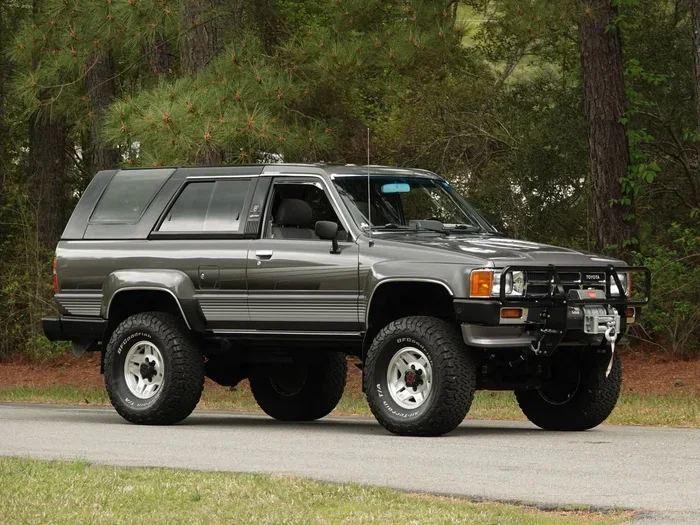
Some drivers need all-weather capability. Toyota offers four-wheel drive in many models, including the Tacoma and 4Runner. These vehicles are known for their durability in tough conditions.
To learn more about Toyota’s truck reliability, check out our article on are Toyota Tacomas four wheel drive. The information there helps truck buyers understand what to expect from Toyota’s 4WD systems.
Honda also offers all-wheel drive in some models. The CR-V and Pilot come with AWD options. While Honda’s AWD systems work well, Toyota’s 4WD systems are built for more demanding use. If you need serious off-road capability, Toyota has the advantage.
Engine Options and Powertrain Reliability
The engine is the heart of any vehicle. Both Toyota and Honda offer a range of powertrains, from efficient four-cylinders to powerful V6 engines. Reliability varies by engine type, so it is worth understanding the differences.
Toyota Engine Reliability
Toyota is known for its simple, proven engine designs. The brand favors naturally aspirated engines that run smoothly for many years. Toyota’s 2.5-liter four-cylinder engine is one of the most reliable in the industry. It powers the Camry, RAV4, and many other models.
Toyota also offers V6 engines in several models. These engines are smooth and powerful while remaining reliable. To learn more about Toyota V6 reliability, read our article on are Toyota V6 engines reliable. The data shows these engines hold up exceptionally well over time.
Honda Engine Reliability
Honda engines are also well-regarded for their durability. The brand’s i-VTEC technology improves performance while maintaining reliability. Honda’s 1.5-liter turbocharged engine is found in the Civic and Accord. It has been generally reliable, though some early versions had oil consumption issues.
Honda’s naturally aspirated engines are among the most dependable in their class. The K-series and L-series engines have proven themselves over millions of miles of real-world use. Honda’s focus on high-revving engines does not come at the cost of long-term reliability.
Common Problems to Watch For
Even the most reliable cars can develop issues. Knowing what to watch for helps you stay ahead of potential problems. Here are common issues for both brands.
Toyota Common Problems:
- Oil consumption in some older models
- Valve spring issues in certain V6 engines
- Wind noise at highway speeds in some sedans
- Occasional infotainment glitches in newer models
Honda Common Problems:
- Transmission issues in certain model years
- Oil dilution in turbocharged engines
- Electrical gremlins in older models
- Brake wear on heavier SUV models
These problems are not universal. They affect specific models or years more than others. Regular maintenance and timely repairs help prevent most of these issues from becoming serious. Both brands have far fewer problems than the average vehicle on the road.
Which Brand Should You Choose?
The Toyota vs Honda reliability comparison comes down to your priorities. If you want maximum longevity and plan to keep your car for many years, Toyota has the slight edge. If you want a lower purchase price and strong fuel economy, Honda is an excellent choice.
Both brands offer vehicles that will serve you well as a daily driver. Neither brand will let you down if you choose a well-reviewed model. The best car for you depends on your budget, needs, and driving habits.
Consider visiting a dealership and test-driving models from both brands. See which one feels right for you. Talk to current owners and read reviews online. The more research you do, the better decision you will make.
Ultimately, both Toyota and Honda build vehicles that are among the best in the world for daily driving. You cannot go wrong with either choice. Focus on the specific model, its maintenance history, and how well it fits your lifestyle.
Conclusion
The debate over Toyota vs Honda reliability is one that car enthusiasts love to discuss. Both brands have earned their reputations for building dependable vehicles. Toyota takes a slight lead in long-term durability and resale value. Honda offers strong value, fuel efficiency, and driving enjoyment.
For daily driving, both brands deliver what most owners need. They start every morning, handle commute traffic with ease, and keep running for hundreds of thousands of miles. The key is choosing a specific model with a strong reliability record and maintaining it properly.
Whether you choose a Toyota or a Honda, you are making a smart investment. These brands have earned the trust of millions of drivers worldwide. Your daily driver will serve you well as long as you treat it right.
Frequently Asked Questions
Are Toyotas or Hondas better for high-mileage daily driving?
Toyota has a slight edge for high-mileage driving. Many Toyota models easily surpass 200,000 miles with basic maintenance. Honda vehicles also last long but may need more attention as they age. Both brands are excellent choices for daily drivers who put on lots of miles.
Which is cheaper to maintain, Toyota or Honda?
Both brands are affordable to maintain. Routine costs are very similar between the two. Honda parts are often slightly cheaper due to higher production volumes. However, Toyota vehicles tend to need fewer major repairs over their lifetime, which can save money in the long run.
Do Toyotas hold their value better than Hondas?
Yes, Toyotas generally hold their resale value better than Hondas. This is especially true for popular models like the Camry and RAV4. Honda vehicles depreciate at a similar rate but typically end up at a lower resale price. If resale value matters to you, Toyota is the stronger choice.
Are Honda Civics as reliable as Toyota Corollas?
Honda Civics and Toyota Corollas are both among the most reliable compact sedans. The Corolla has a slight edge in long-term reliability data. However, the Civic offers a more engaging driving experience. Both cars will serve you well as daily drivers for many years.
Which brand has better hybrid options?
Toyota leads the hybrid market with decades of experience. The Prius and RAV4 Hybrid are among the most proven hybrid systems available. Honda’s hybrid lineup is newer but growing quickly. The Accord Hybrid and CR-V Hybrid are solid choices with good fuel economy.
How often should I service my Toyota or Honda daily driver?
Both brands recommend oil changes every 5,000 to 7,500 miles for most models. Follow the maintenance schedule in your owner’s manual. Regular services like tire rotations, brake inspections, and fluid changes keep your car running smoothly. Staying on top of maintenance is the best way to ensure long-term reliability.
=== INTERNAL LINKS USED ===
1. are Toyotas good after 200K miles
2. are Toyota Tacomas four wheel drive
3. are Toyota V6 engines reliable