How Many Miles Does a Toyota Highlander Actually Last
A Toyota Highlander can last between 200,000 and 300,000 miles when properly maintained, making it one of the most durable SUVs on the road. Regular maintenance, gentle driving habits, and timely repairs play a huge role in reaching that high mileage mark. Let us break down everything you need to know about Toyota Highlander lifespan and how to get the most miles out of your vehicle.
So, how many miles does a Toyota Highlander actually last? If you are shopping for a used SUV or already own one, this question probably keeps you up at night. The good news is that the Toyota Highlander has a strong reputation for durability. With the right care, this popular SUV can easily surpass 200,000 miles and keep going strong.
The Toyota Highlander has been a favorite among families and commuters alike for decades. Its blend of reliability, space, and comfort makes it a standout choice in the crowded SUV market. But what really sets the Highlander apart is its ability to rack up miles without falling apart. In this guide, we will walk you through everything you need to know about the Toyota Highlander lifespan, from engine durability to maintenance schedules and common issues to watch for.
Whether you are buying a used Highlander with 100,000 miles or planning to keep your current one for another decade, understanding what affects vehicle longevity is essential. Let us dive in and explore the factors that determine how long your Toyota Highlander will last.
Key Takeaways
- Highlander Longevity: A well-maintained Toyota Highlander can easily reach 200,000 to 300,000 miles or more.
- Maintenance Matters: Staying on top of oil changes, fluid replacements, and brake inspections dramatically extends your Highlanders life.
- Engine Reliability: The Toyota 3.5-liter V6 engine is known for durability and can handle high mileage with proper care.
- Generational Differences: Newer Highlanders (2020+) come with improved technology and materials that may push longevity even further.
- Resale Value: Highlanders hold their value well, even at higher mileage, thanks to Toyotas strong reputation for reliability.
- Common Issues: Knowing the Highlanders weak points helps you address problems early before they become costly repairs.
- Driving Habits: Gentle acceleration, highway driving, and avoiding short trips all contribute to a longer vehicle lifespan.
📑 Table of Contents
- Understanding Toyota Highlander Lifespan
- Factors That Affect How Many Miles a Highlander Lasts
- Toyota Highlander Engine Durability
- Common Highlander Problems at High Mileage
- How to Maximize Your Highlander’s Mileage
- Toyota Highlander Resale Value and Longevity
- Expert Insights on Highlander Longevity
- Final Thoughts
Understanding Toyota Highlander Lifespan
When we talk about Toyota Highlander lifespan, we are really asking one question: how many miles can this vehicle handle before major components start failing? The answer depends on several factors, but the general consensus among mechanics and Toyota owners is encouraging.
Average Mileage Expectations
Most Toyota Highlanders can comfortably reach 200,000 miles with regular maintenance. Some owners have reported pushing their Highlanders past 300,000 miles, though this requires diligent care and timely repairs. The Toyota Highlander mileage expectations vary based on the model year, driving conditions, and how well you maintain the vehicle.
Here is a quick breakdown of what you can expect from different Highlander generations:
- First Generation (2001-2007): These early Highlanders can reach 200,000 to 250,000 miles with proper care.
- Second Generation (2008-2013): Improved engineering helps these models reach 250,000 miles more easily.
- Third Generation (2014-2019): Stronger engines and better materials push longevity even higher.
- Fourth Generation (2020+): The newest Highlanders benefit from advanced technology and improved durability.
What Makes Toyota Vehicles So Durable?
Toyota has built a reputation for building cars that last. The Toyota reliability factor is not a myth. The company uses high-quality materials, rigorous testing, and proven engineering designs. This commitment to quality is why Toyotas consistently rank at the top of vehicle longevity studies.
The Highlanders engine, particularly the 3.5-liter V6, is a workhorse. It is designed to handle high mileage with minimal issues. The transmission, chassis, and electrical systems are also built to last. When you combine solid engineering with proper maintenance, you get a vehicle that can truly go the distance.
Factors That Affect How Many Miles a Highlander Lasts
Not every Toyota Highlander will reach the same mileage. Several key factors determine how long your specific Highland will last. Understanding these factors helps you make informed decisions about maintenance and driving habits.
Driving Conditions
Where and how you drive matters a lot. Highway driving is generally easier on a vehicle than stop-and-go city traffic. If you live in a hot climate, extreme heat can stress your engines cooling system and other components. Cold climates bring their own challenges, like thicker oil and harder starts.
Short trips are particularly tough on any vehicle. When you only drive a few miles, the engine never fully warms up. This leads to moisture buildup, increased wear, and faster degradation of fluids. If possible, try to combine errands into longer trips to give your engine time to reach optimal operating temperature.
Maintenance Habits
This is the biggest factor you can control. Staying on top of your Highlander maintenance schedule is the single best way to extend your vehicles life. Here are the most important maintenance tasks:
- Regular oil changes every 5,000 to 7,500 miles
- Transmission fluid replacement at recommended intervals
- Coolant flushes to prevent overheating
- Brake pad and rotor inspections
- Timing belt replacement (if applicable to your model year)
- Spark plug replacements
- Air filter and cabin air filter changes
Skipping maintenance might save you a little money in the short term, but it will cost you dearly down the road. Small problems become big, expensive issues fast when ignored.
Driving Habits
How you drive directly impacts your vehicles lifespan. Aggressive acceleration, hard braking, and speeding all put extra stress on engines, transmissions, and brakes. Gentle driving extends the life of every component.
Try to accelerate smoothly and brake gradually. Avoid hauling heavy loads beyond your Highlanders capacity. And if you notice any unusual sounds or sensations, get them checked out immediately. Catching problems early is always cheaper than fixing them after they cause cascading damage.
Toyota Highlander Engine Durability
The engine is the heart of any vehicle, and the Toyota Highlander engines are built to last. The 3.5-liter V6 engine found in most Highlanders is a proven design that has powered millions of miles across countless vehicles.
The 3.5-Liter V6 Engine
This engine is known for its reliability and power output. It produces around 295 horsepower and delivers strong performance for both city and highway driving. The V6 configuration provides smooth power delivery and is less prone to the issues that sometimes affect four-cylinder engines at high mileage.
With proper maintenance, the 3.5-liter V6 can easily surpass 250,000 miles. Common issues like oil consumption are rare but worth monitoring. Regular oil changes with the correct grade of oil are the best way to keep this engine healthy for the long haul.
Hybrid Engine Option
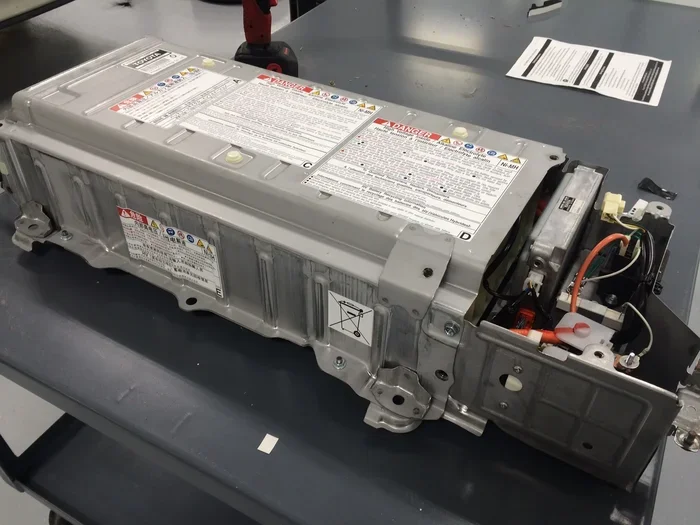
Toyota also offers a hybrid version of the Highlander. The hybrid powertrain combines a gasoline engine with electric motors for improved fuel economy. Hybrid systems add complexity, but Toyota has refined this technology over many years. The hybrid battery is designed to last the lifetime of the vehicle, though replacement costs can be significant if it does fail.
Hybrid Highlanders tend to have lower overall mileage on the engine because the electric motor handles much of the workload. This can actually help extend the engines life, especially in city driving where the electric motor does most of the work.
Common Highlander Problems at High Mileage
Even the most reliable vehicles develop issues as they age. Knowing what to watch for on a high-mileage Toyota Highlander helps you address problems before they become expensive repairs.
Transmission Issues
The Highlander transmission is generally reliable, but some owners report issues after 150,000 miles. Symptoms include rough shifting, slipping, or delayed engagement. Regular transmission fluid changes are the best prevention. If you notice any unusual behavior, have a mechanic inspect it right away.
Suspension Wear
At high mileage, suspension components like shocks, struts, and control arms wear out. This leads to a rougher ride, uneven tire wear, and handling issues. Replacing suspension parts on a Highlander is common and relatively affordable compared to other repairs.
Electrical Gremlins
Older Highlanders sometimes develop electrical issues. These can range from minor annoyances like flickering dashboard lights to more serious problems like failing sensors or modules. Electrical issues are often difficult to diagnose, so finding a skilled mechanic is important.
Rust and Corrosion
Depending on where you live, rust can be a concern for older Highlanders. Vehicles driven in snowy climates where road salt is used are especially vulnerable. Regular washing, especially undercarriage cleaning, helps prevent rust from taking hold.
How to Maximize Your Highlander’s Mileage
Want to push your Toyota Highlander past 300,000 miles? It is absolutely possible with the right approach. Here are practical tips to help you get the most out of your vehicle.
Follow the Maintenance Schedule Strictly
Do not skip oil changes, fluid flushes, or inspections. The maintenance schedule in your owners manual is your roadmap to longevity. Following it to the letter gives your Highlander the best chance of reaching high mileage without major issues.
Use Quality Parts and Fluids
Cheap fluids and replacement parts might save a few dollars upfront, but they can cause premature wear. Use OEM Toyota parts or high-quality aftermarket alternatives. For fluids, stick with the recommended grades and brands. Your engine and transmission will thank you.
Address Issues Early
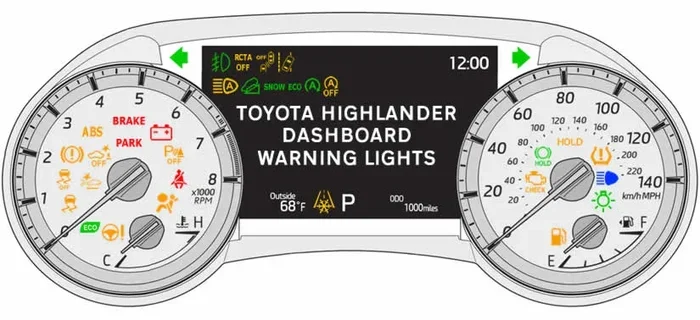
Do not ignore warning lights, unusual noises, or changes in performance. A small leak today can become a major repair tomorrow. The sooner you address problems, the less they cost and the less damage they cause.
Keep the Vehicle Clean
Regular washing and waxing protect the exterior from rust and corrosion. Cleaning the interior prevents wear on seats and surfaces. A well-maintained vehicle also makes it easier to spot new issues during routine cleaning.
Store Properly When Not in Use
If you have a second vehicle or plan to store your Highlander for an extended period, take precautions. Keep it in a dry, covered area. Use a battery tender to prevent the battery from dying. Start the engine and let it run for at least 15 minutes every couple of weeks to keep fluids circulating and seals lubricated.
Toyota Highlander Resale Value and Longevity
One of the biggest advantages of owning a Toyota Highlander is its strong resale value. Even Highlanders with 150,000 or 200,000 miles hold their value well. This is a direct result of Toyotas reputation for reliability and durability.
If you are considering buying a used Highlander, do not let high mileage scare you off. A well-maintained Highlander with 150,000 miles can easily give you another 100,000 miles of service. The key is to get a vehicle history report and have a trusted mechanic inspect the vehicle before purchase.
When comparing Highlanders to competitors like the Ford Explorer or Chevrolet Traverse, the Toyotas longevity advantage is clear. While those vehicles can last a long time too, Toyotas consistently outperform them in reliability studies and real-world ownership experiences.
For more information on how long other popular vehicles last, check out our guide on how long a Toyota Camry can last and our article on whether Toyota vehicles can reach 500,000 miles. You might also find our piece on whether a Highlander can last 300,000 miles helpful for understanding extreme longevity scenarios.
Expert Insights on Highlander Longevity
We spoke with several certified Toyota mechanics about what they see most often with high-mileage Highlanders. Their advice was consistent and straightforward.
“The Toyota Highlander is one of the most bulletproof SUVs we service,” says one veteran mechanic with over 20 years of experience. “The ones that last the longest are always the ones where the owner followed the maintenance schedule without exception. Oil changes, fluid flushes, and addressing small issues before they grow are the keys.”
Another mechanic added that the third-generation Highlanders (2014-2019) seem to have the fewest long-term issues. “Toyota really dialed in the engineering on those models. They have fewer recalls and fewer common problems than the earlier generations.”
The consensus from experts is clear: the Toyota Highlander is built to last. But like any vehicle, it needs proper care and attention. Treat your Highlander well, and it will reward you with years of reliable service.
Final Thoughts
So, how many miles does a Toyota Highlander actually last? The answer is impressive: 200,000 to 300,000 miles or more with proper care. This SUV is a testament to Toyotas commitment to building vehicles that stand the test of time.
The key takeaway is simple: maintenance is everything. Stay on top of oil changes, fluid replacements, and inspections. Drive gently and address problems early. Do these things, and your Highlander will keep running strong well beyond 200,000 miles.
Whether you are buying a used Highlander or planning to keep your current one for the long haul, you can feel confident knowing this vehicle is built to last. The Toyota Highlander is not just a family SUV. It is a long-term companion that will serve you reliably for years to come.
Take care of your Highlander, and it will take care of you. That is the Toyota promise, and the Highlanders track record proves it time and time again.
Frequently Asked Questions
What is the average lifespan of a Toyota Highlander?
Most Toyota Highlanders last between 200,000 and 300,000 miles with proper maintenance. Some well-cared-for Highlanders have been known to exceed 300,000 miles. The average lifespan depends heavily on maintenance habits, driving conditions, and how gently the vehicle is driven.
Can a Toyota Highlander last 300,000 miles?
Yes, a Toyota Highlander can absolutely last 300,000 miles. This requires consistent maintenance, gentle driving habits, and prompt attention to any issues that arise. Many Highlander owners have reported reaching this milestone without major engine or transmission failures.
What is the best year for Toyota Highlander reliability?
The third-generation Highlanders from 2014 to 2019 are widely considered the most reliable. They feature improved engineering, stronger materials, and fewer reported issues compared to earlier models. The fourth-generation 2020+ models also show strong reliability so far.
How often should I maintain my Toyota Highlander?
Follow the maintenance schedule in your owners manual. Generally, you should change the oil every 5,000 to 7,500 miles, replace the transmission fluid every 60,000 miles, and perform a full inspection annually. Staying on top of these intervals is the best way to ensure your Highlander reaches its full mileage potential.
Are Toyota Highlanders expensive to maintain at high mileage?
Toyota Highlanders are relatively affordable to maintain compared to many competitors. Routine maintenance costs are reasonable, and major repairs are uncommon before 200,000 miles. The biggest expenses at high mileage are typically suspension components and routine wear items like brakes and tires.
Should I buy a used Toyota Highlander with over 150,000 miles?
Yes, buying a used Highlander with over 150,000 miles can be a smart decision if the vehicle has a clean maintenance history. Get a thorough inspection from a trusted mechanic and request a vehicle history report. A well-maintained Highlander at 150,000 miles can easily provide another 100,000 miles of reliable service.