Learn How Much Does a Starter Cost for a Honda Civic
The cost to replace a starter on a Honda Civic typically ranges from $300 to $600, depending on the model year and whether you choose OEM or aftermarket parts. Understanding the Honda Civic starter cost helps you budget for this common repair. This guide covers everything from starter motor symptoms to DIY starter replacement tips and money-saving strategies.
Let’s talk about something every Honda Civic owner will face at some point. Your car won’t start one morning. You turn the key. Nothing happens. Or maybe you hear a grinding noise. The problem might be your starter motor. And if it is, you are probably wondering, how much does a starter cost for a Honda Civic?
The good news is that replacing a starter on a Honda Civic is one of the more affordable repairs you can do. Most owners spend between $300 and $600 for the full job. But the exact Honda Civic starter cost depends on several factors. Your model year matters. The type of starter you choose matters. And whether you do it yourself or visit a mechanic matters too.
In this guide, we break down everything you need to know. We cover the real costs, the symptoms of a bad starter, and how to save money. We also share practical tips for DIY starter replacement if you are handy with tools. By the end, you will have a clear picture of what to expect and how to handle it like a pro.
Key Takeaways
- Average Cost: A Honda Civic starter replacement costs between $300 and $600, with parts making up about half the price.
- OEM vs Aftermarket: OEM starters cost more but offer better reliability, while aftermarket options can save you up to 40%.
- Common Symptoms: Grinding noises, slow cranking, and intermittent starting are clear signs your starter needs attention.
- DIY Saves Money: Replacing the starter yourself can cut labor costs, which typically run $100 to $250 at a shop.
- Lifespan: A quality starter motor lasts 100,000 to 150,000 miles with proper care.
- Warranty Matters: Always check the car starter warranty before purchasing to protect your investment.
📑 Table of Contents
What Does a Starter Do in a Honda Civic?
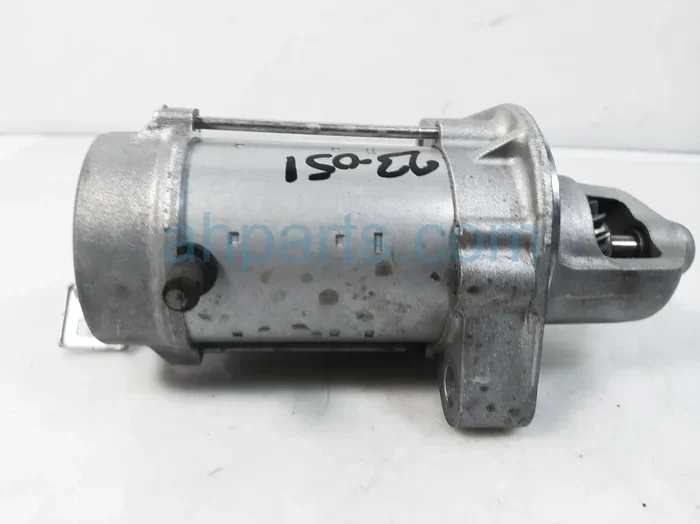
Before we dive into the Honda Civic starter cost, let’s understand what the part actually does. The starter motor is a small but powerful electric motor. It engages with the engine’s flywheel to crank the engine. When you turn your key or press the start button, the starter kicks in. It spins the engine until it fires up on its own.
Without a working starter, your Honda Civic engine simply will not turn over. You can have a full tank of gas and a healthy battery. But if the starter is dead, your car stays parked. It is one of those parts you never think about until it stops working.
How the Starter Works
Here is a simple breakdown of the process. When you turn the ignition, a signal goes to the starter solenoid. The solenoid pushes the starter gear into contact with the flywheel. The motor then spins, turning the engine. Once the engine starts running, the starter gear pulls back and disengages. It is a quick process. And it happens every single time you start your car.
The ignition system relies heavily on the starter. So when the starter fails, it affects the entire starting process. Understanding this helps you see why replacing it quickly matters. A bad starter can leave you stranded.
How Much Does a Starter Cost for a Honda Civic?
Now let us get to the heart of the matter. The starter motor price varies based on several factors. But here is a general idea of what to expect.
Starter Motor Price Breakdown
The total cost includes two main parts. The first is the part itself. The second is the labor. Here is a simple breakdown:
- OEM Starter Parts: $150 to $350 depending on your Civic model year
- Aftermarket Starter Parts: $80 to $200 for budget-friendly options
- Labor Cost (Mechanic): $100 to $250 depending on your location
- Total DIY Cost: Just the part price, saving you the labor
The Honda Civic repair cost for a starter replacement is considered moderate. It is not as expensive as a transmission job. But it is not as cheap as an oil change either. Most people find the cost reasonable, especially compared to other car repair expenses.
OEM vs Aftermarket Comparison
Choosing between OEM and aftermarket parts is one of the biggest decisions you will make. Here is a comparison table to help you decide:
| Factor | OEM Starter | Aftermarket Starter |
|---|---|---|
| Price Range | $150 – $350 | $80 – $200 |
| Quality | Factory-standard reliability | Varies by brand |
| Warranty | Typically 12 months | 6 to 12 months |
| Fit and Finish | Perfect match | Good, but may vary |
| Availability | Honda dealers and parts stores | Widely available online |
| Best For | Long-term ownership | Budget-conscious repairs |
OEM starters come directly from Honda. They match the exact specifications of your Honda Civic parts lineup. Aftermarket starters are made by third-party companies. Brands like Denso, Bosch, and ACDelco offer solid alternatives. The auto parts pricing for aftermarket options can save you a lot of money.
If you plan to keep your Civic for many years, go with OEM. If you need a quick and affordable fix, a quality aftermarket starter works well. Just make sure you buy from a reputable seller. And always check the car starter warranty before you buy.
Cost by Honda Civic Model Year
The starter motor replacement cost can also vary by model year. Older Civics from the 2000s often have simpler starter designs. These tend to be less expensive. Newer models from 2016 and up may have more integrated starter systems. These can cost a bit more. Here is a rough guide:
- 2001 – 2005 Civic: $250 to $450 total
- 2006 – 2011 Civic: $300 to $500 total
- 2012 – 2015 Civic: $350 to $550 total
- 2016 and newer Civic: $400 to $600 total
These numbers are estimates. Your actual cost depends on your specific trim, engine type, and local labor rates. Always get a quote from your mechanic before committing to the repair.
Symptoms of a Failing Starter Motor
Catching a bad starter early can save you from bigger headaches. The starter motor symptoms are usually pretty obvious. Here are the most common signs to watch for.
Slow or Weak Cranking
When you turn the key, the engine cranks slowly. It sounds sluggish. It struggles to turn over. This is one of the earliest signs of a failing starter. The motor is losing power. It cannot spin the engine fast enough to start it quickly.
Grinding or Clicking Noises
A grinding noise when you start the car is a red flag. It means the starter gear is not engaging properly with the flywheel. A single click usually means the solenoid is working but the motor is not spinning. Repeated clicking often points to a dead starter or a weak battery. You need to figure out which one it is.
Intermittent Starting Problems
Sometimes the car starts fine. Other times it refuses to turn over. This inconsistency is a classic sign of a starter on its way out. The internal components are wearing down. They work sometimes but not always. Do not ignore this symptom. It usually gets worse over time.
Starter Keeps Running After Engine Starts
This is a less common but serious symptom. If you hear the starter motor spinning even after the engine has started, something is wrong. The solenoid is likely sticking. This can damage the flywheel if you keep driving. Get it checked right away.
Burning Smell
A burning smell when you try to start the car is never good. It could mean the starter is overheating. The electrical connections might be corroded. Either way, this is a sign you should stop driving and get the car inspected.
Quick Tip
Before assuming it is the starter, check your battery. A weak battery can mimic many starter symptoms. Use a multimeter to test the battery voltage. If the battery reads 12.6 volts or higher, the problem is likely the starter. If it reads below 12 volts, charge or replace the battery first.
DIY vs. Professional Starter Replacement
Deciding whether to replace the starter yourself or pay a mechanic is a big decision. Both options have clear advantages. Let us break them down so you can choose what works best for you.
Doing It Yourself
If you enjoy working on cars, DIY starter replacement can save you a significant amount of money. The labor cost at a shop runs $100 to $250. That is money you keep in your pocket if you do the work yourself. The process is straightforward on most Honda Civics. Here is what you need to know:
- Tools Needed: Socket set, wrenches, jack and jack stands, and a basic hand tool kit
- Time Required: About 1 to 3 hours depending on your experience
- Difficulty Level: Moderate. It is not the easiest job, but it is very doable for most home mechanics
- Common Challenges: Tight engine bay access on some Civic models can make the job harder
Start by disconnecting the negative battery terminal. This is a safety step you should never skip. Then locate the starter motor. It is usually mounted near the bottom of the engine, where the engine meets the transmission. Remove the bolts, disconnect the wiring, and pull the starter out. Install the new one in reverse order.
Make sure to clean the connections before reinstalling. Apply a thin layer of dielectric grease to the connectors. This prevents corrosion and ensures a solid connection. If you are not comfortable working under the car, use ramps or a lift. Never rely on a jack alone.
Hiring a Professional Mechanic
If you prefer not to get your hands dirty, a professional mechanic is a great choice. A qualified technician will have the right tools and experience. They can diagnose the problem quickly and complete the starter motor replacement in about an hour.
The mechanic labor cost varies by location. In major cities, expect to pay more. In smaller towns, rates are often lower. Here are some tips for finding a good mechanic:
- Get at least three quotes before committing
- Ask if the shop offers a warranty on the part and labor
- Check online reviews for local repair shops
- Ask if they use OEM or aftermarket parts
Expert Insight
Many mechanics will test the starter before replacing it. This is a good practice. A proper diagnostic ensures you are not paying for a part you do not need. Some electrical issues can mimic starter failure. A good mechanic will rule those out first.
How to Save Money on Starter Replacement
Replacing a starter does not have to drain your wallet. There are several smart ways to reduce the Honda Civic starter cost. Here are practical strategies that actually work.
Buy Parts Online
Online retailers often offer better auto parts pricing than local stores. Sites like RockAuto, AutoZone, and Amazon carry a wide range of starters. You can compare prices easily and read customer reviews. Just make sure the part fits your specific Civic model and year.
If you shop at AutoZone, you can also check how much AutoZone charges for a transponder key and compare their overall parts pricing to ensure you are getting the best deal across all your car parts needs.
Choose Aftermarket Wisely
Aftermarket starters can save you 30 to 50 percent compared to OEM. But not all aftermarket parts are created equal. Stick with trusted brands. Read reviews. Look for parts with solid warranties. A cheap starter that fails after six months will cost you more in the long run.
Consider Rebuilt or Remanufactured Starters
Rebuilt starters are another option. They are professionally refurbished and tested. They often come with a warranty. The cost is typically lower than a new OEM or aftermarket starter. Just make sure the seller has a good reputation and offers a solid return policy.
Preventive Maintenance
The best way to save money is to prevent problems before they start. Regular Honda Civic maintenance keeps your car running smoothly. Here are some tips that help protect your starter:
- Keep your battery terminals clean and tight
- Replace your battery every 4 to 5 years
- Avoid turning the key repeatedly when the engine will not start
- Have your electrical system checked during regular oil changes
Every time you hold the key in the start position too long, you put extra wear on the starter. If the engine does not start within a few seconds, stop trying. Wait a few seconds and try again. This simple habit can extend your starter motor lifespan significantly.
When the Repair Is Not Worth It
Sometimes the cost of the repair does not make sense. If your Civic has very high mileage and other major issues, spending $500 on a starter might not be the best use of money. Before committing, learn how to know if a car is a good deal so you can evaluate whether investing in the repair makes financial sense for your situation.
How Long Does a Starter Motor Last?
A quality starter motor is built to last. Most starters last between 100,000 and 150,000 miles. Some last even longer. But several factors can shorten that lifespan. Understanding them helps you get the most out of your starter.
Factors That Affect Starter Lifespan
- Driving Habits: Frequent short trips put more strain on the starter
- Battery Health: A weak battery forces the starter to work harder
- Engine Condition: A seized or hard-to-turn engine stresses the starter
- Climate: Extreme heat or cold can degrade electrical components faster
- Maintenance: Regular care and clean connections help the starter last longer
The Honda Civic reliability reputation extends to the durability of its components. With proper care, your starter should easily last well beyond 100,000 miles. And if you ever need to replace it, you now know exactly what to expect in terms of cost and process.
Common Mistakes to Avoid
- Skipping the battery check: Many people replace the starter when the real problem is a dead battery.
- Ignoring symptoms: A clicking noise today can become a no-start situation tomorrow.
- Buying the cheapest part: A $50 starter from an unknown brand may fail within months.
- Forgetting to disconnect the battery: This is a safety must-do before any electrical work.
- Over-tightening bolts: Stripped threads on the starter mounting bolts cause serious headaches.
Conclusion
So, how much does a starter cost for a Honda Civic? The answer is somewhere between $300 and $600 for most model years. The exact Honda Civic starter cost depends on your choice of OEM or aftermarket parts, your local labor rates, and whether you do the work yourself.
Replacing a starter is a manageable repair. It is one of those jobs that keeps your Honda Civic on the road and running strong. Whether you choose DIY starter replacement or visit a trusted mechanic, the key is to act quickly when symptoms appear. Ignoring a failing starter can lead to bigger problems and even leave you stranded.
Take care of your Honda Civic maintenance schedule. Pay attention to the warning signs. And when the time comes for a replacement, you will be prepared. You will know exactly what to expect, what to look for, and how to save money. That knowledge is worth more than any single repair bill.
Your Honda Civic is a reliable machine. With the right care and timely repairs, it will serve you well for many miles to come. And now you have the information you need to handle a starter replacement with confidence.
Frequently Asked Questions
Can I drive my Honda Civic with a bad starter?
No, you cannot start your car with a completely failed starter. If the starter is partially working, you might get the engine to turn over occasionally. But driving with a failing starter is risky. It can leave you stranded at any moment. Have it replaced as soon as possible.
How long does it take to replace a starter on a Honda Civic?
A professional mechanic usually completes the job in one to two hours. If you are doing it yourself, plan for two to three hours the first time. Experienced DIYers may finish faster. The job is straightforward but requires some patience, especially on tighter engine bays.
Is it cheaper to replace a starter myself?
Yes, replacing the starter yourself saves the labor cost, which typically ranges from $100 to $250. You only pay for the part. However, you need the right tools and some mechanical experience. If you are not comfortable working under the car, it is worth paying for professional service.
What causes a Honda Civic starter to fail?
Several factors cause starter failure. A worn-out solenoid is common. Internal brush wear happens over time. Electrical corrosion on connections can also cause problems. Repeatedly trying to start the car with a low battery puts extra stress on the starter motor and shortens its life.
Does the Honda Civic starter come with a warranty?
Most new starters come with a warranty, whether OEM or aftermarket. OEM starters from Honda typically include a 12-month warranty. Aftermarket starters vary by brand, with warranties ranging from 6 months to a lifetime. Always check the warranty details before purchasing to protect your investment.
Can a dead battery cause starter symptoms?
Yes, absolutely. A weak or dead battery often mimics starter failure. The engine cranks slowly or not at all. Before replacing the starter, always test the battery first. A simple voltage test with a multimeter can confirm whether the battery or the starter is the real culprit.