How to Check Oil Level in a BMW 328i the Easy Way
Knowing how to check oil level in a BMW 328i is one of the easiest ways to protect your engine and extend its life. Whether you own a newer model or an older one, checking your BMW oil level takes just a few minutes and requires no special tools. This guide walks you through every step, from locating the oil dipstick to understanding what the readings mean, so you can keep your BMW 328i engine running smoothly for years to come.
Key Takeaways
- Check your oil regularly: Making this a habit helps you catch low oil levels before they cause engine damage.
- Use the right oil type: BMW 328i models require specific synthetic oil grades for best performance.
- Follow BMW’s recommended intervals: Staying on top of oil changes keeps your engine in top shape.
- Know the warning signs: Recognizing low oil symptoms early can save you from expensive repairs.
- Reset your maintenance light after an oil change: This keeps your service records accurate and your dashboard clear.
- Don’t overfill or underfill: Both can cause serious engine problems over time.
📑 Table of Contents
- How to Check Oil Level in a BMW 328i the Easy Way
- Why Checking Your BMW 328i Oil Level Matters
- Tools and Preparation You Will Need
- Step-by-Step Guide: How to Check Oil Level in a BMW 328i
- Common Oil Level Problems in the BMW 328i
- Choosing the Right Oil for Your BMW 328i
- When to See a Professional
- Final Thoughts
How to Check Oil Level in a BMW 328i the Easy Way
Your BMW 328i is a precision machine. It delivers smooth power, sharp handling, and a driving experience that few cars can match. But even the best engines need proper care, and that starts with something simple: checking your oil level. Many BMW owners skip this basic task until something goes wrong. Don’t let that be you.
Learning how to check oil level in a BMW 328i is quick, easy, and something you can do at home in under five minutes. You don’t need a mechanic. You don’t need fancy tools. All you need is a clean rag, a few minutes of your time, and the confidence to pop your hood. This guide will show you exactly how to do it, step by step, so you can keep your engine healthy and your drives enjoyable.
Engine oil is the lifeblood of your car. It lubricates moving parts, reduces friction, and keeps temperatures in check. When your oil level drops too low, your engine starts working harder. Over time, this leads to wear, overheating, and potentially costly repairs. On the flip side, overfilling your oil can cause just as many problems. That is why knowing the correct level matters so much.
Whether you have a newer F30 generation or an older E90 model, the process is similar. BMW has designed these cars to make oil checks straightforward. Once you know what to look for, you will wonder why you did not start doing this sooner. Let us dive into the details.
Why Checking Your BMW 328i Oil Level Matters
Oil is not just another fluid in your car. It is the single most important liquid your engine relies on every time you turn the key. Without enough clean oil, metal parts grind against each other. Heat builds up. Damage follows. This is not something that happens overnight, but it builds over time if you ignore it.
The Role of Engine Oil in Your BMW 328i
Your BMW 328i uses a turbocharged engine, typically the N20 or N55 depending on the model year. These engines run hot and need proper lubrication to perform at their best. BMW synthetic oil is engineered to handle high temperatures and protect sensitive engine components. But even the best oil loses effectiveness over time. It breaks down, gets contaminated, and eventually needs to be replaced.
Checking your oil level regularly helps you spot problems early. Maybe your car is burning oil slightly. Maybe there is a small leak you did not notice. Either way, catching a low oil level early can prevent a minor issue from turning into a major engine repair bill.
How Often Should You Check Your Oil?
Most BMW experts recommend checking your oil at least once a month. If you drive your car frequently or in tough conditions, check it more often. Hot weather, stop-and-go traffic, and towing all put extra stress on your engine oil. Making this a monthly habit takes almost no time and gives you peace of mind.
Also, keep in mind your BMW oil change interval. BMW typically recommends changing your oil every 10,000 to 15,000 miles, depending on the model year and oil type. But checking the level between changes is just as important. Think of it as a quick health check for your engine.
Tools and Preparation You Will Need
One of the best things about checking your BMW 328i oil level is that you need almost nothing. Here is a short list of what you should have ready before you start.
- A clean microfiber cloth or rag — this is for wiping the dipstick clean before reinserting it.
- Your BMW owner’s manual — this contains specific oil type and capacity information for your exact model.
- The correct BMW-approved synthetic oil — if you are planning to top off, make sure you have the right grade on hand.
- A flat, level surface — parking on level ground ensures your oil reading is accurate.
- Gloves (optional) — oil can be messy, so a pair of nitrile gloves keeps your hands clean.
You do not need any special diagnostic tools or expensive equipment. This is a job anyone can do with basic household items. The only thing that matters is doing it correctly and reading the dipstick properly.
Step-by-Step Guide: How to Check Oil Level in a BMW 328i
Now let us get into the actual process. Follow these steps carefully, and you will get an accurate reading every time.
Step 1: Park on a Level Surface and Turn Off the Engine
First, find a flat parking spot. This is important because oil settles differently on a slope, which can give you a false reading. Turn off your engine and wait at least 5 to 10 minutes. This lets the oil drain back into the oil pan so you get an accurate measurement.
Some people check their oil right after driving. That is not ideal. Hot oil is thinner and may not settle properly in the dipstick tube. Give it a few minutes to cool down and settle. Your BMW oil level sensor will also give more accurate readings when the engine is cool.
Step 2: Locate the Oil Dipstick
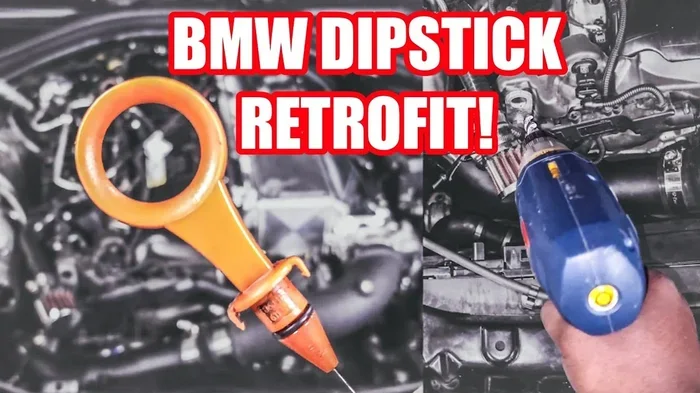
Open your hood and find the oil dipstick. On most BMW 328i models, the dipstick handle is yellow or orange, making it easy to spot. It is usually located near the front of the engine bay, close to the oil filter area. If you are unsure, refer to your owner’s manual for the exact location.
BMW has used different dipstick designs over the years. Newer models sometimes have an electronic oil level display on the dashboard instead of a traditional dipstick. If your 328i has the electronic system, you can check the oil level through the iDrive menu. But if you have a physical dipstick, the process is the same for all years.
Step 3: Pull the Dipstick, Wipe It, and Reinsert
Grab the dipstick handle and pull it straight out. Use your clean rag to wipe the oil off the end of the stick completely. This removes any residual oil so you get a fresh, accurate reading. Once it is clean, reinsert the dipstick all the way back into its tube. Do not rush this step — push it in until it seats fully.
Step 4: Pull It Out Again and Read the Marks
Now pull the dipstick out a second time. Look at the end of the stick where the oil residue is. You will see two marks — usually two small holes, two lines, or a crosshatched area. These marks indicate the acceptable oil level range.
The oil should fall between the two marks. If it is below the lower mark, you need to add oil. If it is above the upper mark, you have too much oil and should remove some. The ideal level is right in the middle of the range.
Step 5: Check the Oil Color and Condition
While you have the dipstick out, take a moment to look at the oil itself. Fresh BMW synthetic oil is typically amber or golden in color. As it ages, it darkens to a brown or black shade. This is normal and expected. However, if your oil looks milky or frothy, that could indicate a coolant leak mixing with the oil. This is a serious issue that needs immediate attention from a qualified mechanic.
Also, feel the oil between your fingers (with gloves on). It should feel smooth and slightly slippery. If it feels gritty or rough, it is time for an oil change. Contaminated oil loses its lubricating properties and can cause increased engine wear.
Step 6: Top Off If Needed and Reset the Maintenance Light
If your oil level is low, add small amounts of the correct BMW-approved oil at a time. Pour a little, wait a moment, then recheck the dipstick. This prevents overfilling. Once you reach the correct level, screw the oil cap back on tightly.
After adding oil or completing a full oil change, do not forget to reset your BMW maintenance light. This keeps your service records accurate and prevents that annoying warning light from staying on. You can find the reset procedure in your owner’s manual, or you can ask your dealer to show you during your next service visit.
Common Oil Level Problems in the BMW 328i
Even with regular checks, BMW 328i owners can run into oil-related issues. Here are the most common problems and what to do about them.
Low Oil Level
A low oil level is the most common issue. It can happen because of normal oil consumption over time, a small leak, or a worn gasket. If you notice your oil dropping frequently, do not just keep topping it off. Find the source of the problem. Common culprits include oil pan gaskets, valve cover gaskets, and oil filter housing leaks.
Driving with low oil is one of the fastest ways to damage your engine. If your check engine light or maintenance required light comes on alongside a low oil reading, take action immediately. Continuing to drive on low oil can lead to engine failure.
Overfilled Oil
It might seem like more oil is better, but that is not true. Overfilling your BMW 328i causes the oil to foam, which reduces its ability to lubricate properly. Excess oil can also put pressure on engine seals and gaskets, leading to leaks. If you accidentally overfill, have the excess oil drained by a professional.
Oil Consumption Issues
Some BMW 328i models, particularly those with the N20 engine, are known for higher oil consumption. This is a well-documented issue among BMW enthusiasts. If you find yourself adding oil between changes, it is worth mentioning to your mechanic. They can check for piston ring wear or other underlying causes.
Choosing the Right Oil for Your BMW 328i
Not all engine oils are created equal. BMW 328i engines require high-quality synthetic oil that meets specific BMW standards. Using the wrong oil can affect performance, fuel economy, and engine longevity.
Most BMW 328i models call for BMW Longlife-01 or Longlife-04 approved synthetic oil. The typical viscosity grades are 0W-30 or 5W-30, but always confirm with your owner’s manual. Using the correct oil ensures your engine gets the protection it was designed to receive.
When it comes time for a full oil change, you can either do it yourself or visit a BMW dealership or independent shop. If you do it yourself, make sure you also replace the oil filter with a BMW OEM or high-quality aftermarket filter. A clogged or low-quality filter can restrict oil flow and reduce engine protection.
If you are wondering whether you can bring your BMW to a non-BMW dealership for service, the answer is yes — many independent shops specialize in European cars and can service your BMW at a lower cost. Just make sure they use BMW-approved parts and fluids.
When to See a Professional
Checking your oil is a great DIY task, but there are times when you should let a professional handle it. If you notice any of the following signs, schedule a service appointment right away:
- Your oil level drops rapidly between checks.
- You see blue or white exhaust smoke, which can indicate oil burning.
- Your oil pressure warning light illuminates on the dashboard.
- Your engine makes unusual knocking or ticking noises.
- Your oil smells like fuel or appears milky in color.
These symptoms can point to serious issues that go beyond a simple oil top-off. A qualified BMW technician can diagnose the problem using specialized tools and expertise. Regular professional inspections complement your at-home oil checks and help keep your car in excellent condition.
Final Thoughts
Checking your oil level in a BMW 328i is one of the simplest and most important things you can do as a car owner. It takes just a few minutes, requires minimal tools, and can save you from expensive engine repairs down the road. Make it a monthly habit, and your BMW will reward you with reliable performance and a longer lifespan.
Remember, your engine is the heart of your car. Treat it well, and it will take care of you on every drive. Whether you are cruising through city streets or hitting the open highway, a well-maintained BMW 328i delivers the driving experience you expect. Keep your oil at the right level, use the right fluids, and stay on top of your maintenance schedule. Your car will thank you for it.
Now that you know exactly how to check oil level in a BMW 328i, there is no excuse not to do it. Grab your rag, pop your hood, and give your engine the care it deserves. Your future self — and your wallet — will appreciate it.
Frequently Asked Questions
How often should I check the oil level in my BMW 328i?
You should check your BMW 328i oil level at least once a month. If you drive frequently or in harsh conditions like extreme heat or heavy traffic, check it every two weeks. Regular checks help you catch low oil levels before they cause engine damage.
Can I use regular oil instead of synthetic oil in my BMW 328i?
It is not recommended. BMW 328i engines are designed to run on synthetic oil that meets BMW Longlife standards. Regular conventional oil does not provide the same level of protection at high temperatures and can lead to increased engine wear over time.
What should I do if my oil level is consistently low?
Consistently low oil can indicate a leak or excessive oil consumption. Check for visible leaks under your car, and inspect the oil pan, gaskets, and oil filter housing. If you cannot find the source, have a mechanic inspect your engine. BMW 328i models with the N20 engine are known for higher oil consumption in some cases.
How do I know if my BMW 328i has a traditional dipstick or electronic oil level display?
Check your owner’s manual or look under the hood. If you see a yellow or orange handle sticking out of the engine bay, you have a traditional dipstick. Newer models may not have a physical dipstick and instead display oil level information through the iDrive system on your dashboard screen.
Can low oil cause the check engine light to come on in a BMW 328i?
Yes, low oil can trigger warning lights in your BMW. While the check engine light is often associated with emissions issues, critically low oil levels can activate engine protection systems and illuminate warning lights. If your maintenance required light or check engine light comes on, checking your oil level should be one of the first things you do.
Is it safe to drive my BMW 328i with the oil light on?
No, it is not safe. The oil light typically indicates low oil pressure or critically low oil level. Driving with insufficient oil can cause severe engine damage within minutes. If your oil light comes on, pull over safely, turn off the engine, and check your oil level immediately. If it is low, add oil or call for roadside assistance.