Is a Dodge Stealth a Good Project Car Worth Buying
The Dodge Stealth is one of the most underrated project cars on the market today. With its sleek Japanese-American design, twin-turbo VR4 options, and low purchase prices, it offers enthusiasts a blank canvas at a fraction of the cost of more popular sports cars. However, parts availability and electrical quirks can make or break the experience.
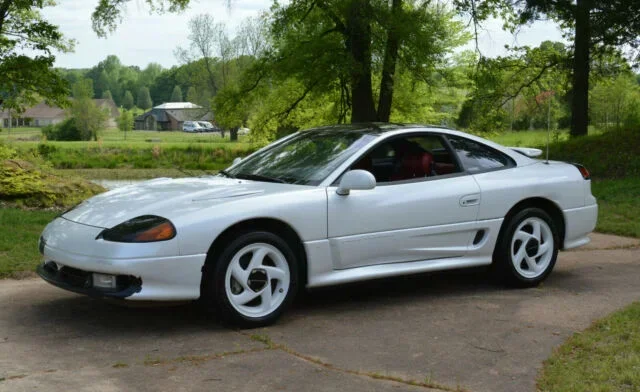
There are few cars that turn heads quite like a Dodge Stealth rolling down the street. With its low, wide stance and aggressive lines, this sports coupe has always been a head-turner since it first hit showrooms in the early 1990s. But beyond its good looks lies a question that every gearhead eventually asks: is a Dodge Stealth a good project car?
The short answer is yes, with some important caveats. The Dodge Stealth offers a rare combination of affordability, performance potential, and uniqueness that few other project cars can match. At the same time, it comes with challenges that every builder needs to understand before committing time and money. In this guide, we will walk you through everything you need to know about making a Dodge Stealth your next project.
Whether you are a seasoned builder looking for a new canvas or a first-time project car enthusiast searching for something manageable, the Stealth deserves a serious look. Let us break down what makes this car special, what problems to watch for, and whether the investment makes sense for you.
Key Takeaways
- Affordable Entry Point: Dodge Stealth prices are among the lowest for a twin-turbo sports car, making it accessible for budget builders.
- Strong Performance Potential: The VR4 variant comes with a twin-turbo V6 that responds well to upgrades and modifications.
- Common Electrical Issues: Wiring harness problems and sensor failures are the most frequent headaches owners face.
- Parts Can Be Tricky: Some components are harder to find than on more popular platforms, requiring patience and creativity.
- Solid Build Quality: The underlying chassis and body structure are reliable when properly maintained.
- Great for DIY Builders: The Stealth rewards hands-on owners who enjoy learning and troubleshooting.
- Resale Value Is Low: Expect to hold the car long-term or sell at a loss unless you build something special.
📑 Table of Contents
What Is the Dodge Stealth and Why Is It Special?
A Brief History of the Dodge Stealth
The Dodge Stealth was built from 1991 to 1996 as a joint venture between Dodge and Mitsubishi. It shared its platform with the Mitsubishi 3000GT, but Dodge gave it its own unique styling and badging. The result was a sports car that looked more exotic than its price tag suggested. The base model came with a naturally aspirated V6, while the top-tier VR4 variant featured twin turbos and all-wheel drive.
One of the reasons the Stealth remains interesting as a project car is its dual heritage. It combines American muscle car styling with Japanese engineering precision. This unusual mix means the car does not fit neatly into any single category, which is part of its charm. You will find communities of enthusiasts online who appreciate the Stealth for exactly this reason.
The car was available in both coupe and convertible body styles, though the coupe is far more common in the project car world. Early models from 1991 to 1993 are often preferred because they have slightly different styling and some improved components compared to later versions. Regardless of the year, each Stealth tells a story of an era when American and Japanese manufacturers collaborated in exciting ways.
The VR4 Twin-Turbo Variant
If you are seriously considering a Dodge Stealth project car, the VR4 model should be at the top of your list. The VR4 came with a 3.0-liter twin-turbo V6 that produced around 320 horsepower in stock form. That is serious performance for a car that can be found for just a few thousand dollars today. The all-wheel-drive system and active aerodynamics made the VR4 a genuine supercar contender during its prime.
The twin-turbo setup is what makes the VR4 so appealing for builders. Turbocharged engines offer enormous potential for upgrades. A simple boost increase, combined with basic internals and a tuned engine management system, can push output well beyond stock levels. Many builders report achieving 400 to 500 horsepower with relatively modest investments compared to building a comparable power level in a V8 engine.
However, the VR4 also comes with more complexity. The twin-turbo system, active aerodynamics, and all-wheel-drive components add layers of potential failure points. This is not a car for someone who wants a simple, straightforward build. But for a builder who enjoys a challenge, the VR4 is incredibly rewarding.
Why the Dodge Stealth Is a Great Project Car
Affordable Entry Into Sports Car Ownership
One of the biggest advantages of choosing a Dodge Stealth as your project is the low cost of entry. You can find clean examples for anywhere from $2,000 to $8,000 depending on condition, mileage, and trim level. Compare that to the prices of comparable sports cars from the same era, such as the Toyota Supra or Nissan 300ZX, and the Stealth is remarkably affordable.
This affordability means you can put more of your budget toward the actual build rather than just acquiring the car. Even if you need to replace a few major components, the overall cost of a Stealth project tends to be lower than many alternatives. For budget-conscious builders, this is a huge advantage.
The low purchase price also means you do not need to worry as much about the car being damaged during the build process. Project cars inevitably get beat up, and starting with a less expensive vehicle takes the pressure off. You can focus on learning and improving rather than stressing over every scratch.
Strong Aftermarket Support
Despite being a niche car, the Dodge Stealth has a surprisingly robust aftermarket scene. Enthusiast communities online and in person share knowledge, parts sources, and build logs regularly. You can find performance upgrades ranging from simple intake and exhaust systems to full turbo kits and suspension overhauls.
Many of the components from the Mitsubishi 3000GT are interchangeable with the Stealth, which effectively doubles your parts pool. This cross-compatibility is a huge benefit for builders who want options. You can source parts from both Dodge and Mitsubishi channels, giving you more flexibility and often better pricing.
Performance parts manufacturers have also supported the platform over the years. Companies that specialize in turbo upgrades, engine management, and suspension components have produced parts specifically for the Stealth and 3000GT platform. While the selection is not as vast as what exists for more popular cars, it is more than enough for a serious build.
Common Problems You Will Encounter
Electrical and Wiring Issues
Every builder of a Dodge Stealth project car will eventually face electrical gremlins. The wiring harness in these vehicles is known for developing issues over time, especially in cars that have been sitting for extended periods. Corroded connectors, brittle insulation, and faulty grounds are common culprits that can cause a wide range of mysterious problems.
One of the most frequent issues involves the car’s electrical system failing to charge properly. If your battery keeps dying or the voltage reads erratically, the alternator and wiring connections should be your first suspects. Many builders find that replacing the entire wiring harness is the most reliable long-term solution, even though it is a significant upfront cost.
It is also worth noting that if you are dealing with a dead battery situation, you can often charge a dead car battery and get the car running again for testing purposes. However, recurring battery drain usually points to a deeper electrical issue that needs addressing. Taking the time to trace and fix wiring problems early will save you countless headaches down the road.
Transmission and Drivetrain Concerns
The Stealth came with either a manual or automatic transmission, and both have their quirks. The manual transmissions, particularly the Getrag units found in VR4 models, are generally well-regarded but can develop synchronizer wear over time. The automatic transmissions are more problematic and are often cited as the weaker link in the drivetrain.
If you are considering a Stealth with an automatic transmission, budget for potential rebuild costs or consider swapping to a manual if you feel comfortable with the work. The manual transmission not only provides a better driving experience but also tends to be more reliable in the long run. Many builders recommend the manual as the preferred choice for a project car.
Drivetrain issues can also manifest as vibrations, clicking noises, or difficulty shifting. These symptoms often point to worn CV joints, damaged axles, or failing differential components. Before committing to a purchase, have a mechanic or knowledgeable friend thoroughly inspect the drivetrain. Catching these issues early can prevent costly surprises during your build.
In some cases, you may find that the car has transmission problems that make it undrivable in its current state. This is not necessarily a dealbreaker, but it does mean you need to factor in the cost and time required to repair or replace the transmission as part of your overall project budget.
Rust and Bodywork Concerns
Like many cars from the 1990s, the Dodge Stealth is susceptible to rust, particularly in the wheel wells, rocker panels, and lower body panels. If you are shopping for a project Stealth, inspect these areas carefully. Surface rust can often be treated and repaired, but structural rust can compromise the safety and integrity of the vehicle.
The good news is that the Stealth’s body panels are relatively straightforward to work with. Steel panels are available for replacement, and the body lines are simple enough that repair work does not require advanced fabrication skills. A patient builder with basic metalworking tools can handle most rust repairs on a Stealth.
How Much Does a Dodge Stealth Project Cost?
Purchase Price vs. Restoration Costs
Understanding the total cost of a Dodge Stealth project requires looking at both the purchase price and the restoration budget. On the low end, you can pick up a running Stealth for around $2,000 to $4,000. A non-running or project-condition car might cost even less, sometimes under $1,000. However, the purchase price is only the beginning of your financial commitment.
A basic restoration that addresses mechanical reliability, bodywork, and cosmetics can easily run $5,000 to $15,000 depending on the car’s condition and your labor costs. If you plan to tackle the work yourself, you can significantly reduce costs by saving on shop labor. But even DIY builders need to account for parts, tools, and consumables like fluids and adhesives.
For a more ambitious build with performance upgrades, expect costs to climb further. A turbocharger kit, engine management system, suspension components, and interior upgrades can add another $3,000 to $10,000 to the total. The beauty of the Stealth is that you control how deep you go. You can build it to your budget and goals.
Budgeting Tips for Your Build
Smart budgeting starts with a thorough inspection before you buy. Identify every issue and estimate the cost to fix each one. Add a contingency fund of at least 20 percent to your total budget, because project cars almost always reveal surprises that were not visible during the initial assessment.
Prioritize your spending by focusing on reliability first, then appearance, and finally performance. A car that does not run reliably is not fun to drive or work on. Get the engine, transmission, brakes, and suspension in good working order before moving on to cosmetic improvements or power upgrades.
Shopping for parts strategically can also save significant money. Look for used components from parting-out cars, join online forums where members sell parts at reduced prices, and compare prices across multiple suppliers. The Dodge Stealth community is active and generous with knowledge, so do not hesitate to ask for advice on where to find the best deals.
Performance Upgrades That Make Sense
Engine and Turbo Upgrades
The Dodge Stealth VR4 is already a strong performer out of the box, but there is plenty of room for improvement. The most popular upgrades start with a boost controller, which allows you to safely increase the turbocharger pressure and unlock additional horsepower. A quality boost controller combined with a proper tune can add 50 to 100 horsepower without any internal engine modifications.
For builders looking for more substantial gains, upgrading the turbochargers to larger units is the next logical step. Larger turbos flow more air, which translates directly into more power. However, bigger turbos also come with trade-offs in spool-up time and drivability, so it is important to choose upgrades that match your goals. A street-focused build benefits from turbo upgrades that maintain usable low-end torque.
Supporting modifications like an upgraded intercooler, high-flow exhaust, and performance intake system help the engine breathe better and respond more quickly. These bolt-on upgrades are relatively affordable and provide noticeable improvements in both power and throttle response. They also help protect the engine by keeping temperatures in check under harder driving conditions.
Suspension and Handling Improvements
The Stealth’s stock suspension is comfortable but not particularly sporty. For a project car that you actually want to drive and enjoy, upgrading the suspension is one of the best investments you can make. Coilover kits allow you to adjust ride height and damping to suit your preferences and driving conditions.
Upgraded sway bars, struts, and springs transform the way the car handles in corners. The Stealth’s body roll is noticeably reduced, and the car feels more planted and confident at higher speeds. These upgrades also improve safety by giving you better control during emergency maneuvers.
If you plan to take your Stealth to the track, consider upgrading the brakes as well. Larger brake rotors, performance pads, and stainless steel brake lines provide significantly better stopping power. The stock brakes are adequate for street driving but can fade during spirited track use.
Is a Dodge Stealth Project Car Worth Your Time?
Who Should Buy One
A Dodge Stealth project car is ideal for someone who enjoys the process of building and learning. If you are the type of person who finds satisfaction in troubleshooting electrical issues, fabricating body panels, and tuning engine performance, the Stealth will reward your efforts handsomely. It is a car that teaches you a lot about automotive systems and gives you the satisfaction of creating something unique.
The Stealth also appeals to enthusiasts who want a sports car that stands out from the crowd. In a world where every other project car is a Miata or a Honda Civic, a Dodge Stealth turns heads and starts conversations. It is a car that reflects individual taste and a willingness to think outside the box.
However, the Stealth is not the best choice for someone who needs a reliable daily driver with minimal fuss. The car’s electrical systems and aging components require patience and ongoing attention. If you want a turnkey, worry-free vehicle, a completed build or a different platform might be a better fit.
Final Verdict
So, is a Dodge Stealth a good project car? The answer depends on what you are looking for in a build. If you want an affordable, unique, and performance-capable platform that rewards effort and creativity, the Stealth is an excellent choice. The low purchase price, strong aftermarket support, and impressive VR4 performance make it a compelling option for builders of all skill levels.
The challenges are real but manageable. Electrical issues, parts availability, and aging components require patience and problem-solving skills. But for the right person, these challenges are not drawbacks, they are part of the fun. Every problem you solve on a project car makes you a better builder and deepens your connection to the vehicle.
The Dodge Stealth occupies a special place in automotive history as a collaboration between two great car-building nations. Building one is not just about creating a performance machine, it is about preserving a piece of automotive culture that deserves more attention than it gets. If you have been searching for a project car that is different, affordable, and full of potential, the Dodge Stealth deserves a serious look.
Frequently Asked Questions
Is a Dodge Stealth reliable as a daily driver?
The Stealth can be reliable if you stay on top of maintenance and address issues promptly. The VR4 models are more complex than the base versions, so regular attention to the electrical system, cooling system, and drivetrain is essential. With proper care, a Stealth can be a dependable daily driver, but it does require more vigilance than modern cars.
How hard is it to find parts for a Dodge Stealth?
Parts availability is a mixed bag. Common mechanical components are relatively easy to find through Mitsubishi and Dodge channels, as well as the broader aftermarket. However, some specific body panels, trim pieces, and electronic components can be harder to source. Joining online forums and communities dedicated to the Stealth and 3000GT platform is the best way to locate parts and connect with other builders who can help.
Can I build a Dodge Stealth on a tight budget?
Absolutely. The low purchase price is one of the Stealth’s biggest advantages for budget builders. You can start with a basic running car and prioritize reliability upgrades first. Many builders complete a functional and enjoyable build for under $5,000 total by doing the work themselves and sourcing parts creatively. The key is to plan carefully and avoid scope creep.
What is the difference between the Dodge Stealth and the Mitsubishi 3000GT?
The Stealth and 3000GT share the same platform and many mechanical components, but they differ in styling, badging, and some trim-specific features. The Stealth has Dodge-specific exterior and interior styling, while the 3000GT carries Mitsubishi branding. Mechanically, they are very similar, and many parts are interchangeable between the two models.
Is the automatic or manual transmission better for a Stealth project?
The manual transmission is generally the better choice for a project car. It is more reliable, provides a better driving experience, and offers more control over gear selection. The automatic transmission in the Stealth is adequate for casual driving but is more prone to issues and is less engaging to drive. If you can find a manual, it is almost always the preferred option.
What should I inspect before buying a Dodge Stealth project car?
Before purchasing, inspect the engine and transmission for leaks and smooth operation. Check the electrical system for consistent charging and functioning lights and gauges. Look for rust in the wheel wells, rocker panels, and lower body panels. Test drive the car to evaluate handling, braking, and acceleration. Have a mechanic perform a compression test and inspect the drivetrain components for wear.
=== CONCLUSION ===
The Dodge Stealth is a project car that rewards patience, creativity, and mechanical curiosity. Its combination of low purchase cost, strong performance potential, and unique styling makes it a compelling choice for builders who want something different from the usual suspects. Yes, it comes with challenges, but every challenge is an opportunity to learn and grow as a builder.
If you have been on the fence about starting a new project, the Stealth deserves a spot at the top of your list. It is a car that offers real value, real performance, and real satisfaction when you see it come together. Find a clean example, roll up your sleeves, and start building.