How to Check Tire Pressure Toyota Corolla Easy Guide
Checking your Toyota Corolla tire pressure is simple, fast, and essential for safety and fuel efficiency. You only need a basic tire pressure gauge, your owner’s manual, and a few minutes at a gas station or garage. This guide walks you through every step, from finding the correct PSI to reading the results and fixing low pressure.
Proper tire pressure keeps your Toyota Corolla handling well, saves gas, and extends tire life. Whether you are a new driver or just need a quick refresher, this guide makes it easy.
Key Takeaways
- Find the right PSI: Your Toyota Corolla’s recommended tire pressure is listed on the driver’s side door jamb or owner’s manual.
- Use a tire pressure gauge: A digital or analog gauge gives you accurate readings in seconds.
- Check when tires are cold: Always measure tire pressure after the car has sat for at least 3 hours or before driving more than a mile.
- Check all four tires plus the spare: Don’t skip any tire, including the donut spare in the trunk.
- Reset your TPMS after adjusting: If your tire pressure light stays on after fixing pressure, a simple reset clears the warning.
- Check monthly: Make tire pressure checks part of your regular Toyota maintenance routine.
- Proper inflation saves money: Correct tire pressure improves fuel economy and prevents uneven tire wear.
📑 Table of Contents
- How to Check Tire Pressure Toyota Corolla: A Simple Step-by-Step Guide
- Why Tire Pressure Matters for Your Toyota Corolla
- Where to Find the Recommended Tire Pressure for Your Toyota Corolla
- Tools You Need to Check Tire Pressure
- Step-by-Step: How to Check Tire Pressure Toyota Corolla
- Understanding Your Tire Pressure Monitoring System (TPMS)
- Common Tire Pressure Mistakes to Avoid
- When to Seek Professional Help
- How Often Should You Check Tire Pressure?
- Benefits of Keeping Your Toyota Corolla Tires Properly Inflated
- Final Thoughts
How to Check Tire Pressure Toyota Corolla: A Simple Step-by-Step Guide
Your Toyota Corolla is a reliable car. But even the best car needs basic care to keep running smoothly. One of the easiest and most important things you can do is check your tire pressure. It takes just a few minutes and can save you money, keep you safe, and help your car drive better.
Many drivers ignore their tires until something goes wrong. A flat tire, poor handling, or a strange vibration can all come from low or high tire pressure. The good news is that checking tire pressure on a Toyota Corolla is one of the simplest maintenance tasks you will ever do. You do not need special tools or a trip to the mechanic. With a basic gauge and a few minutes, you can handle it yourself.
In this guide, we walk you through the entire process. You will learn where to find your Toyota Corolla’s recommended PSI, how to use a tire pressure gauge, what to do when pressure is off, and how to keep your tires in great shape all year long. Whether you are a new driver or someone who just wants a refresher, this guide has you covered.
Think of it this way: your tires are the only part of your car that touches the road. Keeping them properly inflated is like giving your car a solid foundation. It makes every drive safer and smoother.
Why Tire Pressure Matters for Your Toyota Corolla
Tire pressure might seem like a small detail. But it has a big impact on how your car performs. Here is why keeping the right air pressure in your tires matters so much.
Safety First
Underinflated tires can overheat and increase the chance of a blowout. Overinflated tires reduce the contact area with the road, which means less grip. Both situations are dangerous, especially in rain or on wet roads. Proper tire pressure gives you the best traction and handling.
Fuel Efficiency
Did you know that tires with low pressure can lower your gas mileage? When your tires are not fully inflated, your engine works harder. This means you fill up more often. Keeping your tires at the right pressure can save you money at the pump over time.
Tire Longevity
tires wear out faster when the pressure is wrong. Underinflated tires wear down the outer edges of the tread. Overinflated tires wear down the center. Correct tire inflation helps your tires last longer, which saves you from buying new tires sooner.
Smooth Driving
Properly inflated tires give you a more comfortable ride. Your car handles better, corners more predictably, and brakes more effectively. It is a simple change that makes a real difference in how your Toyota Corolla feels on the road.
Where to Find the Recommended Tire Pressure for Your Toyota Corolla
Every Toyota Corolla has a specific recommended tire pressure. This number is not the same as the max pressure printed on the tire sidewall. The recommended pressure is the sweet spot for your car’s weight, handling, and safety.
Check the Driver’s Side Door Jamb
The easiest place to find your Toyota Corolla tire pressure is the sticker on the driver’s side door frame. Open the door and look for a small label or sticker. It will list the recommended tire pressure for both front and rear tires. This sticker is your go-to reference.
Check the Owner’s Manual
If you cannot find the door jamb sticker, your owner’s manual has the information. Look in the maintenance or specifications section. The manual will also tell you about any differences between trim levels or model years.
Typical Tire Pressure for Toyota Corolla Models
Most Toyota Corolla models recommend a tire pressure between 30 and 35 PSI. However, this can vary. Newer models may have different specs than older ones. Always double-check with your door jamb sticker or manual. Do not guess.
Pro tip: Some Toyota Corolla models come with a tire pressure monitoring system (TPMS). This system lights up on your dashboard when pressure drops too low. But do not rely on the light alone. Check your tires manually at least once a month.
Tools You Need to Check Tire Pressure
You do not need expensive equipment. Here is what you will need to get started.
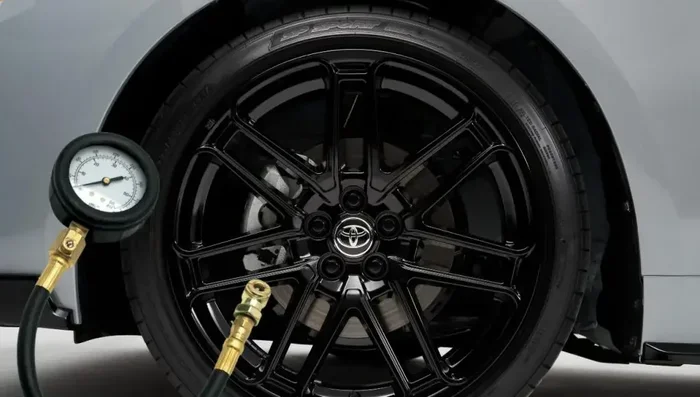
- Tire pressure gauge: You can buy a simple analog gauge or a digital one. Digital gauges are easy to read and usually cost under $15. A good analog gauge works just as well.
- Air compressor: Most gas stations have air pumps. You can also use a portable compressor at home. Some tire shops will fill your tires for free.
- Tire valve cap tool (optional): Some valve caps are tight. A small tool or even a coin can help you remove them.
Quick tip: Keep a tire pressure gauge in your glove box. This way you always have one handy. Checking tire pressure regularly becomes second nature when the tool is easy to reach.
Step-by-Step: How to Check Tire Pressure Toyota Corolla
Now that you have your tools, here is the full process. Follow these steps for accurate results every time.
Step 1: Check Tires When They Are Cold
This is the most important rule. Always check tire pressure when the tires are cold. This means the car has been parked for at least 3 hours or driven less than a mile. Driving heats up the air inside the tires, which raises the pressure reading and gives you a false number.
If you must check after driving, add about 3 to 4 PSI to your reading and recheck when the tires cool down.
Step 2: Remove the Valve Stem Cap
Each tire has a small cap on the valve stem. Twist it off and set it aside. Keep it in your pocket so you do not lose it. The valve stem is the small metal pin on the outside of the wheel.
Step 3: Press the Gauge onto the Valve Stem
Place your tire pressure gauge firmly onto the valve stem. You should hear a brief hiss of air. This is normal. If you hear a long hissing sound, the gauge is not seated properly. Press it down more firmly until the hissing stops.
Step 4: Read the Pressure
Look at your gauge. If you are using a digital gauge, the number will appear on the screen. If you are using an analog gauge, the dial or stick will show the reading. Compare this number to your Toyota Corolla’s recommended PSI.
Step 5: Add or Release Air as Needed
If the pressure is too low, use an air compressor to add air. Add a little at a time and recheck. If the pressure is too high, press the small pin inside the valve stem to release a small amount of air. Recheck after each adjustment.
Step 6: Replace the Valve Stem Cap
Once the pressure is correct, put the valve stem cap back on. This small cap keeps dirt and moisture out of the valve, which helps prevent slow leaks.
Step 7: Repeat for All Four Tires and the Spare
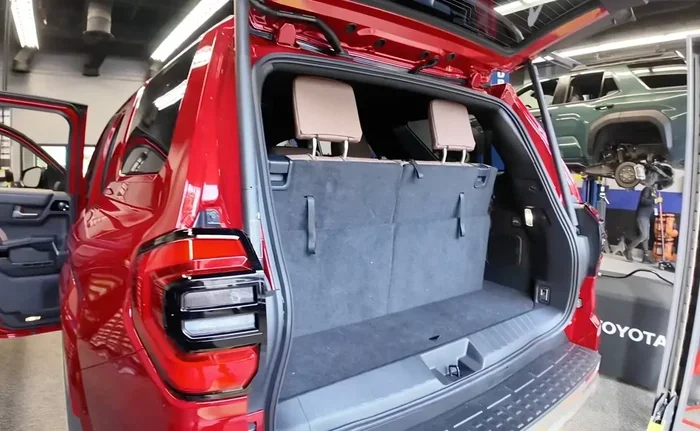
Do not forget to check the spare tire in your trunk. Many people overlook this. A flat spare tire is useless when you need it most. Also check the tire pressure on your Toyota Corolla trunk if you have a full-size spare.
Understanding Your Tire Pressure Monitoring System (TPMS)
Most modern Toyota Corolla models have a tire pressure monitoring system. This system uses sensors in each wheel to detect pressure changes. When pressure drops below the recommended level, a warning light appears on your dashboard.
The TPMS light looks like a horseshoe shape with an exclamation point in the middle. If this light comes on, do not ignore it. Pull over safely and check your tire pressure as soon as possible.
There are two types of TPMS systems:
- Direct TPMS: Uses sensors inside each tire to measure pressure directly. These are more accurate and common in newer Toyota models.
- Indirect TPMS: Uses the wheel speed sensors to detect differences in tire size caused by low pressure. These are less precise but still useful.
If you have recently adjusted your tire pressure and the light stays on, you may need to reset your TPMS. Refer to your owner’s manual for the reset procedure. Usually, it involves pressing a button under the steering column or navigating through the dashboard menu.
Remember that the TPMS is a backup system, not a replacement for regular manual checks. Sensors can fail, batteries can die, and the system may not catch slow leaks right away.
Common Tire Pressure Mistakes to Avoid
Even experienced drivers make mistakes when checking tire pressure. Here are some common errors and how to avoid them.
Checking Tires After Driving
Hot tires give higher readings. Always wait for the tires to cool down before measuring tire pressure. This single mistake causes many drivers to overinflate their tires.
Using the Max PSI on the Tire Sidewall
The number printed on the tire sidewall is the maximum pressure the tire can handle, not the recommended pressure for your car. Using the max PSI will give you a harsh ride and uneven wear. Always use the number from your door jamb sticker or owner’s manual.
Ignoring the Spare Tire
Your spare tire loses pressure over time too. A spare with low pressure is useless in an emergency. Make it a habit to check the spare every time you check the other four tires.
Not Checking All Tires Evenly
Sometimes only one or two tires are low. Always check all four tires. Uneven pressure causes your car to pull to one side and wears tires unevenly.
Relying Only on the TPMS Light
The TPMS light only comes on when pressure is significantly low. By the time the light triggers, your tires may already be damaged. Manual checks catch problems early.
When to Seek Professional Help
Most tire pressure checks are easy to do at home. But there are times when you should visit a professional.
- Frequent pressure loss: If a tire keeps losing air, you may have a slow leak or a damaged valve stem. A tire shop can find and fix the leak.
- TPMS sensor warnings: If your dashboard shows a TPMS sensor error, a mechanic can diagnose and replace the sensor.
- Tire wear issues: If you notice uneven wear patterns, a tire professional can check your alignment and pressure setup.
- Seasonal changes: Cold weather drops tire pressure. If you live in an area with big temperature swings, a professional check at the start of each season helps.
Regular Toyota maintenance includes tire checks. Many Toyota dealerships offer free tire pressure checks with routine service. It is worth taking advantage of this if you are not comfortable doing it yourself.
Similar to how you would check your oil level regularly to keep your engine healthy, checking your tire pressure should be part of your routine car care. Just like preventing your car from overheating in summer requires simple proactive steps, keeping your tires properly inflated takes just a few minutes each month. Both habits protect your car and your wallet in the long run.
Taking care of your Toyota Corolla also means paying attention to small details that add up over time. For new drivers, learning basic maintenance like tire pressure checks builds confidence and independence. If you are just starting out, check out our guide on how to drive a car for beginners for more helpful tips.
How Often Should You Check Tire Pressure?
Make it a habit to check your tire pressure at least once a month. Tires naturally lose about 1 PSI per month. Temperature changes also affect pressure. In cold weather, pressure drops. In hot weather, pressure rises.
Here is a simple schedule to follow:
- Monthly: Quick check of all four tires and the spare.
- Before long trips: Always verify pressure before a road trip.
- Seasonal changes: Cold weather often lowers pressure. Check more frequently in winter.
- After hitting a pothole or curb: Impact can damage tires and cause slow leaks.
Setting a reminder on your phone works well for many drivers. Once it becomes part of your routine, you will not even think about it.
Benefits of Keeping Your Toyota Corolla Tires Properly Inflated
When you make tire pressure checks a regular habit, you will notice real benefits. Here is what proper inflation does for your Toyota Corolla.
- Better fuel economy: Properly inflated tires reduce rolling resistance. Your engine uses less fuel, which means more miles per gallon.
- Improved handling: Your car responds better to steering. Corners feel more stable and braking is more predictable.
- Longer tire life: Even tire wear means you replace tires less often, saving you hundreds of dollars over the life of the car.
- Safer driving: Good traction in all conditions, from dry highways to wet city streets.
- Quieter ride: Properly inflated tires reduce road noise and give you a more comfortable driving experience.
These benefits add up fast. A few minutes of checking each month can save you money and keep you safe on the road.
Final Thoughts
Checking tire pressure on your Toyota Corolla is one of the easiest and most impactful things you can do as a car owner. It takes less than 10 minutes, costs almost nothing, and pays off in safety, fuel savings, and tire longevity.
Keep a tire pressure gauge in your glove box. Check your tires monthly. Refer to your door jamb sticker for the right PSI. And never ignore your TPMS light. These simple habits keep your Toyota Corolla running at its best.
Your tires are your connection to the road. Treat them well, and they will take care of you. Start today. Grab a gauge, check your pressure, and enjoy the peace of mind that comes with knowing your car is in great shape.
For more Toyota Corolla tips and maintenance guides, explore our full library of articles. Whether you want to learn about Toyota Corolla longevity, oil specifications, or other maintenance topics, we have you covered.
Frequently Asked Questions
What is the recommended tire pressure for a Toyota Corolla?
Most Toyota Corolla models recommend a tire pressure between 30 and 35 PSI. The exact number is listed on the driver’s side door jamb sticker or in the owner’s manual. Always use the recommended pressure for your specific model year and trim level.
How often should I check my Toyota Corolla tire pressure?
Check your tire pressure at least once a month. Tires naturally lose about 1 PSI per month. You should also check before long trips and during seasonal temperature changes. Cold weather can cause pressure to drop, so winter months may require more frequent checks.
Can I use the tire pressure number printed on the tire sidewall?
No. The number on the tire sidewall is the maximum pressure the tire can handle, not the recommended pressure for your car. Using the max PSI can lead to a harsh ride and uneven tire wear. Always use the pressure listed on your door jamb or owner’s manual.
Why is my tire pressure light still on after I filled my tires?
If the TPMS light stays on after you adjust your tire pressure, you may need to reset the system. Refer to your Toyota Corolla owner’s manual for the reset steps. In most models, there is a reset button located under the steering column or in the vehicle settings menu.
Should I check tire pressure when the tires are hot or cold?
Always check tire pressure when the tires are cold. This means the car has been parked for at least 3 hours or driven less than a mile. Hot tires give higher readings that are not accurate. If you must check after driving, add 3 to 4 PSI and recheck when the tires cool.
Does checking tire pressure really save fuel?
Yes. Properly inflated tires reduce rolling resistance, which means your engine does not work as hard. Studies show that maintaining the correct tire pressure can improve fuel economy by up to 3 percent. Over time, these savings add up at the gas pump.
=== CONCLUSION ===
Checking tire pressure on your Toyota Corolla is quick, easy, and essential. With just a tire pressure gauge and a few minutes each month, you protect your safety, save fuel, and extend the life of your tires. Follow the steps in this guide, make it a monthly habit, and your Toyota Corolla will reward you with smooth, safe, and efficient driving for years to come.