How to Check Transmission Fluid on Your Honda Civic
Checking your Honda Civic transmission fluid is one of the simplest maintenance tasks you can do at home. This guide walks you through everything you need to know, from locating the dipstick to reading fluid levels and color. With just a few minutes and basic tools, you can keep your Civic’s transmission running strong for years to come.
Your Honda Civic is one of the most reliable cars on the road. But even the best vehicles need regular care to keep running at their best. One of the simplest yet most overlooked maintenance tasks is checking your transmission fluid. Many Honda Civic owners go years without ever peeking under the hood to see what is happening with their Honda Civic transmission. That is a mistake.
How to check transmission fluid on a Honda Civic is a skill every owner should have. It takes just a few minutes and can save you hundreds of dollars in repair bills. Whether you drive a newer model or an older Civic, knowing the condition of your transmission fluid gives you real power. You can catch problems early, plan your Honda Civic maintenance schedule, and keep your car driving smoothly for miles to come.
In this guide, we walk you through every step. You will learn where to find the dipstick, how to read the fluid level, what the color means, and when it is time for a transmission fluid change. We also cover common mistakes to avoid and tell you when to seek professional help. By the end, you will feel confident tackling this simple DIY task right in your own driveway.
Key Takeaways
- Regular checks matter: Checking your Honda Civic transmission fluid helps prevent expensive repairs and keeps your car running smoothly.
- It is easy to do at home: You only need a few basic tools and about ten minutes to complete the process.
- Fluid condition tells a story: The color and smell of your transmission fluid can reveal a lot about your Honda Civic transmission health.
- Use the right fluid type: Honda recommends specific transmission fluid types for optimal performance and longevity.
- Know when to call a pro: Some transmission issues need professional attention, and recognizing the signs early saves money.
📑 Table of Contents
- Why Checking Your Honda Civic Transmission Fluid Matters
- What You Need Before Checking Transmission Fluid
- How to Check Transmission Fluid on Your Honda Civic: Step-by-Step
- Honda Civic Transmission Fluid Types and When to Change It
- Common Mistakes to Avoid When Checking Transmission Fluid
- When to Visit a Professional for Transmission Service
- Conclusion
Why Checking Your Honda Civic Transmission Fluid Matters
Transmission fluid is the lifeblood of your car’s gearbox. It lubricates all the moving parts inside the transmission and helps keep everything cool. Without proper fluid levels, your Honda Civic transmission can overheat, wear out, and eventually fail. That is why regular transmission fluid check routines are so important.
What Does Transmission Fluid Do?
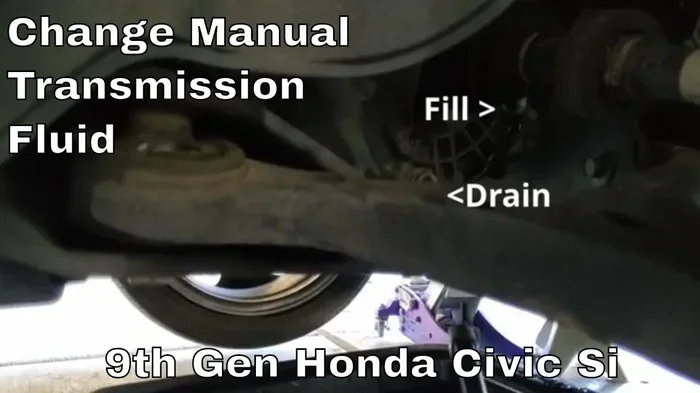
Think of transmission fluid as the engine oil for your gearbox. It reduces friction between gears, transfers power smoothly, and prevents overheating. In an automatic transmission, the fluid also acts as a hydraulic medium that helps the car shift gears on its own. In a manual transmission, it lubricates the gears and synchronizers.
When your fluid level drops or the fluid gets dirty, your transmission performance suffers. You might notice rough shifting, slipping gears, or a delay when moving from park to drive. These are early warning signs that should never be ignored. Catching them early through a simple fluid check can save you from a major repair bill.
How Often Should You Check It?
Most Honda experts recommend checking your Honda Civic transmission fluid every 3,000 to 5,000 miles. However, if you drive in hot climates or tow heavy loads, you may need to check it more often. Extreme heat is one of the biggest enemies of transmission fluid, and it can break the fluid down faster than normal.
Good vehicle maintenance habits include making transmission checks part of your regular routine. Just like you check your engine oil, you should make this a habit too. In fact, regular maintenance like this can answer the question many owners ask: does replacing a transmission extend the life of a car? The answer is yes, and it all starts with simple checks like this one.
What You Need Before Checking Transmission Fluid
Tools and Materials
You do not need much to check your Honda Civic transmission fluid. Here is what you will need to have ready before you start:
- A clean rag or paper towel for wiping the dipstick
- The correct transmission fluid type for your Honda Civic model year
- A funnel for topping off fluid if needed
- A level surface to park your car on
- Your owner’s manual for model-specific reference
Having these items ready before you start makes the whole process smooth and quick. Most of these things are already in a typical garage or driveway. The owner’s manual is especially important because Honda uses different fluid specifications across model years, and using the wrong one can cause problems.
Safety First
Always check your transmission fluid when the engine is warm but not hot. This gives you the most accurate reading. Park your Civic on a flat surface and engage the parking brake. Never look under the car while it is on a jack alone. If you need to go underneath, use jack stands for safety.
Since transmission overheating is a real concern, you might also want to read up on general cooling tips. Check out our guide on how to prevent a car from overheating in summer for helpful tips that protect your entire drivetrain and keep your Honda running safely in hot weather.
How to Check Transmission Fluid on Your Honda Civic: Step-by-Step
Now that you have everything ready, let us walk through the actual process. Follow these steps carefully and you will have your transmission fluid level checked in no time.
Step 1: Start the Engine and Let It Warm Up
Start your Honda Civic and let it idle for about 3 to 5 minutes. The transmission fluid needs to be warm to flow properly and give you an accurate reading. Do not rev the engine. Just let it sit in park with the brake pressed firmly.
Some older Honda Civics recommend checking the fluid with the engine off. Always refer to your owner’s manual for the specific instructions for your model year. This is one of those small details that can make a big difference in your reading. Getting it wrong could lead to an incorrect fluid level reading.
Step 2: Locate the Transmission Fluid Dipstick
Open the hood and look for the transmission fluid dipstick. On most Honda Civics, it is located toward the back of the engine bay. It usually has a brightly colored handle, often red or yellow, which makes it easy to spot. It is typically smaller than the engine oil dipstick.
If you are having trouble finding it, consult your owner’s manual. The manual will have a diagram showing the exact location for your specific model year. This is especially helpful for newer Civics where engine bays can be crowded with electronics and hoses. Do not confuse the transmission dipstick with the engine oil dipstick. They are usually in different locations and have different handle colors.
Step 3: Pull Out the Dipstick and Wipe It Clean
Pull the dipstick out fully and wipe it clean with a rag or paper towel. Hold it horizontally so the fluid does not drip everywhere. You want a completely clean stick to get an accurate reading when you reinsert it. This is a step many people skip, and it can lead to false readings.
Step 4: Reinsert the Dipstick and Pull It Out Again
Slowly push the dipstick back all the way into its tube. Then pull it out again. Look at both sides of the dipstick. You will see markings that indicate the minimum and maximum fluid levels. These are usually shown as two holes, two lines, or a crosshatched area.
The transmission fluid level should fall between these marks. If it is below the minimum mark, you need to add more fluid. If it is at or near the maximum, you are good for now. Make sure you are reading the fluid at eye level to get an accurate measurement.
Step 5: Check the Fluid Color and Smell
This step is just as important as checking the level. Fresh Honda Civic transmission fluid is typically a bright red or pinkish color. As the fluid ages, it naturally darkens. Here is a quick guide to what different colors mean:
- Bright red or pink: Fluid is fresh and in good condition. No action needed.
- Light brown: Fluid is aging but still functional. Consider a transmission fluid change soon.
- Dark brown or black: Fluid is old and burnt. A transmission fluid change is overdue.
- Milky or frothy: Water or coolant has mixed with the fluid. This is a serious problem that needs immediate attention.
Use your nose too. Fresh fluid has a slightly sweet smell. If the fluid smells burnt or acrid, that is a clear sign of overheating or degradation. Your Honda Civic DIY maintenance routine should always include a smell check. If something smells off, do not ignore it.
If you are not comfortable doing this yourself, you can always visit a quick-lube shop. You might wonder, does Jiffy Lube do transmission fluid changes? Many locations do offer this service, but doing it yourself is faster, cheaper, and gives you direct knowledge of your car’s condition.
Honda Civic Transmission Fluid Types and When to Change It
Which Transmission Fluid Does Your Honda Civic Need?
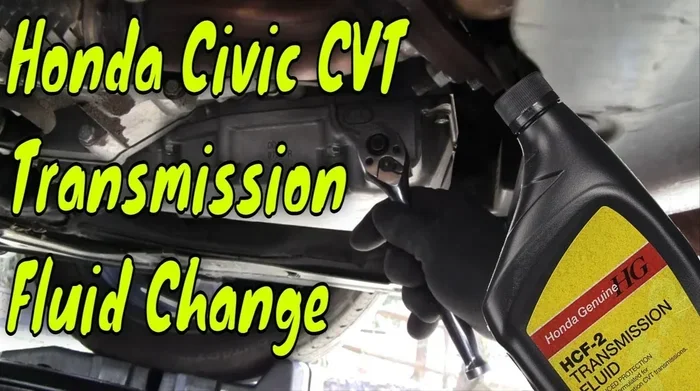
Honda recommends specific transmission fluid types for each model year. Using the wrong fluid can cause poor shifting, overheating, and even transmission damage. The most common fluids used in Honda Civics include Honda Genuine ATF-DW1 for newer models and Honda ATF-Z1 for older ones.
Always check your owner’s manual before purchasing fluid. The manual will list the exact specification your Civic needs. Using a generic or off-brand fluid may save a few dollars upfront but can cost you much more in the long run. Poor-quality fluid can break down faster and fail to protect your Honda Civic transmission properly.
How Often Should You Change the Fluid?
Honda considers their transmission fluids “lifetime” fluids, meaning they do not require regular changes under normal driving conditions. However, many mechanics and Honda service experts disagree with this. They recommend changing the fluid every 60,000 to 100,000 miles for best results.
If you drive in severe conditions, such as heavy traffic, extreme heat, or dusty roads, you should change the fluid more frequently. A transmission fluid change is a small investment that pays off big in longevity and performance. Think of it as insurance for your gearbox.
Common Mistakes to Avoid When Checking Transmission Fluid
Checking the Fluid with the Engine Off
This is the most common mistake people make. On most Honda Civics, you need the engine running and warm to get an accurate reading. Checking with the engine off can give you a false low reading and lead to unnecessary fluid top-offs. Always follow the procedure outlined in your owner’s manual.
Overfilling the Transmission
It is just as bad to add too much fluid as it is to have too little. Overfilling causes the fluid to foam, which reduces its lubricating ability. It can also create excess pressure that leads to leaks. Always add fluid in small amounts and recheck the level with the dipstick after each addition. Patience is key here.
Ignoring Warning Signs Between Checks
Do not wait until your transmission is clearly failing to check the fluid. By then, the damage may already be done. Regular checks help you spot changes in fluid color, level, or smell before they become serious problems. Make the transmission fluid check part of your monthly Honda Civic maintenance routine.
Using the Wrong Fluid Type
This mistake can be costly. Honda designs their transmissions to work with specific fluid formulations. Mixing different types or using non-Honda fluids can cause compatibility issues, poor shifting, and accelerated wear. Always double-check the fluid specification before adding anything to your transmission.
When to Visit a Professional for Transmission Service
While checking transmission fluid is a great DIY task, some situations call for a professional. Here are the signs that it is time to visit a mechanic:
- You notice a fluid leak under your car, especially near the middle of the vehicle
- The transmission slips between gears or refuses to shift properly
- You hear grinding or buzzing noises when the car is in gear
- The check engine light comes on with transmission-related codes
- The fluid smells burnt even after a recent change
These symptoms could indicate serious internal transmission problems. A qualified mechanic can diagnose issues that go beyond simple fluid checks. They have specialized tools and experience to spot problems early. Regular Honda service appointments also help catch issues before they become expensive repairs.
Remember, the cost of a routine fluid check is zero if you do it yourself. But ignoring your transmission can lead to repairs costing thousands of dollars. A few minutes of attention now can save you a lot of money and headaches down the road. Your Honda Civic transmission works hard every day. Give it the care it deserves.
Conclusion
How to check transmission fluid on a Honda Civic is a straightforward task that every owner should know how to do. It takes just ten minutes, requires minimal tools, and gives you valuable insight into the health of your car’s most important component. By following the steps in this guide, you can keep your Honda Civic transmission in excellent shape and avoid costly repairs down the road.
Make it a habit to check your fluid regularly. Pay attention to the color, level, and smell. And do not hesitate to seek professional help when something does not look or feel right. Your Honda Civic will reward you with smooth, reliable performance for many miles to come. A little maintenance today saves a lot of trouble tomorrow.
Frequently Asked Questions
Can I check my Honda Civic transmission fluid with the car cold?
Most Honda Civics require the engine to be warm for an accurate reading. Check your owner’s manual for the specific instructions for your model year. Some older models allow checking with the engine off, but newer models typically need the engine running and at operating temperature for the best results.
What happens if I overfill my Honda Civic transmission fluid?
Overfilling causes the fluid to foam, which reduces its ability to lubricate and cool the transmission properly. It can also create excess pressure that leads to leaks. Always add fluid in small amounts and recheck the level with the dipstick after each addition to avoid this common mistake.
How do I know if my Honda Civic needs a transmission fluid change?
Look at the fluid color and smell. Fresh fluid is bright red or pink. If it has turned dark brown or black, or if it smells burnt, it is time for a change. Also, if you notice rough shifting or slipping gears, the fluid may be degraded and need replacement.
Can I use any transmission fluid for my Honda Civic?
No, you should always use the fluid type recommended by Honda for your specific model year. Using the wrong fluid can cause poor shifting, overheating, and potential transmission damage. Check your owner’s manual or ask your Honda dealer for the correct specification before purchasing.
Is it normal for transmission fluid to get low over time?
Transmission fluid does not burn off like engine oil, so a low level usually indicates a leak. Small amounts may naturally decrease over very long periods, but a significant drop should always be investigated. Look for puddles under your car or signs of fluid around the transmission seals.
How long does a Honda Civic transmission last with proper care?
With regular maintenance and proper fluid checks, a Honda Civic transmission can last well over 200,000 miles. The key is staying on top of fluid changes and catching problems early. Neglecting transmission care is the fastest way to shorten its lifespan and invite expensive repairs.