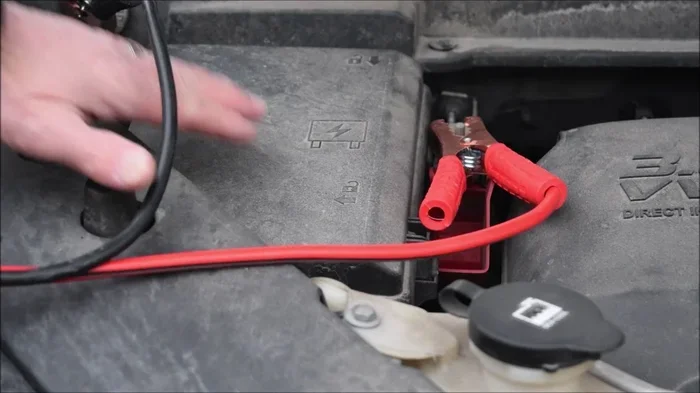
How to Jump a GMC Terrain Safely With Jumper Cables
Jump-starting a GMC Terrain is a simple process when you follow the right steps and prioritize safety. This guide walks you through everything from connecting jumper cables to preventing future battery issues. Whether you are dealing with a dead battery in cold weather or need a quick roadside fix, you will find clear, actionable instructions inside.
There is nothing quite like the sinking feeling when you turn your key and hear nothing but silence. Your GMC Terrain will not start, and you are standing in the driveway or a parking lot wondering what went wrong. A dead battery is one of the most common problems drivers face, and it can happen to anyone at any time.
The good news is that jump-starting your vehicle is a skill anyone can learn. With a set of jumper cables and another vehicle, you can be back on the road in minutes. This guide will walk you through every step of the process for how to jump a GMC Terrain safely and confidently.
We will cover everything from the basics of battery safety to tips for preventing future problems. By the end, you will feel prepared to handle this situation like a pro. Let us get into it.
Key Takeaways
- Safety first: Always wear gloves and eye protection when jump-starting your GMC Terrain.
- Correct cable order matters: Connect positive to positive first, then negative to a ground point.
- Prevent future issues: Regular battery maintenance can extend your battery life by years.
- Portable jump starters are a great backup: Keep one in your trunk for emergencies.
- Know when to call for help: If the battery is old or damaged, jump-starting may only be a temporary fix.
📑 Table of Contents
Understanding Your GMC Terrain Battery
Before you grab those jumper cables, it helps to understand what you are working with. The battery in your GMC Terrain powers the electrical systems that start your engine. When the battery dies, your vehicle simply will not turn over.
Most GMC Terrain models use a standard 12-volt lead-acid battery. These batteries have a lifespan of about three to five years, depending on driving habits and climate. Cold weather is especially tough on batteries because it slows down the chemical reactions inside.
Why Batteries Die
Several factors can cause your battery to lose charge. Leaving lights on overnight is a common culprit. But there are other reasons too. Here are some of the most frequent causes of a dead battery:
- Extreme temperatures: Both hot and cold weather can drain battery power.
- Old age: Batteries degrade over time and lose their ability to hold a charge.
- Parasitic drain: Accessories left plugged in can slowly drain the battery.
- Faulty alternator: A bad alternator will not recharge the battery while driving.
- Short trips: Frequent short drives do not give the battery enough time to fully recharge.
If you notice your vehicle battery struggling to start the engine, do not ignore it. Addressing the problem early can save you from being stranded. You might also want to check your battery voltage with a multimeter to see if it is still healthy.
What You Need Before You Start
Jump-starting a vehicle requires a few basic tools. The good news is that none of them are expensive or hard to find. Here is a checklist of what you need before you attempt to jump start your GMC Terrain.
Essential Tools
- Jumper cables: Look for heavy-duty cables that are at least 6 gauge. Thicker cables transfer power more efficiently.
- A working vehicle: You need another car with a healthy battery to provide the jump.
- Safety gear: Wear rubber gloves and safety glasses to protect yourself from sparks.
- Portable jump starter: This is a great alternative if you do not have another vehicle nearby.
Not everyone carries jumper cables in their truck. But after you read this guide, you will see why it is a must-have item. A portable jump starter is another excellent option. These compact devices fit in your trunk and can jump-start your vehicle without needing another car.
Quick tip: Always keep your cables clean and free of corrosion. Dirty cable clamps can reduce the effectiveness of the jump. A quick wipe-down every few months goes a long way.
Step-by-Step Guide to Jumping Your GMC Terrain
Now that you have your tools ready, let us walk through the process. Follow these steps carefully and in the correct order. Safety is the top priority, so do not rush through any of them.
Step 1: Position the Vehicles
Park the working vehicle close to your GMC Terrain. The hoods should be facing each other, but the vehicles should not touch. Turn off the engines of both cars and engage the parking brakes. This prevents any accidental movement during the process.
Make sure both vehicles are in park or neutral. If you are working in a cold climate, this is also a good time to clear any snow or ice from the battery terminals. Clean terminals make for a better connection.
Step 2: Identify the Battery Terminals
Open the hood of your GMC Terrain and locate the battery. You will see two terminals: positive and negative. The positive terminal is usually marked with a plus sign and often has a red cover. The negative terminal has a minus sign and is typically black.
Take a moment to identify both terminals clearly. If you are unsure, consult your owner manual. The battery terminals should be free of corrosion and buildup. If you see a white or greenish powder, clean it off with a wire brush before proceeding.
Step 3: Connect the Jumper Cables
This is the most important part. The order in which you connect the cables matters a lot. Follow this sequence exactly:
- Connect the red clamp to the dead battery positive terminal. This is the positive clamp on the dead battery.
- Connect the other red clamp to the working battery positive terminal. This completes the positive side of the circuit.
- Connect the black clamp to the working battery negative terminal. This is the negative clamp on the good battery.
- Connect the remaining black clamp to an unpainted metal surface on the GMC Terrain. This serves as a ground point away from the battery.
Never connect the negative cable directly to the dead battery terminal. This reduces the risk of sparks near the battery, where hydrogen gas could ignite. Always ground the final clamp on a metal part of the engine block or frame.
Step 4: Start the Working Vehicle
Once all four clamps are securely connected, start the working vehicle. Let it idle for about two to three minutes. This allows the good battery to send power to the dead battery. You may notice the dashboard lights on your GMC Terrain dim slightly when you start the working car. That is normal.
After a few minutes, try starting your GMC Terrain. If it turns over and starts, you are in great shape. If it does not start right away, wait another minute and try again. Do not attempt to start it more than five times in a row, as this can damage the starter motor.
Quick tip: If you have a jump box, you can skip finding another vehicle entirely. Just connect the jump box to your battery following the manufacturer instructions and start your vehicle.
Step 5: Disconnect the Cables
Once your GMC Terrain is running, it is time to disconnect the cables. This must be done in the reverse order of how you connected them:
- Remove the black clamp from the unpainted metal surface on the GMC Terrain.
- Remove the black clamp from the working battery negative terminal.
- Remove the red clamp from the working battery positive terminal.
- Remove the red clamp from the dead battery positive terminal.
Be careful not to let the cable clamps touch each other during this process. Keep them away from any metal surfaces. Once everything is disconnected, let your GMC Terrain run for at least 15 to 20 minutes. This gives the alternator time to recharge the battery.
If you are wondering whether you can continue driving after a jump, the answer is yes. However, if your battery is old or weak, you may want to visit a service center. You can take your vehicle to any authorized dealer for a battery test and replacement if needed. For example, many owners ask can I take my Toyota to any dealer for service, and the same general principle applies to GMC vehicles as well. Always check with your dealer for the best service options.
Safety Precautions You Must Follow
Jump-starting a vehicle is generally safe when done correctly. But there are real risks involved if you do not follow the proper precautions. Taking a few extra minutes to be careful can prevent injury and vehicle damage.
Common Safety Mistakes to Avoid
- Never smoke near a battery: Batteries produce hydrogen gas, which is highly flammable.
- Do not jump a damaged battery: If the battery is cracked or leaking, do not attempt a jump. Replace it instead.
- Avoid touching cable clamps together: This can create sparks and potentially damage the electrical systems.
- Wear safety glasses: Acid or debris can sometimes splash during the jump process.
- Keep children and pets away: The process involves electrical components and moving parts.
If you are ever unsure about the condition of your battery, it is best to call for professional help. Many insurance plans and roadside assistance programs include jump-start services. Do not hesitate to use them if you feel uncomfortable doing it yourself.
Expert insight: Some drivers worry about whether jump-starting can damage their vehicle electronics. Modern vehicles like the GMC Terrain have built-in protection systems that handle the voltage spike safely. As long as you follow the correct cable order, your electronics should be perfectly fine.
Preventing Future Battery Problems
The best way to deal with a dead battery is to prevent one from happening in the first place. A little regular maintenance can save you a lot of trouble down the road. Here are some simple habits that will keep your battery healthy.
Regular Maintenance Tips
- Check your battery terminals every few months: Clean off any corrosion with a baking soda and water solution.
- Drive your vehicle regularly: Longer drives allow the alternator to fully recharge the battery.
- Turn off all accessories before shutting off the engine: This includes lights, radio, and phone chargers.
- Get your battery tested annually: Most auto parts stores offer free battery testing.
- Replace your battery every three to five years: Even if it seems fine, age is the biggest factor in battery failure.
Cold weather is especially hard on batteries. If you live in a climate with harsh winters, consider using a battery blanket or park your vehicle in a garage when possible. These small steps can make a big difference in battery longevity.
Quick tip: If your battery keeps dying even after you replace it, have your alternator checked. A failing alternator is often the hidden culprit behind repeated battery problems.
When to Seek Professional Help
There are times when jump-starting is not enough. If your battery is more than five years old, it may need replacement. A jump-start might get you running temporarily, but the underlying issue will not go away.
Watch for these warning signs that your battery needs professional attention:
- The engine cranks slowly every time you start it.
- The dashboard battery light stays on while driving.
- You need frequent jump-starts, even after replacing the battery.
- There is visible swelling or leaking from the battery case.
In these situations, it is best to visit a certified service center. They can test your battery health and recommend the right replacement. If you own multiple vehicles, you might also wonder about service flexibility across brands. For instance, many drivers ask whether they can bring their Toyota to a Honda dealership or vice versa. The same logic applies to GMC vehicles. Always check with your specific dealer for the best service options available to you.
Some modern vehicles, including certain hybrid models, have additional considerations when dealing with battery issues. For example, owners sometimes ask can you jump start a Toyota hybrid battery, and the answer depends on the specific model and hybrid system. Similarly, if you are dealing with a hybrid battery that has failed, you may need specialized service rather than a standard jump-start.
Bottom line: Do not ignore persistent battery problems. A weak battery can leave you stranded, and in rare cases, it can even damage your vehicle’s electrical system. Stay proactive and address battery issues early.
Final Thoughts
Knowing how to jump a GMC Terrain safely with jumper cables is a valuable skill for every driver. It saves time, money, and the stress of being stranded. By following the steps in this guide, you can handle a dead battery with confidence and get back on the road quickly.
Remember to always prioritize safety. Wear your protective gear, follow the cable connection order exactly, and never take shortcuts. And when in doubt, do not hesitate to call a professional for help.
Regular battery maintenance is your best defense against future problems. Keep your terminals clean, drive your vehicle regularly, and replace your battery on schedule. These simple habits will keep your GMC Terrain running strong for years to come.
Stay prepared, stay safe, and happy driving.
Frequently Asked Questions
Can I jump-start my GMC Terrain alone?
Yes, you can if you have a portable jump starter. These devices are compact and easy to use without needing another vehicle. Simply connect the jump starter to your battery terminals and follow the manufacturer instructions. It is a great backup option for solo drivers.
How long should I let my GMC Terrain run after a jump-start?
You should let your vehicle run for at least 15 to 20 minutes after a jump-start. This gives the alternator enough time to recharge the battery. If your battery is old or weak, you may want to drive for longer to ensure a full charge.
What happens if I connect the jumper cables in the wrong order?
Connecting cables in the wrong order can cause sparks, damage the electrical system, or even ruin the battery. Always connect positive to positive first, then negative to a ground point. Never connect the negative cable directly to the dead battery terminal.
Can a dead battery be recharged, or does it need replacement?
A dead battery can often be recharged through jump-starting and driving. However, if the battery is old or has been dead for a long time, it may not hold a charge anymore. In that case, replacement is the best option. Have your battery tested to know for sure.
Is it safe to jump-start a GMC Terrain in the rain?
It is generally safe as long as you take proper precautions. Keep the jumper cables away from puddles and standing water. Make sure your hands are dry and you are standing on dry ground. If conditions feel unsafe, wait for better weather or call for roadside assistance.
How often should I replace my GMC Terrain battery?
Most batteries last between three and five years. Factors like climate, driving habits, and accessory use can affect battery life. Get your battery tested annually starting at the three-year mark to catch any weakness early before it leaves you stranded.